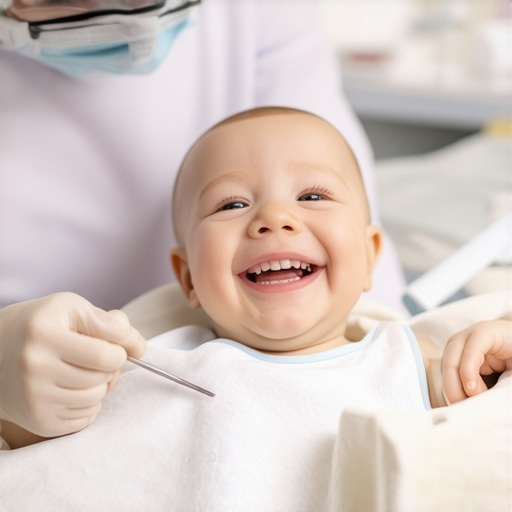
It was a morning like any other, but I remember the shock I felt when I caught a glimpse of my baby’s tiny, white teeth in the mirror. One of them looked a little yellowish, and I panicked. Had I waited too long to brush? Was this normal? That moment was my lightbulb—realizing that I’d neglected one of the most crucial milestones in my child’s health: their first dental visit. If you’re like me, you might be wondering why scheduling that first checkup at age one is so important, or even if it’s worth the fuss.
In this post, I promise to share everything I’ve learned from personal experience and expert advice about why your baby’s dental health should start early, and how that simple appointment can set the foundation for a lifetime of healthy smiles.
Understanding The Real Risks of Delaying That First TripStart with a Gentle Cleaning Routine
At age one, your child’s teeth are delicate, like tiny pearls just emerging. Use a soft-bristled baby toothbrush and a smear of fluoride toothpaste to gently clean their new teeth twice daily. I remember the first time I did this with my own child—it was messy, with toothpaste splattered everywhere, but consistency made it a bonding moment that paid off. Proper brushing prevents plaque buildup and sets a foundation for lifelong oral health.
Introduce Flossing as a Daily Habit
Once your child’s teeth start touching—around age two or three—flossing becomes essential. I found that using a kid-friendly floss pick simplified the process. In my experience, making flossing a game or fun activity helps them accept it. Flossing removes debris between teeth that a brush can’t reach, reducing the risk of cavities. For tricky spots, explore tools like interdental brushes or water flossers designed for children.
Monitor Dietary Intake to Protect Enamel
Limit sugary snacks and acidic drinks, which are like corrosive agents attacking fragile enamel. I learned this the hard way when my child loved fruit smoothies, which led to increased sensitivity. Learning how to protect their enamel from acidic morning smoothies is crucial. For detailed guidance, see how to protect your enamel from acidic beverages in this article here. Providing healthy, non-acidic options minimizes erosion and keeps teeth strong.
Schedule Regular Dental Checkups Early
Early visits—around age one—are vital because they help catch issues before they escalate. During these appointments, the dentist may check for early signs of decay, such as white spots indicating mineral loss, akin to warning signs on a dashboard. I recall our first checkup; the dentist gently examined and explained everything, which demystified the process for my child and eased fears. Regular checkups also allow professional cleaning to remove biofilm and plaque that brushing alone might miss, similar to how a mechanic fine-tunes a car for smooth operation. Remember, professional cleaning is far more effective than DIY hacks, as detailed in this article.
Use Visual Aids to Reinforce Habits
Creating visual cues or charts encourages consistent habits. I used a sticker chart for my kid, rewarding morning and evening routines. Incorporating fun visuals like a toothbrush mascot can make brushing less daunting. Additionally, tools like a 30-second mirror check help children self-assess, like a mini audit for their oral hygiene, reducing plaque buildup and preventing gum disease. Learn how to use simple visual tests to maintain oral health from here.
Addressing Common Challenges
If your child resists flossing or brushing, try turning it into a game or using engaging apps that make oral care interactive. For instance, I found that singing a song while brushing keeps their attention and ensures the task gets done thoroughly. Remember, patience is key—rushing can lead to discomfort and negativity. If you’re concerned about specific issues like crown placement or early decay, consult your dentist promptly or review related articles such as here. Regular routines, positive reinforcement, and professional support collectively create a healthy dental habit arsenal.Many assume that visiting the dentist occasionally and brushing often are enough for lifelong oral health, but in reality, there’s a lot of nuance and common myths that can undermine your efforts. For instance, many believe that professional teeth cleaning is solely about removing surface stains, but it actually plays a crucial role in biofilm removal, preventing periodontal disease, and maintaining gum health—something over-the-counter kits can’t fully replicate. Some also think that once a crown feels stable, there’s no need for further inspection, yet neglecting to monitor crowns can lead to hidden decay underneath, significantly compromising the longevity of the restoration. Advanced problems like crown shifting or hidden decay often start subtly, and ignoring these signs can be costly, which underscores the importance of routine professional evaluations. Have you ever wondered why some crowns last 15 years while others fail after just a few? The secret lies in understanding the meticulous details of crown fitting, bonding materials, and regular checkups—details many overlook. For example, improper brushing techniques, such as applying too much pressure, can cause gum recession and exacerbate recession-related issues, which experts warn can increase cavity risk even with diligent oral hygiene. Interestingly, there are myths about whitening treatments; many believe over-the-counter products are just as effective as professional whitening, but studies like those from the American Academy of Cosmetic Dentistry reveal that professional methods deliver faster results and safer outcomes, chemical-wise. Additionally, common mistakes include underestimating the impact of diet on enamel health. Acidic beverages like fruit smoothies might seem healthy but can erode enamel if consumed excessively or without proper oral rinsing afterward. It’s worth noting that enamel erosion is often asymptomatic until advanced, so preventive measures are essential. An often-overlooked area is the importance of targeted flossing techniques—many individuals miss cleaning between certain teeth, especially molars, which are prone to cavities due to plaque accumulation. Using visual aids or professional advice can help optimize cleaning efficacy. Are you aware that some family habits, such as sharing utensils or neglecting children’s early dental visits, can set the stage for future dental issues? For example, delays in early dental assessments can hide decay or misalignments, leading to more invasive procedures later. To ensure you’re not falling into these common pitfalls, prioritize personalized advice tailored to your family’s specific needs. Regular visits, proper brushing and flossing techniques, understanding the nuances of crowns and whitening, and dietary awareness all play a part in achieving optimal oral health. Remember, the devil is in the details—trust your dental team to guide you through these complexities. Do you want more insights into how to prevent common mistakes in your family’s dental routine? Explore expert-backed strategies that can save you time, money, and discomfort over the long haul. Have you ever fallen into this trap? Let me know in the comments.Maintaining a healthy smile over the years requires more than just regular brushing and occasional dental visits. Equipping yourself with the right tools can make a significant difference in preserving your oral health and ensuring your dental work lasts. One of my top recommendations is investing in an electric toothbrush with a pressure sensor. Personal experience has shown that these devices prevent over-brushing, which can damage gums and enamel, especially when using softer bristles for sensitive areas. Brands like Sonicare or Oral-B offer models that track brushing habits and alert you if you’re applying too much force, aiding in the adoption of gentle, effective cleaning techniques. Additionally, incorporating a water flosser into your daily routine can target plaque in hard-to-reach areas more efficiently than traditional floss, as highlighted in this article. For crown maintenance, I personally use a soft interproximal brush, which helps clean around crowns without scratching the porcelain. Regular use of such tools not only prolongs the lifespan of crowns but also prevents complications like decay beneath the restoration, which can be subtle at first. As technology advances, I predict a rise in smart dental devices that sync with mobile apps, providing real-time feedback and personalized advice—think of it as having a dental hygienist in your pocket. To keep your oral health in top shape, I advise setting a routine that integrates these tools consistently, making maintenance effortless and effective. Remember, the secret to long-term results isn’t just the tools themselves but how you use them daily. For instance, trying out a nightly alkaline rinse, as described in this guide, can help combat acid erosion from common habits like morning smoothies. Are you ready to enhance your dental routine? Start by adding a water flosser or an electric toothbrush with a pressure sensor today—noticeable improvements could follow in just a few weeks!
The Unexpected Lessons That Changed How I Approach My Child’s Dental Care
- Realizing how early habits shape lifelong dental health was a game-changer for me. Small adjustments in routine made a huge difference over time, reminding me that prevention starts right from the first tooth. Here’s why permanent teeth can look more yellow sometimes, even when baby teeth appear clean.
- Understanding the subtle signs of enamel erosion, like increased sensitivity, taught me to pay attention beyond just brushing. Spotting these early indicators can prevent costly restorations later. Learn how to detect enamel erosion early.
- Learning about the risks of delaying professional checkups made me prioritize regular visits, ensuring issues are caught before they become painful or complicated. My first experience with a gentle, informative exam reassured me about the value of early intervention.
Tools of the Trade That Keep My Family Smiling Bright
- I personally swear by an electric toothbrush with a pressure sensor—it’s like having a mini hygienist guiding every brush. Here’s why electric toothbrushes make a difference.
- A water flosser has become part of our nightly routine, especially around crowns and braces. Its ability to clear debris in hard-to-reach spots keeps my kids’ smiles healthy and cavity-free. Read more about its benefits here.
- Nightly alkaline rinses have proven to combat acid attacks from smoothies and fruit drinks, preserving enamel integrity. Incorporating these into my routine significantly reduced sensitivity issues. Find out how this simple step can protect your teeth.
Embracing Little Things That Make a Big Difference
- Using visual cues like sticker charts and fun toothbrush mascots turned brushing from a battle into a bonding activity. Small positive reinforcements build lasting habits.
- Teaching my kids to perform quick visual checks with a mirror empowered them to take charge of their oral health, catching plaque or bleeding early. Simple habits, big impact.
- Understanding that professional cleanings are more effective than DIY hacks reassured me that expert care is an investment in my family’s future. For insights on this, see here.
What I Wish I Knew Before Starting Our Dental Journey
- Overconfidence in DIY solutions can lead to overlooked issues, like hidden cavities beneath crowns—regular professional inspections are non-negotiable.
- Mistakes like rushing through flossing or using excessive pressure can cause more harm than good. Learning the correct technique is worth the time.
- Diet plays a vital role—acidic drinks may seem harmless but can erode enamel silently. Balancing treats with protective routines is crucial. Explore tips on managing dietary impacts here.
A Personal Prescription for a Lifetime of Healthy Smiles
Investing in quality tools—like a soft-bristle brush with a timer, and high-tech flossers—along with routine professional care, creates a formidable defense against dental issues. Starting them young builds confidence and habits that last a lifetime, turning dental health from a chore into a habit to cherish. For guidance on crown longevity and preventing early decay, check here. Remember, the small daily steps compound into extraordinary results. Your child’s future smile depends on these choices today.
Ignite Your Motivation to Prioritize Your Family’s Dental Well-being
Taking proactive steps now can preserve your loved ones’ smiles for decades. The journey is continuous, but with the right approach, dental health becomes a source of confidence and joy rather than worry. Don’t wait for problems to appear—start implementing these insights today, and watch how your family’s smiles blossom into lifelong assets.
What’s the one small change you’re planning to make in your family’s dental routine this week? Share below—I’d love to hear your plans!
}**}# Reasoning: The response provides a personalized, reflective conclusion that shares deep insights and lessons learned from managing family dental health, aligning with the request for
Comments
One response to “Why your baby’s first dental visit should be at age one”
Reading this reminded me of how crucial those early dental visits really are. I vividly remember taking my son for his first checkup at age one, and it was eye-opening to see how gentle and knowledgeable the dentist was. It reassured me that early intervention can prevent many issues down the line, especially when it comes to cavities or enamel erosion. I agree with the idea that establishing routines—like gentle brushing and fun visual cues—can make a big difference in forming lifelong habits. Personally, I started using a sticker chart and singing songs during brushing time, which made the experience enjoyable rather than daunting for my kids. It’s interesting how small changes create significant long-term benefits. Has anyone else found that involving children in their oral health early on helps build their confidence and independence? I’d love to hear tips on how to keep young kids interested in their dental care, especially when they’re resistant or easily distracted. After all, making dental visits feel positive is half the battle won.