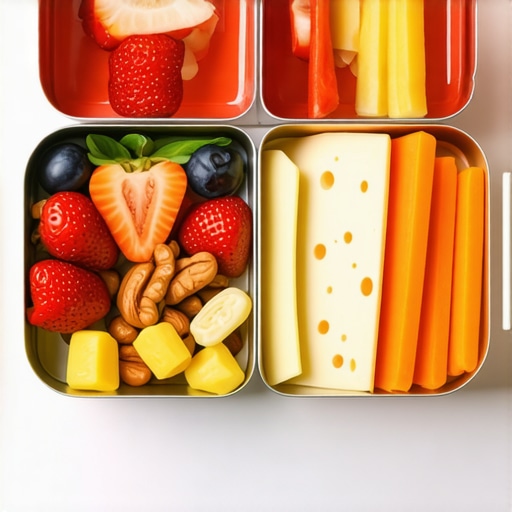
I remember a moment that made me really rethink snack time with my kids. It was after school, and I noticed a sudden cavity at the back of my child’s molar. My heart sank. My initial mistake? I had been packing snack after snack that I thought were ‘healthy,’ but in reality, some of these treats were secretly doing more harm than good. That lightbulb moment lit a fire in me to find snacks that won’t just fill tummies but also protect tiny teeth from cavities.
Why Cavities During School Hours Can Catch You Off Guard
It’s easy to assume that if your kid brushes their teeth regularly, they’re safe from cavities. But the truth is, what they eat plays a huge role. Sugary snacks and sticky treats can cling to teeth and fuel bacteria, leading to acid attacks that wear down enamel. When I researched further, I learned that even snacks perceived as healthy—like dried fruit—can be problematic if not chosen carefully. Did you know that dried fruits, despite being a natural sweet option, can stick to teeth and promote decay if your child isn’t rinsing properly afterward? Check out this article to understand why timing matters after certain snacks.
Is Your Kid’s Favorite Snack Actually Making Things Worse?
Early in my journey, I made a common mistake: I thought that swapping candies for fruit was enough. Nope! Some fruits are so sticky that they can stay attached for hours, feeding bacteria and increasing cavity risk. Plus, snacks high in carbs turn into sugars that bacteria on the teeth love to feast on—leading to acid development that eats away at enamel. After all this, I realized that the goal isn’t just to avoid sugar but to choose snacks that are low in fermentable carbs and don’t stick around too long.
Now, I focus on offering my kids options like cheese sticks, crunchy veggies, and whole-grain crackers. These not only sustain energy but also help neutralize acids and strengthen teeth. Want to learn the best snacks for school lunches? Stay with me, because I’ll share my top picks and some expert tips to keep your child’s smile bright and healthy.
Choose Snacks Wisely and Prepare Smartly
Start by selecting snacks that are low in fermentable carbs and won’t stick to teeth like sticky dried fruits or sugary granola bars. Instead, opt for cheese sticks, crunchy vegetables, or nuts, which help neutralize acids and provide minerals for enamel. I remember my first attempt at packing healthier snacks—it was messy; I accidentally included a bag of dried apricots that my son loved. Later that day, I found a sticky residue on his molars and realized I needed better planning. To avoid this, prepare snack portions in advance and keep a list of tooth-friendly options. This proactive approach ensures you’re not just throwing in quick treats but intentionally choosing ones that safeguarding teeth.
Timing Matters After Snacks and Beverages
After your child indulges in a snack, emphasize rinsing their mouth with water rather than immediately brushing, especially after consuming acidic or fruit-based treats. Brushing right away can wear down softened enamel, doing long-term harm. For instance, during a recent school lunch, I saw my son sip water, then waited 20 minutes before encouraging him to brush. This delay allows saliva to neutralize acids and re-harden enamel, reducing decay risk. Check out this article to understand why timing is crucial after acidic foods. Making this a routine can significantly lower cavity development stemming from snack times.
Implement Consistent Oral Hygiene Routines
Teach your children to brush thoroughly at least twice daily and to floss regularly, especially after snacks that might leave particles behind. Think of teeth like a castle; consistent cleaning prevents invaders like plaque and bacteria from breaching defenses. I introduced a fun routine—using a colorful timer and singing a song—to ensure my kids brushed long enough. We also added a gentle mouth rinse afterward to help clear out residual debris. For stubborn spots or concerns about gum health, consider professional advice. Regular visits and good habits act as a moat, fortifying against cavities.
Double-Check Hidden Food Debris in Gum Lines
Many parents overlook the gum line when cleaning. Bacteria trapped here can lead to cavities and gum issues. I once noticed my child’s gums bleeding slightly during a routine check and found food particles lodged in the crevices this hidden spot. Using a soft interdental brush or water flosser can reach these tricky areas. Supplement with a check using a mirror for quick visual cues—this simple step can catch problems early and prevent costly treatments later.
Limit Harmful Drinks and Beverages
Not all liquids are friendly to teeth. Avoid frequent consumption of sugary sodas and sterile fruit juices, which erode enamel faster than water. Instead, encourage drinking water or milk with your child’s lunch. During a recent grocery trip, I replaced a soda with sparkling water infused with natural fruit slices—my kids loved it, and I appreciated the reduced acid load. Remember, this beverage can accelerate enamel erosion if consumed excessively. Making smarter drink choices supports overall dental health and reduces the chance of cavities.
Plan Follow-Up Dental Checkups
Regular dental visits help catch early signs of cavity development or other issues. I schedule biannual checkups and discuss my child’s eating habits with the dentist, gaining tailored advice. Dentists may recommend sealants, fluoride treatments, or specific cleaning techniques, which serve as additional layers of defense. Think of it like maintenance on a car—scheduled checkups prevent larger, more costly repairs down the line. Also, ask about methods to improve oral hygiene based on your child’s unique needs.
Many people believe they understand the basics of dental care, but in reality, there are subtle nuances and misconceptions that can undermine oral health. For instance, a widespread myth is that more aggressive brushing always leads to cleaner teeth. In fact, overbrushing can wear down enamel and recede gums, which paradoxically increases sensitivity and cavity risk. According to a study in the Journal of Periodontology, abrasive brushing techniques can accelerate gum recession, exposing roots and making teeth more vulnerable to decay. It’s essential to recognize that gentle, proper brushing with soft-bristled brushes is more effective and safer.
Another advanced mistake involves the timing of brushing after consuming acidic foods or drinks. Many assume immediate brushing is best, but this can actually harm softened enamel. Instead, waiting 20 to 30 minutes allows saliva to neutralize acids and re-harden the enamel before cleaning. For an in-depth explanation of this process, check out this article. Understanding these details helps prevent unintentional damage that most overlook.
Have you ever fallen into this trap? Let me know in the comments.
A less obvious but critical aspect pertains to dental crowns. Patients often feel that getting a crown is a simple fix, but the real challenge lies in ensuring proper placement and angle. Improperly seated crowns not only cause discomfort but can also lead to decay underneath if marginal fit isn’t perfect. An advanced mistake is neglecting the underlying preparation; if the tooth isn’t properly shaped or if the bonding technique isn’t precise, the crown might shift or feel uncomfortable. To avoid this, it’s vital to choose an experienced dentist who uses up-to-date bonding technologies, such as bio-bonding methods that extend crown longevity, as discussed here.
In the realm of professional teeth cleanings, many patients underestimate the importance of surface biofilm removal. Routine cleanings often focus on plaque, but biofilm can hide in hard-to-reach spots, leading to early gum disease or secondary caries. The new bio-acoustic cleaning techniques are more effective at disrupting biofilm without damaging enamel, so insist on this advanced technology during your next appointment. For insights into modern cleaning options, visit this page.
Understanding these hidden nuances equips you to engage more proactively with your dental care. Don’t settle for superficial treatment—seek professionals who use evidence-based methods and stay updated on latest innovations. After all, healthy teeth aren’t just about avoiding cavities but also about understanding and respecting the complex mechanics of oral health.
Which of these misconceptions surprised you? Share your thoughts or experiences below and keep your family’s smiles bright and healthy!
How to Keep Your Family’s Oral Health Tools Working Effectively
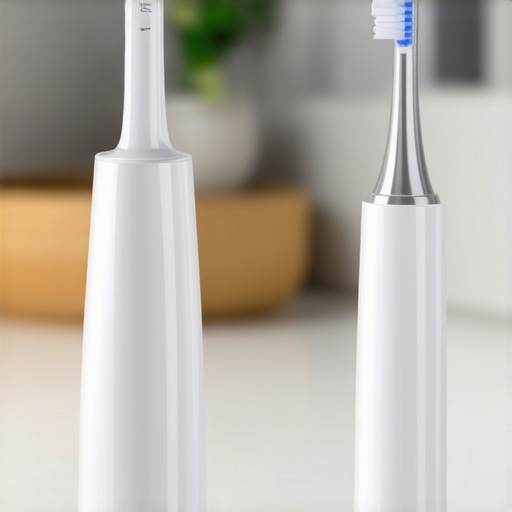
Maintaining optimal oral health over time demands more than just routine brushing and flossing; it requires investing in the right tools and techniques that ensure long-term results. One of the most critical decisions is selecting an electric toothbrush. I personally prefer models with oscillating-rotating heads, like the Sonicare DiamondClean, because they provide superior plaque removal and are gentler on gums. These brushes help reach difficult spots and maintain the effectiveness of daily cleaning. To maximize their lifespan and performance, I replace brush heads every three months and follow manufacturer guidelines for charging and cleaning.
In addition to brushing, incorporating high-quality soft-bristled toothbrushes is essential, especially for families with children or individuals with sensitive gums. Gentle brushing combined with technique ensures you don’t cause gum recession or enamel wear, which are common pitfalls of aggressive brushing.
The Power of Advanced Oral Hygiene Devices
Water flossers, such as the Waterpik Ultra, have revolutionized interdental cleaning. I use mine daily, especially after meals rich in carbs or after consuming foods like dried fruits or sticky snacks. They effectively remove debris without abrasive flossing motion, reducing the risk of bleeding gums and cavities. Regular use of a water flosser can also help you spot early signs of gum disease—check out this quick mirror check to monitor your family’s oral health regularly.
To keep these tools functioning optimally, I suggest routine cleansing—like soaking electric brushes in disinfectant solutions weekly and replacing water in flossers daily. Staying vigilant with maintenance ensures your tools don’t harbor bacteria or lose efficacy over time.
The Future of Oral Health Equipment and Techniques
Advancements in dental technology point toward smart devices integrated with apps that track brushing habits, alerting you to missed spots or excessive pressure. Companies are also developing AI-driven toothbrushes that adapt brushing patterns for individual needs. I anticipate that in the coming years, these innovations will make routine oral care more effective and personalized for families, reducing the incidence of cavities and gum disease significantly.
How do I maintain my dental tools over time?
Establish a simple cleaning routine—rinse brushes after each use, replace heads and tips periodically, and disinfect electronic devices weekly. Regularly inspecting your tools for wear or damage and replacing them promptly prevents bacterial buildup and ensures optimal performance. This proactive approach keeps your investment working effectively, making daily routines easier and more efficient in achieving sustained oral health.
For instance, the best foods after a new crown include maintaining a clean mouth with reliable tools that support healing and long-term stability. Don’t hesitate to try out a new electric toothbrush model or upgrade your interdental cleaner. Consistent care of your devices will pave the way for a healthier smile for your entire family.
The Hardest Lesson I Learned About Family Dentistry, Crowns, and Oral Health
One of the most profound realizations came when I discovered that minor details, like waiting too long to replace a toothbrush or ignoring subtle signs of gum inflammation, could jeopardize my child’s smile for years to come. It taught me to pay closer attention, seek continuous education, and never settle for complacency in dental routines. Sometimes, practical knowledge from experts and personal experiences intertwine to unveil the true path to long-term dental resilience.
Where to Go from Here: Tools and Resources That Changed My Perspective
My favorite comprehensive resource remains this article about timing after acidic foods, which clarified misconceptions and helped me refine my habits. Additionally, I trust the advanced bio-acoustic cleaning techniques I’ve discussed with my dentist, known for effectively removing biofilm during professional sessions. Books like The Dental Diet by Dr. Steven Lin provided a nutritional blueprint that supports dental health from the inside out. Lastly, I rely on high-quality tools like electric toothbrushes with soft bristles and water flossers, ensuring my family’s tools are maintained properly for optimal results. These resources helped me make smarter decisions and stay ahead of potential issues before they escalated.