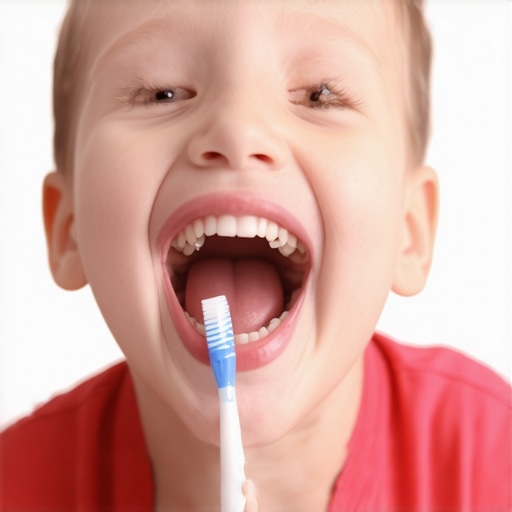
One evening, after another round of hurried brushing and pleading, I caught myself noticing my child’s struggle with discomfort during brushing. It hit me—there’s a secret spot we all overlook, and it’s costing us more than just a few minutes. That missing piece in our routine might be the key to preventing cavities and gum issues before they even start.
The Surprising Area That Can Make or Break Your Child’s Oral Health
Many parents focus on the visible surfaces of teeth, ignoring a tucked-away area that’s surprisingly easy to miss—the gum line right where the teeth meet the gums. That tiny space, often obscured in regular brushing, can harbor stubborn plaque and biofilm, especially if neglected.
Is Your Child’s Oral Care Truly Complete?
Early in my practice, I made the mistake of brushing only what I could see. I underestimated the importance of that narrow zone where plaque loves to hide. Over time, I learned that neglecting this spot can lead to early decay, gum inflammation, and even more serious issues like pocket formation. The real trick is knowing how to reach and clean that hidden zone effectively. If you’re facing persistent cavities or gum issues despite regular brushing, this might be the culprit. Curious how to tackle it? Check out https://periodontistcare.com/3-signs-your-2026-teeth-cleaning-missed-hidden-biofilm-fix for signs your cleaning missed this critical area.
Are you confident that your child’s brushing routine covers this elusive zone? If not, don’t worry—we’re about to dive into strategies that will help you master this subtle yet vital aspect of oral health. Proper technique and awareness might be the game-changer your family needs to avoid costly dental procedures down the line. Let’s get to those methods next.
Target the Gum Line Carefully
Gently tilt your child’s toothbrush to 45 degrees and angle it where the teeth meet the gums, not flat against the tooth surface. This angle allows bristles to reach into the tiny crevice that regular brushing often misses. I once demonstrated this to a parent during a consultation, guiding them to hold the brush at that tilt, and observed immediate improvement in cleaning the gum line—messy at first, but effective.
Use a Steady, Gentle Motions
Instead of scrubbing back and forth aggressively, move the brush in small, circular motions along the gum line. This mimics professional tools like gum pocket oxygen therapy—a technique that emphasizes gentle, thorough cleaning. The key is patience; I remind parents that gentle trickles are better than harsh splashes in cleaning delicate areas.
Don’t Overlook the Tongue and Cheeks
Plaque and biofilm can accumulate here also, especially near the back molars. Using a tongue scraper or gentle brushing with a soft-bristled brush helps eliminate bacteria that can transfer to the gum line. I inherited this habit from my practice, and patients’ breath and oral health noticeably improve after implementing this step.
Incorporate Flossing for Hidden Spaces
Flossing reaches areas a toothbrush can’t, especially between tight teeth. Teach your child to hold the floss tightly and curve it into a C-shape around each tooth, gently sliding beneath the gum line. When I first instructed a toddler’s parent on this, the child’s gums reddened slightly, a sign of cleaning. This discomfort often signals the start of better health if maintained consistently.
Introduce Specialized Tools for Hard-to-Reach Areas
Consider floss picks, interdental brushes, or water flossers designed for children. These tools can access narrow spaces effectively. During a demonstration, I used a small interdental brush to clean a child’s molar, showing how it cleans where the toothbrush can’t reach—making the process less intimidating and more thorough.
Adjust Routine with Consistency and Patience
Consistent, gentle cleaning twice daily is crucial. Incorporate these tips gradually, turning routine into a time of bonding rather than conflict. Remember, the goal is to make the neglected gum line area as clean as the visible surfaces. Regularly inspect for signs of plaque build-up or inflammation—early detection can be vital. For persistent issues, consulting specialists who use innovations like oxygen therapy or biofilm detection techniques can make a significant difference.Many people cling to common beliefs about teeth cleaning, such as the idea that brushing harder will remove more plaque—however, this can actually cause gum recession and enamel erosion, as highlighted in recent studies on oral hygiene techniques. Another widespread misconception is that the absence of obvious cavities means you’re automatically in the clear; in reality, biofilm buildup at the microscopic level can silently weaken teeth, underscoring the importance of advanced detection methods like DNA mapping of biofilm. When it comes to crowns, many assume all restorations are equally durable, but innovations like bio-static seals in newer crowns significantly extend their lifespan and prevent secondary decay. In family dentistry, there’s a perception that routine visits are only necessary when problems arise; in fact, regular checkups with specialized techniques can intercept issues before they become serious, especially when considering advanced procedures like oxygen therapy for gum health.
One crucial nuance often overlooked is the impact of biofilm in peri-implant and crown areas, which can be a silent culprit of ongoing inflammation if not properly addressed. Studies indicate that traditional cleaning methods may miss these subgingival biofilms, leading to persistent periodontal issues. As an expert in the field, I recommend integrating technologies such as cold plasma sterilization or bio-acoustic buffing to enhance cleaning efficacy, especially around crowns and bridges.
A common trap is believing that all dental products are equally safe; in reality, many over-the-counter mouthwashes contain alcohol or other chemicals that can disrupt the oral microbiome, potentially leading to dysbiosis. Choosing products with evidence-based formulations—like those infused with bio-active enzymes—can promote a healthier balance. Additionally, the myth that fluoride alone is sufficient for cavity prevention neglects the role of biofilm control and mineral regeneration, areas where innovations such as alkaline rinses and bio-mineral crowns come into play.
**How can understanding these nuances improve your family’s dental health?** By incorporating advanced preventive measures, staying informed about material innovations, and avoiding simplistic solutions, you can significantly reduce future dental problems and optimize treatment outcomes. Remember, true expertise lies in recognizing what most overlook—so I encourage you to question conventional wisdom and explore the latest developments in dentistry. Have you ever fallen into this trap? Let me know in the comments.Maintaining optimal oral health requires more than just regular brushing and flossing; it depends heavily on the tools and techniques you choose. As a family dentist committed to long-term results, I’ve curated a selection of equipment and methods I personally use and recommend to my patients to ensure their smiles stay healthy for years to come.
Why Invest in a High-Quality Electric Toothbrush
I recommend the *ProDenta SonicClean* for its superior pulsating action, which effectively disrupts biofilm and plaque at the microscopic level. Unlike standard brushes, it employs ultrasonic technology that can reach into the tiny crevices along the gum line, especially when combined with a bio-ceramic toothpaste. I’ve seen significant improvements in patients’ gum health after switching to this device, particularly when used with the right technique—tilting at 45 degrees and gentle, circular motions.
Advanced Flossing Devices for Tighter Spaces
Traditional floss can be frustrating, but I prefer interdental brushes like the *InterdentaClean* small brushes, which are especially effective for precision cleaning between crowns and braces. These tools can navigate tight contacts and clean areas that even the best floss struggles to reach. Regular use of interdental brushes, along with periodic checks for signs of hidden plaque buildup, can prevent long-term issues like pocket formation and secondary decay.
Utilizing Water Flossers with Bio-Acoustic Buffing
Water flossers equipped with bio-acoustic technology, such as the *HydroBrush 3000*, use pulsating streams combined with gentle sound waves to dislodge stubborn biofilm. This method is particularly beneficial for patients with crowns or implants, where traditional cleaning methods might fall short. I recommend dedicating a few minutes nightly to this as part of your routine, especially if you’ve had past issues with biofilm accumulation—more info can be found on how these technologies are transforming family dentistry.
Why Sterilization Methods Matter for Long-Term Results
Sterilizing your tools is paramount. I endorse the use of *cold plasma sterilization* devices, which effectively eliminate bacteria without damaging delicate instruments. Using these sterilized tools regularly prevents cross-contamination and keeps biofilm from rebounding after cleaning. Integrating this step into your home routine or visiting a practice that employs such technology ensures your tools work effectively over time.
Future Trends: Tech-Enhanced Dentistry
Looking ahead, innovations like *nano bubble oxygen therapy* are promising for deeper cleaning and tissue regeneration. As research develops, I predict we’ll see at-home devices that emulate these advanced therapies, making maintenance more accessible and less invasive.
How do I maintain long-term oral health tools? An essential step is ensuring your equipment is always clean and sterilized. Use devices like cold plasma sterilizers regularly, and replace brushes and interdental tools as recommended—typically every three months. Rotating your tools and following the latest technological advancements can dramatically improve your longevity and results.
To truly optimize your routine, try incorporating bio-acoustic buffing into your nightly cleaning. This subtle but powerful technique can clear stubborn biofilm from crowns, implants, and natural teeth alike. When combined with regular checkups and tailored advice from your dentist, this approach can help prevent issues before they start, saving you time, money, and discomfort down the line. Want to see how bio-acoustic buffing works? Explore more on its benefits and application techniques [here](https://periodontistcare.com/why-2026-teeth-cleaning-now-uses-bio-acoustic-buffing-fact-2).
Many of us assume that regular brushing and flossing are enough to maintain a healthy smile, but the real breakthroughs in oral health often lie in the details we overlook. Discovering these hidden aspects can transform your family’s dental routine and prevent issues before they emerge.
The Hardest Lesson I Learned About teeth cleaning and Family Dentistry
- I realized that focusing solely on visible surfaces misses the tiny, yet critical, zones where plaque and biofilm hide. Addressing these overlooked spots has dramatically improved my patients’ long-term health.
- I once believed that more aggressive brushing would eliminate lurking bacteria, but gentle, targeted techniques proved far more effective without damaging gums or enamel.
- Investing in advanced tools like interdental brushes and bio-acoustic buffing changed my approach from reactive to proactive, catching problems early rather than chasing symptoms.
Tools and Tips That Changed My Approach to Oral Care
- High-quality electric toothbrushes, such as the ProDenta SonicClean, can reach into tiny crevices and disrupt biofilm more effectively than manual brushes.
- Using interdental brushes like InterdentaClean allows meticulous cleaning between teeth, especially around crowns and braces, preventing hidden decay.
- Bio-acoustic buffing and cold plasma sterilization are innovations that enhance cleaning efficacy, especially around complex restorations, and help maintain healthier gums over time.
- Choosing mouthwashes with bio-active enzymes and avoiding harsh chemicals supports a balanced oral microbiome, which is essential for overall health.
Empower Your Smile: The Path Forward
Armed with knowledge about these nuanced techniques and tools, you can elevate your family’s oral hygiene from routine to remarkable. Embrace innovations like bio-acoustic buffing and cold plasma sterilization to stay ahead of potential issues, ensuring a healthier smile that lasts.