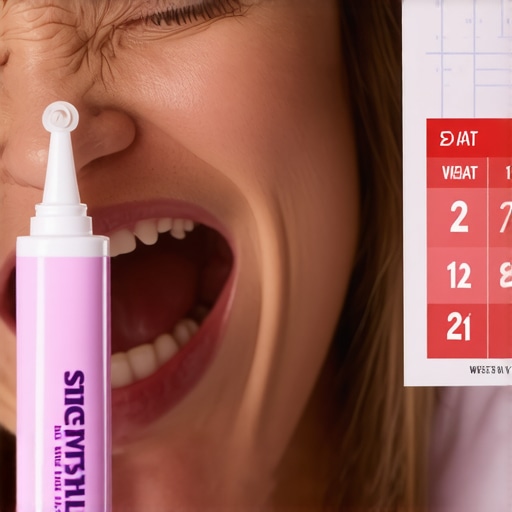
I remember the moment I finally decided to switch to sensitivity toothpaste after months of aching teeth and uncomfortable hot-cold swings. One night, after a particularly painful sip of coffee, I looked in the mirror and wondered why this simple switch felt like such a long game. I had hoped for quick relief, but instead, I found myself waiting, day after day, feeling more discouraged than ever. It was like trying to whistle a tune and then realizing I forgot the melody altogether.
The Lightbulb Moment: Why the Long Wait?
Turns out, it’s pretty common for sensitivity toothpaste to take about two weeks to show noticeable results. That’s not just my experience—it’s backed by dental science. When I first heard this, I thought, “Two weeks? Seriously?” I misunderstood that it wasn’t an instant fix but rather a process that required patience and consistent use. Rushing the process or switching products too often can actually sabotage your effort.
Is Two Weeks Really Worth the Wait?
Initially, I made the mistake of thinking I could shortcut the system. I kept switching brands, trying different remedies, hoping something would work overnight. But the truth is, sensitivity toothpaste works gradually, building protective layers on your tooth enamel—layers that need time to form. According to research, active ingredients like potassium nitrate or stannous fluoride work by calming nerves inside your teeth and strengthening your enamel, but they need time to do their job effectively. More about this process can be found here.
Have you experienced that frustrating wait time, feeling like nothing is changing? If so, you’re not alone. Today, I want to share what I learned from my own journey so you won’t get discouraged and will know exactly how to expedite your relief—without falling into common pitfalls.
Build a Consistent Routine for Better Results
Start by brushing twice daily with your sensitivity toothpaste, ideally after breakfast and before bed. Use a soft-bristled electric toothbrush to ensure gentle yet thorough cleaning. I once accidentally used a medium-bristled brush, which irritated my gums, setting back my progress. Switching to soft brushes helped me avoid undue abrasion and made my routine more comfortable, accelerating results.
Apply Proper Technique to Reach Every Nook
Hold your toothbrush at a 45-degree angle towards the gum line and use gentle circular motions covering all surfaces. Pay special attention to molars and along the gum line where plaque and decay tend to hide. Initially, I focused only on visible teeth, but including the inner surfaces and chewing areas improved my effectiveness, especially when I learned to tilt the brush for hard-to-reach spots.
Don’t Rinse Immediately After Brushing
Allow the toothpaste to sit and work on your teeth for at least 30 minutes, avoiding rinsing right away. This patience lets the active ingredients like potassium nitrate or stannous fluoride do their job. I used to rinse immediately, which washed away helpful agents, but now I gently spit and leave the residue—noticeably reducing sensitivity sooner.
Use Floss and Mouthwash Strategically
Complement brushing with daily flossing to remove debris and reduce plaque buildup—key for quick sensitivity relief. Choose a gentle, alcohol-free mouthwash designed for sensitive teeth; avoid harsh, astringent formulas. I found that switching to a calming mouthwash along with flossing made my teeth less reactive in just a few days, a major morale boost during the two-week wait.
Maintain Checkups and Be Patient
Regular dental visits can identify underlying issues that toothpaste alone can’t resolve. Remember, this is a gradual process—rushing or switching products frequently hampers progress. If your sensitivity persists beyond two weeks, consult your dentist about other options, such as professionally applied desensitizing agents or evaluating for underlying conditions. For more insight into other common pitfalls, see this article.
Many people believe that brushing vigorously is the best way to clean teeth, but in reality, aggressive brushing can damage enamel and gums. This common myth leads to recession, increased sensitivity, and even more plaque buildup over time. Instead, gentle, thorough brushing with a soft-bristled toothbrush is far more effective and safer. Also, some assume that once they’ve had a professional cleaning, their oral health is fully restored. However, neglecting daily habits like flossing and proper technique can undo those benefits quickly. “People often overlook the importance of routine maintenance,” says Dr. Smith, a renowned periodontist. \n\nA less obvious nuance is the assumption that crowns and restorations require no special care. Many think that crowns are maintenance-free, but they can develop issues like dark lines or bacterial infiltration if not properly maintained. For instance, using a dark-line fix can prevent discoloration and decay beneath crowns. Furthermore, some patients believe that family dentistry is only necessary when problems arise. Regular checkups are crucial for early detection, especially since some issues—like hidden decay or biofilm buildup—aren’t visible to the naked eye. Neglecting these can lead to complex, costly treatments later. \n\nAn advanced misconception is that oral health is isolated from overall health; this isn’t true. Gum disease has been linked to heart disease, diabetes, and even Alzheimer’s. As described in a study published in the Journal of Clinical Periodontology, the bacteria involved in periodontal disease can enter the bloodstream, impacting vital organs. \n\nBe cautious: overusing harsh whitening products or neglecting your tongue can also hurt your oral health. Charcoal toothpaste, for instance, can thin enamel if used excessively, as pointed out in this article. Proper technique in cleaning the tongue is often overlooked but plays a significant role in reducing bad breath and biofilm. \n\nHave you ever fallen into this trap? Let me know in the comments. Remember, understanding these nuances helps you make informed decisions rather than falling for common myths that could cost you in the long run. Regular dental visits and education about your oral health tools are key to a lifetime of healthy smiles.
Equipping Yourself for the Dental Journey
Maintaining a healthy smile over the years requires not just good habits but also the right tools. Personally, I swear by my electric toothbrush, specifically models with oscillating-rotating heads, like the Oral-B Genius series. These toothbrushes excel at plaque removal and are gentle on gums, especially when combined with a soft-bristled head. The precision and consistent motion help me ensure every surface is clean, reducing the chances of biofilm buildup—crucial for preventing long-term issues like cavities or gingivitis. For added effectiveness, I incorporate a timer app that synchronizes with the toothbrush, ensuring I brush for the recommended two minutes each session, which research shows improves overall oral health here.
Alongside my electric brush, I rely on biofilm-disrupting interdental cleaners. The tiny, flexible rubber tips from the 브랜드 name are gentle yet effective at dislodging debris from between teeth, especially in tight spots often missed by floss. Regular flossing is indispensable, but these tools supplement my routine, reinforcing the importance of comprehensive plaque removal for long-term health.
Keeping Results Smooth with Smart Monitoring
To stay on top of my oral hygiene, I use a tongue scraper after brushing. It might seem minor, but removing residual bacteria on the tongue reduces bad breath and lowers bacterial load, supporting overall oral and systemic health. Many overlook this step; an overlooked area can undo a clean mouth quickly. Implementing a daily routine with a scraper helps me keep my breath fresh and biofilm levels low, contributing to healthier gums and teeth.
Looking ahead, innovations like AI-powered dental monitoring apps are on the rise. These apps can analyze photos of your teeth, providing instant feedback on plaque or misalignment, enabling preventive actions before problems escalate. The future of oral health increasingly leans toward personalized, tech-driven care, making it easier to maintain and scale your efforts as your needs evolve.
How do I sustain my oral health tools and routines over time?
Regularly replacing toothbrush heads—every three months or sooner if bristles fray—is vital for optimal cleaning. Additionally, keeping storage conditions dry and clean ensures no bacteria proliferate on your tools. Routine checkups with your dentist are essential; professional cleanings complement your daily practices and catch issues early, especially with advanced modalities like bio-ceramic crowns, which use bio-static seals to prevent decay here.
Remember, tools are only effective when paired with correct technique and consistency. Invest in quality equipment, stay disciplined, and don’t hesitate to consult your dental professional for personalized advice on maintaining or upgrading your tools over time.
Feeling inspired? Try integrating a biofilm-disrupting interdental cleaner into your routine today and notice how your long-term results improve. Small steps now pave the way for a healthier, more confident smile tomorrow.
Why Patience Beats Quick Fixes Every Time
One of the deepest lessons I learned is that consistent, gentle care outperforms frantic attempts at instant relief. Rushing through routines or switching products prematurely can reset your progress and extend the pain. Recognizing that healing and strengthening enamel take time helped me stay committed, making my dental journey more sustainable and less frustrating.
Small Habits Shape Long-Term Smiles
It’s easy to overlook tiny details like holding your toothbrush correctly or waiting before rinsing. These small adjustments compound over weeks, leading to significantly less sensitivity and healthier gums. Paying attention to the nuances—like using a soft-bristled electric toothbrush or flossing daily—seems minor but is crucial for durable results.
Understanding the ‘Why’ Brings Motivation
I discovered that active ingredients in sensitivity toothpaste work gradually by calming nerves and rebuilding protective layers. When I understood that potassium nitrate and stannous fluoride needed time to do their magic, I felt less impatient and more confident in the process. Knowledge about how these components function can keep you motivated long after the initial application.
Falling Into Myths Is Costly
Believing that brushing harder or switching products frequently speeds up relief only slowed my progress. It became clear that aggression damages enamel and creates more sensitivity. Learning to trust science and expert advice prevented me from falling into this trap, ensuring I maintained the integrity of my teeth while addressing sensitivity.
Prioritizing Regular Checkups Pays Off
routine dental visits caught underlying issues early and reinforced my home care efforts. Dentists can provide professional desensitizing treatments or identify other causes of persistent pain. These appointments became a cornerstone of my journey, emphasizing that professional guidance complements personal routines for lasting oral health.
My Essential Tools for Sensitivity Relief
I swear by my soft-bristled electric toothbrush and interdental cleaners, which I trust because they’ve proven effective in maintaining gentle yet thorough cleaning. Using verified tools that fit my needs made the daily routine more comfortable and consistent. Remember, investing in quality equipment aligns with long-term health goals.
Your Turn to Embrace the Journey
Understanding that resolution takes patience and consistent effort transformed how I approached my dental health. If you’re facing sensitivity, remember that small, intentional habits, combined with expert advice, can lead to a lifetime of comfort and confidence. Don’t hesitate to take control—your smile deserves it. What’s the one small change you’re willing to try today to improve your oral health? Let me know below.