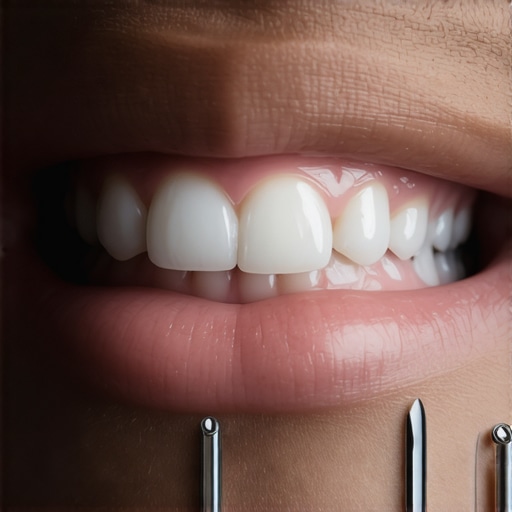
It was a morning like any other when I caught a glimpse of my reflection and suddenly realized—my teeth felt different. Not just the usual sticky, fuzzy sensation at day’s end, but a dull ache and a strange sensitivity I couldn’t shake. That’s when it hit me: despite brushing religiously, I was still falling victim to cavities. And I wasn’t alone. Many people I meet are in the same boat, frustrated and confused.
Have you ever wondered why your efforts at oral hygiene don’t seem to match up with your experience at the dentist? You’re brushing twice a day, flossing, using mouthwash—yet cavities still appear, and sometimes even worsen. Believe me, I’ve been there, and I know how disheartening it can be.
Today, I want to share what I’ve learned over years of dealing with this common dilemma. We often focus on brushing technique and frequency, but there’s a hidden side to dental health that many overlook—something that could be making cavities more likely despite our best intentions.
Why Brushing Isn’t Always Enough
One of the biggest mistakes I made early on was thinking that good brushing alone would keep cavities at bay. I didn’t realize that the type of toothbrush, the materials used, and even my diet played critical roles. For instance, using a soft-bristled brush with improper technique can leave plaque behind in hard-to-reach spots, and that lingering biofilm is a breeding ground for decay. Regular cleaning by a professional can make a huge difference—more than any DIY hack, honestly. You can check out why a professional teeth cleaning is superior by visiting this article.
Moreover, certain habits and conditions can silently undermine your efforts. For example, frequent consumption of sugary foods or acidic drinks weakens enamel, creating tiny holes where cavities can form. Not to mention, some people might have underlying factors like saliva composition or enamel quality that make them more prone to decay, despite diligent brushing.
Are you aware of the habits or hidden factors that could be sabotaging your oral health? If you’re curious, reading about common pitfalls such as enamel erosion or improper cleaning techniques can be eye-opening.
Understanding these nuances will pave the way for more targeted and effective steps. Stay tuned, because next, I’ll be diving into practical strategies I personally tried and tested—so you can stop cavities before they start.
Choose the Right Toothbrush and Technique
Start with a soft-bristled toothbrush that can reach all corners of your mouth without damaging gum tissue. Hold the brush at a 45-degree angle against your gums and use gentle, circular motions—think of it as polishing a delicate surface rather than scrubbing a stubborn stain. I once tried to clean stubborn plaque with aggressive back-and-forth strokes, which caused gum irritation without removing the biofilm effectively. Instead, adopting a gentle, thorough approach yielded better plaque removal and reduced sensitivity.
Incorporate Effective Flossing and Interdental Cleaning
Floss daily, reaching just below the gum line where cavities often start. Use about 18 inches of floss, winding it around your fingers and gently sliding it between teeth, curving it around each tooth like a letter “C”. I struggled with flossing initially, but using a floss pick made it easier for my fingers and improved my technique. For tight spaces, consider interdental brushes or water flossers—they can clean areas toothbrushes miss and help disrupt plaque biofilms before they calcify into tartar.
Schedule Regular Professional Cleanings
Even with diligent home care, plaque and tartar can accumulate in hard-to-reach spots. A professional teeth cleaning is like a renovation—you remove the built-up layers that you can’t reach effectively alone. Visiting your dentist or hygienist at least twice a year ensures professional removal of biofilm and assessment of areas prone to decay. Think of it as maintaining a garden: your tools (toothbrush and floss) are essential, but expert pruning keeps it healthy and free from unseen weeds. Check out this article to understand why professional cleaning surpasses DIY methods.
Limit Sugary and Acidic Foods
Sugar and acids act as open invitations for bacteria that produce cavity-causing acids. Consuming them frequently creates a hostile environment for tooth enamel, akin to saltwater corroding metal. I began reducing my intake of soda and candies, replacing them with water or crunchy vegetables. Immediately after eating sweets, I rinsed my mouth with plain water or a neutral rinse like alkaline rinse to neutralize acids. This step greatly decreased my enamel erosion and tooth sensitivity over time.
Use Fluoride and Sealants Wisely
Fluoride helps remineralize early decay spots, acting like a patch that strengthens vulnerable areas. Incorporate fluoride toothpaste and mouth rinses into your routine, but avoid overuse which can sometimes cause fluorosis. Dental sealants are protective coatings applied to molars, sealing off deep pits where bacteria hide. I opted for sealants after a thorough consultation, which provided an extra barrier against cavities in hard-to-clean areas. For deeper info on preventing decay with modern techniques, visit this resource.
Be Mindful of Enamel Erosion and Restorations
If you have crowns or fillings, proper maintenance is critical. Avoid abrasive toothpastes that can wear down restorations and surrounding enamel. Regularly check for signs of wear or gaps where decay can develop. For example, I noticed some roughness around my crown margins; consulting my dentist led to a quick polish that prevented future issues. Also, consider innovations like peptide-infused bonding for durable, biocompatible restorations that support healthy teeth long-term.While most people believe that regular brushing and flossing are enough to maintain healthy teeth, the reality is far more nuanced. One common misconception is that aggressive brushing removes more plaque and prevents cavities better—**but in truth, over-brushing can damage enamel and gum tissue**, creating tiny cracks and increasing sensitivity. Experts warn that using a hard-bristled brush or applying excessive force isn’t just ineffective—it can accelerate wear and tear, making advanced issues like root exposure or gum recession more likely. For a deeper understanding on effective brushing technique, check out this article. A subtle but critical mistake many make is neglecting the importance of professional cleanings. **DIY hacks can’t substitute the thorough removal of tartar and biofilm** achieved by a trained hygienist. Skipping regular visits can allow calcified plaque to develop into tartar in hidden spots, gradually undermining the integrity of your teeth. Don’t fall into the trap of thinking home care alone suffices; instead, consider scheduling professional cleanings at least twice a year—more if you’re prone to periodontal issues. Many assume that all dental restorations like crowns are invulnerable, but this isn’t true. **Crowns can develop microgaps over time, trapping plaque** and leading to secondary decay beneath or around the restoration. The belief that crowns last forever leads some to ignore early warning signs of issues like sensitivity or looseness. Regular checkups can identify these problems early, saving you from costly repairs or replacements later. Have you ever fallen into this trap? Let me know in the comments. Additionally, some think that family dentistry is all about routine checkups, but **advanced nuances—such as the impact of diet, saliva composition, and enamel strength—are crucial to prevent cavities in children and adults alike**. For instance, certain foods can erode enamel faster than others, especially when combined with poor oral habits. To protect young teeth effectively, using age-appropriate sealants and fluoride treatments can serve as a barrier against decay. For more on preventing enamel erosion in families, visit this resource. In summary, understanding these advanced nuances—like the impact of brushing force, the necessity of professional cleanings, and the maintenance of restorations—can dramatically improve your oral health. Recognizing that superficial routines are insufficient pushes you toward more targeted, research-backed strategies. The key is to go beyond the basics and embrace a comprehensive approach that considers the subtle but impactful factors often overlooked in everyday dental care. Stay informed, stay proactive, and remember: true oral health is a blend of good habits and expert guidance.Maintaining healthy teeth and gums isn’t just about daily routines; it requires investing in the right tools and staying updated on the best practices. Over the years, I’ve refined my approach, selecting specific equipment and techniques that truly stand the test of time. One of my top choices is the **Water Flosser**, especially models like the Waterpik Ultra, which I’ve personally used daily. It effectively dislodges plaque from hard-to-reach areas, especially around crowns and braces, where traditional flossing might fall short. Additionally, I rely on **smart electric toothbrushes** equipped with pressure sensors and multiple cleaning modes. These features prevent me from brushing too hard, which is vital for avoiding enamel erosion and gum recession. I personally prefer brands like Oral-B Genius, as I can connect them to smartphone apps that track my brushing habits and provide personalized feedback, ensuring I maintain optimal technique. For long-term results, incorporating **biomimetic materials**, such as the latest **bio-ceramic crowns**, offers superior durability and compatibility with natural tissue. As dental technology advances, I predict a shift toward more **smart restorations** that communicate with your smartphone to monitor integrity and alert you to potential issues early. To stay proactive, I schedule professional cleanings at least twice a year, leveraging techniques like **bio-acoustic buffing** that effectively remove plaque without damaging enamel. Remember, investing in high-quality tools isn’t just a splurge; it’s a long-term strategy to prevent decay and extend the lifespan of your restorations. If you’re serious about keeping your oral health in top shape, I highly recommend trying a **water flosser** today—your gums will thank you. Curious about the latest innovations? Check out why professional cleanings surpass DIY hacks for more insights.
Lessons Hidden in My Dental Journey
One lightbulb moment was realizing that regular brushing isn’t a magic shield—it’s just one piece of a complex puzzle. I learned that enamel strength varies dramatically based on diet, hydration, and genetics, reminding me that personalized care surpasses generic routines. And perhaps most surprisingly, that professional cleanings are essential even when I think my home care is perfect—they’re the border patrols catching what’s invisible to me. Embracing these truths transformed my approach, making me more proactive and less reactive about my oral health.
My Go-To Tools for a Healthier Smile
Over the years, I’ve come to trust electric toothbrushes like the Oral-B Genius for their smart features that prevent over-brushing and target stubborn plaque areas. A Water Flosser, specifically models like Waterpik Ultra, has been revolutionary in cleaning interdental spaces, especially around crowns and braces. When it comes to supplements, I swear by fluoride rinses—using these wisely strengthens enamel without risking fluorosis. For reading up on the latest in dental innovation, I rely on comprehensive sources like this article about professional cleanings, which emphasize the importance of expert care.
Keep Your Smile Bright—You Deserve It
Remember, true dental health is within your reach when you combine the right tools, knowledge, and professional guidance. Start today by evaluating your habits and tools, making small changes that lead to big gains over time. Your future smile depends on the actions you take now—don’t wait until dental issues become painful or costly. What’s one new step you’re willing to try to improve your oral health? Share below—I’d love to hear your journey towards a healthier smile!
Comments
One response to “Why Some People Get More Cavities Than Others Despite Brushing”
Reading this post really resonated with me, especially the part about how even diligent brushing isn’t always enough to prevent cavities. I’ve noticed that despite following a strict oral hygiene routine, I still sometimes get sensitive spots or small cavities, which can be frustrating. What I found helpful is incorporating fluoride rinses and using a Water Flosser—these seem to reach spots that brushing alone can miss. I also started paying closer attention to my diet, cutting back on acidic drinks and sugary snacks, which definitely helps preserve my enamel.
It made me wonder, how many people underestimate the importance of professional cleanings? I used to skip them thinking my home routine was sufficient, but now I see those visits are crucial for catching issues early. Have you all found that regular professional visits made a noticeable difference in your dental health? It might be worth scheduling extra checkups if you’re experiencing persistent problems despite good habits.