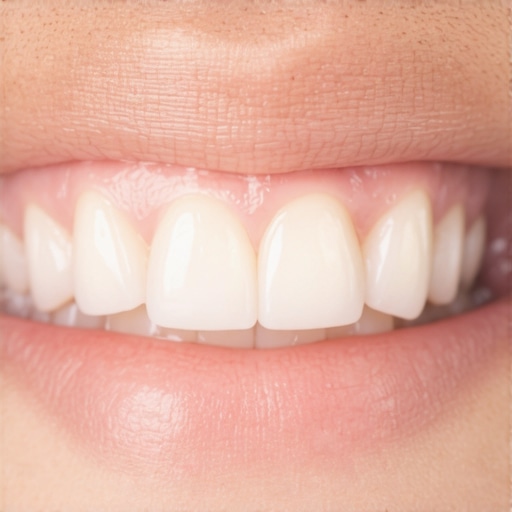
This morning, as I caught my reflection brushing my teeth, I noticed something unexpected—my smile was looking a little more tired than usual. No, I haven’t taken up smoking or indulged in endless cups of coffee. Yet, those teeth are gradually losing their pearly brightness. It hit me: many people are puzzled when their teeth yellow despite leading a lifestyle that shouldn’t cause staining. Have you ever experienced this? If so, you’re not alone.
The Hidden Reasons Behind Unexplained Tooth Discoloration
It can be downright frustrating. You brush regularly, avoid staining foods, and still, that dull hue persists. I used to think only smokers or coffee lovers faced this issue. But the truth is more nuanced. Several factors—like aging, poor oral hygiene, certain medications, or even genetics—play a role in teeth discoloration. Early on, I made the mistake of ignoring these underlying causes, focusing only on superficial whitening, which didn’t address the root problem. That’s why understanding the ‘why’ can make all the difference in choosing effective solutions.
Is Teeth Whitening Still Worth It Then?
This is a common skepticism I hear. Many wonder if at-home remedies or professional whitening treatments are merely superficial fixes. The good news is that when combined with proper dental care, whitening can be both safe and long-lasting. For example, I found that addressing underlying issues—like staying consistent with professional cleanings or managing sensitivity—made a noticeable difference. If you’re curious about how to truly restore your smile’s brightness, check out this article on crowns and smile makeovers.
In this post, I’ll walk you through practical steps and insights to help you uncover why your teeth yellow despite not smoking, and how to genuinely improve your oral appearance. After all, a confident smile can change how you face the world—so let’s get started.
,
Mastering Daily Oral Hygiene Habits to Combat Staining
Consistency in brushing and flossing is your frontline defense. Use a soft-bristled toothbrush and replace it every three months. Incorporate fluoride toothpaste designed for stain removal, which helps strengthen enamel and prevent surface discoloration. I personally recall switching to a whitening toothpaste and noticing gradual improvements, even when my teeth seemed stubbornly dull. Regular brushing removes plaque and superficial stains, revealing a brighter smile over time.
Perfect Your Technique for Effective Cleaning
How to Brush Properly
Hold your toothbrush at a 45-degree angle toward the gumline and use gentle circular motions. Avoid aggressive scrubbing, which can wear down enamel and damage gums. During one messy morning, I realized my quick, forceful brushing was causing gum irritation and little whiteness; adjusting my technique made a noticeable difference.
Floss with Purpose
Floss daily to remove plaque between teeth, preventing staining from trapped debris. Use a gentle sawing motion to avoid gum injury. I once skipped flossing for a few days, and my teeth looked duller; resuming proper flossing restored their natural shine.
Addressing Deep Stains Through Professional Care
If surface cleaning isn’t enough, scheduling a professional teeth cleaning is essential. A dental hygienist uses ultrasonic scalers and polishing agents that effectively remove tartar and intrinsic stains. I remember a session where, after a deep cleaning, my teeth looked visibly whiter and felt smoother—like a reset for my smile. Regular cleanings also prevent plaque buildup that can lead to internal discoloration.
Consider Restorative Options When Necessary
Sometimes, intrinsic stains require advanced solutions. Dental crowns are an excellent option to restore teeth affected by internal discoloration or damage. They encase the entire tooth, masking deep stains and improving appearance dramatically. I explored this when my molar’s discoloration persisted despite whitening, and the transformation was impressive. Learn how crowns can restore confidence.
Boost Oral Health to Prevent Future Stains
Healthy teeth are less prone to discoloration. Maintain a diet low in stain-causing foods like coffee, red wine, and berries. Rinse your mouth after consuming them, and consider using a straw for acidic or staining beverages. Incorporate mouthwash with antibacterial properties to reduce plaque, which can obscure natural tooth shade. I found that a consistent oral health routine significantly reduces staining over time.
Leverage Lifestyle Adjustments
If smoking or certain medications contribute to discoloration, consult with your dentist. Sometimes, switching to non-staining alternatives or adjusting medications under medical supervision can make a huge difference. For example, I learned that some antihistamines can cause dry mouth, increasing stain susceptibility, prompting me to explore saliva-stimulating products.
Advanced Cosmetic Procedures for Lasting Results
For stubborn stains, whitening treatments administered by professionals can provide rapid, effective results. Laser whitening or chairside bleaching can lighten teeth by several shades in one session. Remember that these procedures are most effective when combined with good oral hygiene and lifestyle habits. Always verify that treatments are performed in a reputable clinic—missteps can cause sensitivity or uneven coloration.
Keep Your Smile Bright: Maintenance Is Crucial
Post-treatment care prolongs your results. Use touch-up whitening kits as recommended and avoid staining foods temporarily. Regular checkups with your dentist can catch early signs of discoloration or other concerns. I personally schedule biannual visits and have found that this proactive approach extends the longevity of my bright smile, keeping me confident daily.
Many assume that visiting the dentist regularly and brushing twice a day are enough to maintain optimal oral health. However, this oversimplification misses critical nuances that can impact long-term results. For instance, a common myth is that all dental crowns are alike, leading some to choose cheaper options that may compromise durability and aesthetics(seehow crowns can boost confidence). In reality, the type of crown material and the technique used can significantly influence lifespan and appearance.
People often overlook the importance of proper home care for crowns and dental work(reviewtips for caring for crowns). Many mistakenly believe that once a crown is placed, ongoing maintenance is unnecessary. On the contrary, neglecting these details can lead to premature failure, sensitivity, or gum issues.
A key misconception about teeth cleaning(learneffective home cleaning) is that it removes all plaque and stains permanently. While professional cleanings are essential(seehow regular cleaning benefits overall health), daily brushing and flossing are preventive practices that need to be consistent and properly executed. Missing this nuance can lead to false confidence and overlooked decay.
Advanced practitioners know that what many consider a routine procedure can actually be a missed opportunity for early diagnosis. For example, subtle gum recession or early decay signs are often missed during standard exams(exploregums receding despite good brushing). Moreover, understanding the importance of maintaining a balanced oral microbiome(seemicrobiome and oral health) can be a game-changer in preventing periodontal disease.
One advanced mistake is assuming that plaque control only involves the visible buildup. In fact, tartar beneath the gumline is a silent threat that requires professional intervention(learntartar and its dangers). Ignoring this can lead to gum recession and even tooth loss over time.
Make no mistake: the journey to optimal oral health demands a nuanced understanding beyond brushing and flossing. Regular checkups, personalized care, and awareness of the long-term impact of your choices are vital(discoverwhy sensitivity can occur after cleaning). Have you ever fallen into this trap? Let me know in the comments.
equipment and techniques I trust for lasting dental health
Maintaining a bright, healthy smile over the years demands more than just good intentions; it requires reliable tools and a disciplined routine. As a dental enthusiast, I’ve tested a variety of equipment and methods to ensure my smile endures and remains dazzling. One of my go-to devices is the Oscillating Sonic Electric Toothbrush. I personally use the Bluetooth-enabled Sonicare because it provides superior plaque removal due to its high-frequency vibrations, making my daily routine more effective and less time-consuming. Additionally, I incorporate a Water Flosser, specifically the Oral-B Water Floss, which reaches deep between teeth and under crowns, ensuring that no debris or plaque hides away, particularly around dental restorations.
In terms of oral health monitoring, I recommend using a Digital Oral Scanner for at-home self-assessments. Although primarily used by professionals, recent advances have made simplistic models available to the public. These devices help track any changes in your dental structure over time, alerting you to early issues that might warrant professional attention. In the future, I predict that AI-powered home dental diagnostics will become mainstream, offering personalized recommendations and early detection (see: insights into digital tools for crowns and restorations).
How do I keep my tools effective over time?
Regular maintenance is essential. For your electric toothbrush, rinse it thoroughly after each use, replace brush heads every three months, and consider using a UV sanitizer to eliminate germs. Water flossers should be cleaned diligently with mild soap and dried properly to prevent bacterial buildup. Keeping your devices in excellent condition ensures maximum efficacy and longevity, saving you money and effort in the long run. As these tools evolve, they will likely integrate more sophisticated sensors and feedback systems, aligning with the trend toward smarter oral care.
The importance of strategic planning for long-term results
Establishing a routine is vital, but so is understanding when to scale your efforts. Initial phases might focus on mastering daily habits, but as your confidence grows, integrating professional checkups and advanced procedures becomes key. For example, incorporating regular crowns maintenance or scheduling deep cleanings every six months can dramatically extend the lifespan of restorations and prevent issues from escalating. Remember, preventive measures outweigh costly repairs later. The integration of these practices with cutting-edge tools provides a comprehensive approach to durable oral health.
What is the best way to ensure tools and routines stand the test of time?
Consistent education and adaptation are crucial. Stay updated with the latest advancements and attend routine checkups at your family dentistry provider. Use recommended products and apply expert advice, like post-cleaning care tips to preserve results. Explore new therapies or devices that emerge, and don’t hesitate to consult your dentist on upgrading your home regimen. As technology progresses, I believe that personalized, app-guided oral health management will become the norm, helping individuals maintain their smiles effortlessly over decades.
For those ready to elevate your maintenance game, I highly recommend trying out a smart toothbrush with AI coaching. It will give you real-time feedback, making your routine more effective and personalized. Remember, the most successful long-term dental health strategies involve combining reliable tools with consistent care and professional oversight.
Why I Stopped Overthinking My Routine and Started Seeing Real Results
Initially, I believed that brushing twice a day and avoiding sweets were enough for healthy teeth. But after years of inconsistent results, I realized that understanding the nuances—like proper flossing technique and the importance of professional checkups—made all the difference. This lightbulb moment taught me that small, intentional improvements create lasting change in oral health.
The Hidden Power of Personalized Dental Strategies
Generic advice is easily available, but personalized care tailored to your unique oral landscape is crucial. From choosing the right crown material to customizing your daily routine, embracing individual needs has helped me sustain a brighter smile. It’s a reminder that what works for one person might not suit another, emphasizing the importance of expert guidance.
My Biggest Mistake and How I Corrected It
I once thought routine cleanings were enough, neglecting at-home maintenance. This oversight led to stubborn stains and early gum issues. Learning the significance of daily practices—like gentle brushing and flossing—transformed my outcomes. This experience underscored that consistency at every level is essential for long-term success in oral health.
Curated Collection of Tools That Changed My Dental Game
The oscillating sonic toothbrush, especially models with Bluetooth coaching, have revolutionized my brushing routine by providing real-time feedback. A water flosser with deep reach capabilities ensures no debris escapes, especially around crowns. I also rely on a digital oral scanner for regular self-assessment, which helps me catch minor issues early. Trust in these tools stems from genuine efficacy and feedback from dental professionals.
Emotional Push: Your Bright Future Starts Today
Remember, your journey toward a healthier, more radiant smile is entirely within your control. Small daily steps, combined with the right tools and knowledge, can lead to remarkable transformation. Don’t wait for problems to become urgent—start today, and watch your confidence blossom.
What’s the one change you’re willing to make to improve your oral health right now? Share your intention below—I’d love to hear about your next move!
,