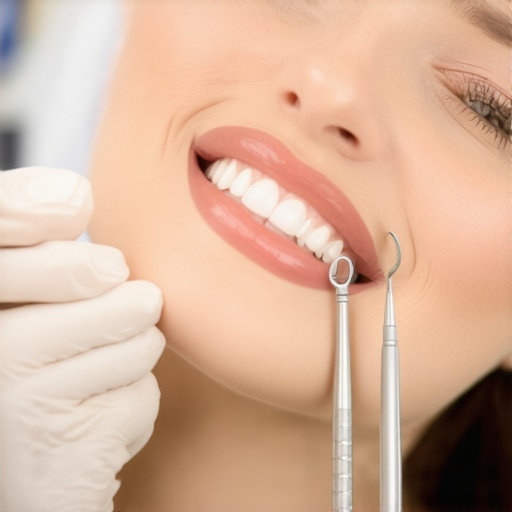
Ever looked in the mirror after a teeth cleaning and noticed something bothering you? Maybe a dull spot next to a shiny, new crown or an old filling that looks darker than the rest of your teeth? I remember the lightbulb moment when I first realized that my old fillings were not just a cosmetic issue but a potential obstacle to achieving a truly radiant smile. It was frustrating—like trying to polish a mirror with patches of dullness left behind. That experience sparked my journey to find the best ways to whiten teeth that have older restorations.
Why You Can’t Just Whiten Over Old Fillings and Crowns
Many people assume that whitening treatments will seamlessly brighten their entire smile. But if you have older fillings or crowns, especially those made from composite resin or other materials, the story gets complicated. These restorations often don’t respond to whitening agents in the same way natural teeth do. As a result, your teeth may whiten, but your fillings and crowns stick out like a sore thumb, ruining your overall look and making you wonder if whitening is even worth it.
Early in my own experience, I made the mistake of rushing into over-the-counter whitening products without understanding their limitations. I ended up with uneven coloring—my natural teeth brighter, my old fillings stubbornly dark. It was a wake-up call that not all whitening methods are created equal, especially when dealing with older dental work. To truly improve your smile, you need targeted strategies that address these restorations specifically.
Want to avoid that patchy appearance? Stay tuned. We’ll explore practical, realistic approaches to whitening your teeth while considering the durability and color of your existing old fillings and crowns.
Is Whitening Old Fillings Actually Worth the Hype?
Many skeptics worry that whitening treatments are a waste of time if they have old fillings. And honestly, I was one of them. I believed that bleaching would make my existing fillings look even duller or mismatched. This worry isn’t unfounded—without proper care, whitening can sometimes accentuate the mismatch rather than hide it.
From my own research and experience, I learned that the key to a successful whitening process involves understanding the type of restorations you have. For example, composite fillings can sometimes change color, but ceramic crowns are usually resistant to whitening agents. A critical mistake I made early on was assuming all dental work reacts the same, which led me down a path of disappointment.
If you’re considering whitening and you have old fillings, it’s essential to consult with your dentist to understand how your specific restorations will respond. They might suggest alternative treatments or plan for replacement of certain restorations to achieve an even smile. To get a clearer picture, I recommend reading more about the importance of regular [dental cleaning](https://periodontistcare.com/teeth-cleaning-secrets-effective-home-practices-for-family-dental-health) and scheduled professional evaluations.
Now that we’ve set the stage with the realities of whitening older dental work, let’s dive into the practical steps you can take—things I wish I knew earlier—to brighten your smile without causing damage or frustration.
Prepare Your Mouth for Successful Whitening
Start with a thorough professional cleaning to remove plaque and surface stains, which enhances the effectiveness of whitening treatments. Schedule a cleaning with a trusted dentist to ensure your teeth and restorations are in optimal condition. Regular cleanings can also prevent future staining and gum issues, contributing to a brighter smile overall. For optimal results, consider integrating a comprehensive oral health routine into your daily habits.
Targeted Cleaning Methods
Using an electric toothbrush can provide more consistent plaque removal and stain reduction compared to manual brushing. Incorporate interdental cleaners or floss to reach between teeth and around crowns, maintaining gum health and preventing discoloration. Remember, keeping your mouth clean helps your whitening efforts work more effectively and prolongs the life of your restorations.
Choose the Right Whitening Approach
Over-the-counter whitening products are often inadequate for teeth with restorations. Instead, consult your dentist about professional options like custom whitening trays combined with a bleaching gel. These trays allow targeted application, minimizing contact with restorations and reducing uneven results. When applying whitening agents, follow the dentist’s instructions meticulously to avoid damaging natural teeth or restorations.
Adjusting Expectations with Restorations
Understand that certain restorations, like ceramic crowns, are resistant to whitening agents. These materials do not change color, which can result in mismatched shades after whitening procedures. A practical step I took was discussing this possibility during a consultation, ensuring I was prepared for potential touch-ups or replacement of outdated fillings to match the new shade. This proactive approach prevents surprises and helps maintain a cohesive look.
Refine and Maintain Your Smile
After whitening, observe how your teeth and restorations respond. If discrepancies in color appear, consider consult your dentist about replacements or new restorations that match your refreshed smile. Using a whitening toothpaste can help maintain the brightness, but avoid products containing harsh abrasives that could damage surfaces. Regular appointments and diligent oral hygiene help sustain your results over time.
Incorporate daily habits like brushing twice a day with a strong fluoride toothpaste, flossing, and rinsing with mouthwash. These actions strengthen your enamel and prevent future staining. Also, scheduling routine check-ups for crowns ensures longevity and highlights any necessary adjustments early on.
Additional Tips for a Consistent Smile
Limit staining foods and drinks like coffee, red wine, and dark berries, especially right after whitening. Use a straw to reduce contact with staining beverages, and rinse your mouth afterward. Consider also applying the proper care for crowns and restorations to keep their appearance optimal.
Remember, maintaining a beautiful smile is a continuous effort. Combining professional whitening with diligent at-home care and regular dental visits will give you the best chance at a luminous, harmonious smile that complements your natural teeth and existing restorations.
 While many believe that dental treatments and oral hygiene practices are straightforward, there’s more beneath the surface that often goes unnoticed. One widespread misconception is that replacing a single crown can fix all aesthetic concerns, but in reality, the interaction between different restorations and natural teeth requires a nuanced approach. Many folks overlook the importance of regular, comprehensive family dentistry visits, assuming brushing and flossing alone suffice; however, studies show that professional cleanings detect issues early, preventing costly repairs down the line (source). A less obvious trap is the belief that once a crown feels stable, it doesn’t require further maintenance, but neglecting routine check-ups can lead to unnoticed decay or wear that compromises longevity. Advanced issues like microleakage often go undetected by patients, yet they can cause significant damage over time if not addressed. Moreover, many assume that oral health improvements from home care are immediate, but some benefits take months to manifest, especially when correcting deep-seated problems. A crucial misconception is that oral health is isolated from overall wellness; research links periodontal health with systemic conditions like heart disease (source), emphasizing the need for a holistic perspective. Blindly following trends like heavily abrasive whitening products can damage enamel and restorations; always consult your dentist before attempting cosmetic procedures. The ‘oops’ factor here lies in neglecting the subtle signs of deterioration, such as slight gum recession or sensitivity, which often precede more serious issues. Advanced readers should consider how the material choices in crowns impact long-term outcomes; for instance, zirconia crowns are renowned for their durability and resistance to staining, but they also require specific maintenance protocols (source). In essence, an informed patient understands that dental care is a complex interplay of routine maintenance, material science, and systemic health. Don’t fall for simplified narratives that promise instant results; instead, focus on personalized, evidence-based strategies. Want to deepen your understanding? Explore our comprehensive guide on the role of crowns in modern smile makeovers. Have you ever fallen into this trap? Let me know in the comments.Proper maintenance of your dental work and oral health requires specific tools and disciplined routines. One of my go-to devices is an electric toothbrush with oscillating-rotating action, like the Sonicare DiamondClean. I find that its superior plaque removal and gentle gum massage help extend the life of crowns and fillings while keeping my natural teeth bright and healthy. Incorporating interdental brushes or high-quality dental floss, such as the Waterpik Water Flosser, allows me to reach around crowns and between teeth more effectively, preventing plaque buildup that can cause staining or decay. Regular use of these tools supports a comprehensive oral health routine, which, according to experts, is critical for long-term success source. Looking ahead, the trend toward smart toothbrushes with app connectivity will make adherence even easier, providing real-time feedback and personalized tips for better oral hygiene. To maximize your results, integrate these tools into your daily routine and schedule professional cleanings at least twice a year. For example, after a professional cleaning, I make it a point to replace my toothbrush every three months and to carefully clean my night guard with gentle, non-abrasive solutions, avoiding harsh chemicals that can degrade materials more. How do I maintain my dental tools and routine to ensure my investments in my smile last? The key is consistency and quality—using the right equipment paired with regular professional assessments like family dentistry visits helps detect issues early, saving time and money in the long run. Remember, a well-maintained smile not only boosts confidence but also contributes to overall health, as periodontal health has been linked to systemic conditions such as heart disease source. Try adopting a high-quality electric toothbrush with a timer feature today, and see how it transforms your daily oral care routine. Better tools make better habits—your future self will thank you.
Unearthing the Unexpected Wisdom from Personal Dental Journeys
One lightbulb moment I experienced was realizing that even the most routine dental procedures hold lessons about patience and attention to detail. For example, the importance of choosing the right materials for crowns became clear when I noticed how some composites discolor over time, reminding me that quality choices matter in every aspect of oral health. Additionally, I learned that regular family dentistry visits aren’t just about fixing problems—they serve as a proactive shield against complex issues, saving time and money in the long run (source). Perhaps most surprisingly, I discovered that understanding the nuances of teeth cleaning techniques can dramatically influence the longevity of both natural teeth and restorations, emphasizing that diligent home care complements professional expertise rather than replacing it.
Strategic Tools and Resources That Changed My Approach
Adopting specialized tools like an high-quality electric toothbrush with timers—such as the Sonicare DiamondClean—made a significant difference by ensuring consistent, gentle cleaning around crowns and bridges. I also integrated interdental brushes from trusted brands like Waterpik, which allow for meticulous plaque removal in hard-to-reach areas, preventing future staining and decay (tips for crown maintenance). On a deeper level, I turned to comprehensive literature such as guides on modern crown techniques and trusted advice from dental professionals, which helped me understand material choices like zirconia that offer durability and resistance to staining—an investment in both health and aesthetics, offering peace of mind.
Embracing the Power to Transform Your Oral Health
Your journey toward a healthier, more confident smile starts with embracing knowledge and taking empowered action. Whether you’re considering replacing worn restorations or simply seeking to maintain your current smile, remember that informed decisions—rooted in expert advice and tailored to your unique needs—can make all the difference (learn more here). Don’t wait for problems to surface; be proactive, stay curious about your oral health, and invest in the tools and routines that support long-term success. Your best smile is within reach—take that first step today.