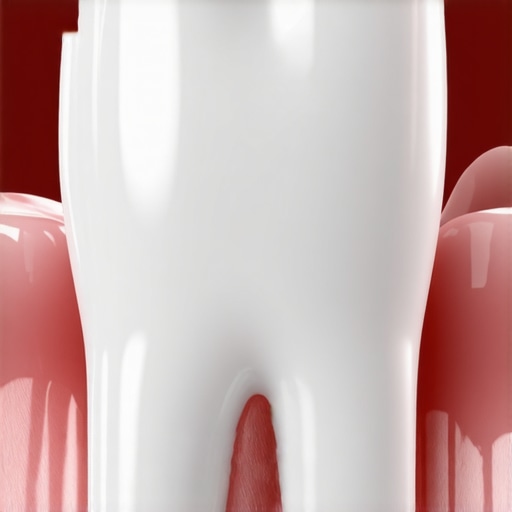
I remember the moment vividly—biting into a crisp apple during a family picnic, only to feel that uncomfortable wobble in my tooth. Panic set in. Turns out, I had neglected something crucial that could have preserved my dental crown for decades. Over the years, I’ve learned firsthand how small, often overlooked habits can make a huge difference in longevity. If you’ve ever wondered why some crowns last forever while others crumble in just a few years, you’re not alone. Today, I want to share the real secrets I’ve uncovered—things your dentist might not tell you—and how you can ensure your crown stays strong for twenty years or more.
Why Your Efforts Now Make All the Difference
When I first got my crown, I thought once it was in, I was set for life. Wrong. I soon realized that maintenance and habits are everything. Proper care is a partnership between you and your dentist, and small adjustments can dramatically extend your crown’s lifespan. According to recent studies, with the right routine, a dental crown can last upwards of 20 years—doubling the typical lifespan—if you treat it with the same care as your natural teeth. The key is understanding that your daily actions, from brushing to what foods you eat, play a critical role.
But let’s face it, life gets busy. We tend to overlook routine care, thinking, “It’s just a crown.” That mistake can be costly. I made that error early on, neglecting to follow the precise instructions for caring for my crown. Over time, I noticed wear, chips, and sensitivity. It was a wake-up call. I learned that proactive habits are what maintain the integrity of your crown and prevent costly replacements. For comprehensive guidance, check out [maintaining your dental crowns: dos and don’ts](https://periodontistcare.com/maintaining-your-dental-crowns-dos-and-donts-for-best-results).
You might be wondering, “Is all this effort really worth it?” Well, if you value your smile—that moment when you flash that confident grin—then yes, absolutely. Plus, a well-maintained crown doesn’t just look good; it contributes significantly to your overall oral health. Neglect can lead to decay around the crown’s margins, gum disease, and eventually, more invasive procedures.
Now, you might be skeptical. Can simple daily routines truly extend your crown’s life? I get it. I used to doubt that small actions could have such a big impact. But after years of personal experience and reading from reputable sources like the American Dental Association, I can confidently say that consistency matters. Regular care, combined with periodic professional checkups, forms the winning formula.
So, if you’ve faced worries about your crown’s durability or simply want to maximize its lifespan, you’re in the right place. Next, we’ll explore practical, proven steps to keep your crown healthy, shiny, and last for decades.
Master Your Daily Oral Hygiene Routine
Brush Effectively with the Right Techniques
Much like polishing a precious gemstone to keep it shining, thorough brushing is essential. Use a soft-bristled toothbrush at a 45-degree angle to gently clean around your crown’s margins, removing plaque without damaging the enamel. I once tried a quick, aggressive scrub before bed, which left my crown feeling rough and sensitive the next day. Now, I dedicate two minutes, focusing on all surfaces, paying particular attention to the gumline. Regular, gentle brushing prevents decay at the edges and maintains gum health, which is vital for crown longevity. For comprehensive guidance, visit oral health routines.
Floss Like a Pro
Think of flossing as cleaning between the cracks of a puzzle; neglect it, and debris accumulates, causing issues. Use a high-quality floss or interdental brush, curving it around the crown gently to remove trapped food particles and plaque. I once skipped flossing for a few days, leading to gum irritation and slight bleeding. Now, I floss every night, ensuring the area around my crown stays clear. Proper technique prevents decay and gum disease that can compromise your crown’s support system. Learn more at flossing tips for crowns.
Smart Food Choices
Avoid Hard and Sticky Foods
Imagine your crown as a delicate sculpture—certain foods can chip or loosen it. Biting into hard candies, ice, or nuts risks damaging the crown’s structure. Sticky foods like caramel or gum can pull on the crown’s margins, causing loosening over time. I recall crunching on a handful of nuts and feeling a small chip. Since then, I replace hard snacks with softer alternatives like yogurt or steamed vegetables, protecting my investment in my smile. For guidance on diet, see diet tips for dental health.
Stay Hydrated and Keep Your Mouth Clean
Use Mouthwash Thoughtfully
Mouthwash can be a double-edged sword; some contain alcohol that can dry out your mouth, harming your defenses. Select an alcohol-free, fluoride-based rinse to strengthen enamel and reduce bacteria. I used to avoid mouthwash altogether, fearing alcohol’s effects, but after switching to an alcohol-free version, I noticed fresher breath and less plaque buildup. Regular rinsing eradicates lingering bacteria, especially after meals, preventing decay around crowns. For tips, refer to mouthwash advice.
Schedule Regular Dental Checkups
Professional Cleanings and Monitoring
Think of your dentist as a mechanic for your teeth; routine checkups keep everything running smoothly. I schedule biannual visits, during which my dentist cleans areas I can’t reach at home and assesses the health of my crown and surrounding tissues. Early detection of issues like marginal decay or gum recession can save your crown from premature failure. Don’t wait for pain—regular visits are your best defense. Find more about this at regular dental care.
Use Appropriate Flossing Tools
To make flossing easier and more effective, consider using floss picks or water flossers. They can reach behind crowns more comfortably, ensuring thorough cleaning. I personally switched to a water flosser, which gently irrigates around my crown, dislodging debris without harsh scraping. This simple change reduced gum bleeding and improved overall oral comfort. For recommendations, see flossing methods for crowns.
Many people believe that brushing twice a day is sufficient for maintaining optimal oral health, but this oversimplification can be misleading. In reality, the longevity of dental crowns and overall oral wellness depends on understanding the subtle nuances that often go unnoticed. For instance, a common misconception is that aggressive brushing helps remove plaque better. However, applying too much pressure can damage enamel and recede gums, especially around crowns. Modern research emphasizes the importance of gentle, circular motions to effectively clean without harm, a technique supported by leading dental experts like the American Dental Association.
Another prevalent myth is that flossing is unnecessary if you brush thoroughly. While brushing targets the surfaces of teeth, interdental cleaning is crucial for removing debris and plaque from between teeth and under the gumline, areas where cavities and periodontal issues originate. Neglecting this can lead to hidden decay, especially around crowns where the margins are prone to plaque accumulation.
A key mistake many make is underestimating the impact of diet on crown longevity. Hard or sticky foods, like caramel or nuts, can fracture or loosen a crown if caution isn’t exercised. Many assume that crowns are impervious to such damage, but in truth, they share similar vulnerabilities with natural teeth. Eating softer, healthier foods reduces this risk and preserves the integrity of your dental work for years.
Thinking that regular professional cleanings are only for aesthetics is another misconception. Professional cleanings remove hardened plaque (tartar) that cannot be eliminated by standard brushing or flossing, especially around the margins of crowns. This ongoing maintenance prevents decay that sneaks in beneath or around the restoration and extends the lifespan of your dental work. Regular checkups also catch early signs of issues, avoiding costly and invasive procedures later, as detailed in this article on oral wellness.
Many believe that the only purpose of mouthwash is fresh breath, but its role in strengthening enamel and reducing bacteria is equally vital. Selecting an alcohol-free, fluoride-rich rinse can enhance crown protection and overall oral health, aligning with recommendations from dental professionals. Nevertheless, some are unaware that misuse or overuse of certain products can irritate tissues or dry out the mouth, increasing decay risk.
Could these hidden nuances be impacting your dental health? Remember, the vast majority of successful long-term dental care hinges on small, informed habits rather than drastic actions. Sharp attention to technique, diet, and routine checkups makes the difference between short-lived crowns and a lifetime of confident smiles. Have you ever fallen into this trap? Let me know in the comments!When it comes to maintaining your dental crowns and overall oral health, having the right tools can make all the difference. Personally, I rely on a combination of high-quality equipment and proven methods to ensure my smile stays healthy and functional for decades. One tool I swear by is the **Water Flosser** — specifically, the Waterpik Prime. It offers gentle yet effective interdental cleaning, especially around crowns and bridges. Its adjustable pressure settings allow me to target stubborn plaque without risking damage, which traditional flossing sometimes can’t achieve effectively. Regular use has significantly reduced gum irritation and cavities near my crowns, aligning with dental experts who emphasize the importance of water flossers in advanced oral hygiene routines.
Another essential is a **Sonic Electric Toothbrush** like the Oral-B iO Series. Its oscillating-rotating motion provides superior plaque removal compared to manual brushes, especially around crowns and difficult-to-reach areas. I ensure I replace the brush head every three months, as recommended by the ADA, to maintain optimal cleaning efficacy. The combination of sonic technology and fresh brush heads keeps my oral flora balanced and reduces staining, which is crucial for preserving the look and integrity of crowns.
For routine checks and adjustments, I use a **Dental Mirror with an LED Light**. This compact tool allows me to inspect hard-to-see areas regularly, catching early signs of wear or decay before they escalate. I inspect my crowns for any looseness or discomfort, ensuring I catch potential issues early. Remember, routine self-checks complement professional visits and help extend the crown’s lifespan.
Looking ahead, technology is evolving rapidly. I predict smarter, app-connected oral hygiene devices—like toothbrushes that sync with your smartphone to monitor your brushing patterns—will become standard. These innovations will empower us to optimize daily routines easily, making prevention more personalized and effective.
How do I maintain my tools over time? I clean and disinfect my toothbrush heads and water flosser nozzles weekly, following manufacturer instructions. Proper maintenance prevents bacterial buildup that could counteract my efforts. For comprehensive insights on tool maintenance, visit this guide on crown care.
To get started, I highly recommend trying a **Water Flosser**—it’s a game-changer in interdental cleaning, especially if you have crowns or bridges. It’s a small investment that pays off by preserving your dental work and enhancing overall health. Remember, consistent use paired with professional checkups will maximize your results and keep your smile shining for years to come.
The Hardest Lesson I Learned About Dental Care and Crowns
One of my most eye-opening realizations was how vital consistent, gentle oral hygiene is for preserving crowns—it’s a simple habit but has profound effects. I used to underestimate the importance of routine checkups, thinking my smile was good enough between visits. Then, I discovered that neglecting minor details like proper flossing technique and diet could shorten my crown’s lifespan significantly. That lightbulb moment pushed me to adopt more mindful practices, which have paid off with a smile that feels as strong as the day I got my crown. Don’t wait for problems to arise—learn from my experience and take proactive steps today.
My Toolkit for Protecting Your Smile from the Inside Out
The tools I trust most include a high-quality Water Flosser, like the Waterpik Prime, which effectively cleans around crowns and bridges with gentle power. I also swear by the Sonic Electric Toothbrush, such as the Oral-B iO Series, known for superior plaque removal without damaging delicate margins. Additionally, a compact Dental Mirror with LED helps me monitor hidden spots at home routinely. These proven tools, coupled with expert advice available at this resource, empower me to maintain my oral health confidently and extend the life of my crowns.
Keep That Smile Bright and Resilient
Your smile is your signature. Taking small, consistent actions—like gentle brushing, avoiding hard foods, and regular professional checkups—can substantially increase your crowns’ longevity. Remember, your daily habits shape the future of your oral health more than you might realize. Imagine feeling proud of your smile decade after decade, knowing you’ve done all you can to preserve it. Now is the time to act. How will you incorporate these habits into your routine today? Share your plans below, and let’s build healthier, happier smiles together!