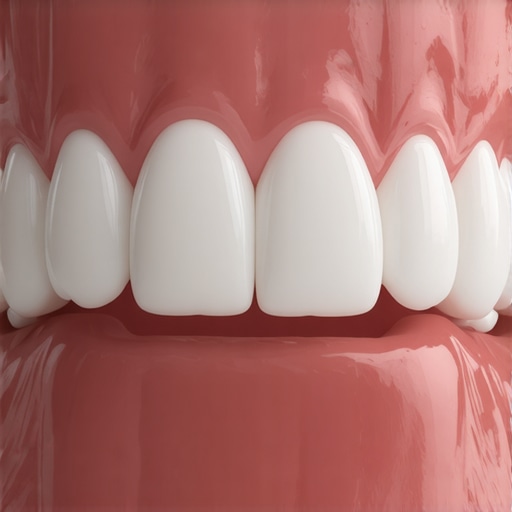
I still remember the moment I first ran my tongue over my new dental crown and felt an unexpected roughness. It caught me off guard, almost like I was suddenly aware of a foreign object hiding where my natural tooth used to be. That feeling—strange, unfamiliar—made me question everything I thought I knew about dental work. It was a lightbulb moment: I realized that my crown wasn’t just about aesthetics or function; it also profoundly impacts my daily comfort.
Understanding That Lingering, Unfamiliar Sensation
When I got my crown, I expected a smooth, seamless fit. Instead, I was met with a slightly different texture and a sense of unfamiliarity against my tongue. That initial discomfort can be disconcerting, leading many to wonder if something is wrong. The truth is, feeling like your crown is different is quite common, especially in the first few weeks. Your mouth is a sensitive, complex environment, and any change—no matter how minor—can provoke a noticeable reaction.
What really matters is understanding why this happens and how to tell if it’s just part of the healing process or a sign of something more serious. Allow me to guide you through my personal experience and share some insights that can help ease your worries. We’ll uncover what causes that peculiar sensation, why it might persist, and when it’s time to get professional advice.
And if you’re feeling unsure whether the discomfort is normal or if your crown is fitting properly, you’re not alone. Many of us have been there, thinking,
Assess Your Crown’s Fit and Comfort
Start by carefully examining whether the crown feels uneven or causes discomfort when you chew or speak. Use a mirror to look for visible gaps or rough edges. I vividly recall the moment I noticed a slight gap during my own first week with a new crown—recognizing this early helped me plan my next steps effectively.
Perform Gentle Self-Check
Gently run your tongue along the edges of the crown to identify rough spots or uneven surfaces. If there’s a noticeable bump or sharp edge, it could be a sign that the crown needs adjustment. Remember, your tongue is like a built-in sensor—use it to gather information about your crown’s surface.
Maintain Proper Oral Hygiene
Keeping your mouth clean prevents irritation and promotes healing. Use a soft-bristled toothbrush, and be cautious around the crown’s edges. Incorporate a gentle circular motion to clean thoroughly without disrupting the restoration. During my experience, I found that using interdental brushes helped reach the difficult-to-clean areas around my crown.
Additionally, consider using an antimicrobial rinse to reduce bacteria that could cause discomfort or inflammation. Check out effective practices at teeth cleaning tips for comprehensive guidance.
Adjust Your Diet and Habits
Avoid very hot, cold, or sticky foods that might aggravate sensitivity or cause the crown to feel uneven. Eating softer foods initially helps your mouth adapt smoothly. I remember sticking to smoothies and soups for the first few days, which minimized discomfort and allowed my gum tissue to heal around the crown.
Be Mindful of Chewing Patterns
Try to chew evenly on both sides of your mouth and avoid biting into hard objects like ice or nuts. If you notice that certain foods cause increased sensitivity or discomfort, note these as potential signs of minor mismatches needing professional attention.
Monitor and Record Symptoms
Keep a diary of sensations, discomfort levels, and any changes over time. This record will be invaluable when consulting your dentist. For example, I kept track of daily feelings and discovered that the roughness gradually diminished over two weeks, confirming it was part of the natural healing process. But if discomfort persists beyond that period, it’s time to seek expert advice.
Schedule a Professional Evaluation
If the roughness or discomfort does not improve within a few weeks, or if it worsens, contact your dentist promptly. A quick evaluation can determine if the crown requires adjustment, replacement, or if there’s an underlying issue. For specialized advice, many family dentists emphasize the importance of crowns maintenance for optimal longevity and comfort.
Consultation may involve polishing rough edges, recontouring the crown, or addressing bite issues. Remember, proactive steps prevent long-term complications, ensuring your smile remains functional and beautiful.
Many people assume that dental crowns are a simple fix—a quick, durable cover for damaged teeth. However, there’s a common misconception that all crowns are created equal, leading to overlooked nuances in their selection and long-term maintenance. As an expert in family dentistry, I’ve observed that some of these myths can undermine the longevity of your restorations and overall oral health. For instance, many believe that any porcelain crown will seamlessly blend with natural teeth, but the truth is that material choice and customization play critical roles in achieving natural aesthetics and function.
Another misconception revolves around the supposed permanence of crowns. While they are durable, improper care or neglecting routine checkups can result in premature failure. Regular professional assessments can detect issues like micro-leakage or marginal deterioration before they escalate, which is why understanding proper crowns maintenance is essential for longevity.
What Advanced Aspects Do Most Overlook in Crown Care and Family Dentistry?
One often ignored detail involves the importance of occlusion—the way teeth come together when you bite. Minor misalignments can exert uneven pressure on crowns, leading to cracks or wear over time. This nuance highlights how professional adjustments made during initial placement or follow-up visits are vital. Furthermore, some underestimate the impact of background factors such as acidic diets or bruxism (teeth grinding), which can accelerate crown deterioration if not managed proactively. Experts recommend a comprehensive oral health routine, including the use of night guards where necessary, to protect your investment in dental restorations.
It’s also worth noting that some patients fall into the trap of overusing whitening products, which can stain both natural teeth and crowns differently. As studies indicate, crowns are less receptive to bleaching agents, making it crucial to consult your dentist before attempting any whitening treatments. Are you aware that improper whitening can cause uneven coloration, especially on porcelain crowns? This highlights the importance of personalized care and understanding the nuances that go beyond the surface.
Through experience, I’ve seen that a deep understanding of these finer points can significantly improve your oral health outcomes. Investing time in learning how factors like material selection, occlusion, diet, and ongoing maintenance interact with crowns can save you from costly corrections down the line. So, next time you visit your dentist, ask about these advanced considerations—your smile will thank you. Have you ever fallen into this trap? Let me know in the comments.
Ensuring Your Crown Keeps Doing Its Job
Maintaining a dental crown isn’t a set-it-and-forget-it task; it requires deliberate strategies and the right tools to ensure durability and aesthetics over time. From professional equipment to advanced home care methods, understanding what works best can be game-changing.
Invest in a High-Quality Electric Toothbrush
My personal go-to is the Oral-B Genius X. Its oscillating-rotating motion provides superior plaque removal compared to manual brushing, which is critical around crowns where bacteria can accumulate if not cleaned thoroughly. The built-in pressure sensor also alerts me if I’m brushing too hard, reducing wear on both natural teeth and restorations. As research suggests, electric brushes with oscillating heads outperform manual efforts for long-term oral health.
Utilize Specialized Flossing Tools
Traditional floss often misses the marginal areas where plaque buildup causes issues. I prefer the G.U.M. Floss Threader combined with waxed floss, allowing me to glide beneath crowns and bridges effectively. For even better access, a water flosser like the Waterpik Ultra proves invaluable, especially for cleaning those hard-to-reach spaces. Regular use not only promotes gum health but also extends the lifespan of your crowns.
Incorporate Antimicrobial Rinses
Daily rinses with chlorhexidine or alcohol-free alternatives help control bacteria and prevent inflammation. I recommend the effective home practices for incorporating rinses into your routine. These rinses are especially beneficial if you notice slight gum sensitivity around your crown, ensuring that your tissue stays healthy.
Schedule Regular Professional Checkups
Routine evaluations by your dentist allow for early detection of any issues, such as marginal deterioration or cement washout. During these visits, professional cleaning combined with targeted polishing restores surface smoothness, reducing plaque retention. In my experience, biannual visits have kept my crowns in excellent shape for over a decade—well before problems start manifesting.
The Future of Crown Maintenance
Emerging technologies like AI-enabled diagnostic tools and 3D imaging are making assessments more precise. According to the latest advancements documented by clinical studies, these innovations lead to more durable restorations and personalized maintenance plans. Staying updated on these trends can significantly impact your long-term oral health.
If you want to maximize your crown’s lifespan, start with a comprehensive home routine that includes using an electric toothbrush and specialized flossing tools. Why not try incorporating a water flosser or advanced rinse today? Small changes can lead to lasting benefits, making your smile both healthier and more confident for years to come.
Lessons from My Journey with Crowns That Changed My Perspective
- One unexpected insight I gained was how crucial occlusion—the way my teeth come together—is often overlooked but essential for crown longevity and comfort. Addressing bite issues early can prevent future problems.
- I’ve learned that material choice impacts not just aesthetics but also the wear resistance and compatibility with whitening treatments. Understanding these nuances helped me make informed decisions about my dental care.
- Regular maintenance isn’t just about keeping teeth clean; it’s about staying ahead of micro-damage and marginal deterioration. Proactive checkups have saved me from more extensive, costly fixes later.
- Patience during the healing process is vital. Initially, the unfamiliar sensation of a new crown can be unsettling, but with proper care and time, comfort and confidence return.
- Investing in quality tools like electric toothbrushes and specialized flossing devices makes a tangible difference in preserving both natural teeth and restorations, prolonging their lifespan.
Tools and Reads That Transformed My Approach to Dental Care
- “Teeth Cleaning Secrets: Effective Home Practices for Family Dental Health” — I trust this resource for practical, science-backed tips to maintain oral health between visits.
- “Oral Health Routine: Strengthening Your Smile Every Day” — A comprehensive guide I follow to enhance daily habits and protect my crowns.
- My dentist recommended proper crown maintenance tips; implementing these has been pivotal for long-term success.
- Emerging tech like AI diagnostics and 3D imaging mentioned in recent studies help catch issues early, providing personalized care plans, a field I am excited to watch grow.
Your Smile’s Future Is in Your Hands
Remember, caring for your crowns and overall oral health is an ongoing journey. Small, consistent steps today can lead to a resilient, radiant smile tomorrow. Don’t hesitate to explore new tools or ask your dentist about advanced options—your future self will thank you.
What’s the one change you’re willing to try to improve your dental health? Share your thoughts below and start transforming your smile today!