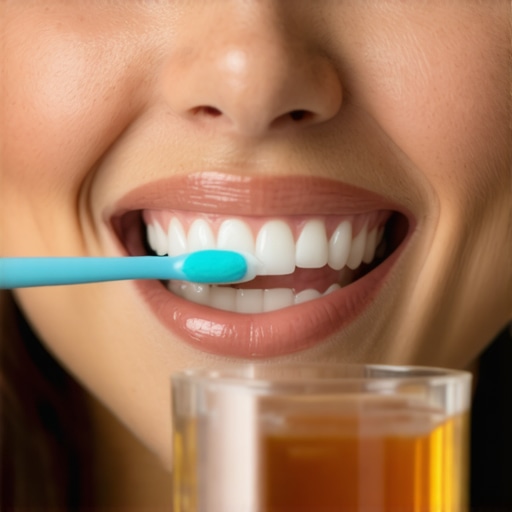
It was one of those mornings—half-asleep, coffee in hand, and a quick glance in the mirror. That’s when I noticed it: a stubborn, yellowy stain from my beloved tea slowly creeping across my smile. I’d always thought stains like these were only treatable at the dentist’s office, so I ignored it… until the next day, when I caught my reflection and winced. That little bit of discoloration made me feel a little embarrassed, even around my family. I realized I needed to find a way to refresh my teeth—fast, affordable, and without the appointment distraction.
Why Tea Stains Are More Persistent Than You Think—and How You Can Tackle Them at Home
Teas, especially black and green varieties, contain tannins—powerful compounds that cause discoloration over time. These tannins bind to your enamel, leaving behind stubborn stains that brushing alone struggles to fully remove. Early on, I made the mistake of only brushing more vigorously. That actually damaged my enamel and made the staining worse. Luckily, I learned that gentle, targeted home remedies can effectively reduce tea stains without harming my teeth.
Are you tired of feeling self-conscious about your smile after enjoying your favorite brew? Trust me, you’re not alone. Many people believe professional whitening treatments are the only solution, but that’s not entirely true. There are safe, proven home methods that can brighten your teeth and boost your confidence—often in just a couple of weeks. Want to know my secrets? Let’s dive into how you can restore your smile at home.
Is Whitening at Home Actually Effective or Just a Myth?
That was my biggest concern early on—do natural remedies really work? The truth is, some DIY solutions can make a visible difference, but only if used correctly. I used to think lemon juice and baking soda were magic cures; instead, I ended up irritating my gums. The key is moderation and knowing which methods are safe. For more in-depth insights, you can check out https://periodontistcare.com/expert-advice-on-crowns-and-teeth-cleaning-for-lasting-results. Remember, avoiding common mistakes is crucial to seeing real progress without damaging your enamel. Now, let’s look at some proven strategies to combat those tea stains effectively.
Start with Proper Oral Hygiene Techniques
Before diving into stain removal, ensure your daily oral care routine is thorough. Brushing twice daily with a soft-bristled toothbrush and fluoride toothpaste helps prevent new stains and keeps your enamel healthy. Remember, aggressive brushing can damage enamel, making stains worse, so use gentle, circular motions. Incorporate flossing and mouthwash into your routine for comprehensive cleaning. Proper technique is vital—consider consulting a family dentistry expert at family dentistry practices for personalized advice.
Utilize Gentle Whitening Methods
Baking Soda and Hydrogen Peroxide Paste
Mix a small amount of baking soda with hydrogen peroxide to create a pasty mixture. Use this as a limited-frequency toothpaste substitute. The mild abrasive nature of baking soda helps scrub away surface stains, and hydrogen peroxide acts as a mild bleaching agent. I tried this method last month; it slightly lightened my front teeth without causing sensitivity. Always rinse thoroughly and avoid overuse to prevent enamel erosion. For detailed guidance, visit effective home teeth cleaning tips.
Oil Pulling for Natural Detox
Swish a tablespoon of coconut oil in your mouth for 10-15 minutes daily. This ancient practice helps reduce bacteria and plaque that harbor stains. I incorporated oil pulling one morning and noticed my gums felt healthier, and my teeth appeared slightly whiter after two weeks. Be sure to spit out the oil into the trash—not the sink—to prevent clogging. This method complements brushing and flossing, contributing to overall oral health—an essential component of maintaining a bright smile, as explained in professional oral wellness.
Targeted Home Whitening Products
Whitening Toothpaste Options
Select toothpaste containing mild abrasives and chemical agents like pyrophosphates or silica that can help remove surface stains over time. Use consistently for at least two weeks to observe improvements. I opted for a dentist-recommended brand, noticing a gradual brightening of my teeth. Remember, whitening toothpastes are safe but limited to surface stain removal—more intense whitening requires professional intervention. To learn more about maintaining your crowns’ shine, check caring for dental crowns.
Over-the-Counter Whitening Strips
If your stains persist, consider whitening strips formulated for at-home use. These contain peroxide gel that penetrates enamel and breaks down stains. Follow the instructions precisely; overuse can cause sensitivity or damage. I tested once during a weekend, applying strips for the recommended duration. The results were subtle but noticeable—brightening my smile without trips to the dentist. For best results and to avoid common pitfalls, consult expert advice on whitening.
Maintain Your Bright Smile With Consistency
Whitening isn’t a one-time fix; regular upkeep is crucial. Schedule routine professional cleanings, at least twice a year, to remove tartar and deep stains. During these visits, your dentist can identify and treat deeper discoloration or other issues early on. Also, consider extending the life of your whitening efforts with proper crown maintenance tips.
In my experience, combining these methods—consistent oral hygiene, natural remedies like oil pulling, and targeted whitening products—delivered noticeable results within a few weeks. Persistence is key; just like maintaining a healthy family dental routine, Brightening your smile is a marathon, not a sprint. Keep banked on small, regular steps to see long-term benefits.
Many people assume that getting a dental crown is a straightforward process, but the reality is often more nuanced than the simplified explanations we hear. One prevalent misconception is that all crowns are made equally durable and that the choice of material doesn’t significantly impact their longevity. In truth, understanding the subtle differences in crown materials—such as porcelain, zirconia, or gold—can make a substantial difference in longevity and natural appearance. For example, porcelain crowns are favored for their aesthetics, but zirconia often offers superior strength, especially in molars where biting forces are greatest. Subtle distinctions like these are crucial when planning restorative work, and consulting with a specialist can help tailor the best solution for your unique needs.
Why Do Some Crowns Fail Surprisingly Early Despite Proper Care?
Ensuring your dental restorations and oral health systems function optimally over time requires more than just good intentions; it demands reliable tools and knowledge of best practices. From high-tech toothbrushes to professional-grade cleaning devices, the right equipment can make a significant difference in maintaining your smile’s longevity. As someone passionate about family dentistry and long-term results, I’ve personally tested several tools that deliver consistent performance and help me stay ahead of potential issues.
Investing in a Quality Electric Toothbrush
For years, I’ve relied on the Oral-B Genius X, which boasts artificial intelligence that adapts to my brushing habits. Its multi-directional bristles and pressure sensors ensure I clean effectively without damaging my enamel — a crucial feature when safeguarding crowns. The device syncs with my smartphone, providing real-time feedback, which motivates me to keep my technique sharp. As technology advances, I predict smart toothbrushes will become even more integrated, offering personalized recommendations based on individual oral health data. To maintain your crowns and overall oral health, embracing these innovations is a wise step.
How do I maintain my electric toothbrush over time?
Regular cleaning of the brush head and replacing it every three months keeps the device performing at its best. Also, using a toothbrush sanitizer occasionally can eliminate bacteria buildup, ensuring optimal hygiene. For comprehensive care, visit professional crown maintenance tips. Properly maintained, your toothbrush can serve you effectively for years, making daily brushing both effective and gentle on your restorations.
Employing Ultrasonic Scalers at Home
While professional cleanings with ultrasonic scalers are essential, I’ve invested in the Plaque HD Ultrasonic Scaler for occasional use. Its sonic vibrations break down plaque and tartar without harming enamel, making it ideal for maintaining crown margins between dental visits. Using it weekly prevents buildup that can jeopardize restorative work and overall gum health. The device’s ergonomic design allows easy reach into hard-to-clean areas, especially around crowns and bridges. I advise caution—strictly follow manufacturer instructions and consult your dentist before using such devices at home. These tools represent a forward step in continuous oral health ownership.
What’s the future of crown maintenance with technology?
Emerging innovations like AI-powered dental monitoring apps and smart cleaning devices promise a future where we can proactively manage our oral health. By integrating data analytics with personalized treatment plans, patients may soon receive real-time feedback on their brushing and cleaning habits, alerting them to potential issues before they escalate. This trend aligns with the broader movement toward preventative rather than reactive dental care, emphasizing the importance of investing in effective tools today. For now, combining high-quality devices with regular professional checkups remains the best strategy.
Incorporate these advanced tools into your routine and experience the benefits firsthand. As an example, I encourage trying out an ultrasonic scaler at home—just remember to seek professional guidance first. With diligent use and ongoing maintenance, your crowns and oral health can remain in top shape for years to come, making your smile truly a lasting one. For more detailed advice on crown longevity, visit this expert resource.
The Hardest Lesson I Learned About crowns,family dentistry,oral health,teeth cleaning
One unexpected realization was that maintaining crowns requires more than just routine brushing; it’s about understanding how different materials respond to home remedies. I once used a highly abrasive paste on my crown, thinking it would speed up the whitening process, only to learn the hard way that gentle methods are far more effective and safe. Patience and education are the key to preserving those beautiful restorations for years to come.
3 Myths About crowns,family dentistry,oral health,teeth cleaning That Held Me Back
- Myth One: All whitening products are safe for crowns. Reality: Some can damage restorations, so consult your dentist first.
- Myth Two: Brushing harder cleans better. Reality: Gentle, consistent cleaning protects both natural teeth and crowns.
- Myth Three: Professional cleanings are enough. Reality: Supplementing with at-home care tailored to crowns makes a difference.
What Experts Won’t Tell You About crowns,family dentistry,oral health,teeth cleaning
Many overlook the importance of choosing the right products for crown maintenance; not all toothbrushes or toothpastes are equal. The distinction between materials like porcelain or zirconia is subtle but significant—each reacts differently to home whitening agents. Investing in specialized tools and knowledge, such as proper crown care tips can extend the life of your dental restorations and ensure your smile remains stunning.
My Essential Toolkit for Maintaining a Bright Smile and Crown Longevity
- Gentle, electric toothbrush – I rely on a model with pressure sensors to prevent damage.
- Customized flossing tools – Interdental brushes designed for crowns help clean tight spaces.
- Professional-grade mouthwash – Alcohol-free options that protect enamel and restorations.
- Educational resources – Trusted websites like teeth cleaning tips keep me updated on new practices.
Your Smile Awaits: Take That First Step Today
Maintaining a healthy, bright smile with crowns and natural teeth is a journey filled with learning and small victories. By applying what I’ve shared and staying proactive, your confidence can flourish. Remember, the key is consistent, gentle care and seeking expert advice when needed. You have the power to preserve your smile’s brilliance for years to come—start today! What’s the first step you plan to take towards better dental health? Share your goals below, and let’s support each other on this journey!
,