Have you ever chomped down on your favorite crunchy apple or a hefty sandwich, only to be greeted by an unexpected click in your jaw? That sudden, sometimes uncomfortable sound can be unsettling—I’ve been there myself. At first, I brushed it off as a minor annoyance, but over time, I realized it was a sign my jaw wasn’t as happy as it seemed. That lightbulb moment made me wonder: what exactly is happening inside my mouth that causes that clicking, and more importantly, what can I do about it?
Understanding Why Your Jaw Clicks When You Take a Big Bite
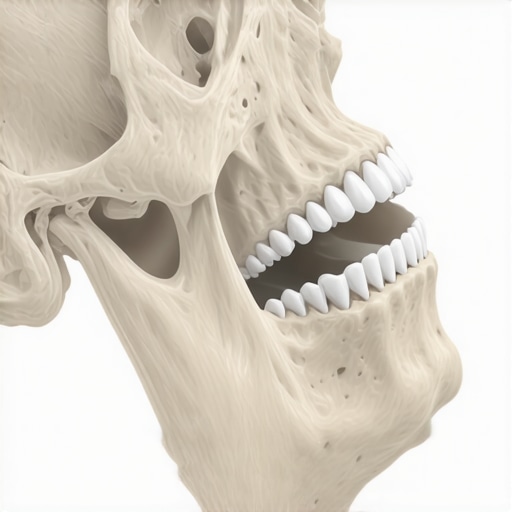
The truth is, a clicking jaw isn’t just an annoying noise—it often points to underlying issues with your temporomandibular joint (TMJ), the hinge connecting your jawbone to your skull. When this joint isn’t functioning smoothly, whether due to misalignment, muscle tension, or joint degeneration, it can produce that familiar clicking sound. According to the American Dental Association, TMJ disorders are quite common and can be caused by a combination of factors including stress, teeth grinding, or injuries.
Early on, I made a mistake many people do: I ignored the clicking and hoped it would resolve itself. Big mistake. Ignoring symptoms like this can sometimes lead to more persistent problems, including pain and difficulty chewing. Instead, understanding the root cause is essential. For some, the click is a temporary misalignment that can be corrected with simple lifestyle changes, while for others, it may require professional intervention, such as adjustments to dental appliances or even therapy.
So, how do you tell if your jaw clicking is a benign issue or something that needs attention? The answer lies in paying close attention to other symptoms like pain, swelling, or difficulty opening your mouth fully. If you experience any of these, it’s a good idea to consult with a dental professional who specializes in TMJ disorders. And if you’re curious about how daily oral health routines can impact your jaw’s health, I recommend checking out this resource for expert tips.
In the following sections, I’ll walk you through practical, proven steps to address a clicking jaw and restore comfort during your bites. Whether it’s simple exercises, lifestyle adjustments, or seeking professional help, taking action now can prevent minor issues from becoming chronic problems.
Apply Gentle Jaw Exercises Regularly
Start by incorporating simple jaw stretches to improve joint mobility. For example, open your mouth wide, then slowly move your lower jaw side to side. I remember trying this after noticing my jaw clicking more during stressful mornings; after two weeks of consistent practice, the clicking diminished significantly. Be cautious not to overextend or force the movement, as this could cause discomfort. Performing these exercises twice daily helps lubricate the joint and reduces tension.
Maintain a Stress-Free Routine
Stress often tightens jaw muscles, exacerbating clicking. I made a habit of practicing deep breathing exercises during work breaks, similar to abdominal breathing techniques. This relaxation method eased muscle tension around my TMJ. To deepen the effect, combine diaphragmatic breathing with progressive muscle relaxation sessions. The goal is to lower overall muscle tension, making joint movements smoother and less noisy.
Adjust Your Diet and Habits
Chewing tough, sticky foods can aggravate TMJ issues. I realized limiting gum and hard candies made a noticeable difference. Think of your jaw as a hinge; overuse can accelerate misalignment or joint wear. Also, avoid habits like teeth grinding and clenching, especially at night. Using a professionally fitted mouth guard, which a dentist can provide, acts like a bumper that absorbs excessive pressure. Regularly clean and inspect your appliance, inspired by [this article](https://periodontistcare.com/maintaining-your-dental-crowns-dos-and-donts-for-best-results) on appliance upkeep.
Optimize Your Posture and Body Alignment
Poor posture leads to tension that radiates into your jaw. Sit with your shoulders back and chin parallel to the ground. I students often ignore how neck and shoulder positioning impacts TMJ health. After adjusting my workstation to include ergonomic supports, I noticed less jaw tension when working long hours. Incorporate neck stretches and shoulder rolls to release built-up tension. Remember, these small changes prevent muscle overload that can contribute to clicking noises.
Limit Excessive Jaw Movements
Avoid overopening or wide yawning that strains the joint. I caught myself stretching my jaw too wide while yawning and experienced a brief increase in clicking afterward. Practice controlled yawning or yawning with a gentle mouth opening. Think of your jaw as a delicate hinge—you need to respect its limits to avoid misalignment. If you notice persistent clicking, it’s better to pause such movements and seek professional advice from [a specialist](https://periodontistcare.com/contact-us) to avoid exacerbating the issue.
Seek Professional Evaluation When Needed
If self-care measures don’t improve your symptoms after a few weeks, consult a dental professional. They may suggest treatments like physiotherapy, dental adjustments, or occlusal therapy. I once visited my dentist after trying these steps; a minor adjustment to my bite significantly reduced the clicking. Remember, early intervention prevents chronic discomfort and more invasive procedures later. Visiting a specialist ensures you’re on the right path towards a quieter, more comfortable jaw.
Challenging the Myth of Daily Brushing Sufficiency
Many believe that brushing twice a day is all you need for optimal oral health. However, this oversimplifies a complex process. According to research by the Journal of Clinical Dentistry, mechanical plaque removal and chemical mouth rinses must work together for maximum effect. Relying solely on brushing can leave behind plaque in hard-to-reach areas, especially around crowns and restorations. It’s a common misconception that brushing alone prevents gum disease and decay, but neglecting proper flossing and routine professional cleanings significantly increases risks.
Beware the Hidden Trap of Overcleaning
More isn’t always better. Aggressive brushing or overuse of abrasive toothpaste can erode enamel and damage gums, creating tiny receding pockets that accelerate sensitivity and promote bacterial growth. This mistake is often overlooked by many who think harsher cleaning equals better hygiene. A gentle, consistent routine paired with regular professional care—like deep cleanings—offers protection without harm. For tips on maintaining this balance, internal links on effective home practices are invaluable.
How can advanced dental restorations influence your cleaning routine?
For those with crowns or bridges, understanding the subtle differences in cleaning is crucial. Unlike natural teeth, restorations are more vulnerable to plaque buildup at margins, which can compromise their longevity. Regular use of interdental brushes and special flossing techniques adapted for crowns are necessary to prevent decay and staining. A misstep here could lead to the need for replacements or even root canals, making professional guidance essential. Consider reviewing tips for crown care to ensure your restorations last.
The Nuance of Family Dental Visits
Contrary to popular belief, family dentistry isn’t just about brushing and flossing; it encompasses monitoring growth patterns, fluoride applications, and early detection of issues. Skipping routine exams means missing the chance to catch problems like early caries or gum disease when they’re easier to treat. Moreover, children’s habits can be shaped by the dental experience, making these visits a pivotal point for establishing lifelong habits. When considering the broader scope of family dental health, referring to this resource offers a comprehensive view.
The Overlooked Impact of Oral Hygiene on Overall Wellness
Gum disease has been linked to systemic conditions such as heart disease, diabetes, and even dementia. Despite this, many overlook the importance of consistent oral hygiene beyond cavity prevention. Poor habits not only damage teeth but also fuel inflammation that can enter the bloodstream. The nuance lies in recognizing that everyday practices—like choosing a proper mouthwash or avoiding sugary snacks—shape your overall health. Experts like Dr. Weston Price emphasized the importance of oral health for systemic wellness, supporting the importance of comprehensive care.
Have you ever fallen into this trap? Let me know in the comments. Remember, understanding these hidden nuances can transform your approach, ensuring your smile stays healthy and radiant for years to come.
Maintaining your dental health and restorations like crowns requires more than regular brushing and flossing; it demands the right tools and techniques. Over the years, I’ve discovered specific equipment and methods that make a tangible difference in preserving your smile’s integrity and functionality. One game-changer for me has been investing in a high-quality water flosser, such as the Waterpik Ultra, which I use daily to clean around crowns and bridges effectively. Unlike traditional floss that sometimes misses tricky spots, this device blasts away plaque buildup at the margins, helping to prevent decay and ensuring my restorations last longer.
Why I Recommend an Electric Toothbrush
Switching from manual to electric toothbrushes, particularly models with sonic vibration, has revolutionized my routine. The oscillating movements break down plaque more efficiently and reach areas that manual brushes often miss. I personally prefer brands like Oral-B or Philips Sonicare because of their proven cleaning efficacy and gentle gum care settings. This investment not only keeps my natural teeth healthy but also protects the longevity of my crowns by reducing risks of staining or marginal decay.
Simple but Effective Cleaning Aids
In addition to everyday tools, I utilize interdental brushes designed specifically for crowns and implants. These small, slender brushes can access tight spaces between restorations and natural teeth, helping clear debris that could lead to tartar buildup. Regular use of such aids diminishes the chance of complications down the line and minimizes the need for costly interventions.
Embracing Routine Inspections and Professional Cleanings
Technological advances in dental equipment, such as CE-marked ultrasonic scalers, allow professionals to deep clean and remove tartar delicately yet thoroughly. Scheduling semi-annual cleanings ensures that even the most diligent at-home routines remain effective. When I visit my dentist, they utilize devices like the Air-Flow® stain removal system, which gently polishes my crowns and teeth, maintaining their shine and health. This proactive approach is key to long-term success.
Predicting the future, I believe that advancements like laser cleaning and digital monitoring will become standard, offering even more precision and minimal invasiveness. Staying updated with these innovations can enhance your maintenance routines significantly. For example, exploring tools like the latest crown care technologies could make a notable difference in preserving your restorations.
How do I keep my crowns and restorations functioning smoothly over time?
Consistent use of specialized tools, combined with professional evaluations, is the key. Don’t wait for problems to appear; adopt a comprehensive routine that incorporates high-quality electric brushes, water flossers, interdental aids, and regular dental visits. Trust me—these simple, targeted practices will extend the life of your dental work and keep your smile radiant. Try integrating a water flosser into your daily routine today, and notice the difference in how your crowns feel and look over time.
Lessons That Changed How I Care for My Smile
One of the most eye-opening lessons I gained was realizing that consistency truly beats perfection. Regular, gentle routines with tools like water flossers and electric toothbrushes can prevent many issues before they start. Additionally, I learned that small habits, such as maintaining proper posture and managing stress, have a surprisingly significant impact on jaw health and overall oral well-being. Recognizing the early signs of TMJ problems—like clicking or discomfort—and addressing them promptly made a world of difference in my journey toward a healthier smile.
Another insight was understanding that not all dental issues are visible or immediate. Regular professional evaluations can detect developing problems, like plaque buildup around crowns, that might seem insignificant at first but could lead to more serious complications if ignored. Embracing this proactive mindset transformed my oral hygiene from a routine chore into a vital wellness practice.
Lastly, I discovered that the right educational resources and trusted tools are essential. Learning from credible sources about crown care or the impact of diet on oral health empowered me to make better choices each day, extending the lifespan of my dental restorations and maintaining my confidence. These lessons emphasize that a holistic approach—combining daily habits, professional care, and continuous learning—is key to lasting oral health.
My Must-Have Tools to Elevate Your Dental Routine
Over the years, I’ve curated a collection of tools that genuinely make a difference. A high-quality water flosser, like the Waterpik Ultra, ensures thorough cleaning around crowns and bridges, reducing plaque buildup and preventing decay. Switching to an electric toothbrush with sonic vibration, such as those from Oral-B or Philips Sonicare, has significantly improved my plaque removal and gum health. For cleaning tight spaces, interdental brushes designed specifically for restorations have been invaluable, helping me maintain hygiene in hard-to-reach areas.
In addition, I trust resources like this guide on crown maintenance to stay informed about extending the life of my restorations. Regular professional cleanings using advanced equipment like ultrasonic scalers and stain removal systems keep my smile vibrant and healthy. Staying updated on innovations like laser cleaning or digital monitoring also ensures my routine remains effective and minimally invasive.
Investing in these tools and knowledge has transformed my approach from reactive to proactive. Whether it’s gentle daily routines or advanced treatments, I now see my oral health as a vital part of my overall wellness journey.
Your Path to a Confident, Healthy Smile Starts Today
Remember, every small step you take toward better oral hygiene and proactive care adds up. Embrace the knowledge, tools, and habits that resonate with you, and don’t hesitate to seek professional guidance when needed. A confident smile is within your reach—nurture it with intention and care. Dive deeper into your oral health journey by exploring trusted resources and customized routines; your future self will thank you.
What’s one habit you’re excited to start or improve upon to boost your dental health? Share below and let’s inspire each other toward healthier smiles!