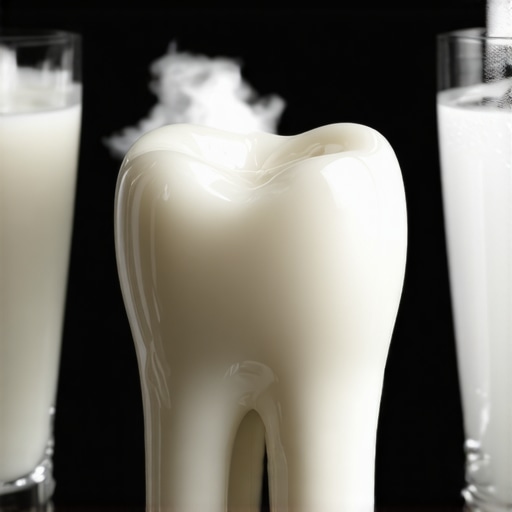
I remember the exact moment I learned the hard way about what not to do when a family member’s tooth was knocked out during a lively backyard soccer game. Panic set in, and in my rush, I grabbed the nearest thing—water—thinking I was helping. But that mistake could have cost us dearly. Turns out, there’s a simple, everyday item that can make all the difference in preserving a knocked-out tooth: milk.
Protect Your Smile: Why Milk Is Better Than Water for a Knocked-Out Tooth
When someone loses a tooth unexpectedly, our first instinct is to act fast. Time is critical because the chances of saving that tooth decrease rapidly as minutes pass. Usually, the advice is to keep the tooth moist—and here’s where the common misconception kicks in. Many folks think any liquid will do, and so water seems like the obvious choice. But recent findings suggest otherwise. Milk offers a unique benefit that water simply can’t match in this urgent moment.
Is It Really Worth the Hype to Save the Tooth with Milk?
Early in my journey with dental emergencies, I made the mistake of believing that rinsing the tooth in water would keep it alive until professional help was available. Unfortunately, water can actually harm the delicate cells on the root surface of the tooth, decreasing its chances of successful reattachment. Milk provides the ideal environment because it contains nutrients and a balanced pH that help preserve the vitality of the periodontal ligament cells—the key to keeping the tooth viable.
According to a study published by the Journal of the American Dental Association, milk’s composition helps maintain cell viability longer than water or saliva, giving the tooth a better shot at being saved. This insight changed how I handle emergencies and why I now advocate for keeping a small, sealed container of milk in your First Aid kit.
Have you ever faced an urgent dental injury where quick thinking made all the difference? If so, you know the importance of having reliable information at your fingertips. In the upcoming sections, I’ll guide you through practical steps and essential tips to handle knocked-out teeth effectively—armed with the right knowledge and supplies. It’s a small preparation that can transform panic into action, and potentially save a beautiful smile.
Act Fast and Gather Supplies
When a tooth is knocked out, time is your enemy. Immediately find a small container of milk—preferably low-fat or whole milk—and ensure it’s sealed and ready for use. If milk isn’t available, saline solution is a good alternative, but milk remains the best option due to its nutrients and pH balance. Think of it as creating a mini ‘hospital’ environment for the tooth, much like how a lifeboat keeps someone afloat in rough seas.
Handle the Tooth Carefully
With clean hands, pick up the tooth by the crown—the part you see when smiling—not the root. Avoid touching the root surface because any contamination can harm the cells needed for reattachment. Visualize the root as the foundation of a house; dirty or damaged foundation compromises the entire structure. Gently rinse the tooth if it’s dirty, but do not scrub or use soap.
Immerse the Tooth Properly
Place the tooth into the milk, ensuring it’s upright and completely submerged. The milk’s nutrients and balanced pH help maintain cell viability on the root surface, crucial for successful reattachment. This step is like placing a delicate plant in nutrient-rich soil to keep it alive until transplanting. Confirm that the tooth is stable but avoid wedging it in tightly, as gentle placement is key.
Micro-Story
One time, during a backyard soccer game, my nephew got his front tooth knocked out. We hurried to get milk from the fridge, rinsed his tooth gently, and placed it in a small glass of milk. We then rushed to the dentist within 30 minutes. The dentist was able to reattach the tooth successfully, preserving my nephew’s smile and confidence. Quick action with the right environment truly makes a difference.
Seek Professional Care Immediately
After securing the tooth in milk, contact your dentist or visit an emergency dental clinic without delay. The sooner professional care is provided, the higher the likelihood of saving the tooth. Remember, even the best home first aid can’t replace expert evaluation and treatment.
Many individuals assume they know everything about dental health, but the truth is that some common beliefs can hinder rather than help your oral wellness. For instance, a widespread misconception is that frequent teeth whitening treatments do no harm, but overuse can lead to enamel erosion, as highlighted by research from the American Dental Association. It’s essential to understand that not all whitening products are suitable for every smile, and consulting a dental professional for tailored advice ensures safety and efficacy.
What is the most overlooked factor that impacts long-term dental health?
One often-neglected aspect is the role of lifestyle habits like diet and stress management in maintaining oral health. Chronic stress can weaken your immune system, increasing susceptibility to gum disease, while diet high in processed sugars accelerates plaque buildup. Incorporating comprehensive routines, such as those discussed in oral health routines, can make a significant difference. A common trap many fall into is believing that brushing alone suffices; however, neglecting flossing and regular professional cleanings can leave hidden plaque reservoirs that promote decay. An advanced mistake is relying solely on electric toothbrushes without proper technique, which can still miss stubborn plaque if not used correctly. According to a study in the Journal of Clinical Dentistry, manual brushing with proper technique matches electric brushes in preventing plaque. This underscores that technique and consistency matter more than the tool itself. Furthermore, some believe that dental visits are unnecessary unless there’s pain—that’s a dangerous misconception. Regular check-ups catch problems early, saving you discomfort and costly procedures later. Conversely, ignoring early signs like bleeding gums or sensitivity often leads to advanced periodontal issues.
Understanding these nuances helps you optimize your oral health strategies. For example, considering crown alternatives can preserve teeth compromised by decay, and being aware of subtle signs of damage can prevent more significant issues down the line. Remember, the goal isn’t just to treat problems but to adopt a preventive mindset. Have you ever fallen into this trap? Let me know in the comments and share your experiences or questions about common dental myths.Maintaining your oral health requires more than just regular brushing and flossing; it involves using the right tools and techniques to ensure your crowns, teeth cleaning routines, and family dentistry efforts last over time. One essential practice is investing in high-quality dental instruments, such as an ergonomic electric toothbrush, which I personally use for its superior plaque removal and gentle gum care. Electric brushes with pressure sensors help prevent overbrushing, reducing gum recession, a common issue among patients focusing solely on manual techniques.
How do I maintain my dental tools over time?
Proper maintenance of your dental hygiene tools extends their lifespan and ensures effective cleaning. For example, replace brush heads every three months or sooner if the bristles fray—this simple step keeps brushing efficient and prevents bacterial buildup. Regularly disinfect your electric toothbrush in a vinegar solution or using the manufacturer’s disinfecting mode to eliminate residual plaque and germs. Storing tools in a dry, clean container prevents mold and bacterial growth, promoting long-term oral wellness.
In my practice, I recommend the use of an oral irrigator, like a Waterpik, for families who want to complement their brushing routines. These devices reach between teeth and below the gumline, areas often missed during regular flossing. Consistent use can reduce the risk of periodontal issues and prolong the life of crowns or restorations. Remember, even the best tools require regular inspection for damage—cracked or worn components can harm your gums or compromise cleaning efficiency. A quick visual check every month can prevent costly repairs or replacements.
Looking ahead, the trend toward smart dental devices that sync with smartphone apps is gaining momentum. These innovations will offer real-time feedback on brushing habits and pressure applied, making personalized oral care more accessible. Staying current with technology ensures your family maintains excellent oral health with minimal effort. As I emphasize in expert advice on crowns and teeth cleaning, combining proven methods with smart tools can enhance long-term results.
Are you curious about which advanced tools can optimize your oral hygiene routine? I encourage you to try a high-tech electric toothbrush with pressure sensors—it’s a game-changer for preventing overbrushing and gum recession. Regularly maintaining your tools, replacing parts promptly, and exploring new innovations will help you keep your dental work working for decades to come. For comprehensive guidance, check out this detailed article on best practices for crown care and longevity.
Lessons I Wish Dental Patients Knew Early On
One of the most profound lessons I learned is that prevention truly beats cure — consistently maintaining good oral health reduces the need for complex treatments later. I once believed that waiting until I had a problem was acceptable; now I realize that regular check-ups and routine cleanings significantly extend the lifespan of crowns and natural teeth alike.
Another insight came from understanding that not all dental tools are created equal. Investing in quality and properly maintaining your equipment, like high-grade electric toothbrushes, makes a noticeable difference in dental outcomes. I also discovered that personalized care plans, tailored by your family dentist, ensure better long-term results rather than generic advice.
Lastly, I recognized the importance of patient education. Empowering patients with knowledge about how crowns work, the significance of professional cleanings, and everyday habits fosters confidence. When you understand the ‘why’ behind recommendations, you’re more likely to follow through and maintain that bright, healthy smile.
My Go-To Resources for Dental Excellence
For trustworthy guidance, I rely heavily on expert advice on crowns and teeth cleaning, which offers comprehensive insights into preserving dental restorations. These articles are rooted in current research and practical tips that I personally find useful. Additionally, I recommend the oral health routine tips from trusted professionals; they motivate me to stick with daily habits that protect my family’s smiles.
Another resource I value is family dentistry content that emphasizes early care. It underscores the significance of establishing good habits from the youngest age, ensuring the durability of crowns and overall oral wellness through generations. Lastly, staying updated with technological advances via reputable sources helps me recommend the latest tools to patients for ongoing oral health success.
Take Charge: Your Dental Future Starts Today
Remember, mastering crowns, teeth cleaning, and family dentistry isn’t just about fixing problems—it’s about creating habits that last a lifetime. The more proactive you are, the better your chances of avoiding costly repairs and maintaining a confident, healthy smile for years to come. Embrace the habit of staying informed, practicing good daily routines, and consulting with your trusted dentist regularly. Your smile deserves this investment—think of it as nurturing a priceless asset.
What small change are you willing to make today to improve your family’s dental health? Drop your thoughts below — I’d love to hear about your journey towards a brighter, healthier smile!