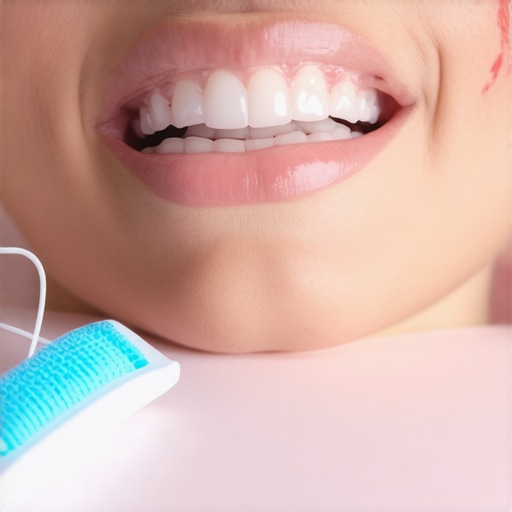
I remember the exact moment I realized my gums were bothering me after switching to a new dental floss. One evening, as I was flossing before bed, a sharp, almost burning sensation shot through my gums. It wasn’t just a little irritation—it was painful, persistent, and honestly, a little alarming. At first, I wondered if I had brushed too hard or if I was having an allergic reaction to something new. But then I remembered that I had recently tried a different brand of floss, one that promised to be gentler and more effective.
This lightbulb moment made me realize I wasn’t alone in this experience. Many people switch to new dental products with high hopes only to find themselves facing discomfort, especially sore gums. The question is: why does this happen, and more importantly, how can we prevent it from ruining our oral health routine?
Today, I want to share what I’ve learned from personal trial and error, as well as advice from dental professionals. We’ll uncover the reasons your gums might be reacting negatively to a new floss brand and explore practical solutions to soothe irritation while maintaining excellent oral hygiene.
Why Changing Your Floss Can Cause Gums to React
Some new flosses contain different ingredients or construction materials—like waxes, flavorings, or even certain preservatives—that your gums may not tolerate well. Even if the product claims to be gentle, your individual sensitivities can turn that promise into pain. Additionally, the texture of new floss—whether it’s thinner, thicker, or has a different type of thread—can cause irritation if it isn’t compatible with your gums or if you’re not used to it.
One common mistake I made early on was trying to force a floss that felt rough or uncomfortable, assuming that ‘more effort’ was better. Instead, I learned that using a gentle touch and finding the right floss for your gums makes all the difference. For instance, opting for floss that is designed for sensitive gums can make your daily routine a lot less painful.
If you’re experiencing soreness after switching floss brands, it’s worth inspecting the ingredients and construction. Sometimes, the irritation is due to an allergic reaction or a high level of abrasiveness. In such cases, choosing a product specifically formulated for sensitive gums can be a game-changer. You might also consider consulting a dental professional about your symptoms, especially if the soreness persists or worsens. For more insights into how different dental products can affect your gums, check out [this guide on caring for crowns and maintaining oral health](https://periodontistcare.com/caring-for-crowns-essential-tips-for-longevity-and-shine).
But before diving into more detailed solutions, let’s address a common concern everyone has—do I really need to switch my floss, or is this just a temporary reaction? Let’s explore that next.
Select the Right Floss for Sensitive Gums
During my own experience, I learned that not all flosses suit sensitive gums. To start, look for products explicitly labeled as suitable for sensitive gums or those with the American Dental Association (ADA) Seal of Acceptance. I once bought a brand promising to be ultra-gentle, but I realized it was too thick for my narrow spaces. Instead, I switched to a waxed, silk-like floss, which gently slid between my teeth without causing irritation.
Check Ingredients and Materials
Read the packaging for ingredients, avoiding those with artificial flavors, preservatives, or preservatives that might trigger sensitivities. Opt for floss made of nylon or PTFE (polytetrafluoroethylene), which tend to glide smoothly and are less abrasive. When I first tried a new floss, I gently pulled a small length, avoiding any force, and observed how it felt. If it caused initial discomfort, I switched to a softer, thinner option.
Master the Correct Flossing Technique
Using the right technique is vital—think of it like sanding a piece of wood gently rather than scraping aggressively. Hold the floss tightly and curve it around each tooth, rubbing gently beneath the gumline to remove plaque without aggravating sensitive tissue. I remember once trying to force it into a tight spot, which led to bleeding and soreness. Now, I use a gentle back-and-forth motion and avoid snapping the floss into my gums.
Stay Gentle and Consistent
Consistency is key. Flossing too aggressively, even with the right floss, can cause irritation—similar to how sanding too hard scratches the wood. I set a routine, flossing each evening with a light hand. Over time, my gums became less tender, and soreness diminished. Remember, treating your gums with care encourages healthier tissue and reduces inflammation.
Incorporate Flossing Into Your Daily Routine
Make flossing a non-negotiable part of your oral health routine, much like brushing your teeth. If you find the process challenging, especially with sensitive gums, try different types like PFTE floss picks or soft picks. I initially struggled with traditional floss but switched to a floss pick with a soft handle, which was more comfortable and effective. Incorporating this step prevents plaque buildup and prevents irritation caused by decayed food particles.
Seek Professional Advice for Persistent Discomfort
If soreness persists despite trying various flosses and techniques, consult your dentist or periodontist. They can recommend specific products or custom solutions suited to your gum health. I visited my dental professional after a week of discomfort and was advised to switch to a hypersensitive-friendly floss and refine my technique, leading to a noticeable improvement. For comprehensive advice on maintaining healthy gums, check out this guide.
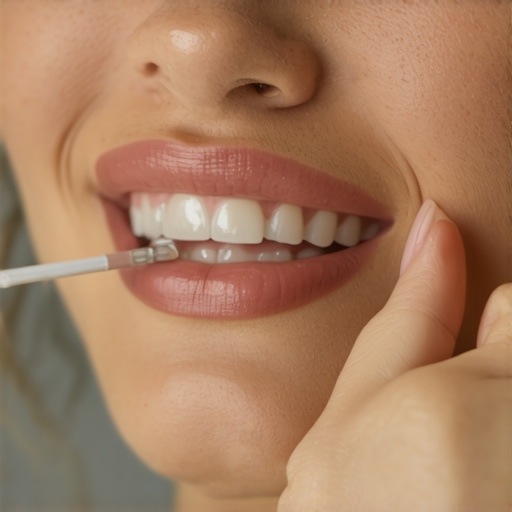 Many individuals believe that brushing twice daily and flossing once a day are sufficient for optimal oral health, but this misconception overlooks crucial nuances that can significantly impact your dental well-being. For example, not all toothbrushes are created equal—choosing a soft-bristled brush is crucial for preventing gum recession, yet many still opt for stiffer options thinking they’ll clean better. Moreover, over-brushing can cause enamel erosion and gum damage, highlighting the importance of gentle, correct brushing techniques.
Another common myth is that professional cleanings are unnecessary if you maintain good home hygiene. However, studies show that despite diligent brushing and flossing, plaque and tartar can accumulate in areas hard to reach, making regular professional cleanings essential for preventing periodontal disease. Don’t fall into the trap of thinking only visible stains matter; routine cleanings also remove calculus and bacteria lurking beneath the gums, which are invisible but hazardous.
On the topic of crowns, many assume they require no special care once placed, but neglecting proper maintenance can lead to premature failure. Proper brushing, flossing around crowns, and avoiding overly hard foods are vital. Regular check-ups are crucial to monitor for any signs of cement deterioration or underlying decay, especially since the margin where the crown meets the tooth can harbor bacteria if not cleaned properly.
Family dentistry is often underestimated in its role for lifelong oral health; it’s not just about treating teeth but establishing habits early. Children’s teeth are more susceptible to decay, and early education on proper techniques can prevent future issues. Additionally, many overlook the importance of customizing oral hygiene routines based on individual needs, such as saliva flow or existing restorations. Effective home practices, like using interdental brushes or water flossers, can make a noticeable difference—yet, many skip these details, risking more costly procedures later.
Beware of the misconception that whitening or cosmetic procedures compensate for poor hygiene. While they enhance appearance, they do not address underlying issues like plaque buildup or gum disease. In fact, enhancing the health of your gums with regular cleanings and careful daily habits prolongs aesthetic results and overall oral well-being.
***
Is Your Routine Missing Critical Details That Impact Your Oral Health?
Understanding the complexities surrounding teeth cleaning and restorations reveals that attention to detail matters more than most realize. For instance, a study published in the Journal of Clinical Periodontology emphasizes that meticulous plaque control combined with professional care significantly reduces periodontitis risk (if you’re curious, check out this research summary).
Would you like to know how to optimize your dental routine or ensure your crowns last longer? Remember, your oral health is a reflection of both professional care and conscious daily habits. Always discuss any concerns or irregularities with your dentist—early intervention is the best strategy to avoid costly repairs down the line.
Have you ever fallen into this trap? Let me know in the comments.Maintaining optimal oral health requires not just diligence but also the right tools and consistent practices. From selecting the appropriate floss to advanced cleaning devices, investing in quality equipment can make a significant difference. I personally swear by high-frequency sonic toothbrushes like the Sonicare DiamondClean, which use vibrations exceeding 30,000 strokes per minute to eliminate plaque more efficiently than manual brushes. Their timers and pressure sensors prevent over-brushing, reducing gum irritation and enamel wear. When combined with water flossers such as Waterpik Aquarius, which can access hard-to-reach areas and dislodge debris that string floss might miss, your daily routine becomes not just effective but also gentle for sensitive gums. For those with crowns or fixed restorations, interdental brushes with ultra-fine bristles, like TePe’s Supreme, are invaluable for cleaning around the margins—something that I’ve found crucial in extending the longevity of dental restorations. Regularly updating your tools—every three to six months—ensures optimal performance and hygiene. Looking ahead, the future of oral care is trending toward smart, AI-powered devices that can monitor your brushing and flossing habits in real-time, providing immediate feedback and personalized recommendations. To get the most out of your tools, I recommend integrating advanced techniques like ultrasonic cleaning with professional-grade equipment when visiting your dentist, which complements your daily efforts and maintains long-term results.
How do I maintain my tools to ensure lasting performance?
Proper maintenance of your dental devices is essential. Rinse sonic toothbrush heads thoroughly after each use, replace them every three months, and store them in a dry, ventilated area. Water flossers should be cleaned regularly—usually weekly—with vinegar or specialized cleaning tablets to prevent bacteria buildup. Additionally, keep your interdental brushes clean and replace them when frayed. Remember, even the best tools need proper care to function effectively over time. For comprehensive guidance on keeping your dental equipment in top shape, visit our contact page. Incorporating these tools correctly and maintaining them diligently will help you sustain a healthy, vibrant smile for years to come.
The Unseen Lessons That Changed My Gum Care Approach
One pivotal moment in my oral health journey was realizing that not all flosses are created equal—and that my personal sensitivities played a bigger role than I believed. I learned to listen more carefully to my gums’ responses, which taught me the importance of choosing gentle, quality products over the flashiest advertisements. Additionally, I discovered that mastering a delicate technique was far more effective and comfortable than forcing floss into tight spaces with aggression. Lastly, I uncovered that regular consultation with dental professionals can prevent discomfort from becoming a barrier to daily hygiene routines. These lessons have transformed how I approach sensitive gums and ongoing oral health maintenance.
My Go-To Resources for Healthy Smile Secrets
For those eager to delve deeper into oral health mastery, I trust the comprehensive guides at Effective Home Practices for Family Dental Health and Caring for Crowns for Longevity and Shine. These sources offer expert-backed advice that’s easy to implement and proven to make a difference. Additionally, staying updated with daily routine tips ensures your smile remains both vibrant and resilient, thanks to evidence-based techniques I’ve personally witnessed deliver consistent results.
Your Smile Journey Starts Today—Take Action with Confidence
Remember, caring for your gums and teeth isn’t a one-off task, but a lifelong commitment rooted in knowledge and gentle practice. Embrace the nuances, select tools tailored to your needs, and stay proactive by consulting your dentist regularly. Your future self will thank you for the effort you invest now. The key to a lasting, confident smile is within your reach—start today and watch your oral health flourish. What’s one habit you’re ready to tweak for a healthier smile? Share below—I’d love to hear your plans.