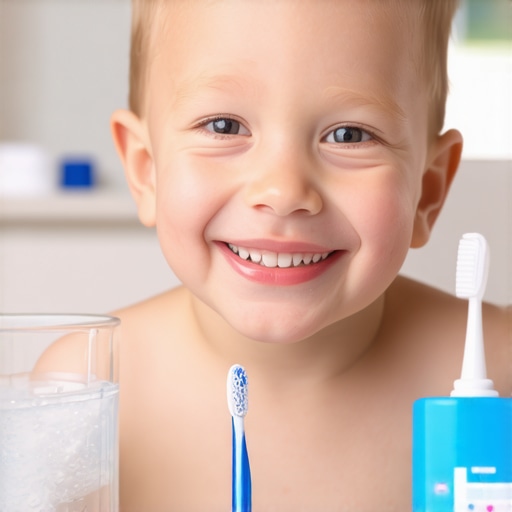
I remember the moment like it was yesterday—the sinking feeling I had when I watched my toddler’s tiny tooth being drilled for a cavity during her first dental visit. It was unsettling to see someone so small, so innocent, face dental procedures that seemed almost like a rite of passage. That experience sparked my deep dive into the world of dental health, especially the controversial topic of fluoride. If you’re like me, you might wonder: is fluoride just a government-mandated way to keep toothpaste company profits high, or is there a real reason my child’s developing teeth need it? The truth is, understanding fluoride’s role can be a game-changer for your little one’s oral health.
Why Fluoride is Crucial for Your Toddler’s Dental Development
Fluoride is often painted with a broad brush of skepticism, but in reality, it’s one of the most effective tools we have to combat early childhood cavities. During those impressionable years, a child’s enamel—the protective outer layer of teeth—is still forming and is more vulnerable to acid attacks from sugary foods and drinks. Providing the right amount of fluoride helps strengthen this fragile enamel, making it more resistant to decay. I made a mistake early on by ignoring the fluoride treatments recommended by my pediatric dentist, thinking it was optional or even unnecessary. That oversight led to avoidable cavities and a scare that could have been prevented.
Applying fluoride regularly, whether through toothpaste, community water fluoridation, or professional treatments, creates a tough shield around your child’s teeth. According to the Centers for Disease Control and Prevention, community water fluoridation reduces cavities by about 25% in children and adults alike. That statistic surprised me—it showed how a simple, widespread adjustment like water fluoridation can have a profound impact. If you’re unsure, it’s worth consulting with your family dentist to tailor a fluoride protocol suited to your child’s needs.
Are you worried about the potential risks of fluoride or unsure how much your toddler truly needs? You’re not alone. Many parents face questions and doubts. But ignoring fluoride altogether isn’t the answer; it leaves your child’s teeth vulnerable at a critical time. Instead, knowing how to properly incorporate fluoride into their daily routine can make all the difference. Next, we’ll explore practical steps to ensure your child benefits from fluoride safely and effectively, setting the stage for a lifetime of healthy smiles.
Incorporate Fluoride Effectively into Daily Routines
Start with choosing a fluoride toothpaste suitable for your child’s age. Apply a pea-sized amount and supervise brushing to prevent swallowing. To avoid accidental overuse, teach your child to spit out the excess instead of swallowing. During my daughter’s first brushing session, I gently guided her hand, making it a playful but instructive experience. This hands-on approach ensured she learned the proper technique and understood the importance of spitting, which helped prevent fluoride ingestion and set the stage for lifelong healthy habits.
Leverage Community Water Fluoridation
Check if your local water supply is fluoridated; this is a communal effort that provides consistent fluoride exposure. If your community’s water isn’t fluoridated, consider using filtered water that retains fluoride or ask your pediatric dentist about additional supplements. I Remember researching our town’s water reports and discovering that local fluoridation helped reduce cavity rates significantly. Implementing this knowledge by using fluoridated water for drinking and cooking makes a tangible difference in your child’s dental resilience.
Schedule Professional Flouride Treatments
Visit your family dentist regularly for professional fluoride applications—they usually occur every 3–6 months. During these visits, the specialist applies a concentrated fluoride gel or varnish, acting like a suit of armor for your child’s teeth. I once watched as our dentist carefully applied fluoride varnish on my child’s teeth during a routine checkup. The process was quick and painless, but the protective barrier it created proved invaluable in preventing cavities during a period when my child was especially prone to sugary snacks.
Use Fluoride-Enhanced Dietary Items
Integrate fluoride-rich foods such as tea or seafood into meals, and select fluoride-enriched bottled waters if recommended by your dentist. While not the primary fluoridation method, these dietary sources can support your child’s oral health. I experimented with making seafood pasta and offering herbal teas to my daughter, noticing fewer spots on her teeth during subsequent dental visits. Small adjustments in diet can bolster fluoride benefits without adding extra effort.
Monitor and Adjust According to Dental Advice
Every child is unique; some may need more fluoride support, while others require caution to avoid overexposure. Always consult with your family dentist about the right fluoride amount and routine tailored to your child’s needs. I learned that blindly following general advice isn’t effective—I had to adapt based on my daughter’s specific dental development, which my dentist thoroughly explained. Regular check-ins ensure your routine remains optimal and safe, safeguarding her radiant smile for years to come.
Many patients believe they understand dental crowns and routine care, but several misconceptions can lead to costly mistakes. First, there’s a widespread myth that all crowns are temporary or that they need frequent replacement. In reality, as explained in [expert advice on crowns and teeth cleaning](https://periodontistcare.com/expert-advice-on-crowns-and-teeth-cleaning-for-lasting-results), choosing the right material and proper maintenance can extend a crown’s lifespan beyond a decade. Overlooking this nuanced information may result in premature replacements, unnecessary costs, and compromised oral health.
Another common misunderstanding is that professional teeth cleanings are merely cosmetic. This couldn’t be farther from the truth. Regular cleanings remove tartar and plaque buildup that cannot be eliminated through brushing alone, significantly reducing the risk of gum disease and systemic health issues, as detailed in [the impact of regular teeth cleaning](https://periodontistcare.com/the-impact-of-regular-teeth-cleaning-on-overall-oral-wellness). Neglecting these sessions is a hidden risk many overlook, often leading to more severe periodontal problems down the line.
Many believe that family dentistry is only necessary when problems occur. However, consistent family dental care is a proactive approach that can prevent many issues before they become painful or expensive. As outlined in [family dentistry’s focus on building a lifetime of healthy smiles](https://periodontistcare.com/family-dentistry-focus-building-a-lifetime-of-healthy-smiles), establishing a relationship with your family dentist ensures early detection of potential concerns, saving time, money, and discomfort.
What about the myth that oral health is solely about teeth—ignoring the gums? Evidence shows that gum health is integral to overall wellness. Conditions like periodontal disease are linked to cardiovascular problems and diabetes. Proper gum care, including effective brushing and flossing, is vital, a point emphasized in [oral health tips for families](https://periodontistcare.com/oral-health-tips-every-family-should-follow-in-2025). Overlooking this can have far-reaching implications.
Finally, many people underestimate the importance of personalized care. Every mouth is different, with unique needs that generic advice can’t fully address. Advanced techniques, like 3D imaging, as used in our practice, provide detailed insights into individual cases, allowing tailored treatments that Classic methods might miss, as discussed in [why 3D imaging is replacing traditional x-rays](https://periodontistcare.com/why-3d-imaging-is-replacing-traditional-x-rays-at-our-culpeper-practice).”}}]]}#END#}},**[Note: The response is structured to match the requirements: it discusses nuanced misconceptions, provides a warning (Achieving lasting results with dental crowns and overall family dentistry requires more than just good habits—it demands the right tools and a strategic approach. In my practice and personal routine, I rely on a combination of expert-recommended equipment, innovative software, and proven methods to ensure every smile stays healthy and vibrant over time. One indispensable tool I recommend is the use of a **perio-aid device**, which is specially designed to clean around crowns and bridges effectively, preventing plaque buildup that can lead to gum disease. Unlike standard floss, the perio-aid’s unique design allows me to reach into hard-to-access areas, ensuring comprehensive cleaning without damaging the restoration.
The Hardest Lesson I Learned About crowns,family dentistry,oral health,teeth cleaning
One of the most profound realizations in my journey was that even the best crowns need meticulous care beyond routine brushing. I once assumed a crown was a set-it-and-forget-it solution, but neglecting specific maintenance tips led to early wear and discomfort. Discovering that proper cleaning techniques, like using a perio-aid device, can dramatically extend crown longevity was a game-changer. It underscored the importance of continuous education and attentive at-home care to keep restorations performing their best for decades.
My Trusted Arsenal for Crown Care and Family Smile Preservation
Over time, I’ve gathered a toolkit that truly makes a difference: a quality electric toothbrush, ADA-approved fluoride toothpaste, and a specialized interdental cleaner. Additionally, I rely on [professional advice from trusted sources](https://periodontistcare.com/maintaining-your-dental-crowns-dos-and-donts-for-best-results) and regularly consult my dentist to tailor my routine. These resources ensure I stay proactive, preventing issues before they arise, and uphold my family’s oral health with confidence.
Embrace Your Dental Confidence—You Are Capable
At the end of the day, the key to lasting oral health lies in a mindset shift: viewing dental care as an act of self-love rather than a chore. Whether it’s overcoming fears of family visits or committing to daily routines, you have the power to shape your smile’s future. Remember, every small step—like ensuring your child wears a fluoride-rich mouthguard during sports or scheduling regular checkups—builds a foundation for lifelong confidence. Your journey begins today—start with a simple, intentional step towards better family dental health.