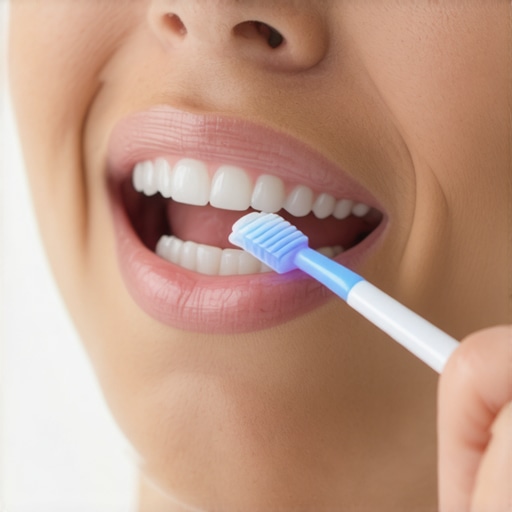
I used to dread every morning, not because of the alarm clock, but because of what awaited me when I started brushing my teeth. There was this uncomfortable, alarming sensation—gums bleeding just as I was trying to start my day on a fresh note. It felt like my own mouth was betraying me, and I couldn’t figure out why it was happening or how to stop it. I remember standing in front of the mirror, blood on my toothbrush, thinking, “Is this normal? Am I doing something wrong?” That lightbulb moment made me realize I was not alone with this problem, and it pushed me to find answers that truly worked.
Why Bleeding Gums in the Morning Are More Than Just a Minor Nuisance
If you’ve woken up to the sight of blood on your toothbrush or around your gums, you’re probably wondering if it’s just a temporary thing or a sign of something serious. It’s a common concern, but let me assure you—it’s often a signal that your oral health needs attention. Bleeding gums, especially during your morning routine, can be an early sign of gum disease or other underlying issues. According to the American Dental Association, persistent bleeding can be an indicator of gingivitis, the mildest form of gum disease, which, if left untreated, can lead to more severe problems like periodontitis and even tooth loss.
Early on, I made the mistake of brushing too hard, thinking that was the way to get rid of plaque. Instead, that only irritated my gums further. That experience taught me a crucial lesson: gentle, proper techniques matter more than brute force. Proper brushing, flossing, and awareness of your gums’ condition can make a significant difference.
Are you tired of dealing with bleeding gums every morning and frustrated by the lack of lasting solutions? Well, you’re in the right place. Today, I’ll share my personal journey from distressed mornings to a healthier, happier smile—highlighting the effective steps that truly made a difference in my routine. And if you’re wondering whether these tips are worth trying, believe me, I’ve been there, and I can vouch for their effectiveness. Ready to take control of your oral health? Let’s dive into how you can stop gums from bleeding and start mornings with confidence.
Is Fumbling Through Home Remedies Actually Worth It?
One of the biggest misconceptions I had early on was relying solely on home remedies without understanding the root cause. I tried everything from salt rinses to herbal teas, thinking that was the best route. Turns out, some of these approaches aren’t as effective as targeted professional advice. For example, regular professional cleanings are essential to remove tartar buildup that you can’t handle with just brushing and flossing at home. For more insights, check out this guide on effective home practices for family dental health. Recognizing my mistake was a turning point, steering me toward better, evidence-based solutions.
Master Your Oral Hygiene Routine
Start by replacing aggressive brushing with gentle circular motions using a soft-bristled toothbrush. I once rushed through my brush and noticed increased bleeding—once I slowed down and adopted the correct technique, bleeding lessened dramatically. Make it a habit to brush twice daily for at least two minutes, focusing on each section of your mouth.
Proper Brushing Technique
Hold your brush at a 45-degree angle to the gums, then gently move in small circles. Avoid applying too much pressure—think of it like a light massage for your gums rather than scrubbing. Incorporate mouthwash with fluoride after brushing to strengthen enamel and reduce inflammation.
Integrate Flossing Smartly
Flossing removes plaque between teeth and along the gumline, areas a toothbrush can’t reach. Use about 18 inches of floss, wrapping it around your fingers, and slide gently between teeth, making C-shaped motions. I once skipped flossing for a week and experienced persistent bleeding—after resuming daily flossing, inflammation and bleeding significantly reduced.
Flossing Tips to Prevent Bleeding
Be gentle, especially if gums are sensitive. If bleeding persists beyond a few days, consider switching to a water flossing device, which is less abrasive and equally effective.
Consistent Professional Care
Schedule regular dental checkups and cleanings. During my first professional cleaning after ignoring my gums, the hygienist removed tartar buildup that could only be eliminated with professional tools. Professional cleanings not only remove hardened deposits but also allow your dentist to spot early signs of gum disease.
Effective Family Dentistry Practices
Encourage your family to maintain regular visits—it’s a proven way to catch issues early. Adults and children alike benefit from professional guidance and tailored advice, like choosing the right toothbrush and dental products.
Targeted Home Remedies with Caution
While home remedies like salt rinses can calm inflamed gums, they’re not substitutes for professional treatment. I’ve tried rinsing with warm salt water after noticing minor bleeding, which helped reduce swelling temporarily, but a visit to the dentist was necessary for lasting results. Use remedies as supplementary measures, not standalone solutions.
When to Seek Professional Help
If bleeding persists beyond a week despite improved practices, or if you notice additional symptoms like gum recession or bad breath, contact your dentist. Addressing issues early prevents complications like periodontitis or tooth loss.
Prioritize Critical Repairs and Restorations
If you have dental crowns or restorations, ensure they are well-maintained. Loose or ill-fitting crowns can irritate gums, leading to bleeding. Schedule regular checkups to assess their condition. Well-maintained crowns, like those described here, prevent unnecessary gum irritation and bleeding.
By combining gentle, correct brushing, consistent flossing, professional care, and proper maintenance of dental restorations, you can effectively reduce morning bleeding episodes. Stay patient and persistent—your gums will thank you for the effort.
Many people believe that brushing harder cleans better, but in reality, aggressive brushing can damage gums and enamel, leading to sensitivity and recession. Contrary to popular belief, flossing too aggressively can cause gum trauma rather than prevent periodontal issues; gentle, methodical flossing is far more effective. One common misconception is that mouthwash alone is sufficient for oral hygiene; however, it cannot replace brushing and flossing but should supplement a comprehensive routine. Advanced users know that the timing and technique of brushing, like brushing at a 45-degree angle with soft bristles, make a significant difference in plaque removal and gum health. Skilled dentists recognize that overlooked areas, such as beneath dental restorations or along the gumline, can harbor bacteria if not properly cleaned, emphasizing that routine is not enough—precision matters. Moreover, many assume that getting crowns means you no longer need to worry about plaque buildup; false—proper crown care involves meticulous cleaning around the restoration to prevent decay and gum irritation. In fact, neglected crown margins are a common cause of gum bleeding and sensitivity, which often gets misdiagnosed as gum disease. A common trap is thinking professional cleanings are optional if you brush daily—regular visits are crucial for detecting early signs of decay or periodontal issues before they worsen. Interestingly, some believe that once a crown is placed, it requires no additional maintenance; however, research indicates that improper cleaning can accelerate wear and compromise crown longevity. Recognizing that family dentistry isn’t just about routine checks but involves educating each family member on personalized hygiene strategies is key. Myths about whitening—like thinking whitening toothpaste will dramatically alter your shade—can mislead consumers into unnecessary or ineffective treatments. Advanced practitioners advise that whitening is most effective when combined with professional guidance, especially if enamel is thin or sensitive, which is often overlooked. Have you ever fallen into this trap? Let me know in the comments. Mastering these nuances and dispelling myths ensures your oral health is truly in expert hands, paving the way for a brighter, healthier smile that lasts a lifetime.
Maintaining optimal oral health is an ongoing journey that demands the right tools, smart methods, and a commitment to consistency. Over the years, I’ve refined my dental routine to incorporate specific equipment and techniques that truly make a difference, especially when it comes to caring for crowns and preventing gum issues. Today, I want to share the tools I recommend for keeping your smile healthy and mention where I see future trends heading in oral care.
My Go-To Tools for Effective Maintenance
The cornerstone of my routine is a high-quality electric toothbrush. I personally use the Philips Sonicare DiamondClean, primarily because of its proven ability to deliver 62,000 brush movements per minute, which ensures thorough plaque removal without damaging sensitive gums. The pressure sensor feature is invaluable—it prevents me from brushing too hard, which can lead to gum recession or damage to crowns, a common mistake among many. Additionally, I swear by soft, rounded-tip floss picks like the Glide Pro-Health Comfort Plus. They glide smoothly between teeth and gently along the gumline, reducing the risk of bleeding caused by aggressive flossing. For cleaning under dental restorations, I prefer a water flosser; the Waterpik Aquarius offers adjustable pressure settings, making it safe even for sensitive gums.
Maintaining crowns demands special attention. Regular use of interdental brushes such as GUM Soft-Picks is essential—they gently remove plaque around crown margins without risking damage. I also incorporate a routine of using a gentle, fluoride-rich mouthwash, like the ACT Total Care, which helps strengthen enamel and reduce inflammation. For professional upkeep, I schedule biannual dental visits for cleanings and checkups, ensuring that unseen issues don’t progress unnoticed.
Predicting the Future of Oral Care Equipment
Looking ahead, the integration of smarter technology into dental tools is poised to revolutionize maintenance routines. Devices with app connectivity are already emerging, enabling real-time monitoring of brushing habits and providing personalized feedback. I believe in trending toward AI-powered brushes that adapt their cleaning patterns based on your unique oral profile, as well as smart flossers that can detect plaque buildup and alert you to problematic areas. Staying ahead of these innovations can elevate your self-care and ensure your oral health remains optimal over the years.
How do I keep my dental work in top shape after years?
Long-term success hinges on consistent care and avoiding neglecting overlooked details. For crowns specifically, regular checking of their integrity and surface smoothness is crucial. I recommend inspecting your restorations monthly for any signs of loosening or discoloration. Using a specialized crown-cleaning brush periodically, combined with professional checkups, extends their lifespan significantly. Moreover, professional evaluations can catch early signs of wear or marginal leakage that little home routines might miss. For those with extensive dental work, understanding the importance of a tailored maintenance plan is key—your dentist can help create one based on your habits and dental history. To learn more about caring for crowns properly, visit this detailed guide.
Finally, adopting a comprehensive oral health routine that blends advanced tools with good habits ensures your investment in dental restorations pays off for years to come. I challenge you to incorporate a water flosser with adjustable pressure into your daily routine—try it for a week and notice the difference in gum comfort and plaque control. Remember, maintaining your smile isn’t just about brushing; it’s about smart, deliberate actions that preserve your dental health long-term.
The Hardest Lesson I Learned About dental health, crowns, and family routines
Early in my journey, I believed that brushing harder meant cleaner teeth. I pushed myself to scrub with more force, thinking it would wipe away plaque better. The painful truth was that this approach irritated my gums and accelerated recession. Realizing that gentle, effective brushing is key was a lightbulb moment that transformed my routine and preserved my gums’ health for years to come.
How I Discovered the Power of Consistency over Quick Fixes
I used to hope that occasional treatments or home remedies could fix longstanding issues. It didn’t take long to see that everyday habits—like flossing properly and visiting the dentist regularly—were far more impactful. This taught me that persistent, small efforts outperform sporadic quick fixes, especially when caring for crowns and preventing bleeding gums.
The Myth of the Perfect Toothpaste and the Value of Personalized Care
I once believed that a whitening toothpaste or trendy product would dramatically improve my smile overnight. However, I found that tailored advice from my dental professional made a significant difference, especially when maintaining crowns or addressing sensitivity. Understanding that each mouth is unique reinforced the importance of customized care over generic solutions.
Curated Recommendations for Lasting Oral Health
My essential toolkit includes a Waterpik Aquarius water flosser for gentle plaque removal around crowns, a soft-bristled electric toothbrush like Philips Sonicare DiamondClean, which prevents gum trauma, and a fluoride-rich mouthwash such as ACT Total Care to strengthen enamel. These tools, combined with regular dental visits, have made a visible difference in my ongoing oral health journey.
Embracing the Future of Dental Care and My Role in It
With innovations like app-connected smart brushes and AI-driven flossers on the horizon, I believe proactive, personalized tools will become indispensable for maintaining crowns and preventing bleeding gums. Staying informed about these advancements allows me to adopt smarter habits and encourage others to do the same—making oral health routine a seamless, future-proof part of life.
My Commitment for Long-Lasting Dental Happiness
To ensure my crowns and natural teeth stay in top shape, I dedicate time each month to inspect my restorations, clean around them meticulously, and stay connected with my dentist. This ongoing care, coupled with a tailored routine, protects my investment—not just in my smile but in my confidence and overall well-being. If you’re ready to elevate your dental routine, I invite you to start with that water flosser or schedule your next professional checkup today.