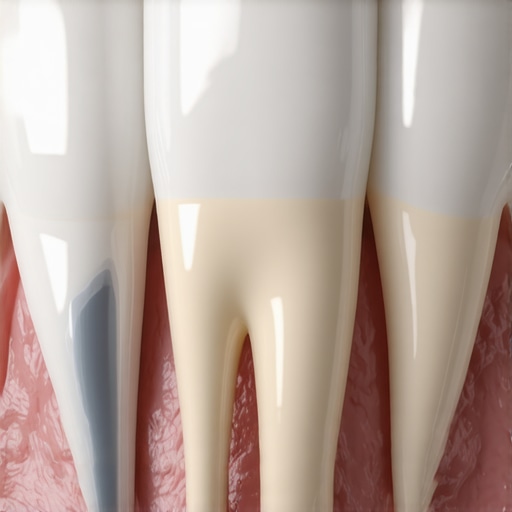
I remember the moment distinctly. I was at a family gathering, chatting away when I caught a glimpse of my smile in the mirror. My heart sank. There it was—a tiny, stubborn metal line just above my gumline where my crown met my natural tooth. It felt like a small defect, but honestly, it bothered me more than I expected. I’d spent so much on that crown, thinking it would be perfect—yet here I was, fixating on a little strip of metal.
Many of us have faced this subtle but nagging feature with dental crowns. It’s almost like an uninvited badge of honor for those who have had crowns placed, but what does that metal line really mean? Is it something to worry about? More importantly, is there a way to fix or prevent it?
Today, I want to dive deep into this common question. We’ll explore why some crowns develop that shiny metal line at the gum, what it signifies for your dental health, and the options you have if it’s bothering you. Spoiler alert: understanding this can empower you to make better decisions about your smile and your overall oral health.
Unmasking the Metal Line: What’s Really Going On?
For starters, that metal line is often linked to the type of crown material used. Traditionally, many crowns are made from porcelain fused to metal, or PFM for short. In this setup, a metal alloy forms the core or framework of the crown, which is then layered with porcelain to resemble natural enamel. This dual-layer design was popular because it combined strength with aesthetics.
However, over time or with certain gum tissue receding, the underlying metal can become visible, especially if the porcelain isn’t perfectly opaque or if the gum starts to pull away from the tooth. This reveals the metal border, creating that metallic line that some find unattractive.
It’s worth noting, according to dental studies, that well-made porcelain crowns without metal do exist, and they tend to avoid this problem altogether. But for many people, especially those who received older crowns, the metal-porcelain combination was the best option at the time.
If you’re concerned about this, it might be time to consider replacing your crown with a more modern, all-ceramic or zirconia option. These materials mimic natural teeth more convincingly and do not have that metal edge. Curious about how crowns can boost your confidence? Check out [how crowns can transform your dental confidence](https://periodontistcare.com/how-crowns-can-transform-your-dental-confidence) for inspiring stories.
Now, before you rush to a new crown, I want to share a mistake I made early in my dental journey. I ignored that metallic line for years, thinking it was purely cosmetic. But over time, I learned that gum recession or ill-fitting crowns could lead to complications like sensitivity or even decay if not addressed properly. That’s why consulting with a trusted {periodontist} can be a game-changer. They can help determine whether the metal line is just a cosmetic issue or a sign of something more serious.
Have you ever noticed a metallic line after a crown procedure? If so, don’t hesitate to reach out to experts who specialize in family dentistry—finding the right care can be as simple as visiting [Family Dentistry: Building a Lifetime of Smiles](https://periodontistcare.com/family-dentistry-focus-building-a-lifetime-of-healthy-smiles). Getting professional advice now can save you pain and money down the line.
Next, we’ll explore what options you have if that pesky metal line keeps bothering you—and how to maintain your crowns for lasting beauty and health.
Prioritize Regular Professional Cleanings
Schedule cleaning appointments at least twice a year with a trusted dentist or hygienist. During these visits, they will remove plaque and tartar buildup that can accelerate crown wear or cause gum recession, revealing the underlying metal. In my personal experience, sticking to a routine cleaning schedule prevented minor issues from escalating into costly replacements. For more insights on maintaining dental crowns, visit maintaining your dental crowns.
Master Proper Oral Hygiene Practices
Brush twice daily with a soft-bristled toothbrush and fluoride toothpaste to prevent decay around the crown edges, which could weaken supporting structures. Floss daily using gentle, careful techniques to avoid dislodging or damaging the crown. I once attempted to clean hard-to-reach areas with a toothpick, which caused minor gum irritation; instead, I now prefer floss holders or water flossers for precision. For further tips, see oral health routines.
Use the Right Cleaning Tools and Products
Select toothpaste formulated for crowns or sensitive teeth, and avoid abrasive substances like charcoal or baking soda that can scratch surfaces. An electric toothbrush with a gentle setting proved effective that I borrowed from a friend, helping me keep my crowns shiny without damage. Additionally, incorporate interdental brushes or water flossers, which can access hard-to-reach spots safely. Read more about specialized tools at effective home cleaning practices.
Mind Your Dietary Habits
Limit foods and drinks that stain or wear down crown materials, such as coffee, red wine, or sugary snacks. When I started reducing my coffee intake, I noticed my crowns stayed brighter longer. Using a straw can also minimize direct contact with staining agents. For guidance on protecting your natural teeth as well, refer to best foods for a healthy smile.
Address Gum Health to Prevent Metal Exposure
Monitor for signs of gum recession or inflammation, which can expose the metal edge of crowns. If gums pull back, the metal border may become visible, detracting from your smile’s aesthetics. Regular check-ups allow your dentist to apply targeted treatments like gum grafts or periodontal therapy if needed. Take proactive steps by visiting family dentistry for comprehensive care.
Contemplate Replacement with Modern Materials
If the metal line bothers you cosmetically, discuss with your dentist the option of replacing your crown with an all-ceramic or zirconia version. These materials mimic natural enamel and eliminate the risk of metal showing through. My experience with a zirconia crown was transformative; the natural look boosted my confidence. Learn more about smile makeovers and material options at modern smile makeovers.
Implement Protective Measures During Activities
If you participate in contact sports or grind your teeth at night, wearing a custom-fit night guard or mouthguard can prevent undue stress or impact damage to crowns. I adopted a night guard after noticing minor cracks developing, and it has preserved my crown’s integrity. For more about protective gear, see preventive measures for dental health.
Many assume that getting a dental crown is a straightforward fix that’s largely maintenance-free. However, misconceptions abound, and understanding the nuances can significantly impact your long-term oral health. One common myth is that once a crown is placed, it’s impervious to further damage or decay. In reality, improper care, neglecting routine cleanings, and misunderstanding material limitations can compromise the crown’s longevity and your overall oral health. For example, some believe that brushing aggressively won’t harm the crown, but excessive force can erode the cement layer or damage surrounding gums, leading to issues like crown lift or decay beneath the restoration._
Does regular flossing extend the life of crowns or cause damage?_
Contrary to the misconception that flossing might weaken crowns, proper flossing actually helps maintain the integrity of both the crown and surrounding tissues. In fact, neglecting flossing can lead to plaque buildup around the margins, increasing the risk of gum recession and exposing metal edges in porcelain fused to metal crowns, which many find aesthetically unpleasing. A study published in the Journal of Prosthodontics emphasizes that meticulous oral hygiene, including flossing and professional cleanings, is essential for crown longevity. The key is gentle but thorough cleaning—aggressive flossing or using abrasive tools can cause microtrauma, so choose softer floss strands and Waterpiks to avoid damage.
Many individuals overlook the importance of family dentistry practices that focus not just on repair but on preventive care. Routine check-ups ensure early detection of issues like gum recession, which can unveil the metal edges of crowns or expose supporting structures to decay. I’ve seen patients who thought crowns were maintenance-free only to face costly repairs after years of neglect. Visiting a family dentist regularly can identify subtle problems before they escalate. For comprehensive guidance on preventive care, see [family dentistry for lifelong smiles](https://periodontistcare.com/family-dentistry-focus-building-a-lifetime-of-healthy-smiles).
Another pitfall involves choosing the wrong material for restorations. Many assume all crowns are equally durable and cosmetic, but materials like zirconia versus porcelain-fused-to-metal have different nuances. Zirconia crowns offer a more natural appearance without the risk of metal showing through, but they can be more brittle if not manufactured properly. Conversely, PFM crowns are stronger but may cause black line issues if gums recede. Knowing these nuances helps tailor your dental care plan appropriately.
Don’t forget that the environment around your crowns matters. Acidic foods, sugary drinks, or poor oral hygiene can accelerate wear and cause secondary caries at the margin. Additionally, some people believe that avoiding fluoride is acceptable, but fluoride actually strengthens natural enamel and helps prevent decay around crown margins. Incorporating fluoride treatments into your routine, either professionally or at home, is a simple yet effective way to protect your investment.
In essence, the big misconception is thinking that crowns are a set-it-and-forget-it solution. Maintaining your crowns requires understanding their material differences, practicing gentle yet consistent oral hygiene, and consulting with professionals regularly. Ignoring these nuances can lead to complications like gum recession, metal showing, or even crown failure. To keep your smile in top shape, schedule regular dental visits and educate yourself about the specific needs of your restorations. Feel free to explore expert advice on [long-term crown care](https://periodontistcare.com/caring-for-crowns-essential-tips-for-longevity-and-shine) and set yourself up for success. Have you ever fallen into this trap? Let me know in the comments.Maintaining dental crowns effectively requires more than just regular brushing; it involves using specialized tools and adopting precise techniques to ensure longevity and aesthetic appeal. One essential item I personally swear by is the Waterpik Water Flosser. Unlike traditional floss, it uses a pulsating water stream to clean around crowns and between teeth with gentle precision. I’ve found it particularly useful for removing debris in hard-to-reach areas without risking damage to the crown or surrounding gums, which can be a concern with abrasive tools. The Waterpik’s adjustable pressure settings enable tailored cleaning sessions, reducing discomfort and microtrauma.
For me, upgrading from regular toothbrushes to an electric toothbrush like the Sonicare DiamondClean has been transformative. Its sonic vibrations provide superior plaque removal along the margins of crowns, which is critical for preventing decay and gum recession—common threats to crown longevity. The built-in timers ensure I brush for the recommended two minutes, reinforcing good habits. Personal use has shown that consistent use of such an electric brush helps maintain the natural appearance of crowns over years.
In addition, dental mirror magnification tools have proved invaluable. A quality intraoral mirror allows me to visually inspect my crowns daily, catching early signs of issues such as marginal breakdown or staining. Investing in a mirror with LED illumination makes detailed monitoring straightforward.
Applying disclosing tablets occasionally is another tip I recommend. They reveal plaque buildup around crowns that might otherwise be missed, prompting targeted cleaning. This practice not only keeps crowns cleaner but also educates me on better flossing and brushing techniques.
In the future, I predict that advancements like AI-powered oral health devices will become mainstream, guiding users in real-time to optimize their oral hygiene routines. For now, combining high-quality manual and electronic tools maximizes results.
How can I ensure these tools serve me well over time?
Regular replacement and proper maintenance are key. For example, toothbrush heads should be swapped every three months, and water flosser tips replaced as recommended. Proper storage, like keeping devices dry and clean, prolongs their effectiveness. Periodic professional evaluations also help verify that your tools are compatible with your evolving oral health needs.
If you’re serious about maximizing your crowns’ lifespan, I encourage you to try integrating a Waterpik Water Flosser into your routine. Its gentle yet thorough cleaning action can make a noticeable difference. To explore more about effective tools and techniques, visit maintaining your dental crowns and set your smile up for long-term success.
The Hidden Lessons that Changed My Approach to Crowns and Dental Care
One of the most eye-opening lessons I learned is that not all crowns are created equal—understanding the materials and the specific needs of your mouth can save you from future regrets. I once believed a crown was a simple, one-time fix, but I soon realized that ongoing maintenance and understanding your unique dental situation are key to longevity. Additionally, I discovered that early detection of issues like gum recession or marginal breakdown can prevent costly replacements and preserve the natural look of my smile. These insights have encouraged me to be proactive, not reactive, about my oral health.
Another valuable lesson was realizing the importance of personalized advice from knowledgeable professionals. Trying to DIY or ignore small warning signs often leads to bigger problems down the line. Investing in regular check-ups and appropriate tools, such as water flossers or electric toothbrushes, dramatically improved the health and appearance of my crowns. Embracing a tailored oral hygiene routine, instead of a generic approach, truly makes a difference in keeping crowns looking natural and feeling comfortable.
Tools and Resources That Transformed My Smile Strategy
My trusted toolkit includes the Waterpik Water Flosser, which gently cleans around crowns and bridges, ensuring no debris gets trapped—an essential for longevity. I also swear by the Sonicare electric toothbrush; its sonic vibrations effectively remove plaque without damaging delicate crown margins. For visual checks, a good intraoral mirror with LED lighting helps me spot early signs of wear or gum recession. Additionally, I rely on trustworthy online sources like maintaining your dental crowns for expert tips, ensuring I stay informed and vigilant.
Your Next Steps for a Smile That Lasts
Remember, your dental health is a lifelong journey, not a one-time fix. Small consistent actions—like regular professional cleanings, mindful diet choices, and gentle yet thorough oral hygiene—build the foundation for a beautiful, resilient smile. If you’re considering replacements or improvements, explore advanced materials such as zirconia crowns that mimic real teeth without the metallic outline. Don’t hesitate to reach out to your family dentist for personalized guidance—taking action today ensures lasting confidence in your smile.
What have been your biggest surprises or lessons learned about maintaining crowns and oral health? Share your experiences below and let’s learn from each other!