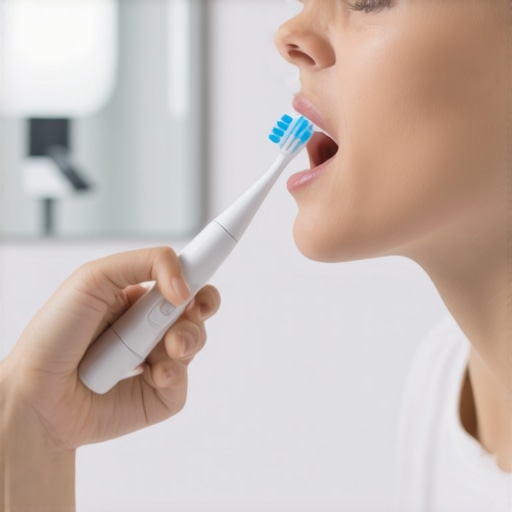
I remember the exact moment I realized my dental routine wasn’t as effective as I thought. I was in a rush, hurriedly gliding my electric toothbrush across my teeth, convinced I was doing enough. Yet, weeks later, my gums felt sensitive, and I started noticing small spots of plaque that refused to budge. That lightbulb moment hit me hard: I needed to rethink how I was brushing, not just brush more often or harder.
Why Proper Technique Matters with Your Electric Toothbrush
Having a healthy, radiant smile isn’t solely about having the right tools—it’s about using them correctly. An electric toothbrush can do wonders if wielded with proper technique, but it can also cause subtle damage or leave plaque behind if misused. Early on, I made the mistake of thinking that merely turning on the device and moving it aimlessly would suffice. Spoiler alert: it doesn’t. Proper brushing ensures you’re effectively removing plaque, preventing gum disease, and maintaining the longevity of dental work like crowns. According to the American Dental Association, correct brushing technique can significantly improve oral health outcomes, yet many people unknowingly practice habits that undermine their efforts. Are you confident that your brushing method maximizes your toothbrush’s potential?
Is All the Hype About Electric Toothbrushes Just Overrated?
I once dismissed electric toothbrushes as a gimmick, thinking manual brushing was enough. My early mistake? Using it with a stiff grip and pressing too hard, which actually compromised my gums rather than cleaning them. It took a bit of research—and a lot of trial and error—to discover the proper technique. Now, I can genuinely say that when used right, electric toothbrushes are a game-changer. Want to avoid the pitfalls I faced? Let’s walk through the essential steps to get the most out of your device.
If you’re tired of inconsistent results, sore gums, or stubborn plaque, you’re not alone. Many people struggle with making the most of their electric toothbrush. But with a few simple adjustments, you can transform your daily routine into an effective, enjoyable part of maintaining your oral health. Ready to discover these steps? Let’s dive in.
And by the way, have you ever felt unsure if you’re doing it right? Drop a comment below or reach out. Sometimes, getting personalized advice from a professional can make all the difference!
Stay tuned as we explore the proven techniques that will turn you into a brushing pro, ensuring every day starts with a brighter, healthier smile.
,
Master Your Brushing Technique for Maximum Effectiveness
Start by positioning your electric toothbrush at a 45-degree angle to your gums, similar to how a painter approaches a canvas—aiming precisely to cover every surface. Turn on the device without pressing down hard; let the brush do the work, like guiding a gentle umbrella through the air. Take small, circular motions, covering each quadrant of your mouth for about 30 seconds. I vividly remember times when I quickly moved the brush across my teeth like wiping a window, only to realize later that stubborn plaque remained, especially near the gumline. Slow, deliberate motions ensure you remove debris effectively without damaging soft tissues.
Apply the Right Pressure—Avoid Overdoing It
Sounds simple, but many brush too hard
Think of your gums as delicate garden flowers—too much pressure can bruise and recede them over time. A good rule is to hold the toothbrush lightly, comparable to holding a paintbrush; you want a comfortable grip that guides gentle strokes. During a morning cleaning, I once squeezed the brush handle so tightly that my gums felt irritated afterward. That discomfort was my cue to relax my grip, which instantly improved my experience and results. Using the brush lightly not only protects your gums but also enhances the micro-movements needed to dislodge plaque in hard-to-reach areas.
Brush all Surfaces—Don’t Miss the Hidden Spots
Visualize your mouth as a bustling city—every alley needs attention. Focus on the outer surfaces, inner surfaces, and chewing surfaces of every tooth. Hover the brush over each area briefly, allowing the oscillating head to do its job, rather than scrubbing back and forth like a saw. I recall the mess of food debris I missed by rushing; carefully covering every nook and cranny prevented plaque buildup and subsequent cavities. Remember, neglecting even small areas can lead to tartar formation and gum issues over time. Efficient coverage ensures comprehensive cleaning without excessive time spent.
Special Attention to the Gumline and Crowns
The gumline is the frontline for preventing periodontal disease. Position the brush head gently along this boundary, just like a photographer delicately framing a shot, to remove plaque where the teeth meet the gums. For those with crowns, it’s crucial to clean around the edges meticulously. I once neglected this step, leading to food buildup around my dental crown, which caused discomfort and staining. Regular, careful brushing around crowns and dental work preserves their integrity and prolongs their lifespan. Use a soft brush and gentle strokes to avoid loosening or damaging these restorations.
Bonus Tip: Timing and Routine
Set a timer or hum your favorite song for the full two minutes, making sure every part gets equal attention. I found that rushing through my routine caused me to skip areas; taking time turned brushing into a mindful ritual that improved my oral health. Consistency is key—brushing twice daily for at least two minutes each session builds a strong foundation for a radiant smile and healthy gums. Pair this with flossing and mouthwash, but remember that technique truly makes the difference in every step of your routine.
If you’re unsure whether your technique hits all the marks, don’t hesitate to seek professional advice—your dentist can offer personalized tips, especially for maintaining crowns and other restorations. Want to learn more about preserving dental work? Check out these tips for crowns.
Many people assume that brushing harder or more frequently guarantees a cleaner, healthier mouth, but this is a dangerous misconception. Overbrushing, especially with vigorous scrubbing, can cause gum recession and tooth enamel erosion, which ironically increases sensitivity and decay risk. Dental professionals emphasize that technique and quality matter more than brute force. A study published in the Journal of Clinical Periodontology highlights that improper brushing habits contribute significantly to periodontal issues, underscoring the importance of gentle, precise cleaning. Have you ever fallen into this trap? Let me know in the comments. It’s crucial to understand that consistent, correct care influences not just your daily routine but your long-term oral health, especially when dealing with restorations like crowns. Many overlook the intricacies involved in maintaining crowns properly; neglecting these details can lead to premature failure or aesthetic issues. For instance, cleaning around crowns with abrasive materials can scratch the surface, creating niches for plaque accumulation. Visiting your dentist regularly and following tailored advice can prevent these pitfalls. Another overlooked nuance involves family dentistry and how family members of different ages require distinct care strategies. Children’s teeth, adult molars, and seniors all have different vulnerabilities and cleaning needs. Applying a one-size-fits-all approach risks neglecting specific concerns like fluoride application for children or gum therapy for seniors. The key lies in personalized routines, which a family dentist can help establish for each age group. When it comes to crowns, understanding their role goes beyond aesthetics; they restore function and protect damaged teeth. Proper cleaning around crowns involves using soft brushes and avoiding overly aggressive techniques, which can loosen or fracture the restoration. Moreover, certain advanced mistakes commonly made include using abrasive toothpaste or dental picks that damage the crown’s margins. To maximize the lifespan of crowns and preserve your natural tissue, it’s advisable to consult expert guidance regularly. Don’t forget that cultural myths often influence our practices—like whitening with baking soda or charcoal—that may harm enamel over time. Relying on unverified shortcuts instead of proven methods can do more harm than good. Instead, educating oneself with credible sources and professional advice is essential for longevity and effectiveness of dental treatments. Want to deepen your knowledge? Check out detailed insights on [maintaining your dental crowns for best results](https://periodontistcare.com/maintaining-your-dental-crowns-dos-and-donts-for-best-results). Remember, your oral health is a window into overall wellness, and understanding these nuances helps in making informed decisions. The distinction between superficial cleaning and strategic oral health management often gets blurred. Skilled dental care involves not just cleaning but also understanding how different factors—like crown placement, family age groups, or brushing techniques—interact to influence your smile’s health. By appreciating these subtleties, you empower yourself to avoid common pitfalls and enhance your routine effectively.
Tools I Recommend for Long-Term Success
Optimizing your oral health maintenance requires more than just good habits—having the right tools makes all the difference. I personally rely on a few specialized devices that ensure I stay ahead of potential issues and extend the longevity of my crowns and other restorations. One essential investment is a sonic toothbrush. Unlike standard electric brushes, these produce up to 40,000 vibrations per minute, providing a more thorough clean that reaches difficult spots, especially around crowns and gumlines. I prefer models with pressure sensors, like the Sonicare Protect Kids, which alert me if I’m pressing too hard, protecting my delicate tissue and restorations.
To enhance interdental cleaning, I use a water flosser—specifically the Oral-B Water Flosser. It’s remarkably effective at dislodging plaque from between teeth and around crowns without the trauma caused by traditional flossing. Regular use of a water flosser is recommended by dental professionals—especially for those with crowns or bridges—to prevent food trapping and gum inflammation. For optimal results, I set the water pressure to medium, ensuring comfortable yet deep cleaning. Incorporating this into my routine has significantly reduced plaque buildup and gum bleeding over time.
Complementing these tools, I rely on electric interdental pickers for targeted cleaning in hard-to-reach cracks or around crown margins. These battery-operated picks vibrate gently, clearing debris without damaging the surrounding tissue. They are especially useful when caring for multiple restorations, as they can reach areas that traditional floss cannot.
To monitor my progress and catch early issues, I use a oral camera device. The compact, handheld camera allows me to inspect my gums and crowns in detail, catching spots of concern before they escalate. Coupled with my smartphone app, it offers a visual log of my oral health, which I share with my dentist during regular check-ups.
Moving forward, I predict a growing trend towards AI-powered oral health devices. These smart systems will analyze brushing patterns, detect plaque buildup, and recommend tailored routines in real time—making personalized dental care more accessible than ever. As technology evolves, integrating these advanced tools can help you maintain your crowns, prevent cavities, and sustain overall oral wellness for years to come.
How do I maintain these tools over time?
Regular cleaning and battery replacement are key. Sonic toothbrush heads should be replaced every three months; water flosser reservoirs cleaned weekly; and inspection of electronic components ensures longevity. Proper storage in dry, hygienic conditions prevents mold or damage. Investing in quality tools and maintaining them diligently preserves their effectiveness and your oral health.
If you’re ready to upgrade your dental toolkit, I encourage you to try a high-end sonic toothbrush paired with a water flosser. You’ll notice immediate improvements—fewer plaque deposits, healthier gums, and a brighter smile. For personalized advice, consider consulting your dentist—especially if you have crowns or other restorations. Want to explore a tailored routine? Reach out today and get started on a smarter approach to long-term oral health.
Lessons Hidden Beneath the Surface of Smile Care
- One of the hardest truths I faced was realizing that perfect brushing isn’t about force, but finesse. I used to think scrubbing harder meant cleaner teeth, but that led to gum recession and sensitivity. The lightbulb moment came when I learned that gentle, precise movements protect crown edges and natural tissue alike.
- Another lesson I uncovered involves the subtle art of cleaning around crowns. Over time, neglecting to use soft tools or overly abrasive pastes caused tiny scratches, which became plaque traps. Now, I prioritize gentle cleaning routines, knowing that longevity depends on respecting those delicate restoration margins.
- A surprising insight was understanding that routine checkups are more than quick examinations—they’re opportunities to catch issues early, like crown decay or gum disease. Regular professional advice has protected my smile from unforeseen wear and tear.
- Finally, I learned that proper tool maintenance is key. Replacing toothbrush heads and cleaning water flosser reservoirs prevent bacteria buildup that can jeopardize crowns and gums, extending the lifespan of my investment in health.
Tools That Turn Maintenance Into Empowerment
- Sonicare Protect Kids: This sonic toothbrush with pressure sensors reminds me to brush gently, especially around crowns, and the high vibrations ensure thorough cleaning without damage. It’s reliable and protects my delicate restorations.
- Oral-B Water Flosser: My go-to for interdental cleaning, it’s gentle yet effective at clearing debris, especially in tricky crown margins. It’s a game-changer for maintaining gum health and the integrity of dental work.
- Electric Interdental Pickers: Perfect for targeted cleaning, these vibrate softly in hard-to-reach spots, preventing plaque buildup without the harshness of traditional tools — essential for crown longevity.
- Handheld Oral Camera: This device offers a clear view of my gumline and crown edges, allowing early detection of issues. It’s like having a dental appointment at home, empowering me to stay proactive.
Your Smile’s Future Starts Here
Remember, the journey to a healthy, confident smile is ongoing. Every tool, technique, and routine tweak brings you closer to preserving your dental investments and enjoying the vibrant life you deserve. Don’t wait for problems to emerge—take charge today and turn daily maintenance into a celebration of your well-being.
What’s one practice you’ve found most effective in protecting your crowns and overall oral health? Drop a comment below—I’d love to hear your story!
,