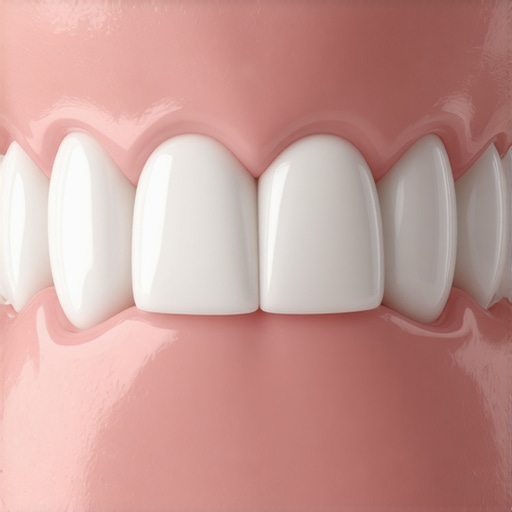
I remember the moment vividly—a routine teeth cleaning that turned into a mini panic when I noticed a tiny chip on my front tooth. It wasn’t painful, but it was a glaring cosmetic flaw that made me cringe every time I caught my reflection. That small crack sparked a flood of concerns: Would this require a complicated and costly fix? Would it break further, causing more damage? I knew I wasn’t alone in this experience. Many people face similar worries about their dental repairs and the long-term health of their teeth.
Finding the Right Solution for Long-Lasting Confidence
Over the years, I’ve seen what makes some dental restorations stand the test of time, and others fall apart within a few years. One of the most common choices used to be traditional metal crowns, but increasingly, I’ve been recommending zirconium crowns—a material that’s gaining a reputation as the new gold standard in dental care. Why? Because zirconium offers a blend of durability, aesthetics, and biocompatibility that metal simply can’t match.
If you’ve ever questioned whether a crown is worth the investment or wondered what makes zirconium so special, you’re not alone. At the end of this post, I promise you’ll have the knowledge to decide whether zirconium crowns might be the best choice for your dental needs—and, more importantly, your peace of mind.
Is Zirconium Crowns Actually Worth the Hype?
Early in my career, I made the mistake of recommending cheaper alternatives without fully exploring the benefits of zirconia. I learned quickly that cutting corners on materials often leads to more frequent replacements and discomfort later down the line. It’s essential to understand what sets zirconium apart and how it can protect your smile long-term. According to recent research, zirconia crowns have a lifespan that surpasses many traditional options, often lasting 15 years or more with proper care (source).
So, if you’re tired of constant repairs and want a solution that combines strength with natural appearance, zirconium crowns might be exactly what you’re looking for. Let’s explore how they work and why so many families are choosing this smart, long-lasting option for their dental health.
Master Your Daily Oral Routine
Building a strong foundation starts with a consistent oral routine. During my own attempt to improve my dental health, I dedicated 5 minutes each morning and night solely to thorough brushing and flossing. I used a soft-bristled electric toothbrush to ensure gentle cleaning, reaching every surface, especially around my new zirconium crowns. Remember, daily habits are your first defense against decay and future issues. For optimal results, incorporate gentle tongue scraping and consider using an antibacterial mouthwash once a day to reduce bacteria build-up.
Set Up a Family-Friendly Routine
When managing multiple family members, I found that establishing routine timers and fun incentives encouraged children to brush properly. Creating a visual chart to track daily habits helped my kids stay motivated. Teaching proper brushing technique—small circular motions with a focus on gumlines—was crucial, especially for those with crowns, to avoid damage or dislodgement. Regularly reviewing these habits with your family ensures everyone maintains healthy teeth and gums, including delicate restorations. Check out effective home practices for more tips.
Strategic Cleaning for Crowns and Natural Teeth
Cleaning around crowns differs slightly from natural teeth; I learned this firsthand when I noticed some staining around my restoration. To prevent plaque accumulation that can compromise the crown’s bond, I used interdental brushes to reach tight spots. Daily flossing with waxed floss avoids pulling or damaging the crown margins. For deeper cleaning, a water flosser proved efficient—I’ve been amazed at how much debris it dislodges from hard-to-reach areas. It’s important to choose tools that won’t scratch or harm your crowns. For comprehensive guidance, I refer to best practices for crown maintenance.
Balance Diet to Strengthen Enamel
Diet plays a vital role in oral health. I swapped sugary snacks for crunchy vegetables and dairy, which provide calcium and phosphates to strengthen enamel—especially important when you have restorations. Juices and acidic foods can erode enamel and affect crown longevity, so moderation is key. Staying well-hydrated with water helps wash away food particles and neutralize acids. For tailored advice on nutrition’s impact on your teeth, explore best foods for a healthy smile.
Schedule Regular Professional Cleanings
I learned that no matter how diligent I was at home, professional cleanings are essential to catch issues early. During my visits, the hygienist used specialized tools to remove tartar buildup around my crowns that regular brushing couldn’t reach. Routine check-ups also allow the dentist to assess the integrity of restorations and detect potential problems before they require expensive repairs. I recommend aligning these cleanings with your dentist’s advice—typically every six months—to keep your smile in top shape. More insights on this can be found in regular cleanings’ benefits.
Protect Your Crown During Activities
While playing sports, I always wore a protective mouthguard, especially since I’d had a crown placed. Impact can loosen or crack restorations; a sturdy, well-fitted mouthguard absorbs shock and prevents damage. Even simple habits like avoiding biting into hard foods—like ice or hard candies—are crucial. When I accidentally chipped my tooth on a snack, I immediately rinsed with warm water and scheduled a dental appointment, understanding that prompt action minimizes complications. To learn more about protecting your dental work, see preventive tips.
Adopt Long-Term Maintenance Strategies
Consistent habits right after getting a crown can significantly extend its lifespan. Regularly inspecting your restorations for signs of wear or staining helps catch problems early. I adopted a habit of examining my crowns in the mirror weekly, noting any changes or discomfort—any sign of loosening or sensitivity prompts an immediate visit. Additionally, I learned that avoiding overuse of whitening agents around crowns is important, as some can harm the material’s surface. For ongoing tips on maintaining your dental crowns, consult crown care tips.
,
Many believe that brushing once a day or using a manual toothbrush is sufficient to maintain optimal oral health. However, in my experience working with patients, this misconception often leads to overlooked nuances that can compromise long-term dental wellness. The popular myth that “more brushing equals better cleaning” is a classic trap. Overbrushing, especially with abrasive toothpaste or hard-bristled brushes, can erode enamel and damage gum tissue, increasing sensitivity and recession. Instead, focusing on effective technique and proper frequency—usually twice daily—has proven more beneficial (Check expert advice here).
Another pervasive mistake revolves around family dentistry routines. Many assume that a quick daily brush suffices for children and adults alike without considering their unique needs. For example, children’s growing teeth and developing enamel require gentle, adapted approaches and periodic professional supervision. Consistently, I see families neglect regular check-ups, which are crucial for catching early signs of decay or issues with restorations like crowns (Explore family dentistry strategies). Skipping these visits might seem convenient, but it often results in more complex problems down the line.
Why do I keep hearing about crowns and their durability, but overlook the importance of proper placement and maintenance?
This is a nuanced area that many overlook. A crown’s longevity isn’t just about material quality—though zirconium crowns are undeniably durable (Learn about crown lifespan)—but also how well it fits, how you maintain it, and avoiding stress on the restoration. Improperly fitted crowns can trap plaque, leading to decay underneath or gum inflammation. Additionally, neglecting proper oral hygiene around crowns, especially in hard-to-reach areas, can cause accelerated wear or decay. I often advise patients on the critical importance of specialized cleaning techniques around crowns, like interdental brushes or water flossers, to prevent common pitfalls (Discover crown care tips).
Moreover, there’s a misconception that all whitening agents are safe for crowns. In reality, some whitening products can alter the appearance of natural teeth while leaving crowns unchanged, leading to mismatched shades—aesthetic errors that can affect confidence. Knowing which treatments are safe and effective for restorations can save you from unnecessary discoloration or even damage. Consulting with your dentist beforehand ensures your oral health routine aligns with your aesthetic goals (Find out safe whitening options).
Building a comprehensive understanding of these nuanced aspects can dramatically improve your long-term dental health and aesthetics. Remember: consistent, tailored care and professional guidance often outperform quick fixes or generalized advice. Do you think you’re falling into any of these common traps? Let me know in the comments!
Mastering Maintenance with Precision Tools
Achieving lasting oral health requires not just good habits but also the right equipment to support them. Personally, I swear by the Sonicare DiamondCleanSmart electric toothbrush, which offers multiple cleaning modes and real-time feedback, ensuring I reach all surfaces, especially around crowns and delicate restorations. Its pulsing technology effectively disrupts plaque, reducing the risk of decay underneath crowns, which, according to expert guidance, is crucial for longevity.
How do I maintain my tools over time?
I replace my toothbrush head every three months or sooner if I notice fraying. Regularly cleaning the device itself with disinfectant wipes prevents bacterial buildup. For flossing, I prefer waxed, shred-resistant floss that glides smoothly between teeth and around crowns, minimizing damage. Water flossers like the Waterpik Aquarius have become invaluable; the pressurized water dislodges debris from hard-to-reach spots and helps keep crowns pristine, aligning with cleaning insights.
Investing in Family Dental Care
In my experience, having a set routine with specialized tools makes a difference across all ages. For children, I recommend the Philips Sonicare for Kids, which includes a built-in timer making the two-minute brushing habit more engaging. For adults, a cordless water flosser can be a game-changer, particularly for those with crowns, bridges, or orthodontic appliances. Consistently maintenance of these tools and proper technique can extend their lifespan and ensure optimal performance.
Where is this trend heading?
Looking ahead, I predict smart, AI-integrated dental devices will revolutionize home care. Imagine toothbrushes that analyze your brushing patterns and provide personalized feedback, potentially syncing with your smartphone for tracking progress. This technology promises to refine our routines further and catch issues early.
Protecting Your Restorations During Active Days
For those involved in sports or physically demanding activities, I highly recommend custom-fit mouthguards. They absorb impact and are much more comfortable than generic options, significantly reducing the risk of crown dislodgment or cracking. Additionally, I advise avoiding hard foods, which can exert undue pressure on crowns, leading to damage. Incorporating these simple yet effective tools can save you from costly repairs and discomfort, a sentiment echoed in professional advice.
Build a culture of ongoing care
Scheduling regular checkups and professional cleanings—at least twice a year—is essential. During these visits, specialized instruments and gentle ultrasonic scalers remove tartar and plaque build-up that home tools can’t reach. Staying ahead of potential issues not only prolongs the life of your crowns but also preserves your overall oral health. Remember, investing time in maintenance today pays dividends in your confident smile tomorrow.
Don’t overlook the importance of consistent tool upgrades and proper hygiene techniques. For instance, exploring advanced flossing options like the Waterpik or upgrading to a sonic toothbrush can radically improve your results. I encourage you to try incorporating a water flosser into your routine—it’s one of the most effective ways to keep crowns and natural teeth shining for years to come, as supported by recent research (see expert tips).
Remember, your choice of tools and how you use them can make all the difference. Stay proactive, and your smile will thank you in the long run.
The Hidden Lessons I Learned About Dental Restorations
- Choosing zirconium crowns was a game-changer—initially, I believed cheaper materials were sufficient, but I discovered quality drastically extends durability and aesthetics, saving me time and money in the long run.
- Consistent home routines aren’t just about cleanliness—they’re about respecting your restorations. I realized that neglecting gentle cleaning techniques caused premature wear on my crowns, emphasizing the importance of proper tools and habits.
- I underestimated the power of professional checkups, often thinking they were optional. However, early detection during routine visits prevented minor issues from becoming costly problems, reinforcing that professional care is essential for lasting confidence.
- The myth that all whitening agents are crown-safe is dangerous. I found that tailored whitening treatments protect the shade harmony between natural teeth and restorations, preserving my smile’s natural beauty.
- Finally, I learned that proactive protection—like wearing mouthguards during sports—saves more than just teeth; it preserves your peace of mind and confidence, proving prevention is truly better than repair.
My Top Picks for Dental Confidence Tools
- Sonicare DiamondCleanSmart: Its advanced sonic technology ensures thorough cleaning around crowns, which I trust for its proven efficacy and gentle experience.
- Waterpik Aquarius Water Flosser: Dislodging debris from hard-to-reach areas keeps crowns pristine—I’ve noticed a clear difference using it regularly.
- Essence of Expert Advice: Regular consultations and tailored maintenance plans from trusted dentists ensure I stay ahead of potential issues—check this resource for professional guidance.
- Gentle Oral Care Routine: Incorporating soft brushes and interdental tools minimizes wear and protects my restorations, maintaining their shine and strength over years.
Your Journey Starts Now—Smile with Confidence
Your commitment to diligent care and smart choices can truly transform your dental health and confidence. With the right knowledge, tools, and habits, you hold the power to enjoy a resilient, beautiful smile for years to come. Remember, every step you take today reinforces your long-term success in oral health. Are you ready to embrace this journey towards a lifetime of confident, healthy teeth?