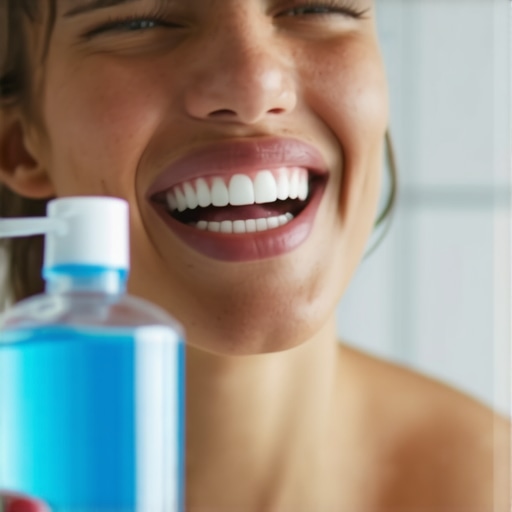
I remember the moment clearly—spitting out my mouthwash and feeling a strange, slightly sticky sensation lingering that I couldn’t quite explain. Despite swishing for the recommended time, I wondered, “Is this actually making a difference?” It’s a frustrating feeling shared by many, especially when you’re trying to maintain dental health on your own.
How to Know If Your Mouthwash Is Truly Working
Many of us rely on mouthwash as a part of our daily oral hygiene routine, hoping it helps fight bacteria, freshen breath, and prevent cavities. But have you ever questioned whether it’s actually doing its job? It’s a common dilemma—how can you tell if your mouthwash is effective or just a glorified breath freshener? Early on, I made the mistake of assuming a swish was enough without verifying the results. That assumption left me unsure whether my efforts were paying off.
Is Mouthwash Effectiveness Just Hype?
A question I wrestled with for years. The truth is, not all mouthwashes are created equal. Some contain active ingredients like chlorhexidine or alcohol that can significantly impact your oral health, while others may be more cosmetic in nature. Studies show that certain rinses can reduce plaque and gingivitis if used correctly and consistently, but you need to be able to gauge whether your specific product is making a difference (source: https://periodontistcare.com/the-impact-of-regular-teeth-cleaning-on-overall-oral-wellness).
One of my biggest early mistakes was not paying attention to the subtle signals that indicate effectiveness. I simply rinsed and hoped. Over time, I learned that observing specific signs—like decreased bad breath, cleaner teeth, or healthier gums—can tell you more than the label or the marketing claims. This realization was a game-changer, inspiring me to develop a simple way to assess whether my mouthwash was actually working.
Are you tired of wondering if your mouthwash is just a placebo or genuinely helping your smile? If so, stay tuned—because what follows are practical, easy steps to finally uncover the truth about your rinse. From observing taste changes to noticing oral health improvements, I’ll walk you through how to be confident that your efforts are making a real difference.
Observe Changes in Your Oral Environment
Start by paying attention to how your mouth feels after rinsing. Has your breath improved? Are your teeth feeling cleaner? A noticeable freshening indicates the active ingredients are working. I once forgot to check and kept rinsing without noticing any difference, which made me realize that awareness is key to gauging effectiveness.
Track Your Gum and Tooth Health Over Time
Make it a habit to assess your gums and teeth weekly. Look for signs like reduced bleeding during brushing or flossing, or diminished plaque buildup. I kept a simple journal of my observations, noting improvements or persistent issues. If you’re seeing less redness and swelling, your mouthwash likely contributes positively to your oral health.
Compare Results Before and After Using Different Mouthwashes
Experiment with switching products. Use one brand consistently for a week, then swap to another. Record what changes you notice. Once, I tested two rinses—one with chlorhexidine and another with herbal ingredients—and found that the chlorhexidine provided more effective plaque control, confirming its potency for my needs.
Incorporate Check-Ups and Professional Cleanings
Regular visits to the dentist are essential. Professionals can identify issues you might miss—like early cavities or gum disease—and confirm whether your home routine, including mouthwash, is helping. I scheduled professional cleanings after a month of diligent rinsing, and the hygienist noted healthier gums, validating my efforts.
Use Surfaces or Indicators to Test Effectiveness
Apply a simple test: swab your teeth or gums before rinsing, then after, to see if plaque or bacteria levels decrease. While more technical testing may require a dental lab, these quick visual checks can offer immediate insights. I once used an at-home plaque disclosing tablet to assess the residual plaque and saw significantly less after rinsing.
Watch for Changes in Breath and Oral Comfort
Consistent fresh breath and reduced mouth dryness are good signs. If your breath remains foul or you experience irritation, the mouthwash might not be effective or suitable for you. I corrected my routine after noticing persistent bad breath, switching to a different formula that better suited my oral environment.
Stay Consistent and Patient
Remember, improvements take time. Use your chosen mouthwash as directed for at least two weeks before reassessing. Skipping days or inconsistent use can mask true results. I learned this by sticking to my routine and observing gradual progress, which kept me motivated.
Even among dental professionals, there’s a surprising amount of misinformation and misconceptions about oral health that many people unknowingly fall into. Let’s dig deeper into some of these pitfalls, revealing the nuanced truths behind common beliefs.
Are You Falling for the Myths About Family Dentistry and Teeth Cleaning?
One widespread myth is that visiting the dentist only when you have pain or problems is sufficient. In reality, regular professional cleanings play a crucial role in preventing issues before they become painful or costly. Studies highlight that consistent cleanings can significantly reduce the risk of periodontal disease and other oral health problems, yet many overlook their importance, thinking brushing and flossing alone are enough. To truly understand your mouth’s needs, consider seeing a family dentist regularly, as emphasized in [family dentistry’s focus on building a lifetime of healthy smiles](https://periodontistcare.com/family-dentistry-focus-building-a-lifetime-of-healthy-smiles).
Beware the Trap of Overusing Teeth Whitening
Many believe that frequent whitening will keep their smile bright forever, but excessive use can damage enamel and lead to increased sensitivity. The nuance here is understanding the limits of whitening and following professional guidance. Researchers warn that over-bleaching can compromise enamel integrity, sometimes causing more harm than good. For long-term results, it’s wise to consult an expert and utilize proven methods, like those detailed in [how to make teeth whitening results last longer](https://periodontistcare.com/how-to-make-teeth-whitening-results-last-longer).
The Hidden Dangers of Ignoring Crowns and Restorations
Many assume that once a crown is placed, it’s set and forget. But this ignores the importance of ongoing care and the subtle signs of deterioration or misfit that can compromise oral health. Small issues, like a loose crown or marginal decay, often go unnoticed until they cause significant problems. Professional advice stresses the importance of regular check-ups to monitor crowns’ condition, as discussed in [maintaining your dental crowns](https://periodontistcare.com/maintaining-your-dental-crowns-dos-and-donts-for-best-results).
Advanced Mistake: Underestimating the Impact of Gum Recession
One common misconception is that gum recession is solely a cosmetic issue, not knowing its deeper implications, such as increased sensitivity and the risk of root decay. Early intervention is critical; delaying can lead to more invasive treatments or tooth loss. Experts recommend proactive measures, including targeted deep cleanings and proper brushing techniques, which are outlined in [tips for preventing further gum recession](https://periodontistcare.com/why-your-gums-might-be-swelling-around-a-specific-crown).
The reality is: oral health is a complex interplay of habits, timely professional care, and understanding subtle cues. Don’t let myths and oversights undermine your smile. By diving into these nuances, you can avoid common pitfalls and maintain optimal oral wellness for years to come.
Have you ever fallen into this trap? Let me know in the comments! Your experience might help others uncover hidden pitfalls in their oral health journey.Maintaining ongoing oral health success requires more than just basic habits; it demands the right tools and a strategic approach. For managing crowns and ensuring thorough teeth cleaning, I rely heavily on a high-quality electric toothbrush, such as the Oral-B Genius X. Its pulsating action and smart technology not only remove plaque more effectively than manual brushes but also help protect sensitive areas around crowns and restorations. Coupled with a water flosser like the Waterpik Ultra, I find it invaluable for cleaning around hard-to-reach spots and underneath dental appliances, which traditional floss can’t always access. Additionally, using disclosing tablets periodically reveals plaque buildup that might be missed otherwise, prompting me to target those areas more precisely.
Investing in a handheld UV sterilizer for your toothbrush is another game-changer—keeping your daily tool hygienic and free from bacteria, which research indicates can contribute to oral infections. Looking ahead, I believe technology will increasingly integrate AI with home dental devices, offering real-time feedback and personalized care tips to enhance long-term results.
**How do I maintain my dental health tools over time?** Regular replacement of toothbrush heads—every three months or sooner if bristles fray—is essential to preserving cleaning efficacy. Proper cleaning of devices after each use prevents bacterial buildup; for example, running your water flosser through a vinegar rinse monthly can eliminate mineral deposits and mold risks. I also sanitize my dental tools with UV sterilizers weekly, which is supported by studies demonstrating their effectiveness in reducing microbial contamination.
Consistent maintenance of your tools is fundamental to realizing lasting benefits from your oral health regimen. I highly recommend trying the UV sterilizer; it’s an advanced step that adds peace of mind and contributes to better hygiene. For more tips on long-term care, you can explore useful guidance on maintaining your crowns and ensuring their longevity.
What I Wish Someone Told Me About Oral Health Success
- One of the toughest lessons was realizing that consistency beats intensity. Skipping a single day of your oral routine can set back months of progress, emphasizing the importance of daily habits over quick fixes.
- I learned that not all mouthwashes are effective for everyone. It took me experimenting with different formulations and paying close attention to my body’s signals to find what truly benefits my smile.
- The biggest breakthrough came when I understood that professional cleanings complement home care. Regular visits to the dentist prevent minor issues from turning into costly repairs, an insight I wish I had embraced earlier.
- Another eye-opener was recognizing subtle signs of gum health. Reduced bleeding and sensitivity often indicate improvements that aren’t immediately obvious, reminding me to listen to my body’s whispers rather than just looking for signs of problems.
Tools and Ideas That Made a Difference
- High-quality electric toothbrushes like the Oral-B Genius X have transformed my daily cleaning, providing consistent and thorough plaque removal that manual brushes can’t match.
- A water flosser such as the Waterpik Ultra is invaluable for reaching tricky spots around crowns and braces, making my flossing routine more effective and less time-consuming.
- Disclosing tablets give me a clear view of plaque buildup, ensuring I target areas I might otherwise miss, and maintaining a fresher, healthier mouth.
- Incorporating a UV toothbrush sterilizer has elevated my hygiene standards, helping me keep my toothbrush free from bacteria and reducing the risk of infections.
Feel Empowered to Take Charge of Your Smile
Understanding the deeper truths behind oral health, especially when it comes to teeth cleaning and crowns, empowers you to make informed decisions. Your journey to a healthier, more radiant smile is unique—embrace it with confidence, guided by knowledge and a proactive attitude. Remember, every small step counts toward lasting oral wellness.
What’s a simple change you’ve made recently that improved your oral health? Share your story below—your experience might inspire someone else to take that first step!