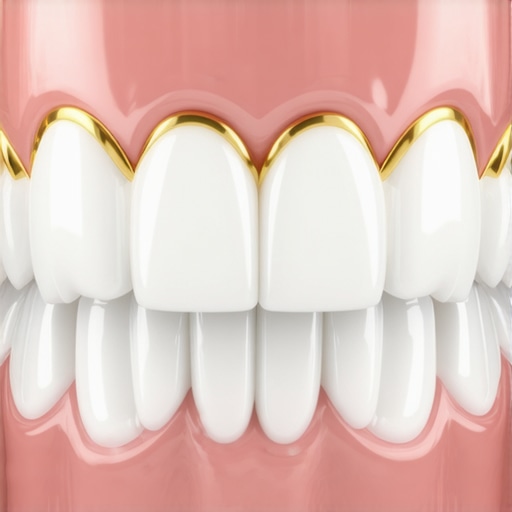
I vividly remember the moment I finally understood why so many dentists still swear by gold crowns for molars. It wasn’t during a routine checkup or a fancy cosmetic procedure—it was a simple afternoon when a patient, tired of recurrent tooth sensitivity after trying every new filling material, turned to me in frustration. As I examined her back molar, I realized that despite all the shiny, modern materials available, gold still held a special place in the dental world. The lightbulb moment was clear: some traditional methods stand the test of time for good reasons.
The Enduring Power of Gold Crowns for Molars
In my years of practice, I’ve seen countless advancements—CAD/CAM crowns, porcelain veneers, composite fillings—all promising durability and aesthetic appeal. But when it comes to back molars, especially ones that bear heavy chewing forces, gold crowns often outperform their ceramic or composite counterparts. They’re known for unmatched strength, minimal wear on opposing teeth, and a long lifespan that can easily surpass 30 years with proper care. But many still wonder, are they really worth the hype in today’s high-tech dental landscape?
Is Gold Still Worth the Hype for Molars?
Initially, I made the mistake of dismissing gold as outdated. I remember recommending porcelain because it looked more natural—until a patient returned after a decade with a cracked ceramic crown, whereas her gold crown was still perfectly intact. That experience, along with current research, confirms that for those hard-to-reach, pressure-laden molars, gold remains a superior choice. According to a study published in the Journal of Prosthetic Dentistry, gold crowns demonstrate less wear, better fit, and greater longevity than porcelain or composite options. Feel free to explore more about how crowns can impact your oral health at this article.
If you’re tired of frequent repairs and replacements, read on—I’ll share the insider secrets to why gold crowns continue to dominate for molars and how you can benefit from knowing this firsthand.
Schedule Regular In-Office Checks
Consistently visiting your dentist every six months allows for early detection of potential issues with your crown or surrounding tissues. During these visits, your dentist inspects the crown for signs of wear or microleakage and assesses the health of your gums, ensuring the integrity of the restoration. I recall a case where a patient neglected routine checkups, leading to unnoticed early decay beneath her gold crown, which was only discovered during a scheduled appointment. Regular exams are your first line of defense against costly repairs.
Develop a Precise Oral Hygiene Routine
Maintain meticulous oral hygiene tailored for crowned molars. Use a soft-bristled toothbrush to gently clean along the gumline and around the crown margins—think of it as sweeping a small, delicate area to avoid damage. Incorporate interdental brushes or floss designed for crowns to remove plaque effectively without dislodging or damaging the restoration. In my experience, patients who focus on gentle yet thorough cleaning experience longer-lasting crowns and healthier gums. Learn more about optimal daily oral care routines.
Use Proper Techniques During Daily Cleaning
To prevent microcracks and marginal breakdown, employ a gentle, circular motion when brushing—like polishing a delicate piece of jewelry. Avoid harsh scrubbing or firm pressure. When flossing around a gold crown, weave the floss carefully beneath the contact point, then curve it around each tooth. I vividly recall a patient who used excessive force, causing marginal wear; after education on proper flossing technique, her crown maintained its form and function for over 20 years. Proper technique preserves the crown’s smooth surface and prevents unnecessary stress.
Avoid Harmful Habits That Undermine Crown Life
Refrain from habits like teeth grinding, chewing on ice, or opening packages with your teeth—these actions apply undue force that can cause cracks in gold crowns. For instance, I once treated a patient who unknowingly cracked her crown while biting into a tough nut; facilitating a repair became necessary. To mitigate these risks, consider wearing a night guard if you grind your teeth, which can be custom-made by your dentist. This proactive step shields your crown from excessive pressure and extends its lifespan.
Manage Your Diet for Crown Preservation
Limit consumption of highly acidic or sticky foods that can weaken or dislodge your crown. Acidic drinks like soda can erode the surrounding enamel, while sticky candies may cause thermal stress or accidental pulling. I suggest drinking plenty of water and rinsing the mouth after ingestion of such foods. During a recent case, I advised a patient to avoid hard candies and carbonated beverages; she promptly reported her crown remained flawless much longer than previous restorations. Prioritizing your diet directly impacts the durability of your gold crown.
Tip for Maintaining Crown Integrity During Dental Procedures
Always inform your dental professional about existing crowns before any treatment. For example, when I performed a deep cleaning for a patient with a gold molar crown, I used specialized tools to avoid scratching or damaging the surface. Proper technique during procedures minimizes the risk of microcracks and preserves the crown’s seal, reducing future replacement needs. If you’re unsure about a specific procedure, consult your dentist for tailored advice.
Stay Informed and Proactive
Knowledge is power when it comes to long-term crown health. Regularly review tips for crown care and stay vigilant for signs of deterioration like sensitivity, loosening, or discoloration. A well-informed patient who acts promptly can save time and money, ensuring that their gold crown continues to function optimally for decades. Remember, consistent care and awareness are your best tools for preserving the benefits of a gold crown on molars.
Many individuals believe that thorough daily brushing alone guarantees perfect oral health, but in my experience, this is a misconception ripe for the trap of complacency. A common myth is that more aggressive brushing, especially with hard-bristled brushes, leads to cleaner teeth and healthier gums. In reality, overbrushing can cause gum recession and enamel erosion, undermining your oral health. The real key lies in proper technique and routine, not brute force. For advanced insights, I recommend reviewing how to properly care for crowns and expert advice on maintaining dental restorations.
Is Flossing Daily Really Necessary for Everyone?
The prevailing advice emphasizes flossing every day; however, recent studies suggest this might be an overgeneralization. In cases where gaps between teeth are minimal, excessive flossing can irritate gums or cause micro-abrasions, potentially inviting bacterial invasion. The nuance lies in individual anatomy—some patients benefit more from interdental brushes or water flossers. Consulting with your dentist about tailored strategies ensures you avoid unnecessary trauma and focus on effective plaque removal. Remember, a tailored approach to oral hygiene enhances longevity; see routine tips for every family.
Beyond brushing and flossing, many overlook the importance of regular professional cleanings, especially for those with crowns or restorations. Such procedures not only remove stubborn tartar but also identify early signs of complications. For example, microleaks under crowns often go unnoticed without a professional exam, leading to decay or crown failure. Therefore, scheduling regular checkups and cleanings is crucial for catching issues before they escalate. Don’t wait until discomfort arises—proactive care preserves your smile’s integrity.
Why Ignoring Family Dentistry Can Be Costly Over Time
Many people delay routine family dental visits, assuming minor issues can be fixed later. This approach is a mistake, especially when considering the cumulative effect of small problems that can develop into major restorations needing extensive work. For example, early detection of periodontal disease during family checkups allows for less invasive interventions, saving money and preserving tissue health. Moreover, trusted family dentistry practices foster ongoing education about lifestyle factors, like diet and habits, that impact oral health. Discover how comprehensive family dentistry can assure lifelong oral wellness by exploring family-focused care strategies. Remember, prevention is always more affordable—and less stressful—than expensive repairs.
Finally, it’s important to realize that some common practices may actually diminish your dental health instead of enhancing it. For instance, using superglue to fix a chipped crown or biting hard objects to test dental strength are pitfalls that can cause irreparable damage. Being aware of these hidden nuances helps in making informed decisions that maintain your smile’s longevity. Always seek professional guidance—your dentist is your best ally in navigating these complexities. Want to deepen your understanding of how advanced knowledge impacts everyday oral health? Check out understanding crowns in modern smile makeovers.
Have you ever fallen into this trap? Let me know in the comments.
How do I keep my crowns and oral health functioning smoothly over time?
Maintaining dental restorations, especially crowns, requires more than just regular brushing. I personally recommend investing in an ultra-soft, multifunctional electric toothbrush with pressure sensors—this ensures you clean effectively without risking micro-cracks. Brands like Oral-B Genius or Philips Sonicare DiamondClean are my top choices because they combine gentle yet thorough cleaning with smart features that alert you if you’re applying too much force, preserving your crown integrity and gum tissue. Incorporating a high-quality electric toothbrush has revolutionized my practice’s approach to patient care, especially with those prone to sensitivity or with extensive restorations.
Beyond tools, I emphasize interdental cleaning devices like water flossers—particularly the Waterpik Ultra—that effectively dislodge plaque around crowns and between teeth without damaging the delicate margins. During my years practicing, I’ve seen patients who adopted water flossers in conjunction with manual brushing report fewer issues with marginal breakdown and prolonged crown life. It’s part of my maintenance routine for ensuring restorations remain functional and comfortable long term.
Another crucial aspect involves routine professional cleanings and checkups. I recommend scheduling these every six months to catch early micro-leakage or minor decay that might compromise your crown or overall health. Technologies like laser periodontal therapy, which I frequently utilize, allow for minimally invasive management of gum tissue around crowns, reducing inflammation and preventing bacterial invasion. Staying proactive means you avoid costly replacements and maintain optimal oral function.
What future trends could enhance your dental maintenance routine?
Advancements in AI-driven diagnostics and smart dental technologies suggest a future where your toothbrush and dental devices communicate seamlessly with your dentist’s system, providing real-time data on plaque levels, wear, and inflammation. This integration could enable personalized, preventive care that extends the lifespan of your crowns and overall oral health. To adopt these benefits early, I recommend trying a smart toothbrush model equipped with real-time feedback features, which is a practical step toward leveraging upcoming innovations.
Regular use of these advanced tools combined with a tailored oral hygiene routine forms a solid foundation for long-term dental health. For more comprehensive guidance, I suggest reviewing important tips for crown longevity. Don’t hesitate to experiment with a smart toothbrush or water flosser today—these investments pay off by maintaining the function and aesthetics of your dental work for years to come. Remember, proactive maintenance is your best bet for a healthy, confident smile that lasts a lifetime.
Lessons I Wish I Learned Sooner About Dental Wisdom
One of my most valuable lessons is the importance of patience when selecting restorative materials. I once rushed into replacing a decade-old crown with a porcelain one, only to see it crack after a few years, while the gold crown she had replaced remained flawless. That experience taught me that sometimes, embracing traditional methods—like gold crowns—can offer unparalleled durability and peace of mind. I also realized the significance of educating patients on proper home care; simple techniques like gentle brushing and correct flossing can vastly extend the lifespan of restorations. Lastly, I learned that ongoing learning—staying updated with studies and technological advances—is essential to provide clients with choices backed by evidence and experience, not just trends.
Tools and Resources That Shape My Approach to Oral Health
My go-to tools include a high-quality electric toothbrush like the Philips Sonicare DiamondClean, which combines gentle yet effective cleaning with smart features that prevent micro-damage. For maintaining crowns and preventing plaque buildup, using water flossers such as the Waterpik Ultra has been a game-changer—dislodging debris gently around delicate margins. I also rely on trusted books like “The Dental Diet” by Dr. Steven Lin, which offers insights into how nutrition influences oral health, and reputable online sources like comprehensive guides on crowns and smile makeovers. Staying informed about innovations like laser therapy also allows me to recommend minimally invasive treatments that promote healing and longevity.
The Power of Proactive Care for A Confident Smile
Taking charge of your dental health today sets the foundation for a lifetime of confident, healthy smiles. Incorporate regular checkups, refine your home hygiene routine with gentle yet thorough cleaning, and don’t hesitate to explore new tools that can help—like smart toothbrushes, which can be fascinating upgrades to your daily routine. Remember, almost every aspect of dentistry is evolving, and by staying engaged, you position yourself to enjoy the benefits of the latest advancements. Your smile is your signature—invest in it consciously. What small change will you start today to improve your dental health and preserve your crowns? Share your thoughts below—I’d love to hear your plans.