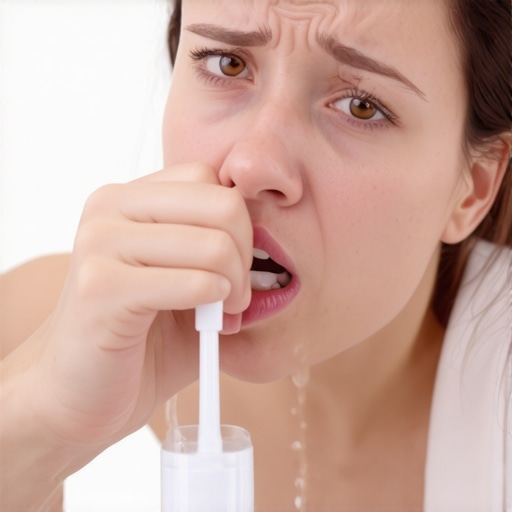
It was a morning like any other, until I caught sight of my reflection and noticed my gums looking a little off—kind of pale, not the vibrant pink I usually pride myself on. That was the moment I realized I’d been making a simple yet widespread mistake with my water flosser that was sabotaging my oral health. I’d been so focused on just aiming and blasting away that I overlooked the real secret to effective water flossing.
The Secret to Better Water Flossing: Are You Doing It Wrong?
Many of us, myself included early on, believe that water flossers are a quick fix, a tool that can magically clean in seconds. But the truth is, the way we use these devices can make all the difference between healthy gums and problems down the line. And here’s the kicker—I was making a rookie mistake that could have led to gum irritation or even compromise my dental crowns.
If you’ve ever felt like your gums are bleeding after using a water flosser, or you just aren’t seeing the benefits you expected, you’re definitely not alone. I used to think that just aiming the stream at my teeth was enough. Turns out, it’s not that simple.
What I didn’t realize at first was that effective water flossing involves more than just squirting water between your teeth. It’s about technique, angle, and understanding your individual oral needs. This realization prompted me to dig deeper, explore credible sources, and talk with dental health professionals. Interestingly, studies have shown that proper water flossing can significantly improve gum health when done correctly—sometimes even more effectively than traditional flossing for people with certain dental appliances or crowns.
In this article, I promise to share my journey from beginner mistake to confident water flosser user, and how you can avoid common pitfalls that could be damaging your smile. Whether you have crowns, braces, or just want healthier gums, mastering this simple tool can make a huge difference.
Are you currently facing issues like gum bleeding or inconsistent results with your water flosser? If so, keep reading. We’ll go through step-by-step instructions, expert tips, and common mistakes to dodge, so you can enjoy a brighter, healthier smile every day.
Let’s start by looking at the biggest mistake many make—aiming without purpose—and how correcting it can upgrade your entire oral routine. Ready to take your dental hygiene to the next level? Let’s dive in.
Position Your Water Flosser Correctly
Hold the water flosser at a 90-degree angle to your gumline, aiming the tip just above the gumline but not directly into it. Imagine gently cresting a wave; your aim is to follow the contour rather than blast water blindly. During my first attempt, I tilted the nozzle too steeply, causing water to splash outside my mouth. After adjusting the angle, I noticed less mess and improved comfort.
Target the Gumline with Precision
Focus on the area where the teeth meet the gums. Glide the tip along the gumline, pausing briefly at each tooth to dislodge plaque. Think of it like cleaning the edge of a window frame; thorough attention at this junction prevents buildup that can lead to inflammation. I learned this personally when I spent extra seconds along my molars, which significantly reduced bleeding and irritation.
Use a Gentle, Steady Motion
Instead of forcefully pressing the tip against your gums, let the water flow do the work. Use a slow, sweeping motion to cover all interdental spaces. During a messy session, I accidentally squeezed too hard, causing discomfort. Loosening my grip resulted in a more comfortable experience and better cleaning in hard-to-reach areas.
Divide Your Mouth into Sections
Break your mouth into quadrants—upper right, upper left, lower right, lower left—and dedicate a few seconds to each. This systematic approach ensures no zone is neglected. I found that focusing on one section at a time helped me maintain consistency, especially when tired or distracted.
Adjust Water Pressure Thoughtfully
Select a moderate pressure setting suitable for your comfort. High pressure might seem efficient but can cause gum sensitivity or bleeding if misused. Start low, then gradually increase if needed. My early overshooting at high pressure left my gums sore; dialing it down made it gentler yet effective, especially around crowns and sensitive areas.
Incorporate Water Flossing into Your Routine
Consistency matters. Use the water flosser after brushing, ideally once daily, to maximize benefits. This routine keeps plaque at bay and supports periodontal health. Over time, I noticed my gums looked healthier, and my dental visits became smoother.
Remember, mastering water flossing is about technique, not just aiming and blasting. Proper method enhances safety, effectiveness, and comfort, helping preserve your dental work and overall oral wellness. For more tips on maintaining your crowns or family dental health, check out these effective home practices. Regular practice, patience, and proper technique will transform your water flossing from an uncertain ritual into a powerful tool for lifelong smile health.
Many people believe that brushing twice a day and occasional flossing are enough to maintain optimal oral health, but this oversimplification masks several common misconceptions. One such myth is that traditional flossing is superior to water flossing, yet recent studies suggest that water flossers can be more effective, especially for individuals with crowns, bridges, or braces, when used correctly. However, many still use these devices improperly, skipping the essential technique adjustments that maximize their benefits, leading to ineffective cleaning and even gum irritation.
Another widespread misconception involves the role of fluoride. While it’s widely promoted for cavity prevention, some individuals avoid fluoride altogether, fearing potential health risks. But according to experts, fluoride’s benefits in strengthening enamel and reducing decay are well-documented and crucial for long-term dental health. Neglecting fluoride treatments or toothpaste usage can make teeth more susceptible to decay, especially as we age and enamel naturally thins.
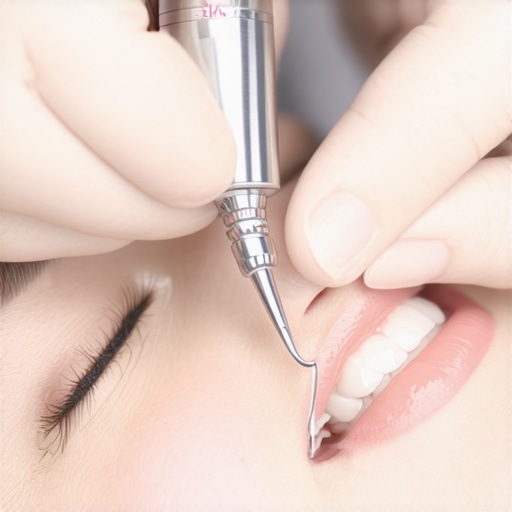
People often underestimate the importance of professional cleanings, assuming daily brushing can replace dental visits. However, regular professional cleanings not only remove stubborn plaque and tartar that brushing misses but also allow dentists to spot early signs of issues like gum disease or micro-leaks around crowns. Missing these signs can lead to more complex problems down the line, particularly when dealing with existing dental restorations or aging crowns.
Speaking of crowns, many mistakenly believe that once a crown is placed, it requires no further maintenance. In reality, crowns are vulnerable to micro-leakage, decay at the margins, or even chipping if not cared for properly. Regular check-ups and proper cleaning techniques—like avoiding abrasive scrubs—are essential to prolong their lifespan. For detailed advice, you can review dos and don’ts for crowns.
How many believe that brushing harder cleans better? In truth, aggressive brushing damages enamel and gums, leading to recession and increased sensitivity. Patients often fall into this trap, thinking they’re doing a good job, but the harm can be irreversible. Soft-bristled brushes and gentle pressure, combined with proper technique, are far more effective in maintaining healthy gums and preventing recession. For more on this, see family-friendly oral health tips.
For those with existing dental work, neglecting the specific care needed for crowns and implants is another sneaky mistake. Using abrasive toothpaste or improper flossing can damage restorations, costing more in repairs or replacements. Specialists recommend proper crown care to ensure longevity and shine.
Are you aware of these hidden pitfalls? Proper knowledge makes all the difference in preserving your smile and avoiding costly mistakes. Regular consultation with your dentist and understanding these nuances can help you maintain excellent oral health for decades. Stay proactive, and don’t let myths or overlook thresholds compromise your dental wellness. Let me know in the comments if you’ve ever fallen into this trap—your experience could help others avoid the same pitfalls.Maintaining optimal oral health requires more than just daily brushing and flossing; it involves using the right tools, regular maintenance, and understanding how to care for your dental investments over time. The good news is that with specific equipment and techniques, you can extend the lifespan of your crowns, implants, and overall oral wellness. In this section, I’ll share the tools I personally recommend, how to keep them functioning effectively, and what future trends might bring to dental maintenance.
Invest in a Quality Electric Toothbrush
For me, switching to an electric toothbrush was a game-changer. I prefer models with oscillating-rotating heads because they provide consistent, gentle cleaning without the need for excessive pressure—which can damage gums. I personally use the Philips Sonicare ProtectiveClean because of its built-in pressure sensor and customizable settings, which help prevent over-brushing and gum recession. Proper brush head replacement every three months ensures peak performance and hygiene. Staying on top of brush maintenance prevents bacteria buildup and ensures effective plaque removal, which is crucial for long-term restorations and natural teeth alike.
Incorporate a Water Flosser with Precision Settings
I’ve found that a water flosser with adjustable pressure settings, like the Waterpik Aquarius, offers superior interdental cleaning—especially around crowns and braces. I set mine to a moderate level to avoid gum irritation while still dislodging debris effectively. Regularly cleaning the device according to manufacturer instructions, such as descaling with vinegar solutions, keeps it functioning optimally. This tool complements daily brushing and can significantly reduce plaque buildup, supporting gingival health and preserving dental work.
Use a Sonic Tongue Cleaner
Sometimes overlooked, tongue hygiene can impact overall oral health. I recommend a sonic tongue cleaner, like the Orabrush, which vibrates gently to remove bacteria-laden coating. Integrating this into my routine helps reduce bad breath and minimizes bacterial transmission to restorations, preventing microleakage around crowns and implants. Consistent, gentle cleaning prevents biofilm buildup, which is critical for long-term stability of dental work.
Schedule Regular Professional Cleanings
Despite excellent daily maintenance, professional cleanings are irreplaceable. I schedule biannual visits to my dentist, where meticulous removal of tartar and plaque occurs—areas that home tools can’t reach effectively. Modern techniques, such as laser periodontal therapy, can also support gum health around crowns and implants. Staying proactive with these visits preserves your investment and catches potential issues early. For guidance tailored to your restorations, check out tips on maintaining your crowns.
Future Trends in Dental Maintenance
Looking ahead, innovations like IoT-connected toothbrushes and AI diagnostics hold promise for personalized, real-time oral health monitoring. These technologies will likely automate routine checks, flagging early signs of decay or gum disease and prompting timely interventions. Embracing these advancements now can prepare you for a future where preventative care is more precise and effortless. For now, integrating expert-recommended tools and establishing a disciplined routine will give you the best long-term results.
How do I keep my tools effective over time?
To ensure your dental tools continue to serve you well, regular cleaning and proper storage are essential. For instance, keep your toothbrush dry and upright to prevent bacterial growth, and replace brush heads as recommended. Water flossers should be descaled regularly with vinegar to prevent mineral buildup that hampers performance. Additionally, calibrating pressure settings on electric brushes and replacing worn-out parts keeps them functioning at peak efficiency. Remember, well-maintained tools are your best allies in preserving your smile for years to come. For ongoing advice, explore these family-oriented oral health tips.
Uncovering Hidden Pitfalls That Could Sabotage Your Smile
One of the most profound lessons I learned was that technique trumps tools. Using a water flosser isn’t just about blasting water between teeth; it’s about targeting the gumline precisely and with care. I used to rush through sessions, thinking speed was key, but I realized patience and proper positioning made all the difference. Applying gentle, steady pressure and dividing my mouth into sections transformed my routine from a failed experiment into a routine I trust wholeheartedly.
Another realization was the importance of understanding my individual oral needs. For instance, I have crowns and sensitive gums, so customizing water pressure and aiming for gentle angles preserved my restorations and prevented irritation. This tailored approach is something I wish I knew earlier, as it saved me discomfort and improved my results significantly.
My Essential Toolkit for Lasting Oral Wellness
Over the years, I’ve accumulated a few trusted tools that support my dental health. I swear by the Philips Sonicare ProtectiveClean electric toothbrush, which features a pressure sensor to prevent over-brushing—a crucial factor for preserving crowns and natural tissue. My Waterpik Aquarius remains my go-to for interdental cleaning, with adjustable settings allowing me to target specific areas without discomfort. Additionally, regular visits to my dentist for professional cleanings and checkups ensure that I catch potential issues early and keep my restorations in top shape.
For tongue hygiene, a sonic tongue cleaner has made a noticeable difference in freshening my breath and reducing bacterial buildup. These tools, combined with consistent routines, form the foundation of my oral health and give me confidence that I’m doing everything I can to maintain a bright, healthy smile.
Your Turn to Shine
Remember, effective water flossing isn’t about quick fixes but about mastering technique and understanding your unique oral landscape. Taking the time to refine your approach can lead to healthier gums, longer-lasting crowns, and a more radiant smile. So, what small adjustment will you make today to improve your water flossing game? Share your plans below—I look forward to hearing how you’re taking control of your oral health journey!