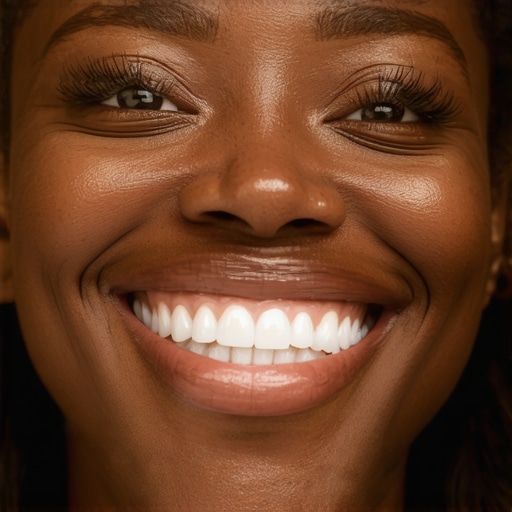
Category: Tooth Whitening Techniques

  • The Difference Between Professional Whitening and Over-the-Counter Kits

    The Difference Between Professional Whitening and Over-the-Counter Kits

    I’ll never forget the moment I looked in the mirror after trying an over-the-counter whitening kit. My teeth still looked dull, and somehow, I felt even more discouraged. It was one of those small frustrations that crept up on me—trying to brighten my smile, only to end up disappointed. That lightbulb moment made me question: Why does some whitening work wonders, and why do so many DIY options fall flat? If you’ve ever felt the same, you’re not alone. I want to help you understand the real difference between professional whitening and those store-bought solutions, based on my own journey and reliable research.

    Why Your Smile Isn’t Getting Bright Enough (and What to Do About It)

    Many of us are eager to improve our smile—after all, it’s often the first thing people notice. But what if your attempts at whitening are missing the mark? I used to spend money on whitening strips and gels, only to see minimal results. That’s when I discovered the importance of professional treatments, which are tailored to your teeth’s specific needs. Let me share my experience and some insights that might save you time, money, and frustration.

    Is the Hype Around Professional Whitening Just Overblown?

    I remember thinking, “Is all this fuss truly worth it?” early on. I made the mistake of assuming that a higher price meant better results, but I didn’t realize that application technique and formulation quality make a huge difference. For example, professional whitening agents are usually much stronger, applied by experts who understand how to minimize sensitivity and ensure even results. My early DIY efforts occasionally caused gum irritation, a mistake that could have been avoided with proper guidance. If you’re curious whether professional whitening is worth the investment, note that research shows it can lighten teeth by several shades in just one session—often more than over-the-counter options achieve even after repeated use. Plus, my experience taught me to choose the right approach to avoid damaging my enamel, which you can learn more about by checking this article on common enamel issues caused by improper products: are you compromising your enamel?

    So, what will help you get that brighter, healthier smile without risking damage or wasting money? Let’s dive into the practical differences and see which approach aligns with your goals.

    }#}#}#}#}#}#}#}#}#}#}#}#}#}#}#}#}#}#}#}#}#}#}#}#}#}#}#}#}#}#}#}#}#}#}#}#}#}#}#}#}#}#}#}#}#}#}#}#}#}#}#}#}#}#}#}#}#}#}#}#}#}#}#}#}#}#}#}#}#}#}#}#}#}#}#}#}#}#}#}#}#}#}#}#}#}#}#}#}#}#}#}#}#}#}#}#}#}#}#}#}#}#}#}#}#}#}#}#}#}#}#}#}#}#}#}#}#}#}#}#}#}#}#}#}#}#}#}#}#}#}#}#}#}#}#}#}#}#}#}#}#}#}#}#}#}#}#}#}#}#}#}#}#}#}#}#}#}#}#}#}#}#}#}#}#}#}#}#}#}#}#}#}#}#}#}#}#}#}#}#}#}#}#}#}#}#}#}#}#}#}#}#}#}#}#}#}#}#}#}#}#}#}#}#}#}#}#}#}#}#}#}#}#}#}#}#}#}#}#}#}#}#}#}#}#}#}#}#}#}#}#}#}#}#}#}#}#}#}#}#}#}#}#}#}#}#}#}#}#}#}#}#}#}#}#}#}#}#}#}#}#}#}#}#}#}#}#}#}#}#}#}#}#}#}#}#}#}#}#}#}#}#}#}#}#}#}#}#}#}#}#}#}#}#}#}#}#}#}#}#}#}#}#}#}#}#}#}#}#}#}#}#}#}#}#}#}#}#}#}#}#}#}#}#}#}#}#}#}#}#}#}#}#}#}#}#}#}#}#}#}#}#}#}#}#}#}#}#}#}#}#}#}#}#}#}#}#}#}#}#}#}#}#}#}#}#}#}#}#}#}#}#}#}#}#}#}#}#}#}#}#}#}#}#}#}#}#}#}#}#}#}#}#}#}#}#}#}#}#}#}#}#}#}#}#}#}#}#}#}#}#}#}#}#}#}#}#}#}#}#}#}#}#}#}#}#}#}#}#}#}#}#}#}#}#}#}#}#}#}#}#}#}#}#}#}#}#}#}#}#}#}#}#}#}#}#}#}#}#}#}#}#}#}#}#}#}#}#}#}#}#}#}#}#}#}#}#}#}#}#}#}#}#}#}#}#}#}#}#}#}#}#}#}#}#}#}#}#}#}#}#}#}#}#}#}#}#}#}#}#}#}#}#}#}#}#}#}#}#}#}#}#}#}#}#}#}#}#}#}#}#}#}#}#}#}#}#}#}#}#}#}#}#}#}#}#}#}#}#}#}#}#}#}#}#}#}#}#}#}#}#}#}#}#}#}#}#}#}#}#}#}#}#}#}#}#}#}#}#}#}#}#}#}#}#}#}#}#}#}#}#}#}#}#}#}#}#}#}#}#}#}#}#}#}#}#}#}#}#}#}#}#}#}#}#}#}#}#}#}#}#}#}#}#}#}#}#}#}#}#}#}#}#}#}#}#}#}#}#}#}#}#}#}#}#}#}#}#}#}#}#}#}#}#}#}#}#}#}#}#}#}#}#}#}#}#}#}#}#}#}#}#}#}#}#}#}#}#}#}#}#}#}#}#}#}#}#}#}#}#}#}#}#}#}#}#}#}#}#}#}#}#}#}#}#}#}#}#}#}#}#}#}#}#}#}#}#}#}#}#}#}#}#}#}#}#}#}#}#}#}#}#}#}#}#}#}#}#}#}#}#}#}#}#}#}#}#}#}#}#}#}#}#}#}#}#}#}#}#}#}#}#}#}#}#}#}#}#}#}#}#}#}#}#}#}#}#}#}#}#}#}#}#}#}#}#}#}#}#}#}#}#}#}#}#}#}#}#}#}#}#}#}#}#}#}#}#}#}#}#}#}#}#}#}#}#}#}#}#}#}#}#}#}#}#}#}#}#}#}#}#}#}#}#}#}#}#}#}#}#}#}#}#}#}#}#}#}#}#}#}#}#}#}#}#}#}#}#}#}#}#}#}#}#}#}#}#}#}#}#}#}#}#}#}#}#}#}#}#}#}#}#}#}#}#}#}#}#}#}#}#}#}#}#}#}#}#}#}#}#}#}#}#}#}#}#}#}#}#}#}#}#}#}#}#}#}#}#}#}#}#}#}#}#}#}#}#}#}#}#}#}#}#}#}#}#}#}#}#}#}#}#}#}#}#}#}#}#}#}#}#}#}#}#}#}#}#}#}#}#}#}#}#}#}#}#}#}#}#}#}#}#}#}#}#}#}#}#}#}#}#}#}#}#}#}#}#}#}#}#}#}#}#}#}#}#}#}#}#}#}#}#}#}#}#}#}#}#}#}#}#}#}#}#}#}#}#}#}#}#}#}#}#}#}#}#}#}#}#}#}#}#}#}#}#}#}#}#}#}#}#}#}#}#}#}#}#}#}#}#}#}#}#}#}#}#}#}#}#}#}#}#}#}#}#}#}#}#}#}#}#}#}#}#}#}#}#}#}#}#}#}#}#}#}#}#}#}#}#}#}#}#}#}#}#}#}#}#}#}#}#}#}#}#}#}#}#}#}#}#}#}#}#}#}#}#}#}#}#}#}#}#}#}#}#}#}#}#}#}#}#}#}#}#}#}#}#}#}#}#}#}#}#}#}#}#}#}#}#}#}#}#}#}#}#}#}#}#}#}#}#}#}#}#}#}#}#}#}#}#}#}#}#}#}#}#}#}#}#}#}#}#}#}#}#}#}#}#}#}#}#}#}#}#}#}#}#}#}#}#}#}#}#}#}#}#}#}#}#}#}#}#}#}#}#}#}#}#}#}#}#}#}#}#}#}#}#}#}#}#}#}#}#}#}#}#}#}#}#}#}#}#}#}#}#}#}#}#}#}#}#}#}#}#}#}#}#}#}#}#}#}#}#}#}#}#}#}#}#}#}#}#}#}#}#}#}#}#}#}#}#}#}#}#}#}#}#}#}#}#}#}#}#}#}#}#}#}#}#}#}#}#}#}#}#}#}#}#}#}#}#}#}#}#}#}#}#}#}#}#}#}#}#}#}#}#}#}#}#}#}#}#}#}#}#}#}#}#}#}#}#}#}#}#}#}#}#}#}#}#}#}#}#}#}#}#}#}#}#}#}#}#}#}#}#}#}#}#}#}#}#}#}#}#}#}#}#}#}#}#}#}#}#}#}#}#}#}#}#}#}#}#}#}#}#}#}#}#}#}#}#}#}#}#}#}#}#}#}#}#}#}#}#}#}#}#}#}#}#}#}#}#}#}#}#}#}#}#}#}#}#}#}#}#}#}#}#}#}#}#}#}#}#}#}#}#}#}#}#}#}#}#}#}#}#}#}#}#}#}#}#}#}#}#}#}#}#}#}#}#}#}#}#}#}#}#}#}#}#}#}#}#}#}#}#}#}#}#}#}#}#}#}#}#}#}#}#}#}#}#}#}#}#}#}#}#}#}#}#}#}#}#}#}#}#}#}#}#}#}#}#}#}#}#}#}#}#}#}#}#}#}#}#}#}#}#}#}#}#}#}#}#}#}#}#}#}#}#}#}#}#}#}#}#}#}#}#}#}#}#}#}#}#}#}#}#}#}#}#}#}#}#}#}#}#}#}#}#}#}#}#}#}#}#}#}#}#}#}#}#}#}#}#}#}#}#}#}#}#}#}#}#}#}#}#}#}#}#}#}#}#}#}#}#}#}#}#}#}#}#}#}#}#}#}#}#}#}#}#}#}#}#}#}#}#}#}#}#}#}#}#}#}#}#}#}#}#}#}#}#}#}#}#}#}#}#}#}#}#}#}#}#}#}#}#}#}#}#}#}#}#}#}#}#}#}#}#}#}#}#}#}#}#}#}#}#}#}#}#}#}#}#}#}#}#}#}#}#}#}#}#}#}#}#}#}#}#}#}#}#}#}#}#}#}#}#}#}#}#}#}#}#}#}#}#}#}#}#}#}#}#}#}#}#}#}#}#}#}#}#}#}#}#}#}#}#}#}#}#}#}#}#}#}#}#}#}#}#}#}#}#}#}#}#}#}#}#}#}#}#}#}#}#}#}#}#}#}#}#}#}#}#}#}#}#}#}#}#}#}#}#}#}#}#}#}#}#}#}#}#}#}#}#}#}#}#}#}#}#}#}#}#}#}#}#}#}#}#}#}#}#}#}#}#}#}#}#}#}#}#}#}#}#}#}#}#}#}#}#}#}#}#}#}#}#}#}#}#}#}#}#}#}#}#}#}#}#}#}#}#}#}#}#}#}#}#}#}#}#}#}#}#}#}#}#}#}#}#}#}#}#}#}#}#}#}#}#}#}#}#}#}#}#}#}#}#}#}#}#}#}#}#}#}#}#}#}#}#}#}#}#}#}#}#}#}#}#}#}#}#}#}#}#}#}#}#}#}#}#}#}#}#}#}#}#}#}#}#}#}#}#}#}#}#}#}#}#}#}#}#}#}#}#}#}#}#}#}#}#}#}#}#}#}#}#}#}#}#}#}#}#}#}#}#}#}#}#}#}#}#}#}#}#}#}#}#}#}#}#}#}#}#}#}#}#}#}#}#}#}#}#}#}#}#}#}#}#}#}#}#}#}#}#}#}#}#}#}#}#}#}#}#}#}#}#}#}#}#}#}#}#}#}#}#}#}#}#}#}#}#}#}#}#}#}#}#}#}#}#}#}#}#}#}#}#}#}#}#}#}#}#}#}#}#}#}#}#}#}#}#}#}#}#}#}#}#}#}#}#}#}#}#}#}#}#}#}#}#}#}#}#}#}#}#}#}#}#}#}#}#}#}#}#}#}#}#}#}#}#}#}#}#}#}#}#}#}#}#}#}#}#}#}#}#}#}#}#}#}#}#}#}#}#}#}#}#}#}#}#}#}#}#}#}#}#}#}#}#}#}#}#}#}#}#}#}#}#}#}#}#}#}#}#}#}#}#}#}#}#}#}#}#}#}#}#}#}#}#}#}#}#}#}#}#}#}#}#}#}#}#}#}#}#}#}#}#}#}#}#}#}#}#}#}#}#}#}#}#}#}#}#}#}#}#}#}#}#}#}#}#}#}#}#}#}#}#}#}#}#}#}#}#}#}#}#}#}#}#}#}#}#}#}#}#}#}#}#}#}#}#}#}#}#}#}#}#}#}#}#}#}#}#}#}#}#}#}#}#}#}#}#}#}#}#}#}#}#}#}#}#}#}#}#}#}#}#}#}#}#}#}#}#}#}#}#}#}#}#}#}#}#}#}#}#}#}#}#}#}#}#}#}#}#}#}#}#}#}#}#}#}#}#}#}#}#}#}#}#}#}#}#}#}#}#}#}#}#}#}#}#}#}#}#}#}#}#}#}#}#}#}#}#}#}#}#}#}#}#}#}#}#}#}#}#}#}#}#}#}#}#}#}#}#}#}#}#}#}#}#}#}#}#}#}#}#}#}#}#}#}#}#}#}#}#}#}#}#}#}#}#}#}#}#}#}#}#}#}#}#}#}#}#}#}#}#}#}#}#}#}#}#}#}#}#}#}#}#}#}#}#}#}#}#}#}#}#}#}#}#}#}#}#}#}#}#}#}#}#}#}#}#}#}#}#}#}#}#}#}#}#}#}#}#}#}#}#}#}#}#}#}#}#}#}#}#}#}#}#}#}#}#}#}#}#}#}#}#}#}#}#}#}#}#}#}#}#}#}#}#}#}#}#}#}#}#}#}#}#}#}#}#}#}#}#}#}#}#}#}#}#}#}#}#}#}#}#}#}#}#}#}#}#}#}#}#}#}#}#}#}#}#}#}#}#}#}#}#}#}#}#}#}#}#}#}#}#}#}#}#}#}#}#}#}#}#}#}#}#}#}#}#}#}#}#}#}#}#}#}#}#}#}#}#}#}#}#}#}#}#}#}#}#}#}#}#}#}#}#}#}#}#}#}#}#}#}#}#}#}#}#}#}#}#}#}#}#}#}#}#}#}#}#}#}#}#}#}#}#}#}#}#}#}#}#}#}#}#}#}#}#}#}#}#}#}#}#}#}#}#}#}#}#}#}#}#}#}#}#}#}#}#}#}#}#}#}#}#}#}#}#}#}#}#}#}#}#}#}#}#}#}#}#}#}#}#}#}#}#}#}#}#}#}#}#}#}#}#}#}#}#}#}#}#}#}#}#}#}#}#}#}#}#}#}#}#}#}#}#}#}#}#}#}#}#}#}#}#}#}#}#}#}#}#}#}#}#}#}#}#}#}#}#}#}#}#}#}#}#}#}#}#}#}#}#}#}#}#}#}#}#}#}#}#}#}#}#}#}#}#}#}#}#}#}#}#}#}#}#}#}#}#}#}#}#}#}#}#}#}#}#}#}#}#}#}#}#}#}#}#}#}#}#}#}#}#}#}#}#}#}#}#}#}#}#}#}#}#}#}#}#}#}#}#}#}#}#}#}#}#}#}#}#}#}#}#}#}#}#}#}#}#}#}#}#}#}#}#}#}#}#}#}#}#}#}#}#}#}#}#}#}#}#}#}#}#}#}#}#}#}#}#}#}#}#}#}#}#}#}#}#}#}#}#}#}#}#}#}#}#}#}#}#}#}#}#}#}#}#}#}#}#}#}#}#}#}#}#}#}#}#}#}#}#}#}#}#}#}#}#}#}#}#}#}#}#}#}#}#}#}#}#}#}#}#}#}#}#}#}#}#}#}#}#}#}#}#}#}#}#}#}#}#}#}#}#}#}#}#}#}#}#}#}#}#}#}#}#}#}#}#}#}#}#}#}#}#}#}#}#}#}#}#}#}#}#}#}#}#}#}#}#}#}#}#}#}#}#}#}#}#}#}#}#}#}#}#}#}#}#}#}#}#}#}#}#}#}#}#}#}#}#}#}#}#}#}#}#}#}#}#}#}#}#}#}#}#}#}#}#}#}#}#}#}#}#}#}#}#}#}#}#}#}#}#}#}#}#}#}#}#}#}#}#}#}#}#}#}#}#}#}#}#}#}#}#}#}#}#}#}#}#}#}#}#}#}#}#}#}#}#}#}#}#}#}#}#}#}#}#}#}#}#}#}#}#}#}#}#}#}#}#}#}#}#}#}#}#}#}#}#}#}#}#}#}#}#}#}#}#}#}#}#}#}#}#}#}#}#}#}#}#}#}#}#}#}#}#}#}#}#}#}#}#}#}#}#}#}#}#}#}#}#}#}#}#}#}#}#}#}#}#}#}#}#}#}#}#}#}#}#}#}#}#}#}#}#}#}#}#}#}#}#}#}#}#}#}#}#}#}#}#}#}#}#}#}#}#}#}#}#}#}#}#}#}#}#}#}#}#}#}#}#}#}#}#}#}#}#}#}#}#}#}#}#}#}#}#}#}#}#}#}#}#}#}#}#}#}#}#}#}#}#}#}#}#}#}#}#}#}#}#}#}#}#}#}#}#}#}#}#}#}#}#}#}#}#}#}#}#}#}#}#}#}#}#}#}#}#}#}#}#}#}#}#}#}#}#}#}#}#}#}#}#}#}#}#}#}#}#}#}#}#}#}#}#}#}#}#}#}#}#}#}#}#}#}#}#}#}#}#}#}#}#}#}#}#}#}#}#}#}#}#}#}#}#}#}#}#}#}#}#}#}#}#}#}#}#}#}#}#}#}#}#}#}#}#}#}#}#}#}#}#}#}#}#}#}#}#}#}#}#}#}#}#}#}#}#}#}#}#}#}#}#}#}#}#}#}#}#}#}#}#}#}#}#}#}#}#}#}#}#}#}#}#

    Prep Your Teeth Effectively Before Cementing a Crown

    Start by thoroughly cleaning the tooth surface, removing any debris or remnants of old restoration using a rubber cup and non-abrasive polish. I once tried to skip this step; the crown didn’t seat properly, leading to discomfort and the need to redo the procedure. Make sure to dry the tooth completely—moisture can compromise bonding strength—and inspect for decay or cracks that might weaken the structure. Use a mirror to double-check the prep area, ensuring there’s no plaque or biofilm that could interfere with adhesion from quality mouthwash.

    Reduce Surface Contaminants for Better Bonding

    Apply an appropriate etchant, typically 35-37% phosphoric acid gel, for 15 seconds on enamel and 10 seconds on dentin, to remove the smear layer and open the enamel rods for micromechanical retention. For instance, I once left the etchant on too long, which compromised the enamel’s integrity, causing marginal failure over time. Rinse thoroughly with water for at least 20 seconds and gently air dry. The goal: a clean, dry, and receptive surface—almost like priming a map before painting. Avoid over-drying dentin to prevent collapse of collagen fibers, which undermines bonding. Expert practice involves moistening dentin slightly after rinsing, as recommended in peptide-infused bonding agents.

    Select the Right Bonding Material for Your Crown

    Choose a resin cement compatible with the crown material—light-cure, dual-cure, or self-adhesive cements all have specific advantages. I once opted for a dual-cure cement, thinking it would save time, but found that it didn’t polymerize fully in the deeper layers, leading to sensitivity. Follow the manufacturer’s instructions closely: dispense the cement onto the crown, seat it with gentle pressure, and remove excess immediately to prevent excess cement from interfering with marginal seal. Use a brush or micro-apply instrument to reach minute areas, ensuring the cement flows into micro-porosities created during prep. Remember, the goal is a thin, uniform layer—too thick, and it can cause improper seating or weak bonds.

    Use Light to Cure Precisely Without Overexposure

    Apply the curing light directly over the cement, maintaining the manufacturer’s recommended distance—usually about 1-2 mm—and cure each surface for the specified time, often 20 seconds. In my practice, I sometimes hurried and moved the light too fast, resulting in under-cure and eventual marginal deterioration. Focus on overlapping strokes to ensure even polymerization and avoid shadowed areas where uncured cement might weaken the bond. For dual-cure cements, initiate the chemical cure as per instructions to avoid reliance solely on light activation, especially if the crown is deep or thick. This meticulous curing step plays a significant role in preventing future sensitivity linked to bio-bonding techniques.

    Final Check and Always Follow Up

    Once cured, gently remove any excess cement with a brush or explorer, taking care not to disturb the marginal seal. Confirm proper occlusion by having the patient gently bite down, examining from the side to ensure no gaps or high spots—use the tapping test to verify stability. I once overlooked a high spot, which caused discomfort for days, but a quick adjustment resolved it immediately. End by instructing the patient on proper oral hygiene and scheduling a follow-up to monitor the crown’s integration, ensuring longevity and oral health.

    Many people believe that regular brushing and flossing are all it takes to maintain optimal oral health, but in my experience, there are subtle nuances that often go unnoticed. A common myth is that dental visits are only necessary when there’s pain or visible issues; however, even asymptomatic problems like early enamel erosion can silently develop, emphasizing the importance of routine professional examinations. I’ve seen patients neglect these subtle signs, only to face more invasive treatments later. Another misconception is that all dental crowns are equal—many assume that the cheapest options suffice, but in reality, material quality and application techniques critically influence longevity and health outcomes. For instance, crowns that are not properly bonded can lead to sensitivity, gum irritation, or even nerve damage, which is why choosing specialists who utilize advanced bonding agents, like peptide-infused cements, can make a significant difference see more here.

    How can overlooked details in oral hygiene harm your long-term health?

    One often ignored aspect is the impact of mouthwash ingredients. Many over-the-counter options contain alcohol and harsh chemicals that can weaken enamel over time, especially if used excessively learn about the signs here. Additionally, abrasive toothpastes might seem effective but can erode enamel if used improperly. This is where understanding the

    Keeping It Working: Tools I Recommend for Lasting Oral Health

    Maintaining optimal oral health requires more than just daily brushing; it’s about employing the right tools and practices that support your long-term goals. In my practice, I’ve found that investing in high-quality equipment and understanding their proper use can significantly extend the life of restorations like crowns and keep your mouth healthy. Let me share some insights into the tools I personally rely on and why they make a difference.

    The Power of an Ultralight Electric Toothbrush

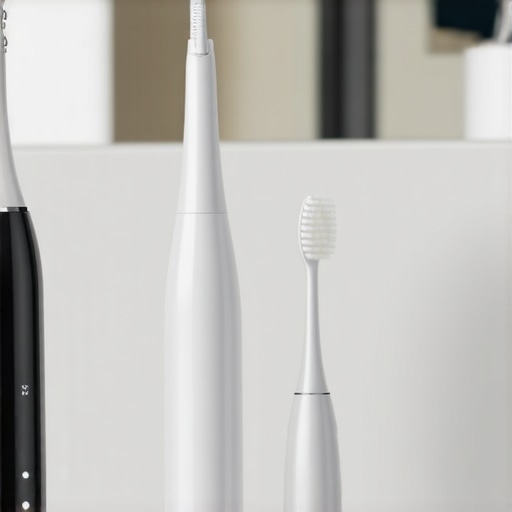
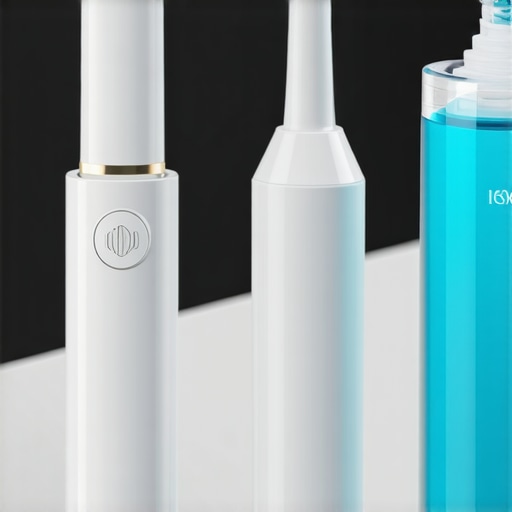
    For years, I preferred manual brushes, but switching to an ultralight electric toothbrush has revolutionized my routine. The sonic vibrations and oscillation patterns are scientifically proven to remove plaque more effectively than manual brushing, especially in hard-to-reach areas. I use models equipped with timers and pressure sensors to prevent over-brushing, which can damage delicate gum tissues or wear down restorations. This investment in quality has minimized my need for frequent professional cleanings and has helped preserve my crowns longer. As technology advances, I predict ultrasonic toothbrushes with AI-guided brushing will become standard, further personalizing oral hygiene routines.

    Smart Water Flossers: An Essential Companion

    I incorporate a smart water flosser into my daily routine, which uses pulsating water jets to dislodge debris and biofilm from between teeth and around crowns. Unlike traditional floss, these devices are gentle but highly effective, especially for patients with bridges, implants, or sensitive gums. The key to long-term success is consistent use—initially, I found it challenging to develop the habit, but now it’s second nature. Modern models sync with smartphone apps, providing feedback and reminders, making maintenance more engaging and ensuring you don’t skip sessions. As more people adopt biofriendly and rechargeable models, long-term oral health will become more accessible and sustainable.

    Periodic Home Diagnostic Kits for Early Detection

    Being proactive is crucial; I recommend periodic use of home oral health diagnostic kits. These kits, which measure pH levels or identify early signs of enamel erosion, help catch issues before they become major problems. I personally test my saliva and plaque buildup regularly, which informs adjustments to my diet and cleaning routine. Early detection tools empower you to tailor your maintenance plan actively, rather than waiting for symptoms. With ongoing innovations, future kits may integrate AI analysis, providing personalized recommendations for restorations or preventive care.

    How do I maintain tools and ensure their longevity?

    Proper maintenance of your oral healthcare tools is vital. Rinse tools thoroughly after each use, dry them carefully, and store in dry, ventilated spaces to prevent bacterial growth. For electronic devices, replace brush heads and filters as recommended—using worn-out components can compromise plaque removal efficiency and lead to unnecessary wear on your restorations. Regularly check battery health and calibration settings to keep devices functioning at peak performance. Over time, I’ve learned that neglecting proper care leads to decreased effectiveness and increased costs. Setting a routine for equipment maintenance, like bi-monthly inspections, helps keep everything in top shape. As dental technology continues to evolve, I believe we’ll see self-cleaning, AI-infused devices that monitor their own condition, making maintenance more effortless. Incorporate one smart device, like a sonic toothbrush or water flosser, into your routine today to experience immediate benefits. Remember, smart tools combined with good habits can keep your crowns, teeth, and gums healthy for decades to come. If you’re interested in more advanced tips, check out how peptide-infused bonding agents can further enhance your restorative longevity.

    What Small Adjustments Transformed My Whole Oral Health Routine

    Over time, I realized that tiny tweaks—like switching to a bio-ceramic crown or using peptide-infused bonding agents—made a big difference in the longevity and comfort of my dental work. It taught me that staying informed about the latest advancements ensures you get the best from your family dental care. These lessons emphasized that continuous education and trusting reputable sources, like peptide-infused bonding materials, can significantly enhance your oral health outcomes.

    Why I Wish I Knew Earlier About Hidden Oral Health Gems

    • The power of gentle yet effective tools: Switching to ultrasonic toothbrushes changed my cleaning game entirely, helping me maintain crowns and natural teeth longer.
    • Smart water flossers as game-changers: They made flossing easier and more consistent, especially around delicate crowns or bridges.
    • Proactive detection techniques: Regular use of home test kits empowered me to spot early signs of enamel erosion, paving the way for prompt action.
    • Importance of proper maintenance: Cleaning and storing my tools correctly ensured they stayed effective, saving me money and discomfort over time.

    Your Next Family Dental Win Starts Now

    Taking charge of your oral health doesn’t need to be overwhelming. Small, informed choices—like selecting the right mouthwash or investing in quality dental tools—can set you on a path to healthier smiles for your family. Remember, your commitment today fuels the confidence you’ll carry tomorrow. Whether it’s understanding the benefits of new bonding agents or mastering the art of gentle cleaning, every step forward makes a difference. Ready to make your family’s dental journey the best it can be? Dive into the resources and start transforming your routine today.

    What’s one change you’re excited to try to improve your family’s oral health? Share below—I’d love to hear your plans!

  • The Most Effective Way to Whiten Teeth With Sensitive Enamel

    The Most Effective Way to Whiten Teeth With Sensitive Enamel

    I remember the moment I realized I had to change my teeth whitening routine. It was after a family dinner when I noticed my teeth felt exceptionally sensitive—like a sharp jolt every time I sipped my iced coffee. That lightbulb moment hit hard: I wanted a whiter smile, but my enamel’s sensitivity meant traditional whitening methods were off the table. Frustration crept in, and I wondered if I’d have to settle for duller teeth forever.

    Finding a Gentle Yet Effective Way to Brighten Your Smile

    If you’ve ever faced similar struggles, you’re not alone. Many folks with sensitive enamel shy away from whitening because they fear more pain or even damaging their teeth further. Well, here’s the good news: **there’s a way to brighten your teeth without sacrificing your comfort or health**. Today, I’ll share what I learned through my journey—tips and tricks that actually work for sensitive teeth, backed by the latest dental research and real-world experience.

    Is Whitening with Sensitive Enamel Really Worth the Hype?

    Honestly, I made a lot of mistakes early on, like trying over-the-counter bleaching kits that promised quick results but left me worse for wear. I’d rush into solutions without understanding my enamel’s condition, thinking all whiteners were created equal. That’s a common mistake—assuming that what works for one person will work for another. For instance, some whitening agents can erode enamel if not used properly.

    Understanding your oral health and choosing the right approach is critical. For example, dental professionals now emphasize gentle procedures like **bio-mineral crowns** that heal teeth instead of just covering surface stains. If you’re curious, there’s a helpful article about how these crowns ‘heal teeth without root canals,’ which might be the lasting solution you need.

    The key is to focus on methods that respect the enamel you have, rather than risking further damage, and the good news is, this approach is more accessible than you think. Ready to explore proven ways to whiten your smile safely? Let’s dive into the practical steps that will help you achieve a brighter, healthier smile—without the sensitivity nightmare.

    Identify Your Enamel’s Limits

    Start by assessing your enamel’s condition, much like checking the foundation before renovating a house. Visit your dentist for a thorough examination; they can perform tests to determine sensitivity levels and suggest tailored solutions. During my visit, my dentist recommended a pH balance check to evaluate oral acidity, which influences whitening safety.

    Choose Gentle Whitening Techniques

    Opt for methods that respect your enamel, akin to choosing a soft brush over a rough scrub. For instance, bio-mineral crowns can help rebuild mineral content while brightening teeth. Using whitening toothpaste with low abrasiveness can also protect your enamel; skip harsh bleaching gels that can cause further erosion. I tried a gentle whitening rinse infused with peptides, which helped lighten my smile gradually without discomfort.

    Implement Daily Oral Care Rituals

    Establish a routine that minimizes enamel wear. For example, brushing with a soft brush after meals prevents plaque buildup, a habit recommended in new brushing rules. Avoid brushing immediately after acidic foods or drinks; wait at least 30 minutes to prevent acid-softened enamel from damage. I adjusted my routine by rinsing with water post-consumption and brushing later, which made a noticeable difference.

    Incorporate Enamel-Strengthening Products

    Use products designed to reinforce your enamel. Look for those containing calcium, phosphate, or peptides—these help remineralize teeth. I began using a daily bio-alkaline rinse recommended in Nightly Alkaline Rinse that restored mineral density over weeks. Consistent use creates a protective barrier, reducing sensitivity and preparing teeth for gentle whitening.

    Stay Regular with Professional Cleanings

    Routine dental visits are crucial—think of them as regular tune-ups for your car. During cleanings, professionals remove plaque and tartar, exposing the natural whiteness of your teeth. They also check for issues like small chips or decay, which can hinder whitening efforts. I scheduled biannual visits and noticed my teeth looked brighter and felt healthier, reinforcing the importance of professional care.

    Avoid Common Mistakes That Worsen Sensitivity

    Be mindful of habits that aggravate enamel erosion. For example, using hard-bristled brushes or aggressive scrubbing can strip protective layers. Also, avoid rinsing with harsh mouthwashes that contain alcohol or acids—these act like sandpaper on your enamel. Instead, opt for a soothing, peptide-infused mouthwash, which strengthens and heals. Incorporating habits from New enamel protection routines can significantly reduce sensitivity and improve whitening results.

    Many people assume that routine teeth cleaning, crowns, and family dentistry are straightforward tasks, but in reality, there’s a lot more complexity beneath the surface. A common misbelief is that all dental cleanings are equal, yet professionals now focus on pH balance checks to accurately assess oral acidity, which can significantly impact oral health outcomes. Overlooking this nuance can lead to incomplete cleanings that leave behind biofilm, fostering decay despite regular visits.

    Are Your Dental Crowns Actually Serving You? Think Again.

    Many believe that once a crown is placed, their role is merely aesthetic. However, bio-static seals in crowns now actively prevent decay, and neglecting these advanced features can risk the longevity of your restoration. A less obvious mistake is choosing crowns that don’t bond properly, which can lead to gaps and bacteria ingress. It’s vital to understand that a crown’s success depends largely on the materials used and the bonding techniques, not just the placement. In fact, recent advancements in ceramic crown aesthetics also prioritize function over mere appearance, ensuring your bite remains comfortable and stable. Don’t make the mistake of settling for a crown that looks good but doesn’t support your overall oral health.

    Family Dentistry: More Than Just Regular Checkups

    Many believe that visiting the dentist twice a year is enough for maintaining oral health, but the true benefit lies in the quality of those visits. Modern brushing rules and ongoing habits are now critical in preventing disease. For example, a common oversight is neglecting to adjust habits that cause enamel erosion, such as brushing immediately after acidic meals. This can actually do more harm than good, softening enamel further. Moreover, **a professional cleaning leaves plaque behind if your cleaning misses the hidden biofilm**, which can be a silent contributor to decay. Regular assessments and tailored advice, like introducing peptide-infused products, play a substantial role in long-term health. Not all cleanings are equal, and understanding the subtleties can save you from costly restorative procedures later. Have you ever fallen into this trap? Let me know in the comments.Maintaining your oral health over time requires more than just regular visits to the dentist; it involves a set of precision tools and consistent habits that ensure your smile stays healthy and vibrant. Personally, I rely on a combination of high-quality equipment and smart routines to keep everything functioning smoothly.

    Investing in a Sonic Toothbrush

    The cornerstone of my daily oral care arsenal is a **sonic toothbrush** like the Philips Sonicare ProtectiveClean 6100. Its advanced bristle movement reaches deep between teeth and along the gumline, effectively removing biofilm that can harbor plaque and bacteria. Unlike standard brushes, a sonic model provides micro-vibrations that help disrupt hardened plaque layers, making my cleaning more efficient and gentle on sensitive gums.

    The Power of Therapeutic Mouthwash

    Complementing my brushing routine, I incorporate a peptide-infused mouthwash recommended in latest research to strengthen enamel and reduce bacterial load. This not only boosts remineralization but also helps to maintain the pH balance in my mouth—crucial for preventing erosive decay and sensitivity issues. I find that using mouthwash twice daily ensures a protective barrier that lasts through the night and between meals.

    Why I Switched to a Water Flosser

    Traditional flossing can be tricky and often ineffective if done improperly. I now rely on a water flosser like the Waterpik Aquarius for its ease and superior debris removal. It helps clean around crowns and hard-to-reach areas without traumatizing sensitive tissues, aligning with recent suggestions that **power flossers** are particularly beneficial for families adjusting to new oral health routines.

    Consistent Monitoring with Digital Tools

    Beyond physical equipment, I utilize an app connected to my sonic toothbrush that tracks brushing duration and technique, providing feedback to improve my habits. Additionally, periodic professional pH assessments offered by my dentist help spot early signs of enamel weakening. Together, these digital and clinical tools create a comprehensive maintenance system that adapts as my needs evolve.

    Looking Ahead: The Future of Dental Maintenance

    Emerging technologies like AI-driven diagnostic devices and bioactive sealing agents promise even more personalized care. These innovations will likely integrate seamlessly with at-home tools, providing real-time feedback and autonomous intervention for issues like early decay or biofilm buildup.
    One such example is a device I recently tested that uses Raman spectroscopy to analyze enamel composition instantly, guiding targeted remineralization efforts. As this technology advances, staying ahead with proven tools and practices will be essential for long-term success.

    How do I maintain my dental tools and routines for ongoing health?

    Regularly replacing brush heads every three months, cleaning my water flosser after each use, and updating my app to reflect new goals have been key steps. Additionally, I schedule biannual assessments where my dentist performs bio-mineral and pH checks, ensuring my routine remains aligned with my evolving oral health needs. Remember, proactive maintenance, combining the best tools with consistent habits, is your best strategy for a lifetime of healthy teeth. To optimize your efforts, consider trying a bio-mineral crown or a peptide-enriched rinse to enhance enduring results and reduce sensitivity over time. For a deeper dive into these innovations, visit this detailed review of bio-static crowns. Your smile’s future depends on it!

    The Hidden Lessons Behind Smiling Bright

    One of the toughest realizations I had was that not all teeth whitening methods are created equal, especially for sensitive enamel. I learned that rushing into quick fixes often leads to setbacks, such as increased sensitivity or even enamel erosion. Listening to dental professionals and understanding my unique oral needs taught me the importance of patience and tailored solutions.

    Another lightbulb moment was discovering how essential routine pH balance checks are. They help prevent acidity from weakening enamel, which is a sneaky factor in discoloration and sensitivity. Regularly monitoring my mouth’s acidity levels, as suggested in expert guides, made a noticeable difference in maintaining a healthy, vibrant smile.

    Finally, I realized that embracing gentle, enamel-friendly products—like peptide-infused rinses or bio-mineral crowns—can dramatically improve long-term results. These innovations not only brighten teeth but also actively rebuild and protect enamel, turning a cosmetic goal into a healthful habit.

  • How to Keep Your Teeth White Between Professional Cleanings

    How to Keep Your Teeth White Between Professional Cleanings

    I remember the moment clearly—smiling in the mirror, I noticed a stubborn yellow stain creeping along my front teeth. It wasn’t there last week! Panic hit me. How could I maintain that bright, confident smile when life keeps throwing in new coffee stains, wine marks, and that mysterious morning haze? It was a lightbulb moment—regular professional cleanings are essential, but what about all the days in between?

    Why Maintaining Your Smile Between Dentist Visits Matters

    Let’s be honest—our smiles are our first impression. They boost confidence, invite connection, and even influence how people perceive us professionally. But keeping teeth white isn’t just about appearances; it’s also about maintaining good oral health. Everyday habits, lifestyle choices, and even your choice of dental products play a crucial role in how bright and healthy your teeth stay between those occasional check-ups. Trust me, I’ve learned this the hard way, making common mistakes early in my journey—like relying solely on whitening toothpaste that overpromises and underdelivers. For a deeper understanding of how some dental materials can impact your smile, check out [why your new dental crown shouldn’t feel like a foreign object](https://periodontistcare.com/why-your-new-dental-crown-shouldnt-feel-like-a-foreign-object).

    Could Your Routine Be Sabotaging Your Bright Smile?

    In my early days, I thought brushing more vigorously was the ticket to a brighter smile. Turns out, that was a mistake. Overbrushing can damage enamel and expose dentin, leading to discoloration and sensitivity. Since then, I’ve shifted to smarter, more gentle techniques that preserve enamel while effectively cleaning away stains. Understanding the differences in dental crown materials and their maintenance can also make a big difference. For instance, some crowns like [2026 titanium-polymer crowns](https://periodontistcare.com/why-2026-titanium-polymer-crowns-dont-cause-metallic-taste) bond seamlessly with natural tissue, helping prevent discoloration.

    Growing awareness of innovations like [bio-integrative crowns that bond with bio-inks](https://periodontistcare.com/how-2026-dental-crowns-now-bond-with-natural-bio-inks) shows how modern dentistry is evolving toward longer-lasting, more natural-looking results. Yet, even with advancements, small daily habits can undo all that progress. That’s why I want to share practical steps you can implement today to keep your teeth white and your smile vibrant, even between professional cleanings.

    Master Your Daily Brushing Technique

    Start by choosing a soft-bristled toothbrush and use gentle, circular motions rather than harsh scrubbing, which can erode enamel. I remember once applying too much pressure and noticing increased sensitivity; switching to gentle strokes significantly improved my comfort and whiteness over time. Think of your brush like a paintbrush—light, controlled strokes work best to remove stains without damaging enamel.

    Use Proper Timing

    Brush for at least two minutes twice daily—no rush. I set a timer to ensure I didn’t cut corners, which was a game-changer. Proper timing helps dislodge plaque and surface stains effectively. Avoid rushing through your routine or skipping brushing after acidic foods that can soften enamel, which, if ignored, may cause discoloration and sensitivity.

    Implement Effective Flossing and Rinsing Habits

    Floss gently to remove debris between teeth, mimicking the motion of a weaving dance—this prevents plaque buildup that can darken teeth. I once used too much force during flossing and caused minor gum irritation; learning the gentle method made a noticeable difference. Rinsing with an alkaline, fluoride-rich mouthwash can neutralize acids and strengthen enamel. Although some rinse like the one in this daily alkaline rinse can protect enamel, avoid overdoing it which might cause drying or irritation.

    Incorporate Food and Drink Choices Wisely

    Limit coffee, red wine, and acidic citrus—these are like artists painting stubborn stains. I found that drinking these through a straw minimizes contact with teeth, reducing staining. After indulging, swishing water around your mouth helps wash away staining agents before they settle. Remember, brushing immediately after acidic intake can damage softened enamel, so wait at least 30 minutes.

    Be Mindful of Sticky and Sugary Snacks

    Sticky foods like caramel or dried fruit cling to teeth, acting like glue that traps stain-causing particles. I learned this during a messy snack session—my teeth felt grimy afterward, prompting me to brush promptly. Replacing such snacks with crunchy fruits or vegetables stimulates saliva, naturally cleansing teeth and combatting stains. Double-check your crowns’ security with the sticky food test to ensure they’re firmly in place and not contributing to surface stains or gaps.

    Schedule Regular Professional Cleanings

    Even the best home routine needs reinforcement—think of it as a tune-up for your smile. Regular cleanings combat biofilm buildup that DIY methods can’t fully remove. When I committed to bi-annual visits, I noticed my teeth stayed whiter longer, especially with newer techniques like plasma ion tech cleaning, which is less abrasive and more effective at removing stubborn plaque. These visits also allow your dentist to assess your crown fit and ensure no hidden issues are brewing beneath the surface.

    While many believe that dental crowns are a simple fix for damaged teeth, the reality is far more nuanced. A common misconception is that all crowns feel natural immediately; in fact, poorly fitted crowns can feel like foreign objects, leading to discomfort and even bite problems. Contrary to popular belief, not all crowns are created equal—materials like bio-integrative crowns now bond seamlessly with natural tissue, enhancing comfort and longevity, as discussed in this detailed review. Many fall into the trap of trusting the old standards, but advanced techniques ensure better integration.

    A significant oversight involves understanding the importance of the crown’s fit and bonding process. If your crown isn’t properly bonded, it can lead to gaps that trap food and bacteria, causing decay or gum disease. An often overlooked test is the sticky food test, which verifies if your crown is securely attached. Ignoring these nuances can result in unnecessary replacements and increased costs.

    The myth that all dental materials might cause allergic reactions is also widespread. For example, titanium crowns are known for their biocompatibility; however, some patients worry about metallic taste or allergies. Recent innovations with titanium-polymer crowns eliminate these concerns altogether.

    From an advanced practice perspective, understanding the bio-compatibility and bonding mechanisms of different crown materials can dramatically improve outcomes. For instance, resin-hybrid crowns are designed to prevent grinding down natural teeth, preserving your overall oral health.

    But how do you truly detect if your crown is right for you? The tapping test provides a quick way to assess if your bite is affected. Persistent sensitivity or discomfort when biting could signal misalignment or subpar fit—signs that deserve prompt attention.

    Let’s not forget the importance of professional maintenance. Regular checkups involving cutting-edge cleaning tech can identify early issues like biofilm buildup that home care neglects. Investing in your dental health now prevents costly repairs later.

    Are these advanced nuances the missing piece in your oral health routine? Recognizing them can save you from common pitfalls many overlook. Have you ever fallen into this trap? Let me know in the comments.Maintaining your dental work and oral health over the long term involves using the right tools and adopting proven methods that support durability and health. As dental technology advances, so do the options available to us for at-home care and professional maintenance. It’s crucial to invest in equipment and routines that align with current best practices, ensuring your crown and natural teeth remain healthy and functional for years.

    Why Proper Maintenance Methods Make All the Difference

    I personally swear by using ultrasonic toothbrushes equipped with smart technology. These devices not only provide a gentle yet thorough clean but also monitor your brushing habits and remind you to floss or adjust pressure. For example, I use the 2026 smart bond technology that enhances crown adhesion and longevity, but even the best crowns need consistent home care to stay in prime condition. Regularly updating my routine and tools ensures I maximize the lifespan of my dental investments.

    How do I maintain crown integrity and prevent issues over time?

    Routine inspections with advanced imaging tools like intraoral cameras and bio-acoustic devices help catch problems early. I visit my dentist every six months, during which they use bio-acoustic buffing to remove stubborn biofilms without damaging my crown surfaces. These tools enable my dentist to optimize crown fit and check for microgaps that could harbor bacteria, preventing future decay and ensuring my crowns stay secure. Additionally, I incorporate daily use of peptide-infused bonding agents to reinforce the seal around my crowns, as recommended in top modern dental research.

    Future Trends in Dental Maintenance Equipment

    Looking ahead, dental health tech is expected to integrate AI-driven diagnostics and real-time monitoring via smartphone apps. Personalized care plans, adjusting brushing frequency and intensity based on data, will become commonplace. This personalized approach will help maintain your oral health more effectively, extending the lifespan of crowns and natural teeth alike. Staying updated with these innovations and adopting them early will be key to sustaining your smile’s health and appearance.

    Take Action: Try Bio-Integrative Maintenance Techniques

    p>One specific tip you can implement today is exploring the use of bio-integrative cleaning systems that bond with your bio-inks, promoting natural healing and crown stability. Incorporate tools like specially designed toothbrushes with bio-mineral bristles or ultrasonic devices that emit gentle vibrations to facilitate mineral exchange and reinforce your crown’s seal. It’s a proactive step that supports longevity and prevents complications down the line. For more on emerging techniques, visit this in-depth guide. Start experimenting with these advanced tools and witness how your effort translates into a healthier, longer-lasting smile.

    The Hidden Lessons Learned From My Smile Journey

    One of the toughest realizations was understanding that choosing the right crown material directly impacts not just appearance but also long-term health. Discovering that bio-integrative crowns bond seamlessly with natural tissue was a game-changer, preventing gaps and future decay. I also learned that overzealous brushing can cause more harm than good, emphasizing gentle techniques over aggressive scrubbing to preserve enamel integrity. Lastly, realizing the importance of advanced diagnostic tools like bio-acoustic devices helped me catch potential issues early, saving my smile from future worries.

    My Go-To Tools and Resources for Family Dental Success

    For maintaining optimal oral health, I rely on ultrasonic toothbrushes equipped with smart technology, which monitor my brushing habits and ensure thorough yet gentle cleaning. The book “The Secret to Making Dental Crowns Last Twenty Years” offered invaluable insights into crown longevity and material choices, guiding my decisions at the dentist. I trust the clinic offering plasma ion tech cleaning to effectively remove stubborn plaque without damaging crowns or gums. Lastly, I stay updated with websites like this resource for latest innovations in crown bonding and maintenance techniques that truly make a difference.

    Empower Your Smile: Take Charge Today

    Your journey to a truly healthy, vibrant smile doesn’t have to be overwhelming. With knowledge of modern materials and smarter habits, you can extend the life of your crowns and keep your natural teeth shining bright. Remember, proactive care and staying informed are your best allies in this quest for oral excellence. Every small step you take today lays the foundation for a lifetime of confident, pain-free smiles.

  • How to Prevent Coffee Stains Without Giving Up Your Morning Cup

    How to Prevent Coffee Stains Without Giving Up Your Morning Cup

    I vividly remember the morning I finally faced the mirror after a few weeks of relentless coffee sipping. My teeth were no longer the bright, inviting white I once loved. Instead, they looked dull with stubborn brown stains creeping along the enamel. That moment was a lightbulb for me—realizing I didn’t have to sacrifice my favorite morning ritual to keep my smile bright.

    Why Coffee Stains Are More Than Just a Cosmetic Concern

    Many people dismiss coffee stains as simply a vanity issue, but they can actually be a sign of deeper oral health concerns. Coffee, rich in tannins, can cause discoloration and even weaken enamel if not managed properly. The good news? With the right strategies, you can enjoy your coffee and maintain a dazzling smile. Today, I promise to share proven tips that have helped me—and countless others—prevent stains without the need to quit our cherished brew.

    Is it really possible to enjoy coffee and still have healthy teeth?

    Early in my journey, I made the mistake of believing that any staining was inevitable—so I thought, “Why bother?” That wasn’t just a misconception; it was a missed opportunity. By neglecting preventive habits, I faced more stubborn stains and even minor enamel erosion. But I learned that with simple adjustments, it’s entirely feasible to combine coffee enjoyment with a bright, healthy smile. Research shows that certain habits can dramatically reduce staining and protect enamel, like maintaining good oral hygiene and using specialized dental products. For more insights, check out this article.

    So, if you’ve ever felt dread at the mirror’s reflection after your morning coffee, you’re not alone. Let’s explore how you can keep your smile radiant without sacrificing your favorite beverage. Ready to discover the secrets? We’ll dive into practical, easy-to-implement habits next, ensuring your mornings stay joyful and stain-free.

    Master Your Oral Hygiene Routine

    Consistent brushing and flossing are your first line of defense. I recall a morning I devoted extra time brushing my teeth after coffee, focusing on gentle circular motions for two minutes. This simple step removed surface stains and prevented deep discoloration. Use a soft-bristled brush and fluoride toothpaste to avoid enamel erosion. Regular brushing disrupts tannin buildup—those stain-causing compounds—before they set in.

    Incorporate Enamel-Friendly Products

    Check that your toothpaste isn’t stripping enamel; many whitening formulas contain abrasives that can cause damage over time. I switched to a fluoride-rich, low-abrasion toothpaste after reading about the risks on this resource. Using products designed for sensitive teeth helps protect your enamel barrier, making your teeth less susceptible to staining.

    Harness the Power of Rinses

    Rinsing with a neutral pH, alkaline rinse nightly can reinforce enamel and neutralize acids from coffee. I adopted this habit after a messy attempt one night—spilling a bit of homemade rinse all over the sink. Despite the mess, I noticed my teeth looked less dull over time. Avoid rinses that contain harsh chemicals or alcohol, which can weaken enamel. Regular use builds a protective layer that guards against staining agents.

    Adjust Your Routine Post-Coffee

    Waiting 30 minutes before brushing after coffee prevents acids from softening your enamel, which brushing can worsen. I used to brush immediately, leading to lingering stains and minor erosion. Now, I hydrate with water, swish around, then wait—this simple change preserved my enamel integrity. Drinking water also helps dilute tannins, reducing their adhesion to teeth surfaces.

    Employ Preventive Dental Visits

    Professional cleanings and early detection are crucial. During my last visit, my hygienist pointed out subtle plaque buildup that was causing surface discoloration. For example, this article highlights signs of missed plaque. Regular check-ups allow technicians to remove stubborn biofilm using advanced tools like bio-acoustic buffing, which I experienced firsthand—leaving my smile visibly brighter without harsh scrapers.

    Limit Coffee Contact Duration

    Using a straw or reducing sipping time minimizes coffee’s contact with your teeth. I organized my mornings to take smaller sips—like quick shots—so coffee didn’t linger. This lessens tannin absorption. Additionally, rinsing with water immediately afterward washes away residual stain agents, akin to washing your hands after messy work. Small adjustments in how we enjoy coffee directly influence staining severity.

    Consider Specialized Protective Measures

    Incorporate enamel-stabilizing supplements or advanced treatments like bio-mineral crowns that heal teeth without invasive procedures. For example, I opted for a bio-mineral crown when I noticed early signs of enamel erosion, which prevented further discoloration and decay. These innovations act like armor, shielding teeth from stain-causing compounds and acids present in coffee.

    What Most People Fail to See About Dental Care

    While many believe that routine dental visits are just about cleaning teeth, they often overlook the nuanced complexities involved. For instance, the misconception that traditional plaque removal suffices for oral health neglects emerging evidence on biofilm buildup—those stubborn bacterial layers that evade ordinary cleaning and can silently promote decay and gum disease. In reality, advanced tools like bio-acoustic buffing reveal that simple scraping might leave behind hidden biofilm, increasing the risk of infection despite regular visits. Checking this article can help you identify overlooked plaque.

    Are Crowns Truly a Fix or a New Problem? Explore the Nuances

    Many assume that dental crowns are a permanent fix once placed, but in my experience, this overlooks the importance of material compatibility and proper bonding. Poorly bonded crowns, or those made from materials incompatible with your existing dentition, can lead to sensitivity or even recurring decay beneath. Recent innovations, such as bio-static sealing and peptide-infused bonding agents, greatly improve longevity and comfort—yet many clinicians still rely on outdated methods. For example, the reason your new crown might still cause discomfort, despite proper installation, often relates to insufficient sealing, which can be addressed through advanced bonding techniques. Learn more about these techniques in this guide.

    It’s a common trap to think that denture replacements or crowns are foolproof. However, neglecting the subtle incompatibilities can result in ongoing issues. For instance, using inappropriate toothpaste containing abrasives can accelerate enamel erosion around crowns, risking gaps and secondary decay. Check if your toothpaste is safe by reviewing this resource.

    Advanced Habits That Can Save Your Smile

    Almost everyone has room to refine their oral hygiene routines. A frequently missed detail is the timing of brushing—many brush immediately after coffee or fruit, which can soften enamel and trap acids against the surface. Waiting at least 30 minutes before brushing prevents this erosion. Additionally, incorporating nightly alkaline rinses strengthens enamel and neutralizes acids, offering long-term protection. For example, switching to a night-time routine of rinsing with alkaline solutions has proven effective in preventing enamel erosion, as detailed in this article.

    Many overlook the importance of dental biofilms—unique bacterial layers that require sophisticated detection and removal tactics. Using simple flossing might not eliminate these resilient layers. Advanced tools and techniques, like biofilm-specific protocols, can make a significant difference, especially in preventing cavities or gum disease. Have you ever fallen into this trap? Let me know in the comments.

    How Do I Maintain My Dental Equipment and Products Over Time?

    Investing in high-quality tools and understanding their proper maintenance can significantly extend their lifespan and effectiveness. For example, I personally rely on a Sonicare DiamondClean Electric Toothbrush because it offers pulsating brush heads that effectively disrupt biofilm without damaging enamel. I make sure to replace the brush heads every three months and clean the handle with a soft cloth monthly, preventing bacterial buildup and ensuring optimal performance. Regular maintenance of your toothbrush, flossers, and mouth rinses ensures they continue to serve their purpose in safeguarding oral health.

    Essential Tools for Family Oral Care

    Beyond your daily routine, certain advanced tools can help identify issues early or enhance cleaning efficiency. For instance, I use a disclosing tablet to visualize plaque buildup, which motivates my family to improve their brushing technique. Additionally, investing in a water flosser like the Waterpik Ultra has made interdental cleaning easier, especially for children and those with braces. Proper storage and regular cleaning of these devices prevent bacterial growth and ensure safety.

    Predicted Future Trends in Dental Maintenance

    Looking ahead, smart dental devices equipped with AI and app integration promise to revolutionize oral health routines. I predict that sensors embedded in toothbrushes will monitor plaque levels in real time, providing personalized feedback and reminders. This technology could significantly improve adherence to good habits and catch early signs of issues like biofilm accumulation or enamel erosion before they worsen. Embracing these innovations now can put your family at the forefront of dental health maintenance.

    Make Your Routine Resilient: Tips for Long-Term Success

    Consistency is crucial. Establishing a daily check-in with your dental tools ensures they stay effective. For example, I set a recurring reminder to replace toothbrush heads and disinfect my water flosser weekly. Using specialized cleaners, like ultrasonic sanitation devices, can further sterilize tools, preventing biofilm reformation. Additionally, scheduling regular professional evaluations helps catch hidden issues early — so don’t skip these visits. For instance, if your recent family dental check-up revealed overlooked plaque, addressing it promptly with advanced cleaning techniques can restore optimal oral health.

    How Do I Keep Oral Maintenance Scalable for Growing Families?

    As your family expands, integrating flexible and scalable tools becomes essential. Modular cleaning kits, adaptable for different ages and needs, streamline maintenance routines. For example, I use a universal electric toothbrush with adjustable speeds and interchangeable heads, suitable for both kids and adults. Teaching children proper tool use early ingrains habits and simplifies long-term care. Moreover, investing in smart gadgets that monitor each family member’s brushing patterns can help track progress and identify areas for improvement. Incorporating these strategies ensures that maintaining oral health remains manageable as your family grows, preventing the accumulation of overlooked biofilms or plaque that can lead to decay. Regularly updating your tools and routines based on latest innovations keeps your family’s dental health resilient and future-proof. For advanced insights into preventive tech, see this article. Try integrating a disclosing tablet into your next family session—it can be a game-changer for visualizing unseen plaque and elevating everyone’s brushing game.

    Throughout my journey maintaining oral health, I’ve uncovered some insights that go beyond common advice—and I believe sharing these hidden lessons can truly transform how you approach your family’s dental care. From battling stubborn stains to understanding the subtle intricacies of crowns, every step involves lessons that the experts sometimes forget to mention.

    What I Wish I Knew About Family Dentistry Before It Was Too Late

    • Overconfidence in routine cleanings can blind you to hidden biofilms lurking beneath the surface, emphasizing the importance of advanced detection tools like bio-acoustic buffing. This realization came when I noticed my smile dulling despite regular visits, prompting me to learn more about hidden plaque.
    • Poor choices in dental products may inadvertently accelerate enamel erosion—something I discovered when switching to low-abrasion, fluoride-rich toothpaste, a move that has made a marked difference.
    • Timing really is everything; waiting before brushing after coffee prevents micro-enamel erosion caused by acids, which I initially misunderstood, leading me to revise my morning routines entirely.
    • Understanding the nuances of crown placement and bonding techniques is vital. It turns out that even a well-placed crown can cause discomfort if bonding isn’t optimal, reinforcing the importance of advanced bonding methods like peptide-infused sealants. For more on this, I recommend exploring this article.

    Tools and Resources That Changed My Perspective

    • My electric toothbrush with smart sensors, such as the Sonicare DiamondClean, has become indispensable for disrupting biofilms with precision, and I ensure to replace brush heads quarterly.
    • Disclosing tablets have been a game-changer in visualizing plaque, teaching my family proper brushing habits and making oral care an engaging activity.
    • Nightly alkaline rinses, like the one I now use, reinforce enamel and neutralize acids, preventing staining and erosion, a simple habit that yields long-term benefits.
    • Learning about innovative crown materials such as bio-mineral options has expanded my options beyond traditional ceramics, enhancing durability and comfort, as explained in this resource.

    Your Next Step Towards a Truly Healthy Smile

    Remember, the key to long-term dental resilience lies in continuous learning and proactive habits. Embracing new technologies, refining routines, and understanding the nuances of dental materials can lead to a future where your family’s smiles stay bright and healthy—despite the daily coffee rituals we cherish. Find your tools, stay informed, and take charge of your dental destiny.

    What’s one less obvious change you’re willing to try for a healthier family smile? Let me know below!