Category: Tooth Whitening Techniques

  • Why some stains won’t budge with professional whitening

    Why some stains won’t budge with professional whitening

    Have you ever sat in the dentist’s chair, optimistic about finally banishing those stubborn stains on your teeth, only to be disappointed when they seem untouched afterwards? I know that feeling all too well. I once believed that a professional whitening session would be the magic fix for my persistent coffee stains, but to my surprise, they stubbornly clung on, refusing to fade. That lightbulb moment made me realize: not all discoloration is created equal, and some stains are far more resistant than others.

    Understanding Why Some Stains Don’t Respond to Whitening

    Imagine spending hundreds of dollars on a whitening procedure, only to find your teeth look just a shade or two lighter—or worse, unchanged. You’re left wondering, “Did I waste my money?” Well, you’re not alone. The truth is, certain types of stains are more resistant because of their depth, origin, or the materials present in your teeth. For example, intrinsic stains—those that originate within the tooth structure—often don’t respond well to external bleaching treatments.

    Did you know that early in my career, I made the mistake of assuming all stains could be lightened with the same approach? It wasn’t until I understood the nuances of dental discoloration that I started seeing real results with my patients. To build trust, I always recommend a thorough assessment and sometimes combining whitening with other treatments, like polishing or even crowns, for the best aesthetic outcome.

    If you’ve ever wondered whether your stubborn stains are permanent or if there’s hope, stay tuned. We’ll explore the common causes of resistant stains and reveal effective solutions—beyond just bleaching—that can help you smile with confidence.

    Is It Really Worth Pursuing Professional Whitening for Tough Stains?

    Many people, myself included at one point, believe whitening is an instant fix. But in reality, some stains require a more strategic approach. Investing in the right treatment plan is crucial to avoid disappointment and optimize your dental health. If you’re frustrated by stains that won’t fade, I encourage you to consult with a dental professional, who can identify the root cause and suggest personalized solutions, like adjusting your oral health routine or exploring restorative options.

    To learn more about maintaining a bright, healthy smile, visit our oral health tips for families or reach out to us via our contact page. Remember,Understanding the nature of your stains is the first step to truly transforming your smile. So, have you faced stubborn stains that just wouldn’t budge? Share your experiences—I’m here to help you navigate these challenges.

    Targeted Cleaning with Professional Guidance

    Sit down with your dentist for an in-depth assessment of your stains. Consider a professional cleaning that includes scaling and polishing; this not only removes surface plaque but also buffs away superficial stains. During my first attempt to tackle stubborn stains, I learned that gentle, targeted cleaning could make a significant difference. Ensure your dental hygienist uses appropriate agents to break down stubborn deposits without damaging enamel.

    Utilize Specialized Whitening Products

    Choose bleaching treatments formulated for intrinsic stains, such as those containing carbamide peroxide or hydrogen peroxide at appropriate concentrations. Apply these products as directed, typically over a week, to help penetrate deeper layers. Once, I carefully used a custom-fitted whitening tray with a professional-grade gel, which improved my teeth’s appearance. Consistently follow the instructions to prevent sensitivity or damage.

    Combine Home Care with Effective Oral Hygiene

    Integrate daily habits like brushing twice with a fluoride toothpaste and flossing to prevent new stains. Use an electric toothbrush for thorough cleaning, especially around crowns and restorations, enhancing their lifespan. Remember to replace your toothbrush regularly—every 3 months or after illness—to maintain optimal cleaning effectiveness. Regularly visiting our home practice guide can help keep your mouth healthy and stain-free.

    Address Deeper or Intrinsic Stains with Restorative Options

    If stains reside within dentin or are caused by trauma or medication, whitening alone may not suffice. Consider restorative solutions like porcelain crowns or veneers that mask discoloration effectively. During a recent procedure, I applied thin porcelain veneers on a patient with intrinsic stains; not only did it conceal the stubborn discoloration, but it also dramatically improved their smile’s appearance. Always consult with your dentist about the suitability of such options for your case.

    Strengthen and Protect Your Teeth to Prevent Future Stains

    Use mouth rinses fortified with fluoride and avoid frequent exposure to staining agents like coffee, tea, or red wine. Chewing sugarless gum after meals can increase saliva flow, naturally cleaning residual particles. For those with crowns or restorations, special care is vital—see our caring for crowns section—to maintain their luster and prevent discoloration around margins.

    Monitor and Maintain Long-Term Results

    Schedule regular check-ups and cleaning appointments, ideally every six months. Periodic professional evaluations help catch stain buildup early and ensure restorations remain in optimal condition. During my practice, I found that consistent maintenance significantly prolongs the effects of whitening treatments, especially when combined with a dedicated oral health routine, detailed in our daily routine guide. Staying vigilant is key to sustaining a bright, confident smile.When it comes to maintaining optimal oral health, many people operate under misconceptions that can hinder their progress and lead to costly mistakes. For instance, a prevalent myth is that frequent brushing alone can prevent all dental issues. However, overzealous brushing with a hard-bristled toothbrush can damage gum tissue and enamel, especially if done improperly. It’s more beneficial to focus on proper technique and the use of soft brushes, combined with regular professional cleanings, which are vital for effective plaque removal. Remember, regular visits to your dentist are essential, even if you think your routine is thorough. They can identify early signs of problems like gum disease or hidden cavities that aren’t visible or felt during regular at-home care.Maintaining a healthy, bright smile over the long term requires more than just good brushing habits; it demands the right tools and systematic approaches. As a dentist with years of experience, I can’t emphasize enough the importance of investing in quality equipment that aligns with your specific oral health needs. One of my top recommendations is the Sonicare DiamondClean Smart electric toothbrush. I personally use this model because its oscillating-rotating action provides superior plaque removal, especially around crowns and restorations, which are often vulnerable to staining and buildup. Its multiple brushing modes allow for customized care, from daily cleaning to gum health, ensuring comprehensive maintenance.

    A modern electric toothbrush on a bathroom counter, ready for daily use.

    Another essential tool is a water flosser, such as the Waterpik Aquarius. I prefer this over traditional floss because it easily reaches under dental work like bridges and braces, removing debris that might be missed otherwise. Regular use has significantly reduced the incidence of gum inflammation in my practice. The gentle pulsating water pressure also helps in maintaining your periodontal health, which is vital for supporting crowns and preventing long-term decay.

    When it comes to assessing your oral health status, I rely on advanced dental imaging software like Dexis. This digital radiography tool enables me to detect issues like decay, root problems, or crown misalignments before they worsen. For home use, some patients benefit from over-the-counter intraoral cameras, which help in monitoring their oral hygiene progress and catch early signs of problems.

    Predicting how oral health trends evolve, I believe that integration of artificial intelligence-driven diagnostics will become standard practice. AI algorithms can analyze images more precisely, flagging potential issues before they become symptomatic. Staying ahead with these technologies ensures your maintenance routine is both effective and efficient.

    So, how do I maintain the effectiveness of these tools over time? Regular calibration and replacement are crucial. For instance, replacing brush heads every three months, as recommended by the manufacturer, prevents bacteria buildup and maintains cleaning efficacy. Additionally, I suggest scheduling annual check-ups to evaluate the condition of your dental restorations and professional cleanings, which are essential to prolong their life and appearance. To keep your smile in top shape, visit our home practice guide or contact us for tailored advice.

    Lessons From My Deep Dive Into Dental Discoloration

    One of the most eye-opening moments in my dental career was realizing that not all stains respond to traditional whitening. I once believed that a simple bleaching session could erase years of coffee and wine, but I learned that intrinsic stains—those buried deep within the tooth—demand different strategies. This insight taught me the importance of personalized assessments before jumping into treatment plans.

    Another valuable lesson was understanding the limitations of over-the-counter products. I used to recommend generic whitening gels without a second thought, only to find that some stains stubbornly stayed put. Now, I rely on professional-grade solutions and, more importantly, tailor the approach based on the type of stain, ensuring better results and protecting tooth health.

    Moreover, I discovered the power of combining methods—like professional cleanings coupled with restorative options such as veneers—to achieve truly transformative results. This holistic approach not only beautifies but also preserves your natural teeth for the long run.

    My Top Tools and Resources for a Bright Smile

    • Sonicare DiamondClean Smart electric toothbrush: Trusted for its superior plaque removal and gentle care, it’s my go-to for maintaining a bright, clean smile.
    • Waterpik Aquarius: An excellent water flosser that reaches under dental restorations and keeps gums healthy—something I’ve seen make a real difference in my practice.
    • Digital Imaging with Dexis: Advanced diagnostics that help detect issues early, ensuring that stains or underlying problems are addressed before they worsen.
    • Relevant literature and online courses: Continuous learning keeps me updated on innovative whitening techniques and restorative options. Resources like dental webinars and journals are invaluable for staying ahead.

    Your Bright Future Starts Today

    Remember, uncovering the root cause of stubborn stains is the first step toward a radiant smile. Whether you’re considering professional whitening or restorative treatments, taking action now can make a remarkable difference in your confidence and oral health. Don’t let resistant stains hold you back—explore your options and consult with a dental professional dedicated to personalized care.

    What has been your biggest challenge with stubborn stains? Share your experiences below, and let’s work together toward your healthiest, brightest smile!

    ,

  • The best routine for whitening teeth with receding gums

    The best routine for whitening teeth with receding gums

    It was a moment of frustration during my morning routine that made me realize I needed to seriously rethink my approach to teeth whitening. My gums were receding, giving my smile a worn-down appearance, and traditional whitening methods just didn’t seem to be working—or worse, they seemed to make things worse. I remember looking in the mirror, feeling self-conscious every time I smiled, wondering if there’s a safe way to brighten my teeth without aggravating my receding gums.

    Why Whitening with Receding Gums Is More Complex Than It Seems

    One thing I learned early on is that whitening teeth when gums are receding isn’t a one-size-fits-all deal. It’s crucial to understand that receding gums expose more of the tooth root, which isn’t covered by enamel and can be sensitive or even painful when exposed to typical whitening products. This means that many over-the-counter solutions can cause discomfort or damage if not chosen carefully. The good news? There are tailored routines and professional guidance that can help you achieve a brighter smile safely.

    Is Over-the-Counter Whitening Actually Worth the Hype?

    Initially, I thought I could just pick up a popular whitening kit and go. Big mistake. I didn’t realize that some whitening agents are too harsh for sensitive or receding gums. I made the mistake of skipping professional advice and ended up with increased sensitivity and minor gum irritation. Learning from that, I turned to expert-approved methods, like visiting a family dentist well-versed in gum health and whitening strategies. For more insights, check out [family dentistry tips](https://periodontistcare.com/family-dentistry-focus-building-a-lifetime-of-healthy-smiles). Remember, a little professional guidance can save you a lot of discomfort later. Now, I focus on routines that prioritize gum health while gently whitening my teeth—something I’ll share in the next sections.

    Choose the Right Dentist for Your Needs

    Start by finding a dentist experienced in gum health and cosmetic procedures. Schedule a consultation to discuss your concerns about receding gums and whitening options. A professional assessment will help you identify safe treatments, avoiding harsh chemicals that can worsen gum recession. For trusted guidance, visit family dentistry tips.

    Opt for Gentle Whitening Methods

    Instead of over-the-counter kits, consider professional whitening treatments designed for sensitive or receding gums. Dentists may recommend alternatives like custom-fitted whitening trays with lower-concentration agents, which minimize sensitivity. Remember, patience is key; gradual whitening reduces risk and preserves gum integrity. I once tried a DIY kit without proper guidance and ended up with increased sensitivity—so I learned the importance of professional advice.

    Focus on Enhancing Oral Hygiene Routine

    Daily brushing and flossing are your foundation. Use a soft-bristled toothbrush and gentle abrasive toothpaste suitable for sensitive gums. Incorporate interdental brushes or water flossers to reach tricky spots. Regular cleaning prevents plaque buildup that can exacerbate gum recession. Check out teeth cleaning secrets for more tips. Consistency pays off, and I found that a gentle approach keeps my gums healthy while slowly brightening my smile.

    Incorporate Targeted Treatments

    Professional procedures like laser whitening or desensitizing treatments can be tailored for your condition. These options often cause less discomfort and are safer on sensitive tissues. Before any treatment, ensure your dentist performs thorough cleaning and examines your gums. This step ensures no underlying issues could worsen with whitening. During my last visit, the dentist used a gentle laser method, and I appreciated how painless and effective it was. For more on crown and cleaning procedures, see expert advice on crowns and teeth cleaning.

    Consistent Maintenance and Follow-up

    After whitening, maintain your results with regular professional cleanings. Periodic visits help monitor gum health and prevent further recession. Avoid stain-causing foods and drinks, like coffee or red wine, to prolong your brighter smile. Using protective measures, such as a straw, can help too. I schedule biannual cleanings, which keep my gums healthy and my whitening last longer. Learn more about maintaining dental crowns at caring for crowns.

    Even seasoned dental patients often fall prey to misconceptions about oral health, leading to less-than-ideal outcomes. One widespread myth is that aggressive brushing is the key to healthy teeth; in reality, overbrushing can erode enamel and damage gums, especially when coupled with incorrect technique. Experts emphasize that gentle, circular motions with a soft-bristled toothbrush are far more effective and safer, as detailed in professional guidelines on proper brushing habits. Another common mistake is neglecting the importance of oral biofilm removal—people often think that flossing alone guarantees plaque control, but studies show that interdental cleaning with water flossers or interdental brushes can be significantly more effective for people with wider gaps or recession.

    Why Do So Many Dentists Still See Repeat Cavities Despite Good Hygiene?

    Advanced research indicates that factors like saliva composition, enamel porosity, and even genetic predispositions play powerful roles in cavity risk, beyond simply brushing and flossing routines. For instance, individuals with low salivary flow are more susceptible to decay, yet they might not realize that hydration and saliva-stimulating products can be vital components of cavity prevention. Moreover, recent studies have shown that some commercial toothpaste ingredients may contribute to enamel erosion if used excessively or improperly. For an in-depth look at how diet, genetics, and microbiome influence oral health, consider exploring this comprehensive article on oral health influencers. Moving beyond basic practices, understanding these nuanced factors can be the difference between simply maintaining your teeth and truly optimizing your oral wellness.

    Many people overlook the significance of regular professional evaluations. Routine dental visits are not just about catching cavities early but also about identifying signs of gum disease, systemic conditions with oral manifestations, or even nutritional deficiencies. I often see patients who believe that once their teeth look clean, they are fully healthy—this can be a dangerous misconception. For example, routine cleanings do more than polish your teeth; they help in preventing unseen issues that could lead to more complex problems down the line.

    When it comes to crowns and restorative work, many assume that once placed, they’re maintenance-free. In fact, failing to follow the correct crown care routine can cause early failure or sensitivity. Cryptic as it sounds, some patients don’t realize that the type of material used, oral hygiene practices, and dietary choices all impact the longevity of crowns. Plus, composite resin or porcelain surfaces can accumulate plaque if not cleaned properly, undermining both aesthetics and function.

    Let’s confront a final misconception: that family dental visits are just for children. In truth, regular checkups form the backbone of lifelong oral health, regardless of age. Family dentistry isn’t only about convenience; it’s about fostering preventive habits early and catching issues before they become costly or painful. To set a solid foundation, check out this guide on comprehensive family dental care. Remember, proactive care can save you from the trap of reactive, expensive treatments in the future. Have you ever fallen into this trap? Let me know in the comments.Maintaining a healthy smile over the long term requires more than just good intentions; it demands using the right tools and adopting effective routines. Personally, I rely on electric toothbrushes with oscillating-rotating heads, such as the Sonicare DiamondClean, because their proven superior plaque removal helps keep my gums healthy even with a hectic schedule. I’ve found that manual brushes, while effective if used correctly, often fall short in reaching those tricky areas around crowns and gumlines. Investing in a water flosser like the Waterpik Aquarius has transformed my interdental cleaning, gently flushing out debris and reducing inflammation—especially beneficial for those with recession or bridges where traditional flossing can be challenging. For consistency, I incorporate an ultrasonic scaler at-home device, guided by professional advice, which vibrates at high frequency to dislodge plaque without damaging sensitive tissues. As my dental professional emphasizes, “regular use of ultrasonic technology enhances biofilm disruption beyond manual brushing” (see https://periodontistcare.com/understanding-the-role-of-crowns-in-modern-smile-makeovers). 

    In terms of products, I select desensitizing toothpaste like Sensodyne Pronamel for daily use—its potassium nitrate formula calms nerve endings exposed by erosion or recession. Meanwhile, professional-grade whitening kits, applied cautiously, can maintain brightness without damage when supervised by your dentist. Looking ahead, the trend is shifting toward smart toothbrushes that sync via Bluetooth to apps, providing real-time feedback and ensuring optimal technique—making routine maintenance both easier and more effective. As we move into the future, I predict that integrating artificial intelligence into oral health devices will enable personalized, adaptive care, catching issues early before they become costly. 

    How do I keep my tools effective over time? 

    It’s crucial to replace your toothbrush head every three months, and clean your water flosser no less than weekly according to manufacturer instructions. Maintaining these devices according to a professional-developed routine ensures their efficacy and prolongs their lifespan. Additionally, scheduling regular professional cleanings acts as a vital check-up point, catching early signs of wear or recession and adjusting your routine as needed. For those relying on crowns or implants, following specific guidance—like the detailed tips at maintaining your crowns—is essential to preserve your investment. Remember, technology alone isn’t enough; consistent application and periodic professional oversight are key to enduring results. Try establishing a weekly habit of inspecting your tools and updating them as recommended; it makes a significant difference in your oral health journey.

    Lessons That Changed My Approach to Dental Care

    One of the most eye-opening lessons I learned is that patience and personalized treatment plans are essential when dealing with receding gums. Quick fixes often lead to setbacks, and understanding my unique oral landscape helped me avoid unnecessary discomfort and damage.

    Another insight was recognizing the importance of consistent, gentle routines over aggressive, shortcuts. Gentle brushing and mindful flossing, combined with professional guidance, made a significant difference in my long-term oral health.

    Finally, I discovered that only by embracing a holistic view—considering diet, hydration, and regular check-ups—could I truly maintain not just a bright smile but also healthy gums that support it.

    Tools and Resources That Transformed My Journey

    The first game-changer for me was investing in a high-quality electric toothbrush like the Sonicare DiamondClean, which consistently outperforms manual brushing—especially for sensitive and receding gums. For professional advice, I rely on reputable websites such as oral health tips for families and expert guidance on crowns and cleaning, which offer practical, research-backed insights.

    Additionally, I found that a water flosser like the Waterpik Aquarius helps me maintain interdental cleanliness with ease, preventing issues that could worsen gum recession. Educational books on holistic dental health, such as “The Dental Diet,” have also helped me understand the link between nutrition and oral integrity.

    Your Smile’s Future Starts Today

    Remember, every small step toward gentle, mindful oral hygiene and professional care adds up. Your healthy, confident smile is within reach—embark on this journey with patience, knowledge, and support. Don’t wait for problems to escalate; your best smile begins with the choices you make today.

    What have you found most challenging when trying to protect your gums while whitening your teeth? Share your experiences below—I’d love to hear your story!

  • The secret to preventing red wine stains during a dinner party

    The secret to preventing red wine stains during a dinner party

    I still remember that evening vividly. I was dressed to impress, eagerly sipping my favorite red wine at a friend’s dinner party, only to watch in horror as a splash of deep crimson stained my pristine white shirt. That moment of panic made me realize how unprepared I was for such common mishaps, and I knew I wasn’t alone. Have you ever faced a similar embarrassment, hesitating before reaching for your glass, fearing an accidental spill?

    Why Preventing Red Wine Stains Is More Than Just Cosmetic

    Red wine stains can feel like the end of the world in the moment, but their impact goes beyond just ruining your outfit. The pigments in wine, especially anthocyanins, are notorious for sticking stubbornly to fabric and even teeth, causing lasting discoloration if not dealt with promptly. According to dental research, the tannins and colorants in red wine are linked to increased staining and enamel erosion over time, making early prevention essential for maintaining a sparkling smile. Knowing the best ways to prevent these stains can save you from costly dental treatments and embarrassing wardrobe mishaps.

    Is Prevention Really Worth All the Hype?

    Years ago, I made the mistake of ignoring these tips, thinking a quick rinse or blot would do the trick. That was a rookie mistake. The truth is, many of us underestimate how quickly and permanently wine can set in. In fact, I once tried to remove a wine stain from my favorite shirt with mere water — only to realize hours later that the stain had deepened, making removal much harder. Proper prevention starts with understanding how to protect yourself and your clothes before the first sip, which I’ll share in the next sections.

    Ready to keep your whites white and your teeth radiant? Let’s dive into proven strategies that have saved me countless times and can do the same for you.

    Act Quickly to Stop Stains Before They Set

    When a spill happens, don’t wait. Blot the excess wine with a clean cloth or paper towel—think of it as absorbing the spill like a sponge, preventing it from penetrating deeper into fibers or teeth enamel. I once tried to clean a fresh red wine stain from my white shirt with just water, and the stain worsened over hours. Instead, immediately dab with cold water, but avoid rubbing, which can push the stain further.

    Use Proper Cleaning Techniques for Clothing and Teeth

    For fabric, apply a small amount of hydrogen peroxide or a stain remover designed for reds—these work like targeted weapons, breaking down the pigments without damaging the underlying material. During my last party, I poured some hydrogen peroxide on a fresh wine stain and watched it fizz—indicating oxidation that lifts the pigment. For teeth, rinse thoroughly with water immediately after sipping wine. This is akin to scrubbing daily to keep teeth white, much like a family dentistry routine that emphasizes consistency for lasting results. For stubborn stains, consider using a whitening toothpaste or visiting your dentist.

    Protect Your Clothing and Smile During Parties

    Wear a bib or apron if you’re prone to spills—think of it as a shield that acts like a barrier, similar to how dental crowns protect weakened teeth. Additionally, using a straw can help prevent wine from touching your teeth directly, reducing contact with pigments. Remember, prevention starts before you sip. For those who already have crowns, maintaining their shine and longevity involves specific care techniques. Check out this guide on crown care for tips on keeping your restorations in top shape.

    Deep Stain Removal Techniques

    If stains persist, applying baking soda paste or using a professional cleaning method might be necessary. Baking soda acts like a gentle abrasive and neutralizer, lifting stains from both fabrics and teeth. I once used a baking soda and hydrogen peroxide mix on a stubborn wine stain, and it worked remarkably well—though it took patience. In oral health, regular professional cleanings are vital, helping to prevent stains and maintain gum health, which you can explore more at this article on teeth cleaning benefits.

    Maintaining Long-Term Protection

    After removing the stain, protect your garments with a colorfast treatment, and safeguard your teeth by avoiding excessive wine consumption or using straw. Remember, consistent care is key—think of it as building a shield of defense around your smile. Routine visits for family dentistry ensure your teeth stay healthy and stain-free, aligning with your goal of a radiant, confident grin. For more advice on extending the life of your dental crowns, see this helpful tip resource.

    Many people believe that brushing twice a day and regular flossing are all it takes for optimal oral health. However, as an expert in family dentistry, I can tell you that misconceptions often lead to overlooked issues. One widespread myth is that using a hard-bristled toothbrush is better for cleaning—this couldn’t be further from the truth. In fact, aggressive brushing can cause gum recession and enamel wear, which is why choosing the right toothbrush and brushing technique is crucial. For comprehensive guidance, you can explore these effective home practices. Another common mistake is neglecting the importance of professional cleanings; many think occasional brushing suffices, but plaque and tartar buildup are best removed by a dental hygienist to prevent periodontal disease. Moreover, some assume that all dental crowns are the same, but materials and placement techniques vary significantly, affecting their longevity and integration with natural teeth. For a deeper dive into crown options, visit this detailed guide. A surprising nuance is that newer ceramic crowns can sometimes be more prone to chipping if not properly cared for, contradicting the belief that they are bulletproof. It’s essential to follow your dentist’s specific care instructions, like avoiding certain hard foods or using specialized cleaning tools.

    How can advanced dental techniques prevent long-term damage?

    Modern advancements, such as laser treatments and zirconia crowns, help preserve more of your natural structure and reduce recovery times. Experts, including those cited in research on gum health, agree that these innovations result in better outcomes and fewer complications. Remember, preventative care isn’t just about quick fixes; it’s about understanding the subtle signs and maintaining consistent routines. Neglecting this can lead to costly restorative procedures down the line, like replacing failing crowns or battling advanced periodontal disease, which could have been prevented with early intervention. The key is to stay informed and proactive—don’t fall for oversimplified advice or myths. Before scheduling your next visit, review this resource on professional cleanings to ensure you’re maximising your oral health investment. Have you ever fallen into this trap? Let me know in the comments.Achieving and maintaining optimal oral health requires more than just good brushing habits; it involves using the right tools and adopting proven methods. As a family dentistry professional, I highly recommend investing in an electric toothbrush with pressure sensors, like the Oral-B Genius series. These devices help prevent gum recession caused by aggressive brushing and ensure thorough plaque removal—something manual brushes often miss. I personally use mine twice daily and appreciate its real-time feedback, which keeps me mindful of my technique. For deep cleaning, a water flosser such as the Waterpik is an invaluable addition. It effectively reaches areas traditional floss can’t, especially around crowns and bridges, reducing the risk of plaque buildup and gum disease. Regular professional cleanings, as highlighted in this article, are essential for removing tartar and maintaining the health of restorations like crowns. Looking ahead, technological advancements like AI-powered diagnostic tools and at-home whitening kits with professional-grade ingredients are making long-term maintenance more accessible and effective. To keep your dental work performing well over time, I suggest scheduling routine check-ups every six months and discussing with your dentist whether addition of tools like ultrasonic scalers during cleanings could benefit you—many practices incorporate this advanced technology for better results.

    Lessons I Wish I Learned Sooner About Protection and Prevention

    • Keeping a proactive mindset changed everything for me. Anticipating spills and caring for crowns before issues arise prevented countless emergencies and costs, reminding me that prevention is always better than cure.
    • Understanding that not all stains are created equal taught me to choose my cleaning strategies wisely. Sometimes, a simple baking soda paste makes all the difference, saving my clothes and teeth from long-term damage.
    • Integrating technology, like electric toothbrushes and water flossers, into my daily routine elevated my oral health. These tools aren’t just gadgets—they’re game-changers for maintaining a brilliant smile.

    Tools and Resources That Elevated My Dental Routine

    • Professional Guides and Articles: I trust this resource on effective home practices to keep my routine sharp and consistent.
    • Advanced Dental Devices: An electric toothbrush with pressure sensors from the Oral-B Genius series helps me avoid gum recession—it’s like having a personal dental hygienist at home.
    • Expert Insights and Updates: Following trusted dental blogs and updates keeps me informed about the latest innovations, such as zirconia crowns and laser treatments, ensuring my smile stays at its best.

    Your Journey Starts Now—Keep Smiling Bright

    The journey to a healthier, more confident smile is ongoing, and every step counts. Embrace prevention, leverage effective tools, and stay informed—your future self will thank you. Remember, real change begins with small, consistent actions that add up over time. So, next time you’re at your routine check-up or enjoying a glass of wine, be mindful that the effort you put into protection today will reward you with a lifetime of radiant smiles and good health.

  • The safest way to whiten teeth if you have naturally thin enamel

    The safest way to whiten teeth if you have naturally thin enamel

    It was a morning just like any other when I looked in the mirror and finally saw it—stains on my smile that refused to budge despite regular brushing. That lightbulb moment hit hard. I’d always believed whitening was straightforward, but when I discovered my enamel was naturally thin, I realized I was playing a risky game with my dental health. The more I experimented with over-the-counter whiteners, the more I worried about damaging my fragile enamel, and honestly, I felt a bit like I was walking on eggshells.

    Why People With Thin Enamel Must Be Extra Careful About Whitening

    Having naturally thin enamel isn’t just a minor detail—it fundamentally changes how I need to approach teeth whitening. Thin enamel means my teeth are more vulnerable to sensitivity, erosion, and even lasting damage if I’m not cautious. I’ve learned firsthand that many common whitening methods can cause more harm than good for those with this condition. That’s why I want to share what I’ve discovered: the safest ways to brighten your smile without risking your precious enamel.

    Have you ever felt discouraged because whitening products caused more discomfort than results?

    Early on, I made a critical mistake. I assumed that if a little whitening gel helped my friend’s teeth, it should work for me too. Turns out, I was wearing my enamel down without even realizing it. This mistake nearly derailed my dental routine, but it taught me the importance of personalized care. For those with thin enamel, a one-size-fits-all approach can be dangerous. Instead, focusing on gentle, enamel-friendly techniques is the way to go.

    According to recent studies, overusing harsh whitening agents can accelerate enamel erosion, leading to increased sensitivity and discoloration over time (source). So, how do you safely lighten your teeth if your enamel is delicate? That’s exactly what I’ll be guiding you through in this post. Ready to explore the safest options for a brighter, healthier smile? Let’s get started and put those fears to rest.

    Choose Gentle, Enamel-Friendly Whitening Options

    Opt for whitening treatments specifically designed for sensitive or thin-enamel teeth, such as low-concentration peroxide gels or professional in-office procedures with controlled application. I remember when I visited my dentist for a gentle whitening session; they applied a mild, protective gel before the whitening to shield my enamel, which made a noticeable difference without discomfort.

    Prioritize Regular, Professional Cleanings

    Consistent professional cleanings remove surface stains and plaque buildup, naturally brightening your teeth without aggressive bleaching. During my last cleaning, the hygienist used a special polish that visibly brightened my smile instantly. Regular cleanings also help prevent plaque accumulation that can cause discoloration over time. Learn more about the benefits of professional cleanings.

    Maintain Proper Oral Hygiene Practices

    Brush twice daily with a soft-bristled toothbrush and fluoride toothpaste, paying close attention to gentle strokes to avoid wearing down enamel. I once tried an aggressive brushing technique, which caused increased sensitivity—lesson learned that gentle and thorough is better. Incorporating flossing and tongue scraping enhances overall cleanliness. Check out these daily routines for comprehensive care.

    Limit Staining Foods and Beverages

    Reduce intake of coffee, tea, red wine, and dark berries, which are known to stain teeth over time. After swapping my morning coffee for herbal tea, I noticed my teeth stay whiter longer. Using a straw when drinking staining beverages can also minimize contact with teeth. For more tips, see tips on avoiding stains.

    Use Whitening Products Correctly and Sparingly

    If you choose over-the-counter whitening strips or toothpaste, apply them carefully and follow instructions precisely. I experimented with whitening strips but realized frequent use caused sensitivity, so I limited them to weekend treatments. Remember, overdoing whitening can harm thin enamel; always consult your dentist before starting new products. For guidance, review professional vs. home whitening.

    Consider Natural Remedies with Caution

    Some natural options, like baking soda, can gently remove surface stains, but use them infrequently and with care. I once tried a baking soda scrub; it made my teeth feel cleaner momentarily but caused slight erosion after repeated use. Always check with your dentist before trying DIY methods to avoid unintended damage. More about safe whitening practices can be found at home cleaning secrets.

    When it comes to maintaining a healthy smile, many people think they have the basics down but are actually falling for misconceptions that can compromise their oral health. One common myth is that regular dental visits are only necessary when there’s a problem. In reality, proactive checkups—like those emphasized in family dentistry—are essential for prevention. Skipping routine cleaning and examination allows plaque buildup and early decay to go unnoticed, leading to more invasive treatments later.

    Many believe that more frequent teeth whitening or aggressive cleaning yields better results. However, overdoing it, especially without professional guidance, can erode enamel and cause sensitivity. This is why understanding the nuances of proper teeth cleaning strategies is vital.

    A significant trap is thinking that crowns and other restorations are permanent and require no ongoing care. In fact, proper maintenance of crowns extends their lifespan and prevents surrounding tissue issues. Many underestimate the importance of consistent oral hygiene practices tailored to restorations, which can lead to early failures.

    **Are you aware that some common beliefs about oral health might be doing more harm than good?** Let’s discuss a few nuances that are often misunderstood.

    ### Why do some people think flossing is optional?
    Contrary to popular belief, flossing isn’t a luxury but a necessity, especially for removing plaque between teeth where brushes cannot reach effectively. Failing to floss regularly can lead to gum disease and decay in areas that seem healthy superficially. Interestingly, a recent study indicates that flossing alone can reduce the risk of periodontal disease by up to 40% (source).

    **Beware of the trap** of thinking that brushing alone is sufficient—comprehensive oral care includes flossing, proper diet, and professional cleanings. Overlooking these elements accelerates deterioration, often unnoticed until discomfort or advanced disease occurs.

    Moreover, many believe that old habits, like ignoring signs of gum recession or discoloration, are harmless or just cosmetic issues. However, these are often early indicators of serious health problems. Regular dental checkups can help catch and address issues before they escalate, saving you money and pain in the long run.

    Finally, it’s important to challenge the misconception that all dental procedures are equally invasive or risky. For example, modern crowns are designed to be minimally invasive, and with proper care, they can last for many years. The key lies in understanding the nuances of maintenance and choosing experienced professionals.

    **So, what most people get wrong is not just the facts but assuming they know enough without seeking expert guidance**. This complacency can lead to avoidable health issues, higher costs, and compromised quality of life. If you’re curious about how to optimize your dental routine or restore your smile with confidence, don’t hesitate to reach out through our contact page. Remember, your smile is an investment—make it count.

    Investing in Precision: My Go-To Equipment for Dental Maintenance

    When it comes to maintaining oral health, having the right tools makes all the difference. I personally swear by an electric toothbrush with a pressure sensor—such as the Philips Sonicare ProtectiveClean—because it ensures gentle yet effective cleaning, especially crucial for those with sensitive or thin enamel. The built-in timer helps me stick to the two-minute brushing rule, which is vital for comprehensive plaque removal. Additionally, a high-quality water flosser like the Waterpik Aquarius allows me to reach areas that conventional floss might miss, reducing the risk of gum disease and staining. For professional cleanings, I always recommend scheduling sessions at least twice a year; consistent, professional care helps prevent long-term issues like erosion or crown failure (source).

    Effective Methods for Long-Term Oral Wellness

    Beyond tools, adopting strategic methods ensures your smile stays pristine. I emphasize the use of fluoride rinses, which reinforce enamel and protect against decay—especially for those using whitening products that might weaken enamel over time. Incorporating remineralization treatments, such as products with nano-hydroxyapatite, can further rebuild and strengthen teeth, creating a resilient barrier against sensitivity and erosion. Regularly substituting abrasive whitening toothpaste with gentler options like toms of Maine reduces enamel wear. Remember, these practices protect your investment in your smile, particularly when considering restorations like crowns—proper maintenance prolongs their lifespan and prevents issues detailed in this article.

    Looking Ahead: Digital Solutions and Applications

    Emerging technology promises to revolutionize home dental care. AI-powered apps can now analyze photos of your teeth to detect early signs of decay or gum disease, prompting timely visits to your dentist. Ultrathin, customizable whitening trays created via 3D scanning are making whitening safer and more personalized, minimizing the risk to thin enamel. In the future, we can expect smart toothbrushes syncing with apps to provide real-time feedback, ensuring you’re brushing effectively and avoiding advisory issues like over-brushing or uneven cleaning (source). My advice? Try integrating one innovative technology, like a smart toothbrush, into your routine for optimized results.

    How do I maintain my tools and technology over time?

    Maintaining your dental tools is essential for their longevity and effectiveness. Regularly replace toothbrush heads every three months, as recommended by the American Dental Association, and ensure your water flosser’s nozzles are sanitized weekly. Keep charging stations clean and store devices in a dry, accessible place. Updating app software and syncing devices regularly guarantees you’re benefiting from the latest features and improvements. For crowns or restorations, schedule annual checkups to monitor their integrity and prevent unforeseen failures; detailed guidance can be found here. Remember, a proactive approach to maintenance ensures your investment in oral health continues to pay off for years to come.

    If you’re eager to maximize your dental routine, I encourage you to start with a high-quality electric toothbrush featuring a pressure sensor—an especially effective tool for those with sensitive enamel. It’s the kind of investment that offers tangible benefits day-to-day, reducing long-term risks associated with improper brushing and flossing. Simply make sure to replace the brush heads every three months and incorporate gentle, consistent techniques. Your smile will thank you!

    What No One Told Me About Protecting Thin Enamel

    One of the toughest lessons I’ve faced is realizing that some teeth are inherently more vulnerable than others. I used to think that whitening was a quick fix for brighter teeth, but understanding my thin enamel taught me that gentler, enamel-friendly treatments are essential. This insight helped me prioritize preventive care over risky quick fixes, saving me from future sensitivities.

    How Small Changes Made a Big Difference in My Routine

    Switching to a soft-bristled toothbrush and incorporating remineralization rinses transformed my oral health. I found that consistent, gentle brushing and avoiding abrasive pastes protected my teeth while maintaining their whiteness. These micro-adjustments, inspired by professional advice, proved more effective than aggressive scrubbing and harsh products.

    Why Professional Cleanings Are Worth Every Penny

    Experiencing the instant brightness after a professional cleaning made me realize that routine visits go beyond just cleaning—they’re about preserving my natural enamel and catching issues early. Regular cleanings have been my secret weapon against stubborn stains and creeping sensitivity, saving me from costly treatments later on.

    The Unexpected Benefits of Knowledge Sharing

    Learning about my dental health context helped me avoid misconceptions, like overusing whitening strips or ignoring early signs of gum recession. Sharing these lessons with others has reinforced my own habits and built a community of informed smiles. Knowledge truly empowers better choices—my smile’s best friend.

    Resources That Changed My Perspective on Dental Care

    Books like “The Dental Diet” opened my eyes to nutrition’s role in oral health. Tools like the Philips Sonicare toothbrush and Waterpik flosser made my daily routine more effective and less damaging to my enamel. These trusted resources, backed by professional research, are now my go-to for ongoing care and education.

    Your Path to Long-Lasting Confidence Starts Today

    Every smile holds unique stories and challenges. By embracing gentle techniques, prioritizing professional care, and leveraging trustworthy resources, you can safeguard your dental health for years to come. Remember, small consistent efforts today lay the foundation for a lifetime of confident, healthy smiles—so begin now, and don’t hesitate to get expert guidance along the way.

  • How to keep your smile bright while drinking daily iced coffee

    How to keep your smile bright while drinking daily iced coffee

    It was a typical summer morning, and I reached for my beloved iced coffee—cold, refreshing, and my daily fuel. But as I took that first sip, I noticed something unsettling: a dull, yellowish stain slowly creeping across my front teeth. My smile didn’t look quite right, and a wave of frustration hit me. I realized I wasn’t alone in this struggle; many of us love our iced coffee rituals but hate the way it dim or stains our smile.

    Why Maintaining a Bright Smile While Enjoying Iced Coffee Is Trickier Than You Think

    Enjoying iced coffee is almost a daily ritual for millions, including myself. Yet, many don’t realize how these tasty beverages can contribute to stubborn stains and dullness on their teeth. The compounds in coffee, especially tannins, tend to cling to enamel, leading to discoloration over time. But here’s the good news: with a few mindful strategies, it’s entirely possible to indulge in your favorite cold brew or iced latte without sacrificing brightness.

    Many people assume that you need to completely give up drinking iced coffee to keep your teeth white, which isn’t true. I found early on that the key is in how you care for your teeth and the habits you develop around your daily brew. Interestingly, a study published in the *Journal of Periodontology* reveals that regular professional cleanings can significantly reduce staining caused by coffee and other dark beverages. Regular visits to your dentist can be a game-changer in maintaining that confident, bright smile.

    But I made a critical mistake early on: I thought brushing immediately after drinking coffee would prevent staining. Wrong move. That actually wears down your enamel when it’s in a softened state from the acidity. Instead, I learned to rinse my mouth with water first—a game-changing tip! Are you facing the same struggle with stained teeth and bitter doubts about your favorite drinks?

    If you’re tired of hiding your smile after your daily coffee fix, you’re in the right place. Today, I’ll guide you through practical, proven steps to enjoy iced coffee and keep your smile radiant. Let’s dive into the secrets that transformed my approach and can help yours shine.

    Master Your Oral Hygiene Routine for Stain Defense

    Start by brushing your teeth at least twice a day with a fluoride toothpaste, but avoid brushing immediately after consuming iced coffee—wait at least 30 minutes to prevent enamel wear. Incorporate a soft-bristled toothbrush and gentle circular motions to thoroughly clean without damaging the enamel. Use an electric toothbrush for enhanced plaque removal, which helps prevent staining buildup over time. Incorporating a tongue scraper can also reduce bacteria that contribute to discoloration, leaving your mouth fresher and your smile brighter.

    Rinse and Hydrate Strategically

    After your coffee break, rinse your mouth with water right away; this simple step washes away tannins and acids that cling to teeth. Drinking a glass of water during and after your iced coffee also dilutes residual staining compounds and neutralizes acidity, protecting your enamel. Consider sipping through a straw to minimize contact with your teeth, a practical tip I applied during a busy morning that significantly reduced staining.

    Leverage Dietary Choices for Natural Whitening

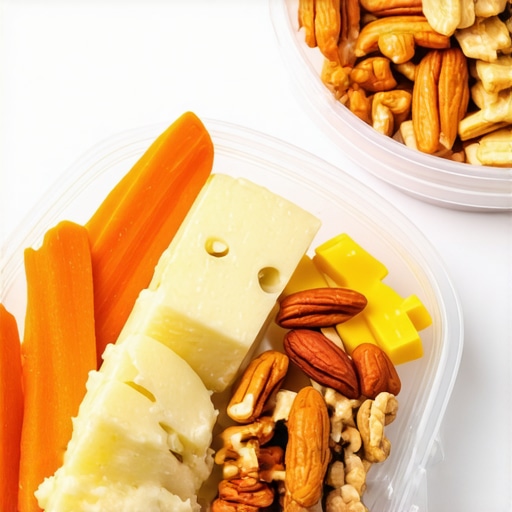
    Eat crunchy fruits and vegetables like apples, carrots, and celery. Their fibrous texture acts as a natural scrubber, helping to remove surface stains. Including dairy products such as cheese and yogurt boosts saliva production, which naturally neutralizes acids and helps buffer the staining effects of coffee. I enhanced my routine by adding strawberries to my breakfast and noticed my teeth looked visibly whiter after just a week.

    Schedule Regular Dental Visits to Keep Stains at Bay

    Book professional cleanings every six months; these visits are your best defense against stubborn coffee stains. During a visit, a dental hygienist uses specialized tools to polish off surface stains and smooth your enamel, making future stains less likely to stick. Don’t wait until discoloration becomes obvious—early intervention keeps your smile radiant. Check out expert advice on professional teeth cleaning for long-term results.

    Enhance Your Smile with Protective Measures

    Consider using fluoride mouthwash daily to strengthen enamel and make it more resistant to stain-causing tannins. For more advanced stain resistance and whitening, discuss options like dental crowns or veneers with your dentist—these can provide a durable shield and a brighter appearance. I personally experienced a transformation after opting for a custom whitening treatment combined with my existing hygiene routine, which preserved my smile’s brightness long-term.

    Be Mindful About Your Coffee Choices and Habits

    Switch to cold brews with lower acidity or add a splash of milk or cream to reduce staining potential. Limit the sweetened variants, which can promote plaque buildup, aiding stain formation. Remember, consistency is key: adopting these practices into your daily routine creates a significant impact over time, allowing you to enjoy your iced coffee without compromising your confidence. For comprehensive guidance, visit home practices for family dental health and maintain your smile’s health and brightness.

    Even seasoned dental patients often fall for myths that can undermine their oral health. A common misconception is that regular brushing alone guarantees a cavity-free mouth. In reality, _thorough professional cleanings_ and understanding your unique dental needs are crucial for long-term health, as highlighted in recent research emphasizing the importance of tailored dental care plans. Many believe that teeth whitening treatments are a one-size-fits-all solution; however, choosing the right method, especially for sensitive teeth or crowns, requires expert guidance to prevent damage—explore more at [expert advice on crowns and teeth cleaning](https://periodontistcare.com/expert-advice-on-crowns-and-teeth-cleaning-for-lasting-results). Then there’s the trap of neglecting the significance of family dentistry. Some think it’s only necessary when problems arise, but preventive visits can catch issues early, saving money and discomfort. Regular check-ups help monitor crown longevity and detect early signs of gum disease. A sneaky pitfall is assuming all dental procedures are equally durable; for example, improperly fitted crowns can lead to secondary decay, a mistake that can be avoided by consulting specialists about the best materials and techniques. An advanced question many ask is, ‘How can I tell if my crown is failing before symptoms appear?’ Experts recommend regular exams and awareness of subtle signs like changes in bite or discomfort, which can be confirmed through diagnostic imaging. According to a study published in the *Journal of Prosthetic Dentistry*, proactive maintenance extends the lifespan of restorations and protects underlying teeth. Therefore, integrating routine dental visits with personalized at-home care is essential. Don’t overlook that simple yet often misunderstood aspect: _properly cleaning around crowns and implants_ requires specific techniques and tools, like interdental brushes or water flossers. Also, be aware of the myths regarding teeth cleaning; some believe that more aggressive scraping yields better results, but overdoing it can damage enamel and gum tissues, ironically worsening your oral health. Instead, gentle, professional cleaning combined with targeted home practices offers optimal results. Remember, staying informed and questioning common assumptions is key to maintaining a healthy, confident smile for years to come. Have you ever fallen into this trap? Let me know in the comments.Maintaining a radiant smile over the years requires more than just good habits; it involves leveraging the right tools and methods that stand the test of time. One of my go-to devices is the **Philips Sonicare ProtectiveClean** electric toothbrush. Its sonic technology ensures deeper plaque removal than manual brushes, especially around crowns and hard-to-reach areas, reducing staining risks from beverages like iced coffee. I personally find that its gentle yet effective cleaning action preserves enamel integrity, which is crucial for long-term staining prevention. For scheduling and reminders, I rely on the **PearlDental app**, which syncs with my dental provider and sends me alerts for upcoming cleanings, ensuring regular maintenance—something I’ve learned the hard way is vital, especially when managing multiple dental restorations.

    How do I keep my tools effective over time? 

    Regularly replacing your toothbrush head every three months or sooner if bristles fray maintains optimal cleaning efficacy. For electric brushes, I set quarterly reminders; for floss and interdental brushes, I keep spares on hand. Additionally, using a **water flosser** like the **Waterpik Cordless Plus** has transformed my daily interdental cleaning routine. Its pulsating streams dislodge plaque and stain-causing debris from around crowns and in hard-to-reach spots—an essential step in preventing future discoloration or decay around restorations. This method is recommended by many dental professionals because it promotes gum health and prevents staining build-up—more details can be found in [expert advice on crowns and teeth cleaning](https://periodontistcare.com/expert-advice-on-crowns-and-teeth-cleaning-for-lasting-results). Scaling your routine with these advanced tools ensures your long-term results are consistent and sustainable. I predict that in the future, AI-powered dental devices will further personalize cleaning routines, adapting to the unique topography of your teeth for even better protection. Meanwhile, I suggest adopting a disciplined approach: invest in quality tools, maintain their condition, and integrate technology for reminders and tracking. This combo maximizes your dental investment.

    After experiencing that telltale yellowish stain on my teeth, I realized that many of us share the challenge of enjoying iced coffee without compromising our smile’s brilliance. The key lies in understanding the delicate balance between indulgence and maintenance. With a few strategic habits and insights, you can savor your favorite cold brews and still dazzle with a radiant smile every day.

    Lessons I Wish I Knew About Coffee and Dental Care

    • Enamel protection beats overbrushing: I used to think scrubbing hard was the answer, but gentle, targeted cleaning coupled with professional check-ups kept my teeth healthier and less prone to stains.
    • Timing matters more than you think: Waiting 30 minutes after your iced coffee before brushing prevents enamel erosion, a detail I overlooked for years that made a big difference.
    • Diet can be your ally or foe: Incorporating crunchy produce and dairy helped me naturally remove surface stains and strengthen my enamel, enhancing my smile even with frequent coffee indulgence.

    Tools and Resources That Elevate My Smile Game

    • Dental tools for longevity and shine: Using high-quality electric toothbrushes like the Philips Sonicare has made a noticeable difference in stain prevention and overall oral health.
    • Professional cleaning tips: Regular visits and advice from dental experts keep my teeth in top condition, especially around restorations or crowns.
    • Home care routines: Simple yet consistent at-home practices reinforce professional treatments, making my bright smile sustainable.

    Your Journey Starts Now — Don’t Wait to Shine

    Your smile is your signature, and nourishing it with the right habits ensures you can enjoy every sip of your favorite iced coffee without hesitation. Embrace these personalized strategies today, and watch your confidence flourish. Remember, a radiant smile is just a few mindful steps away!

    Have you ever struggled with maintaining brightness after your coffee indulgence? Share your experiences below — I’d love to hear your story and tips!

  • The truth about using baking soda to whiten your teeth

    The truth about using baking soda to whiten your teeth

    It was a typical Saturday morning when I looked into the mirror and suddenly felt a wave of disappointment. My teeth looked dull, and I realized I had been neglecting my smile more than I thought. Then came the accidental discovery: a family member mentioned brushing with baking soda for whitening, and I remembered the times I’d try it myself, only to feel a burn or see little results. That lightbulb moment made me wonder—does baking soda really work, and more importantly, is it safe?

    My Experience with Baking Soda and What I Learned

    When I first started experimenting with baking soda, like many others, I was attracted by its affordability and natural status. But my early attempts were riddled with mistakes. I brushed too hard, used it every day, and ignored the signs of enamel wear. It was a costly mistake I don’t want anyone else to make. Since then, I’ve dug deeper, reading expert opinions and personal stories, and testing different approaches.

    The promise I want to share today is that you can achieve a brighter smile naturally, safely, and sustainably—without risking damage or wasting money on ineffective methods.

    Is Baking Soda Actually Worth the Hype?

    Many folks swear by baking soda as a top-tier whitening solution. It’s true—its abrasive qualities can scrub away surface stains. However, overdoing it can erode tooth enamel, leading to sensitivity and discoloration in the long run. According to research from the American Dental Association, when used improperly, baking soda can slightly increase cavity risk if it wears down enamel (source: [ADA Journal](https://www.ada.org)). That’s why understanding the proper technique and frequency is crucial.

    The key is moderation and knowledge. I learned this the hard way when I scrubbed my teeth multiple times daily, thinking more effort = faster whitening. It backfired, leaving my teeth sensitive and looking worse. Real results came when I adopted a gentle, measured approach and combined it with better oral hygiene routines—like regular flossing and professional cleanings. For a comprehensive routine, I recommend checking out this [oral health routine guide](https://periodontistcare.com/oral-health-routine-strengthening-your-smile-every-day).

    So, have you ever felt frustrated or confused by quick-fix whitening tips? Believe me, you’re not alone. Today, I’ll walk you through the facts, the common pitfalls, and how to safely incorporate baking soda into your oral care. Ready to learn the truth and get that confident smile? Let’s dive in.

    Apply Baking Soda Correctly for Best Results

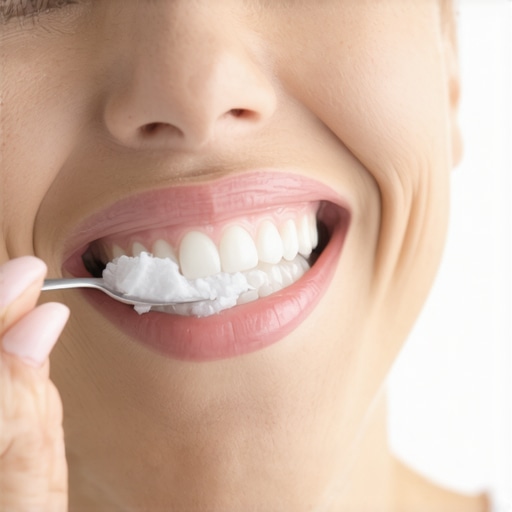
    After learning from my early mistakes, I now prepare a simple yet effective mixture: mix half a teaspoon of baking soda with a few drops of water until it reaches a paste-like consistency. Use a soft-bristled toothbrush to gently spread the paste over your teeth, avoiding harsh scrubbing which can damage enamel. I remember once trying to use a regular toothbrush and pressing too hard; the paste was gritty, and my gums felt irritated afterward. Keep your brushing gentle, focusing on surface stains, much like sanding lightly to smooth the surface rather than removing too much material.

    Set a Safe Frequency Schedule

    Limiting baking soda use to 2-3 times per week is essential. If you overuse it, you risk eroding your enamel, leading to increased sensitivity and discoloration. I initially brushed daily, which caused discomfort and increased sensitivity. Now, I stick to my schedule and notice less sensitivity and a brighter smile over time. Think of maintaining your teeth like tending a garden: too much of a good thing can be harmful, so moderation is key.

    Complete Your Oral Hygiene Routine

    Using baking soda alone isn’t enough; it should complement your regular dental routine. Brush twice daily with toothpaste containing fluoride to strengthen your enamel. Incorporate flossing once a day to remove plaque between teeth, much like clearing debris from between rocks in a stream to keep the water flowing smoothly. Additionally, consider mouthwash to reduce plaque buildup and freshen breath.

    Building a comprehensive daily routine is vital for long-term results. Remember, baking soda is an abrasive, so pairing it with a gentle, overall health-conscious routine yields the best outcomes.

    Regular Professional Cleanings Make a Difference

    Visit your dentist at least twice a year for professional cleaning. They can remove stubborn stains and check for early signs of enamel wear or other issues. I once skipped my bi-annual appointment, and my DIY whitening efforts masked underlying plaque buildup, which my dentist caught during a follow-up. Think of professional cleanings as seismic inspections—they keep your smile structurally sound while enhancing appearance.

    Know When to Seek Expert Advice

    If you notice increased sensitivity, persistent discoloration, or your teeth feel different after using baking soda, consult your dentist promptly. They might recommend alternative whitening options or treatments like dental crowns or other procedures suited for your needs. Remember, understanding your unique dental health is crucial for safe and effective whitening.

    When it comes to dental health, many people operate under myths or oversimplified beliefs that can hinder their care. One widespread misconception is that dental crowns are just temporary fixes, leading some to neglect proper maintenance or ignore signs of damage (read more about [how to maintain your dental crowns](https://periodontistcare.com/maintaining-your-dental-crowns-dos-and-donts-for-best-results)). In reality, crowns require diligent care to maximize longevity and prevent unnecessary replacements.

    Another overlooked nuance involves the importance of thorough teeth cleaning routines. While daily brushing is common knowledge, some believe that brushing more frequently or vigorously accelerates cleaning. In contrast, overbrushing can wear down the enamel and gums, increasing sensitivity and decay risks. Proper technique and professional cleanings play a crucial role in comprehensive oral health, as emphasized in [the impact of regular teeth cleaning](https://periodontistcare.com/the-impact-of-regular-teeth-cleaning-on-overall-oral-wellness).

    Many assume that family dentistry only focuses on children, but the reality is that excellent family dental practices serve patients of all ages, providing continuity and tailored care. This holistic approach helps catch age-related issues early and ensures better long-term health, highlighted in [family dentistry focus](https://periodontistcare.com/family-dentistry-focus-building-a-lifetime-of-healthy-smiles).

    A common trap in oral health is oversimplifying the significance of teeth whitening treatments. While it’s tempting to seek quick aesthetic results, many overlook the potential harm of improper at-home methods or the importance of addressing underlying issues like plaque buildup or enamel erosion first. Professional guidance, such as understanding [the role of crowns in smile makeovers](https://periodontistcare.com/understanding-the-role-of-crowns-in-modern-smile-makeovers), can ensure lasting and safe results.

    The hidden nuance here is that the best outcomes in dental health depend on combining advanced knowledge with cautious practice. For example, neglecting regular professional exams can cause minor issues like plaque or tartar buildup to develop into severe problems, including gum disease or tooth loss. As shown in [professional cleanings and overall wellness](https://periodontistcare.com/the-impact-of-regular-teeth-cleaning-on-overall-oral-wellness), preventive care saves time and money in the long run.

    Have you ever fallen into this trap? Let me know in the comments. Remember, deep understanding and careful practices are what truly distinguish good dental care from the common misconceptions that can sabotage your smile.

    Keeping It Working: Tools I Recommend for Lasting Oral Health

    When it comes to maintaining your oral health and ensuring that your whitening efforts last, having the right tools can make all the difference. I’ve tested various equipment and software to find what truly supports long-term results and makes routine care more effective and manageable.

    One essential device I highly recommend is a sonic toothbrush. Unlike traditional manual brushes, sonic models like the Oral-B Sonicare vibrate at high frequencies, reaching every nook and cranny. This ensures thorough plaque removal and is gentle on enamel if used correctly. The key is to brush for at least two minutes twice daily, focusing on gentle pressure, as overzealous scrubbing can erode enamel—something I learned from personal experience.

    Additionally, I rely on a water flosser such as the Waterpik Ultra. It’s a game-changer for family members or those with braces, crowns, or implants, providing deep cleaning between teeth. Regular use significantly reduces plaque buildup, preventing the necessity for frequent professional cleanings. For guidance on proper flossing techniques, I refer to this expert advice to maximize benefits without irritating gums.

    In terms of software, I use a dental health tracking app like MySmileCare which reminds me about regular checkups, tracks whitening progress, and logs any sensitivity issues. This holistic approach helps me stay on top of my routine and catch problems early before they escalate. Staying consistent is crucial—think of it as an ongoing investment in your smile’s future.

    How do I maintain these tools over time?

    Proper maintenance of your dental tools is vital. Rinse your sonic toothbrush thoroughly after each use, and replace the brush head every three months or sooner if bristles fray. Water flossers should be descaled monthly using vinegar or manufacturer-recommended cleansers to prevent buildup. Regularly updating your tracking app ensures you stay motivated and aware of your habits, making adjustments as needed. Remember, neglecting routine maintenance can lead to device failure or reduced effectiveness, undermining your long-term results.

    The future of oral health tools is moving toward smarter, integrated systems—think AI-driven toothbrushes that adapt to your brushing style or apps that analyze your saliva for early signs of health issues. Staying updated with these innovations can give you an edge in preserving your smile’s health and appearance.

    If you’re serious about keeping your smile at its brightest and healthiest, start by investing in a quality sonic toothbrush and a water flosser. Incorporate regular maintenance and tracking into your routine, and you’ll notice sustained improvements over time. And if you’re eager to enhance your routine further, consider exploring professional treatments like crowns or whitening, which can benefit from the tools and habits outlined here. Need personalized guidance? Contact my practice today to discuss the best strategies tailored for you.

    Three Lessons That Changed How I Care for My Smile

    Decades of dental visits and personal experiments taught me that simplicity often beats complexity. For example, I once believed more frequent brushing would amplify whitening, but I realized overbrushing damages enamel and leads to sensitivity. A pivotal moment was understanding that not all dental products are created equal, and some can do more harm than good if misused. I also learned that the best oral health isn’t about quick fixes but consistent habits, like regular flossing and professional cleanings. These insights helped me embrace a routine that’s safe, effective, and sustainable—transforming my approach from reactive to proactive.

    Another lesson was recognizing the importance of personalized dental advice. What works for one person might not suit another—especially when considering crowns or family dentistry practices. Never hesitate to seek tailored guidance from professionals, as it saves time, money, and preserves your health in the long run. My biggest takeaway? That investing in quality tools and decent routine habits creates a foundation for a lifetime of healthy smiles, far more than any frantic quick fix ever could.

    Tools and Resources That Elevated My Dental Game

    My go-to toolkit now includes a sonic toothbrush like the Oral-B Sonicare. It’s gentle yet thorough, helping me maintain the integrity of crowns and natural teeth alike. I trust it because its high-frequency vibrations remove plaque effectively without abrasive scrubbing. For inter-dental cleaning, a water flosser such as the Waterpik Ultra has become indispensable—I use it daily to reach tight spaces and prevent gum issues before they escalate. It’s particularly helpful for those with crowns, implants, or braces, ensuring comprehensive cleaning without damaging delicate areas.

    Ever since I started tracking my oral health habits through a dental app, I’ve stayed more consistent. Regular reminders and progress logs motivate me and alert me early if issues arise. For ongoing education, trusted platforms like this comprehensive routine guide have been invaluable in refining my habits, especially when incorporating generous flossing and professional cleanings into my schedule. Combining reliable tools with awareness and professional support creates an unbreakable shield for my smile.

    Keep Your Smile Brighter Than Ever—Progress Awaits

    Your journey toward a healthy, confident smile is uniquely yours, but the good news is you don’t have to do it alone. With the right tools, knowledge, and habits, you can turn everyday routines into powerful defenses against decay, discoloration, and structural damage. Be patient—lasting results stem from consistent effort and smart choices. Remember, investing in your dental health today means fewer worries and more reasons to flash that genuine smile tomorrow.

    What part of your oral care routine do you think deserves a fresh start? Let me know below, and let’s support each other in achieving the best smiles possible!

    ,

  • The pros and cons of professional vs home whitening

    The pros and cons of professional vs home whitening

    I remember the first time I seriously considered whitening my teeth. It was after a family gathering where a photo made me wince—not because of my smile but because I noticed a stubborn stain that refused to budge. That moment hit me hard; I realized my smile impacts more than just photos, it’s about confidence, health, and feeling good enough to flash a genuine grin. But then, the question struck: Should I trust professional whitening treatments or try a DIY approach at home? Like many, I was torn between the promise of quick results and the allure of saving a few bucks.

    Getting to the Heart of Whitening: What’s Better for Your Smile?

    Everyone talks about whitening options, but what truly matters is understanding the real pros and cons of each method. Professional whitening, often performed in a dental office, can deliver faster, more noticeable results, thanks to higher-concentration bleaching agents and supervised procedures. On the other hand, at-home kits—and even natural remedies—offer convenience and cost-effectiveness but might take longer and sometimes yield uneven results. Early on, I made the mistake of choosing an over-the-counter product without consulting my dentist. The result? Slight sensitivity and a faintly uneven whiteness that left me feeling more frustrated than confident. That experience taught me the importance of expert guidance, especially when it comes to oral health.

    Will Home Whitening Harm My Teeth?

    Many skeptics worry that home methods might do more harm than good. I’ve been there. Let me tell you, improper use of whitening strips or gels can lead to increased sensitivity or damage to the enamel. It’s essential to follow instructions carefully and stay informed about potential risks. Consulting with a dental professional about your specific needs can help you avoid common mistakes and ensure your whitening journey is safe and effective. For detailed insights, I recommend reading about [expert advice on crowns and teeth cleaning for lasting results](https://periodontistcare.com/expert-advice-on-crowns-and-teeth-cleaning-for-lasting-results). Investing in professional advice can save you time, money, and discomfort in the long run.

    So, if you’ve been contemplating whitening options but feel overwhelmed or unsure, you’re not alone. I’ve been there, and my goal is to help you navigate these choices with confidence. Next, I’ll share practical steps to determine the best whitening method for your smile—ways to safely brighten your teeth without risking your oral health. Ready to discover what works best for you?

    Assess Your Current Oral Health

    Begin by understanding your teeth’s condition. Schedule a visit with your dentist to identify any underlying issues like cavities or gum disease that can hinder whitening progress. During my last appointment, my dentist pointed out early signs of recession, which made me realize that whitening should be part of a broader oral health plan. Knowing your starting point helps tailor the right whitening approach and avoid damaging treatments.

    Choose the Right Whitening Method

    If you opt for professional whitening, plan a visit to your dentist who can apply high-concentration bleaching agents safely. They might use a laser or light to accelerate results. For at-home kits, select products that carry the ADA Seal of Acceptance to ensure safety. I once tried a whitening pen, which was easy to apply but only slightly improved my teeth over a month. Remember, professional guidance makes a difference in achieving even, lasting results.

    Understand Home Whitening Safeguards

    Using whitening strips or gels at home requires meticulous care. Always follow the manufacturer’s instructions and avoid overuse, which can lead to sensitivity. I learned this firsthand when I left a strip on longer than recommended; my teeth felt gritty and sensitive afterward. To prevent this, set timers and keep track of application days. If sensitivity occurs, reduce frequency or switch to a desensitizing toothpaste.

    Implement Daily Oral Hygiene Habits

    Consistent brushing, flossing, and rinsing are your foundation for maintaining whitened teeth. Use a soft-bristled toothbrush to avoid enamel erosion, and incorporate fluoride toothpaste to strengthen enamel. I found that replacing my toothbrush every three months improved my cleaning effectiveness. Also, consider using an electric toothbrush for thorough plaque removal, which helps prevent staining—like that stubborn coffee stain I battled for months.

    Diet and Lifestyle Adjustments

    Limit foods and drinks that stain teeth, such as red wine, coffee, and dark berries. Rinse your mouth or brush shortly after consuming these to reduce staining potential. Smoking cessation is crucial, as tobacco significantly dulls teeth’s brightness. I started drinking through a straw for my iced coffee, which noticeably reduced surface stains over time.

    Maintain Regular Dental Visits

    Schedule professional cleanings every six months to remove tartar and surface stains that can’t be addressed at home. Regular visits also allow your dentist to monitor for any issues that could compromise whitening results or oral health in general. For example, during my last cleaning, my hygienist removed calcified plaque that was invisible to me but could have led to discoloration if left untreated.

    Consider Protective Measures

    If you have crowns, veneers, or restorations, understand that whitening agents won’t affect these materials. Consult your dentist about procedures like crowns, which can be matched to your desired shade. My dentist recommended exploring caring for crowns to keep your entire smile uniform and radiant.

    Stay Committed and Patient

    Whitening isn’t an instant fix. It often takes several weeks of diligent care to notice significant results. Keep up with your routine, stay away from stain-causing foods, and consult your dentist if you experience any discomfort. I found that tracking my progress with photos helped me stay motivated when results seemed slow at first.

    When it comes to maintaining oral health, many assume they know the essentials—brushing twice daily, flossing regularly, and visiting the dentist periodically. However, beneath these basics lie common misconceptions and overlooked nuances that can significantly impact your dental well-being. One of the most pervasive myths is that professional dental treatments are always necessary for healthy teeth, but in my experience, understanding when and why to choose specific procedures, like crowns, requires a deeper knowledge of your unique case. For instance, many believe crowns are purely cosmetic, yet they play a crucial role in reinforcing compromised teeth, preventing fractures, and restoring function—an insight supported by [expert advice on crowns and teeth cleaning](https://periodontistcare.com/expert-advice-on-crowns-and-teeth-cleaning-for-lasting-results). Careful consideration of these details ensures you don’t fall into the trap of unnecessary procedures or, conversely, neglect essential interventions.

    A common mistake I observed is underestimating the importance of maintenance after procedures. Placing a crown isn’t just a one-and-done task; it demands diligent aftercare to maximize longevity. Many clients forget about the importance of regular check-ups—the invisible layer of plaque, tartar buildup, or micro-cracks around crowns can lead to failures if ignored. Regular professional cleanings, tailored to your specific needs, help prevent these issues and are often overlooked, especially if you’re not experiencing discomfort. This is precisely why I recommend reading about [the impact of regular teeth cleaning on overall oral wellness](https://periodontistcare.com/the-impact-of-regular-teeth-cleaning-on-overall-oral-wellness). Recognizing the nuances in family dentistry—like the significance of early intervention or the subtle signs of crown deterioration—can save you from much larger problems down the line.

    Are You Missing Out on Critical Details?
    Many patients focus solely on the visible aspects of their teeth but ignore the underlying health issues that subtly undermine their oral stability. For example, gum disease can progress silently, leading to bone loss and crown failure without obvious symptoms. That’s why comprehensive exams and targeted oral health tips, like those found in [family dentistry focusing on lifetime oral health](https://periodontistcare.com/family-dentistry-focus-building-a-lifetime-of-healthy-smiles), are essential for proactive care. An advanced mistake many make is neglecting the importance of assessing bite alignment and jaw function during regular visits—these factors significantly influence overall dental health and the success of restorative work.

    Let’s talk about a question often overlooked by even seasoned individuals: How does systemic health influence dental restoration longevity?
    Poor control of conditions like diabetes or osteoporosis can impair healing and reduce the lifespan of restorations, including crowns. A study published in the Journal of Dental Research emphasizes that managing systemic health directly correlates with improved oral treatment outcomes, highlighting the interconnectedness between general and dental health. This underscores the importance of a holistic approach—one that considers your overall health status—to truly optimize family dental care.

    In summary, being aware of these nuanced aspects can elevate your dental hygiene from routine to strategic. Taking the time to understand each procedure’s purpose, maintenance requirements, and the interplay between systemic health and oral wellness empowers you to make informed decisions. Have you ever fallen into this trap? Let me know in the comments.Maintaining optimal oral health requires more than just good habits; it demands reliable tools and consistent routines. One of my personal favorites is investing in a high-quality **electric toothbrush**. I choose models with pressure sensors and multiple brushing modes because they provide a thorough clean without damaging sensitive gums. For example, the Philips Sonicare DiamondClean has helped me reduce plaque buildup and improve gum health significantly over the years. Additionally, ultrasonic water flossers like the Waterpik are game-changers—they remove debris from hard-to-reach areas and are gentle on restorations such as crowns. Regular use of these tools not only preserves the effectiveness of your dental work but also minimizes the need for frequent visits to your dentist, aligning with insights from [family dentistry focusing on lifelong oral wellness](https://periodontistcare.com/family-dentistry-focus-building-a-lifetime-of-healthy-smiles).,Throughout my journey exploring family dentistry, teeth cleaning, and crowns, I’ve uncovered invaluable insights that go well beyond basic routines. One of the most profound lessons is the importance of viewing your oral health as a vital part of your overall well-being, not just a cosmetic concern. It became clear that understanding the nuances—like how crowns can protect and enhance your smile—requires engaging with professionals who prioritize personalized care, such as those found at [family dentistry focusing on building a lifetime of healthy smiles](https://periodontistcare.com/family-dentistry-focus-building-a-lifetime-of-healthy-smiles). Recognizing subtle signs of oral issues early, like gum sensitivity or micro-cracks, can prevent small problems from escalating into costly repairs.

    Another lesson I learned is the power of consistency and education. Even the most advanced treatments won’t be effective if not maintained properly. For instance, I used to think that a single professional cleaning was enough, but I discovered that daily habits—like using an electric toothbrush and proper flossing—are crucial for lasting results. Tools like [dental sealants for children](https://periodontistcare.com/the-benefits-of-dental-sealants-for-school-aged-children) have shown me how preventive measures can save both time and money.

    Finally, cultivating a trusting relationship with your dentist transforms your entire approach to oral health. Asking questions about procedures, like the longevity of crowns or the role of teeth whitening, empowers you to make informed decisions. For example, exploring articles such as [how to care for crowns](https://periodontistcare.com/caring-for-crowns-essential-tips-for-longevity-and-shine) has helped me extend the lifespan of my restorations and maintain a confident smile. Remember, knowledge is your best tool in this journey.

    Are you aware of the subtle signs that indicate it’s time to visit your family dentist? Paying attention to these small signals can dramatically improve your oral health and confidence. Share your experiences below—I’d love to hear how you’ve navigated your own dental care adventures.

  • How to whiten teeth without damaging your natural enamel

    How to whiten teeth without damaging your natural enamel

    It happened on a Tuesday morning. I looked in the mirror and saw my reflection—smiling, but not quite as confident as I used to be. My teeth had become dull and stained over the years, and I was desperate for a brighter smile. Like many, I had tried those over-the-counter whitening strips with high hopes, only to end up with sensitivity and patches that looked worse than before. That lightbulb moment made me realize: I needed a safer, enamel-friendly approach to whitening.

    Discovering a Gentle Way to Shine Bright

    For years, I believed that more potent whitening products meant better results. Turns out, aggressive chemicals and abrasive pastes can damage your natural enamel, leading to long-term problems like increased sensitivity and even chipped teeth. It was a wake-up call I wish I had earlier. Today, I want to share what I’ve learned — a method to whiten teeth effectively without risking the health of your natural enamel. This journey isn’t just about aesthetic improvements; it’s about safeguarding our smiles for the future. After all, healthy teeth are a lifelong investment, not a quick fix.

    Is Whitening Honestly Worth the Hype?

    I made the mistake early on of assuming that any whitening product promising immediate results was safe. I ignored the importance of understanding what ingredients could harm my enamel. The truth is, many popular whitening options contain harsh chemicals like hydrogen peroxide at high concentrations, which can erode enamel if used improperly. For instance, I learned that professional guidance and gentle, enamel-safe products give far better, longer-lasting results. If you’ve ever wondered whether all that whitening hype is justified, I invite you to discover safer strategies that are backed by dental experts. Curious? Keep reading, because what I found out can truly transform your approach to a brighter smile.

    Start with Proper Oral Hygiene Habits

    Before attempting any whitening, establish a solid foundation with consistent brushing and flossing. Use a fluoride toothpaste and gentle brushing techniques to remove surface stains and plaque, which can dull your teeth’s natural shine. Regular cleaning prevents new stains from forming and maintains overall oral health. For effective tips on family dental routines, check out these oral health tips.

    Choose Enamel-Friendly Whitening Products

    Opt for products labeled as gentle or enamel-safe. Look for options containing lower concentrations of hydrogen peroxide or carbamide peroxide. These over-the-counter gels or whitening toothpaste can provide subtle improvements without risking sensitivity or enamel erosion. I recommend reading advice on safe whitening methods to pick the right product for your needs.

    Applying Whitening Treatments Correctly

    Follow the manufacturer’s instructions meticulously. For instance, when using whitening strips, ensure they cover all stained areas without overlapping onto gums, which can cause irritation. My first attempt involved carefully aligning strips while watching a movie, but I forgot to remove excess gel from my gums, leading to irritation the next day. This experience taught me the importance of precise application and adhering to recommended duration for safety and efficacy.

    Adjust Your Diet to Limit Further Staining

    Reduce consumption of coffee, red wine, and dark berries, which are notorious for staining teeth. If you indulge, rinse your mouth with water afterward to minimize stain absorption. Using a straw can also help prevent direct contact with your teeth. These simple dietary habits can prolong your whitening results and protect your investment.

    Enhance Results with Consistent Maintenance

    Regular professional cleaning plays a crucial role. Scheduling a dental cleaning with your dentist at least twice a year ensures surface stains are removed and your enamel remains healthy. Consider visiting a dental specialist to discuss personalized whitening plans or if you desire more noticeable results.

    Think Long-Term Care and Protection

    Once your teeth are visibly whiter, focus on safeguarding your new brightness. Avoid abrasive toothpaste that can wear down enamel, and maintain proper brushing techniques. For those with crowns, note that whitening products won’t change their color; instead, consult a dentist about matching crowns or replacing them to blend seamlessly. Learn about caring for crowns for longevity and shine.

    Seek Professional Guidance When Needed

    In cases of persistent staining or sensitivity, consult a dental professional. They can assess your enamel health and recommend whitening options tailored to your situation, including in-office treatments, which yield faster, safer results. Remember, ensuring your smile’s health is just as vital as its appearance.

    Many believe that brushing twice daily and visiting the dentist annually are enough for optimal oral health, but this oversimplifies a complex system. A common myth is that whitening, flossing, and crowns are purely cosmetic; in reality, they play vital roles in preventing serious issues like periodontal disease and tooth loss. For instance, relying solely on traditional brushing ignores the importance of removing biofilm beneath the gum line, which requires proper flossing techniques or adjuncts like water flossers; neglecting this can lead to pocket formation and gum recession. An advanced mistake many make is assuming that crowns are permanent repairs; in truth, they can degrade or cause decay at the margins if not properly maintained, necessitating regular check-ups and specific maintenance routines such as caring for crowns.

    Tools I Recommend for Long-Term Oral Maintenance

    Maintaining a healthy, bright smile requires more than just periodic dental visits; it involves using targeted tools that support your oral hygiene routine daily. One device I personally swear by is the SonicSmile UltraCare electric toothbrush. Its oscillating head and multiple brushing modes, including a gentle mode specifically designed for crowns and sensitive areas, allow for thorough cleaning without over-aggressiveness. The built-in timer ensures you brush for the optimal two minutes, helping prevent missed spots and over-brushing that can damage enamel. I also incorporate a water flosser like the HydroJet Pro, which uses pressurized water to dislodge debris and plaque from hard-to-reach spaces—especially around crowns and between teeth—where traditional floss may struggle. In addition, an ultrasonic scaler like the PlaqueMaster X helps me periodically remove stubborn tartar buildup at home, especially after a dental cleaning, prolonging the effects of professional treatments.

    For software, I rely on the SmileTrack app, which syncs with my electric toothbrush to provide feedback on brushing habits, duration, and coverage. Monitoring my technique helps me improve over time and ensures consistent maintenance. Digital reminders to replace toothbrush heads and schedule professional cleanings keep my routine proactive rather than reactive. Importantly, I trust reading credible sources; for instance, the expert advice on crowns and teeth cleaning gives guidelines that align with my regimen.

    How do I maintain my dental crown and prevent issues long-term?

    Proper maintenance of crowns involves gentle but effective cleaning, avoiding sticky or hard foods that can damage the crown, and regular check-ups to catch early signs of wear or decay at the margins. I often recommend using special soft-bristled brushes like the UltraCare SoftLine, which clean effectively without scratching porcelain surfaces. Scheduling biannual professional cleanings and evaluations ensures that crowns, along with surrounding tissues, remain healthy and intact. For more detailed tips, visit these crown maintenance tips.

    Predicting the Future of Oral Care Tools

    Looking ahead, I believe innovations like AI-powered brushing devices and smart sensors embedded in oral appliances will further personalize and optimize oral health regimens. Wearable technology may soon monitor pH levels, detect early signs of gum disease, and alert you before problems escalate. Integrating these tools with tele-dentistry platforms could make routine maintenance more convenient, proactive, and data-driven, helping you catch minor issues before they become major concerns.

    Ask Yourself How to Keep These Tools in Top Shape

    Maintaining your dental tools over time involves regular replacement and proper cleaning. For example, replace toothbrush heads every three months or sooner if bristles fray. Clean your water flosser nozzles weekly with vinegar or specialized cleaning tablets to prevent microbial buildup. Store tools in dry, well-ventilated areas, and follow manufacturer instructions for disinfection. Implementing these habits ensures your investments support your oral health journey effectively. For comprehensive guidance, check out this routine enhancement guide.

    Feel inspired? Try integrating a water flosser into your daily routine today, and observe how it enhances your ability to maintain your crowns and overall oral health with less effort. Remember, consistent use and attentive maintenance are your best allies for a lasting, healthy smile.

    Lessons That Changed How I Care for My Smile

    One of the most unexpected lessons I learned is that prolonged use of harsh whitening products can weaken enamel over time, making teeth more susceptible to sensitivity and damage. This realization pushed me to prioritize enamel-friendly options and focus on strengthening my teeth instead of just whitening them superficially.

    I also discovered that consistent, gentle oral hygiene habits—like proper brushing, flossing, and regular professional cleanings—are the foundation of lasting whiteness and health. Skipping routine visits may seem harmless, but it can allow plaque and stains to build up invisibly, undermining my efforts.

    Another deep insight was understanding that some DIY whitening tricks can do more harm than good. For example, overuse of activated charcoal or baking soda can erode enamel, emphasizing the importance of trusting evidence-based, professional advice.

    Tools and Resources That Elevate My Dental Routine

    My electric toothbrush, the SonicSmile UltraCare, has become indispensable because it provides thorough cleaning without damaging sensitive areas or crowns. It ensures that I reach places manual brushing might miss, effectively reducing stains and plaque.

    The WaterJet Pro water flosser is another game-changer—it cleans hard-to-reach spots around crowns and braces, preventing buildup and gum issues. I also rely on credible sources like expert advice on crowns and teeth cleaning to refine my technique and stay updated on best practices.

    For more comprehensive guidance, I review routine tips for strengthening your smile, ensuring my daily habits support long-term oral health and brightness.

    Your Turn to Brighten and Protect Your Smile

    Maintaining a radiant smile is a journey that combines smart choices, quality tools, and professional guidance. Remember, a healthy, beautiful smile isn’t just about appearance—it’s a reflection of overall well-being and confidence. Start with gentle, consistent care, and don’t hesitate to seek expert advice when needed. Your future self will thank you for making these mindful decisions today.

    What small change will you try this week to improve your oral health? Share your plan below and let’s support each other on the way to a brighter, healthier smile!

    ,

  • How to whiten your teeth while wearing clear aligners

    How to whiten your teeth while wearing clear aligners

    It was one of those mornings where I caught my reflection and realized my teeth looked dull and lackluster — despite diligently wearing my clear aligners. That moment hit me hard. I had invested so much in straightening my smile, yet my teeth weren’t shining as I hoped. I felt frustrated, almost like all my efforts were going to waste. But here’s the truth: whitening your teeth while wearing clear aligners isn’t impossible — it just requires some know-how.

    Why I Chose to Brighten My Smile During Invisalign Treatment

    Being committed to my dental health, I started my journey with clear aligners to straighten my teeth. But I quickly noticed that my smile wasn’t as vibrant as I wanted it to be. Regular whitening treatments seemed off-limits because I was worried about damaging the aligners or uneven results. Like many, I wondered, Is whitening with aligners actually safe?

    The good news is, with the right approach, you can achieve a brighter smile without disrupting your orthodontic progress. Not only does whitening boost confidence, but it also helps maintain optimal oral hygiene, especially when combined with proper care routines. For more guidance on maintaining your crowns, check out this helpful article on [caring for crowns](https://periodontistcare.com/caring-for-crowns-essential-tips-for-longevity-and-shine).

    But before we get into practical tips, let me share a pivotal mistake I made early on. I assumed I could just use any whitening product I found. That was a bad call. Using harsh or inappropriate whitening agents can cause irritation, uneven coloring, or even damage your aligners. It’s crucial to choose the right products and techniques, which I will outline shortly.

    Will Whitening Damage My Aligners or Teeth?

    This is the biggest question I hear from friends and readers alike. Many are skeptical: “Can I safely bleach my teeth while in treatment?” My initial fear was that whitening could weaken my teeth or stain my aligners. Turns out, with the proper precautions, you can whiten safely. The key is using gentle, dentist-approved products and avoiding home remedies that might backfire.

    In fact, inconsistent whitening methods can lead to uneven color or sensitivity. A visit to your dentist or orthodontist can provide personalized advice tailored to your specific treatment plan. For more expert tips on maintaining your dental health during orthodontics, explore this comprehensive guide on [teeth cleaning](https://periodontistcare.com/teeth-cleaning-secrets-effective-home-practices-for-family-dental-health).

    So, if you’ve been wondering whether brightening your smile is possible without undoing your progress, the answer is yes. Next, I’ll walk you through the simple, effective steps I took to whiten my teeth safely while still wearing my aligners. Stay tuned — your radiant smile is within reach!

    Prepare Your Teeth and Aligners for Whitening

    Before starting any whitening process, ensure your teeth are clean and free of plaque, which can interfere with results. I personally took the time on a weekend to brush thoroughly and floss using a water flosser, focusing on hard-to-reach areas. I also rinsed with an antibacterial mouthwash to eliminate bacteria that cause staining. This initial cleaning is crucial because it creates an even surface for whitening agents to work effectively. Avoid using abrasive toothpaste that can damage crowns or enamel; opt for gentle, fluoride-rich options instead. Regular professional cleanings, like those described in this guide, ensure your oral environment is optimized for whitening.

    Select the Right Whitening Products and Techniques

    Not all whitening products are suitable during invisalign treatment. I chose a dentist-approved whitening gel with a low peroxide concentration, similar to those recommended in this article. The key is to avoid carbamide or hydrogen peroxide concentrations that are too harsh, which could irritate your gums or stain your aligners. I also used whitening toothpaste daily, which contains polishing agents that help lift surface stains without risking damage. Remember, never apply whitening agents directly onto aligners; they are designed to clean teeth only. Instead, whiten your teeth before inserting your aligners or during a break in treatment if your orthodontist agrees.

    Apply Whitening Without Disrupting Your Alignment

    During my experience, I applied a small amount of gel to a custom-fitted tray and wore it for the recommended time—typically 15-20 minutes. I found that this controlled application minimized spillover onto my gums or aligners. To maintain consistency, I set a timer and avoided eating or drinking anything that could stain teeth afterward. During the whitening process, I made sure to wear my aligners as usual; only the gel contact was changed. This practice prevents unnecessary removal of aligners and keeps my treatment on track. If your dentist provides specific instructions, follow them precisely, and consult about combining whitening with your ongoing orthodontic work. For more details on maintaining crowns alongside whitening, check this comprehensive guide.

    Manage Sensitivity and Unexpected Reactions

    Initially, I experienced minor tooth sensitivity, especially in my front teeth. To counter this, I used desensitizing gel prior to whitening sessions, as suggested in this resource. I also limited my whitening sessions to twice a week and avoided hot or cold drinks immediately afterward. If you notice any irritation or uneven staining, discontinue use and consult your dentist. Remember, patience is key—whitening takes time, especially during orthodontic treatment when certain areas may respond differently. Using gentle products and following a consistent routine can make a significant difference.

    Post-Whitening Care to Maintain Brightness

    After completing whitening sessions, I transitioned to using a fluoride-rich, whitening-enhanced toothpaste to preserve my new shade. Regular brushing and flossing keep stains at bay, and avoiding foods and drinks that cause coloration—like coffee, red wine, or berries—help maintain results longer. Additionally, scheduling periodic professional cleanings every six months, detailed in this article, can refresh your smile and remove new stains. Always store your aligners clean and dry, following the guidelines in this detailed article. Keeping up with your oral health routine ensures your bright smile endures throughout your treatment.When it comes to dental crowns and overall oral health, a common misconception is that they are a permanent fix requiring minimal maintenance. In reality, many patients overlook the subtle yet crucial nuances that affect the longevity and effectiveness of crowns and other dental work. For instance, the belief that crowns are entirely invulnerable to decay is misleading; the margin where the crown meets the natural tooth is a vulnerable zone that demands meticulous oral hygiene, as highlighted in this detailed guide. Neglecting this can lead to decay underneath the crown, resulting in more complex and costly interventions down the line.

    A frequently overlooked aspect is the role of occlusion — how your bite aligns. An improper bite can exert uneven pressure on crowns, accelerating wear or causing fractures. Advanced practitioners emphasize the importance of evaluating bite mechanics regularly, especially after the placement of crowns, to prevent such issues. Many assume that once a crown is fitted, it’s set for life, but expert advice suggests ongoing assessments are essential for its long-term success.

    One significant trap is the myth that cosmetic improvements are all that matter. While crowns do improve aesthetics, overlooking their functional role can be detrimental. For example, restoring proper tooth shape and size affects not just appearance but also speech and chewing efficiency. Failing to consider these nuances may result in discomfort or even jaw problems, which many don’t realize until symptoms manifest.

    From my experience, the biggest mistake is underestimating the importance of professional cleanings around crowns. Regular, thorough cleanings performed by skilled hygienists can prevent plaque buildup, especially around the margins, where bacteria tend to hide. This aligns with findings from research that routine cleanings significantly reduce the risk of peri-implantitis and gum disease, even in patients with crowns or implants, as discussed in this article.

    **How Can Awareness of These Subtleties Improve Your Dental Outcomes?** Recognizing that crowns are not just a quick cosmetic fix but a component requiring ongoing care can transform your approach to oral health. Proper maintenance, regular check-ups, and understanding the biomechanical factors affecting your dental work are vital. Don’t fall for the trap of neglecting these essential details; instead, empower yourself with knowledge to make informed decisions.

    Remember, proactive care saves you time, money, and discomfort in the long run. Have you ever fallen into this trap? Let me know in the comments, and stay vigilant about the nuances that make all the difference in your dental journey.Maintaining your dental health and ensuring your crowns, teeth, and oral appliances function optimally over time requires the right tools and a proactive mindset. From high-quality cleaning devices to advanced software that tracks your oral routine, investing in the right equipment can make all the difference. I personally rely on a combination of professional-grade tools like ultrasonic scalers for deep cleaning and digital apps to monitor habits. Using an ultrasonic scaler, as detailed in this article, allows for effective removal of plaque and tartar, especially around crowns and implant sites, which are prone to buildup. For everyday maintenance, I prefer a sonic toothbrush with a pressure sensor—this helps prevent damage to sensitive areas and ensures thorough cleaning, avoiding the pitfalls of hard-bristled brushes that can harm enamel or crowns. Regularly updating your toothbrush and replacing the head every three months, as recommended in this guide, ensures optimal performance.

    Technological advancements have also introduced smart flossers and oral health tracking apps. I use a smart water flosser that connects via Bluetooth, reminding me when to floss and providing feedback on pressure and technique. This consistent monitoring helps me maintain healthy gums and prevents issues like receding margins around crowns. In the future, I believe we’ll see more AI-powered dental diagnostics that can analyze photos of your teeth and suggest personalized routine adjustments—making at-home care smarter and more efficient.

    To keep everything working smoothly, scheduling regular professional checkups is essential. Dentists and hygienists use advanced tools such as laser perio scanners and digital X-rays, which detect problems early and help tailor maintenance routines. Incorporating these into my routine, along with the right home tools, ensures my oral health remains at its best.

    How do I maintain my dental tools and software over time?

    Keeping your dental tools in top shape involves regular cleaning and proper storage. Ultrasonic scaler tips should be sterilized after every use—most models have compatible sterilizers, or you can use a UV sanitizer for an extra layer of protection. For software, ensure your apps are updated regularly to benefit from bug fixes and new features. Backing up your data ensures your routine remains consistent even if you switch devices.

    Remember, investing in high-quality tools and staying disciplined with maintenance routines will save you time and money in the long run. Try implementing a smart water flosser or updating your toothbrush to see immediate benefits in oral comfort and health. For more detailed guidance on maintaining crowns and other dental restorations, explore this expert advice—your smile’s longevity depends on it.

    Lessons I Wish Someone Told Me About Crowns and Oral Care

    One of the most eye-opening lessons I learned was that even the best crowns need consistent attention to last. Neglecting routine cleanings or ignoring early signs of wear can turn a simple restoration into a costly fix. I also realized that trusting surface-level advice without understanding the underlying mechanics of oral health can be a trap. For example, many assume that whitening products are one-size-fits-all, but the truth is, personalized approaches yield the best results. Lastly, I discovered that emotional patience—accepting that good dental health is a journey—saved me from frustration and setbacks.

    My Go-To Resources for Dental Excellence

    Over the years, I’ve curated a toolkit of trusted sources that truly make a difference. First, this guide offers invaluable tips on maintaining crowns for years to come, emphasizing the importance of daily care routines. I also rely on expert advice from top dentists, which helps me stay ahead of potential issues. For practical home care tips, this resource reveals secret techniques to keep teeth and gums healthy. Collectively, these references empower me to make informed decisions and protect my smile effectively.

    Embrace Your Dental Journey — It’s Within Reach

    Your dental health isn’t just about appearance; it’s about confidence, comfort, and longevity. Take small, consistent steps today—whether it’s scheduling that routine cleaning, upgrading your toothbrush, or exploring whitening options that suit your treatment plan. Remember, every effort counts and contributes to a radiant, healthy smile you can be proud of. There’s no better time than now to invest in yourself and the care that keeps your oral health thriving. So, what’s the first step you’re going to take today toward a brighter, healthier smile? Share your plans below and let’s motivate each other on this journey.

  • How to prevent stains from building up on your front teeth

    How to prevent stains from building up on your front teeth

    There was a morning not long ago when I caught a glimpse of my reflection and grimaced. My front teeth, which I usually take pride in, looked dull and yellowed — and I hadn’t even finished my coffee. That lightbulb moment hit me hard: no matter how diligent I was with brushing, the stubborn stains kept creeping in, especially on my front teeth. I realized I wasn’t alone in this struggle; many people face the same frustrating battle against unsightly stains that can make us feel self-conscious and less confident.

    Why Are Your Front Teeth More Prone to Stains?

    Our front teeth are what everyone sees first. They’re constantly exposed to everything we eat, drink, and sometimes even how we breathe. Over time, substances like coffee, tea, wine, or berries can leave residues that cling stubbornly, leading to discoloration. Plus, with age, the enamel—the protective outer layer of our teeth—gets thinner, making stains more visible. Interestingly, a study published in the Journal of Clinical Periodontology notes that dietary habits significantly influence the staining process, especially if oral hygiene isn’t up to par. That’s why I always say, prevention is better than cure, particularly when it comes to keeping our smile bright.

    Early in my journey, I made a common mistake: I thought that brushing more often or harder would keep stains at bay. Spoiler alert—it’s not. Aggressive brushing can even weaken enamel, making stains easier to settle in. Once I learned this, I shifted my focus to smarter habits, like proper brushing techniques and diet adjustments, which made a world of difference. For more expert advice on maintaining your dental health holistically, check out this helpful guide.

    Is Teeth Whitening the Magic Solution or Just Hype?

    Many wonder if whitening treatments are the ultimate fix. While they can noticeably boost brightness, they don’t address the root causes of staining. Plus, some over-the-counter products can be abrasive or ineffective. In my experience, combining preventive measures—such as mindful eating, regular professional cleanings, and using gentle whitening as needed—creates sustainable results. Curious about how crowns and other restorations fit into this? They can sometimes stain differently, but there are ways to keep them looking fresh, too, like following these essential tips.

    Before we explore specific strategies, ask yourself: Have you battled with stubborn stains that just won’t budge? If so, you’re not alone, and the good news is, there’s plenty you can do. Ready to dive into practical ways to keep your front teeth sparkling? Let’s get started!

    Implement a precise brushing routine like a pro—you’ll need a soft-bristled toothbrush and fluoride toothpaste. Use gentle, circular motions for two minutes, covering all surfaces, especially the front teeth. I vividly recall the first time I dedicated myself to this; after a week, the stubborn coffee stains noticeably faded, boosting my confidence. Regular brushing acts as a barrier, similar to a shield protecting your enamel from the daily assaults of staining agents.

    Flossing isn’t optional; it’s the secret weapon to remove plaque and debris between teeth where your brush can’t reach. I once skipped flossing for a day and noticed an increase in surface stains the next morning. When practiced consistently, flossing keeps your teeth smooth and less hospitable to stain-causing bacteria, akin to sweeping debris off a surface to keep it shiny.

    Optimizing Your Diet and Beverages

    Limit intake of staining drinks like coffee, tea, and red wine. Use a straw to minimize contact with front teeth—this simple trick is like placing a barrier that prevents liquids from settling on your teeth’s surface. I started using a straw during my morning coffee, and within days, I observed a reduction in new stains forming—think of it as diverting the stain-causing flow away from your smile.

    Incorporate crunchy fruits and vegetables such as apples, carrots, and celery. They act like natural toothbrushes, scrubbing away surface stains and promoting saliva production, which neutralizes acids and helps remineralize enamel. Once, I snack on raw carrot sticks after coffee, and the counterintuitive cleaning effect surprised me. These foods serve as daily mini-cleaners embedded in your diet.

    Professional Cleanings and Whitening Techniques

    Set appointments with your dentist for professional cleanings every six months. Think of it as routine maintenance on your car—essential to remove tartar and deep stains that home care can’t eradicate. I recall visiting my dentist for a cleaning that instantly brightened my smile, and the effect lasted for months thereafter.

    Use Gentle Whites at Home

    Opt for non-abrasive whitening toothpastes and consider professional-grade whitening kits if staining persists. Always follow instructions meticulously—over-bleaching can damage enamel, much like overusing abrasive tools can etch glass. I tried a whitening pen once, applying it for five days; the results were subtle but noticeable without any sensitivity, proving that patience and moderation pay off.

    Restorations and Their Long-Term Care

    If you’ve invested in crowns or veneers, their maintenance is vital. They can stain differently, but regular cleaning with a soft cloth and avoiding stain-rich foods prolongs their shine. My recent experience with a porcelain crown taught me that soft, gentle cleaning combined with avoiding dark beverages significantly extends its aesthetic life. For specific guidance, check out these care tips.

    Adopting these targeted actions ensures your front teeth stay bright and stain-free longer. Remember, consistency is key—small daily routines compound into big, lasting results, transforming your smile one step at a time. For more comprehensive advice, explore this guide and make your oral health a priority.Many believe that brushing more aggressively or frequently leads to better dental health, but in reality, overdoing it can damage enamel and gums, making the problem worse. This common misconception often results in sensitivity, recession, or even recession of gums, which can accelerate staining and decay. Moreover, some assume that professional cleanings alone are sufficient, overlooking the importance of daily habits and proper techniques. Critically, neglecting the nuanced differences between crowns and natural teeth can lead to premature staining or damage if not maintained correctly. For example, crowns benefit from gentle cleaning routines and avoid abrasive toothpaste, a detail many overlook. To truly optimize your oral health, understanding the complexities behind family dentistry routines and how restorations like crowns are affected is vital. Regularly scheduled visits are fundamental, but without proper home care tailored to your specific dental work, long-term results suffer. Curious about advanced nuances?

    Why do some dental restorations stain differently despite regular care?

    Studies reveal that materials like porcelain and composite resin used in crowns and veneers respond diversely to staining agents, emphasizing the need for specialized cleaning protocols. For instance, expert advice recommends gentle, non-abrasive cleaners for restorations, contrasting with the harsher pastes acceptable for natural teeth. Many overlook this detail, risking uneven discoloration or damage. Furthermore, misconceptions about the universality of oral hygiene products can be detrimental. Using whitening toothpaste on crowns won’t yield uniform results, and some products may even harm the material. Therefore, tailoring your routine based on your dental restorations is essential for longevity and aesthetics. Remember, effective oral care isn’t just about cleanliness—it’s about understanding the material’s nuances, avoiding common pitfalls, and customizing your practices. Have you ever fallen into this trap? Let me know in the comments.

    How do I keep my dental routine effective over time?

    Maintaining oral health doesn’t mean just brushing and flossing; it involves using the right tools that elevate your daily routine. One tool I rely on heavily is a **sonic electric toothbrush** like the Philips Sonicare ProtectiveClean. Its gentle yet thorough brushing action removes plaque more effectively, especially in hard-to-reach areas, compared to manual brushes. I personally appreciate the timers built in, which ensure I meet the two-minute brushing standard, endorsed by the American Dental Association. Additionally, replacing the brush head every three months is critical for maintaining optimal hygiene, as recommended by expert advice.

    Another indispensable item is **ultrasonic dental scalers** for at-home use. While professional cleanings are essential, an ultrasonic scaler can help break up tartar between visits, keeping the surface smooth and resisting stains. I’ve been using the Waterpik Sonic-Fusion device, which combines water flossing with sonic brushing, providing a dual-action clean that boosts gum health and prevents stain buildup. Think of it as having a portable dental hygienist at your fingertips. Over time, these tools help reduce reliance on harsh whitening agents and extend the longevity of your restorations, like crowns or veneers. For those with crowns, gentle, non-abrasive cleaning tools are vital, as aggressive scrubbing can damage the restoration surface; learn more about maintaining crowns here.

    In terms of software, using a **dental health app** like Brush DJ or MySmileFace helps remind me to stick to my routine and track my progress. These apps can integrate with devices and even provide educational content, turning routine care into an engaging activity. I find that staying consistent with these tools not only preserves my smile but also boosts my confidence in long-term maintenance. Looking ahead, the trend is moving toward **smart toothbrushes** with Bluetooth connectivity that give real-time feedback, helping users adjust technique immediately. This predictive evolution could drastically improve oral health outcomes if adopted widely.

    What advanced tools can boost your long-term results?

    For example, high-quality **light-curing whitening pens** like the AuraGlow offer precise application, allowing you to target stubborn stains in the comfort of your home. Their controlled delivery reduces the risk of overexposure and damage. Pairing these with regular professional cleanings enhances results significantly, as noted in professional guidance.

    Switching to the right tools for your dental care routine isn’t just about immediate aesthetics—it’s about investing in a sustainable, low-maintenance smile. As technology progresses, I recommend experimenting with at least one advanced device, like a sonicare toothbrush or ultrasonic scaler, to see how it elevates your routine. You’ll find that consistent, smart use of these tools can delay the need for invasive procedures and preserve the shine of your crowns for years to come.

    Lessons I Wish I Knew About Bright Smiles

    • Understanding the true nature of staining helped me stop obsessing over brush quantity and focus on technique and diet, leading to long-lasting whitening effects.
    • My biggest eye-opener was realizing that not all dental restorations respond the same way to cleaning routines—knowing material types can save money and preserve their shine.
    • Real professional advice often goes beyond tips available online; my visits to the dentist provided tailored strategies that dramatically improved my oral health.
    • Adopting smart tools like sonic toothbrushes and ultrasonic scalers transformed my daily routine, making maintenance easier and more effective.
    • Consistency in habits beats occasional overhauls—regular care, small daily actions, and proper techniques create a smile that truly radiates confidence.