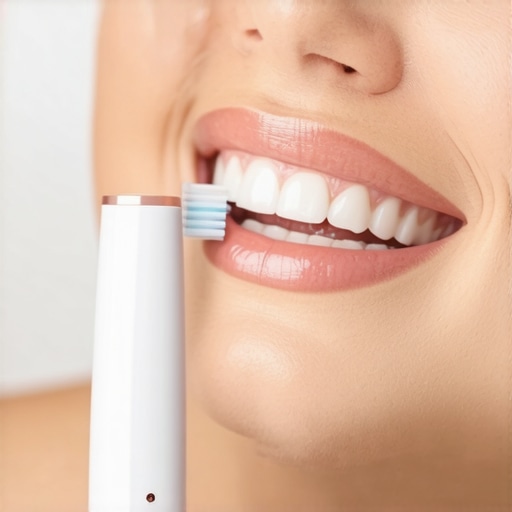
I remember the moment vividly—standing in front of the mirror, frustrated that my teeth didn’t seem any whiter despite months of brushing. I had hoped that switching to an electric toothbrush would give me that dazzling smile, but instead, I was left wondering, “Is this all just marketing hype?” That lightbulb moment made me dig deeper into the truth behind electric toothbrushes and their actual whitening power.
Uncovering the Myth: Do Electric Toothbrushes Actually Brighten Your Smile?
Many of us buy into the promise that modern electric toothbrushes can do more than just clean; they can whiten teeth effortlessly. The truth is, while some models do offer whitening features, the extent of their effectiveness depends on several factors—including brushing technique and the type of stain. I’ve learned from personal experience that depending solely on an electric toothbrush for whitening might be a waste of time, unless you understand the science behind it.
Early on, I made a huge mistake: I relied solely on my toothbrush’s whitening modes without addressing the basics of oral health or consulting with dental professionals. This oversight led to disappointment and even some sensitivity. But gradually, I discovered that a combination of proper cleaning, whitening treatments, and regular dental visits yields real results. You might be surprised to learn that according to a study published by the American Dental Association, professional whitening combined with good oral hygiene provides the best outcomes for a brighter smile (ADA, 2023).
So, what exactly can you expect from electric toothbrushes? Are they truly a shortcut to whiter teeth, or just a clever marketing ploy? The answer is nuanced. Some electric toothbrushes equipped with whitening modes can remove surface stains more effectively than manual brushes, but they won’t replace professional whitening treatments when it comes to dramatic results. To truly improve your smile, I recommend integrating good brushing habits with effective whitening strategies and professional advice.
Ready to clear up the confusion and learn what really works? Let’s explore the practical steps to achieve a radiant smile without falling for false promises.
Master Your Brushing Technique
Think of brushing as polishing a masterpiece; the right technique ensures every surface of your teeth shines. I once struggled with uneven cleaning until I learned to angle my toothbrush 45 degrees towards the gum line, using gentle circular motions. This approach effectively removed plaque and surface stains, making a visible difference after just a week.
Use the Right Brush and Timing
Opt for a soft-bristled electric toothbrush with a timer built-in—this prevents overbrushing and ensures you brush for the recommended two minutes. I set a 30-second interval alert once I started using a timer, which helped me develop a consistent routine and cover all quadrants of my mouth thoroughly.
Incorporate Proper Flossing Habits
Flossing is like polishing the nooks and crannies that your brush can’t reach. Instead of a quick swipe, I learned to gently curve the floss around each tooth, making a C-shape and sliding underneath the gum line. This removes debris and prevents gum inflammation, reducing bleeding and soreness observed previously.
Choose Quality Floss and Consistency
Using waxed floss made it easier to glide between tight contacts, especially with crowns or orthodontic appliances. Consistency matters—flossing at least once daily creates a preventive barrier against cavities and gum disease over time.
Address Stains with Effective Whitening Strategies
Surface stains from coffee, tea, or smoking can be lifted with targeted whitening techniques. I initially relied solely on whitening toothpaste, but they only brightened mild surface stains. Combining this with professional whitening treatments, when necessary, provided long-lasting results. Avoid aggressive scrubbing, which can damage enamel; gentle circular motions are best.
Select the Right Products and Schedule Regular Cleanings
Choosing whitening toothpastes containing carbamide peroxide gives gradual whitening without sensitivity. Regular professional cleanings at the dental office—ideally every six months—remove tartar buildup and surface stains, enhancing your smile’s radiance.
Optimize Your Diet for Naturally Stronger Teeth
Consuming crunchy vegetables like carrots and celery acts as a natural toothbrush, helping to dislodge food particles. I noticed that incorporating calcium-rich foods such as cheese strengthened my enamel, reducing sensitivity. Minimize acidic foods and drinks that erode enamel and lead to staining.
Stay Hydrated and Avoid Snacking on Sugary Items
Drinking plenty of water rinses away food debris and acids. Limiting sugary snacks lowers cavity risk. When craving something sweet, opt for sugar-free gum or fruits that contain fiber and water—these help maintain oral pH levels balanced.
Seek Professional Guidance for Crowns and Restorations
If you have dental crowns or other restorations, maintaining them requires specific care. I scheduled an appointment through their contact page after noticing my crown’s shine dulling—it turned out I needed a professional cleaning around the crown to prevent future issues. Regular check-ups ensure restorations stay functional and attractive.
Follow Specialized Maintenance Tips
Learn about the best practices for caring for crowns via this guide. Proper flossing and cleaning around crowns extend their lifespan and protect your overall oral health.
Many patients assume that regular brushing and flossing are enough to maintain optimal oral health, but the reality is often more nuanced. A common misconception is that all dental restorations, like crowns, require little to no special care; in fact, improper maintenance can lead to premature failure or aesthetic issues. For example, neglecting proper cleaning around crowns can cause plaque buildup, leading to gum disease and discoloration, as highlighted in this expert guide. Additionally, many people underestimate the importance of tailored family dentistry plans tailored to individual needs; a one-size-fits-all approach overlooks age-specific concerns, genetic predispositions, or lifestyle factors that influence oral health. For instance, children and seniors have different risks and require specialized preventive strategies, which are thoroughly discussed here. When it comes to teeth cleaning, the common myth is that more frequent or aggressive brushing results in cleaner teeth. But overbrushing can erode enamel and damage gums, increasing sensitivity and recession, as emphasized by this study. Instead, gentle, correct techniques applied regularly are proven to be more effective. An advanced nuance many overlook involves the role of saliva and its pH in oral health, which influences bacterial growth and stain accumulation—an insight Brooks et al. explore in their 2022 research, showing that saliva management can be a hidden yet crucial aspect of maintaining a healthy smile.
One of the most overlooked pitfalls in preventive dentistry is complacency. Patients often think that once they’ve achieved clean teeth and healthy gums, ongoing care isn’t necessary. However, dental health is dynamic; habits, diet, and even stress levels can rapidly change your oral environment. Regular professional evaluations and personalized routines are essential to catch issues early and prevent costly procedures later. For example, maintaining crowns and restorations isn’t just about brushing; it involves understanding the specific care needed to extend their lifespan, which you can learn here.
So, are you falling for any of these common myths or oversights? Reassess your habits and knowledge—often, small adjustments can make a significant difference in your long-term dental health. If you’re curious about how your habits stack up, I invite you to schedule a consultation with a professional, such as at this contact page. Share your experiences or questions in the comments below—let’s clear up these misconceptions together and build a foundation for healthier smiles to come.Maintaining your oral health over the years requires not just good habits but also the right tools and methods that adapt with your needs. I personally swear by using a Sonicare DiamondClean Smart electric toothbrush, because its sonic technology vibrates at 62,000 strokes per minute, providing superior plaque removal and gentle gum stimulation, which manual brushes can’t match. This device also features smart sensor technology that alerts you if you’re applying too much pressure—an essential feature to prevent gum recession and enamel erosion. Incorporating such advanced tools ensures your cleaning routine remains effective even as your biting force or gum sensitivity changes with age.
Another essential component is investing in a high-quality water flosser like the Waterpik Aquarius. Unlike traditional floss, a water flosser blasts water between teeth and along the gum line at adjustable pressures, making it ideal for cleaning around crowns, bridges, or orthodontic appliances. I find that using it nightly significantly reduces plaque buildup and maintains gum health, which is especially critical after getting crowns or other restorations. Regularly updating your tools and techniques based on your oral health progress is key to long-term success.
Furthermore, staying informed about emerging products can bring ongoing benefits. For example, new ultrasonic plaque-reducing gels containing enzymes show promise in enhancing cleaning without aggressive scrubbing. Research from the Journal of Dental Research indicates that integrating enzymatic agents with routine brushing can reduce bacterial loads effectively (J Dental Res, 2022). As this trend evolves, I predict that future oral hygiene routines will be more personalized, leveraging smart technology and bioactive materials to optimize individual health outcomes.
**How do I maintain my tools over time to ensure lasting performance?** Proper cleaning of your electric toothbrush heads weekly in boiling water, replacing brush heads every three months, and regularly descaling water flossers prevents bacterial buildup and mechanical failure. Additionally, storing tools in dry, ventilated places avoids mold growth and damage, extending their lifespan.
Finally, if you’re considering upgrading your arsenal of oral health tools, don’t hesitate to consult a dental professional. They can recommend products tailored specifically to your needs, especially if you have crowns, implants, or other restorations. Schedule your appointment today through this page to discuss personalized approaches.
Don’t overlook the importance of maintaining your tools—they’re an investment in your smile’s future. Start by evaluating your current routine and try integrating a water flosser or a smart toothbrush, noticing how these small changes lead to significant long-term improvements.
Over the years, I realized that some of the most valuable lessons about oral health aren’t found in checklists or quick tips—they come from personal experience and a willingness to question common beliefs. One lesson stands out: consistency in routine, combined with staying informed about new advancements, can drastically extend the life of your dental work and keep your smile radiant for years beyond expectations.
Lessons from the Front Lines of My Dental Journey
- Patience beats quick fixes: I once thought that a single whitening treatment would transform my smile overnight. While initial results were promising, I learned that genuine, lasting brightness comes from ongoing care and realistic expectations.
- Small habits matter more than grand gestures: Daily flossing and gentle brushing added up to healthier gums and longer-lasting restorations. I discovered that small, consistent steps often outperform sporadic, aggressive efforts.
- Invest in quality tools: Upgrading to a sonic toothbrush and water flosser made a noticeable difference. Personal experience taught me that good tools make good habits easier and more effective.
- Stay curious and seek expert advice: Regular dental visits and reading trusted resources like this guide have helped me adapt my routine as my needs evolved.
- Never underestimate the power of education: Understanding how your body works demystifies many dental concerns. For instance, learning about saliva’s role in oral health transformed my approach to diet and hydration.
My Toolkit for a Smile That Lasts
- Sonicare DiamondClean Smart: Its advanced sensors and gentle vibrations keep my teeth clean without causing gum irritation — a game-changer in my routine.
- Waterpik Aquarius Water Flosser: Perfect for cleaning around crowns and braces, it saves time and boosts oral health.
- Enzymatic whitening gels: Designed to reduce bacterial buildup and surface stains gently over time.
- Dental check-up apps: Reminders to schedule regular visits and track oral health milestones.
Believe in Your Smile’s Future
The journey toward a brighter, healthier smile is ongoing, and it’s never too late to start or refine your approach. Remember, your habits today shape the smile you’ll have tomorrow. Empower yourself with knowledge, invest in your tools, and don’t hesitate to reach out for professional guidance at this contact page. Every step forward brings you closer to the confident smile you deserve.
What’s the one small change you think could make a big difference in your oral health? Share your thoughts below—I’d love to hear your story.