I still remember the exact moment I realized I was causing more harm than good in my quest for a brighter smile. There I was, eagerly trying yet another over-the-counter whitening kit, only to be met with that sharp, almost unbearable sting that made me want to sprint to the bathroom to rinse forever. It was a lightbulb moment—my teeth and gums weren’t keen on aggressive chemicals or harsh abrasives. Instead, I was damaging my enamel and irritating my sensitive tissues, all in the name of a Hollywood-worthy smile.
Why Finding a Gentle Whitening Solution Became My Priority
Like many of you, I love looking in the mirror and seeing my smile shining bright. But I also want to preserve my oral health and avoid that miserable stinging sensation. The good news? There are effective ways to whiten teeth that don’t involve pain, discomfort, or risking long-term damage. Trust me, I’ve been there—spent time and money on products that promised quick results but left me sensitive and sore.
After much trial and error, I discovered a handful of tried-and-true methods that help whiten teeth safely and gently. Better yet, these tips are simple, cost-effective, and can be incorporated into your daily routine without causing pain or discomfort. If you’ve ever felt frustrated because whitening treatments seem to come with more pain than gain, you’re not alone. And I promise, there’s a way to achieve that smile you want without sacrificing comfort or health.
Is Whitening Without Sharp Sensation Really Doable?
Early in my journey, I made the classic mistake of assuming all whitening products are created equal. I used a popular gel recommended online, only to find my teeth feeling like I’d been dipped in hot sauce—pale, sensitive, and irritated. That mistake was a wake-up call. Over-the-counter options often contain strong chemicals that can backfire on sensitive mouths.
Instead, I learned to focus on natural and gentle methods, like proper oral hygiene and minor lifestyle tweaks. The key is understanding your teeth’s limits and choosing products and techniques tailored for sensitive teeth. For example, opting for whitening toothpastes free from harsh abrasives or avoiding acidic foods that weaken enamel makes a significant difference. For more comprehensive advice, I highly recommend checking out expert advice on crowns and teeth cleaning, which emphasizes gentle care routines for lasting results.
In the next sections, I’ll walk you through practical steps and safe practices that helped me brighten my smile comfortably—all backed by trusted dental insights. If you’re tired of painful whitening methods, stay tuned—you’re about to discover a smarter, gentler approach.
Implement a Consistent Oral Hygiene Routine
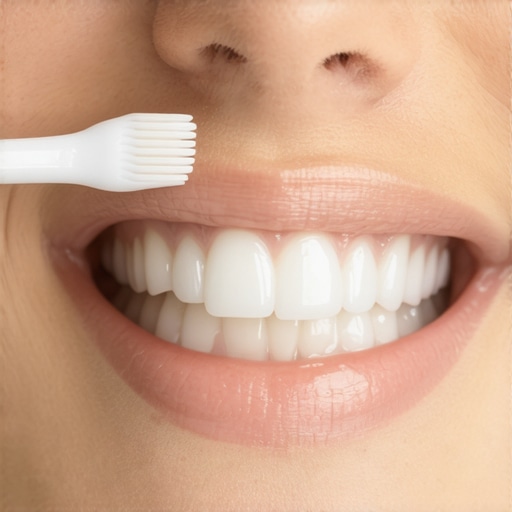
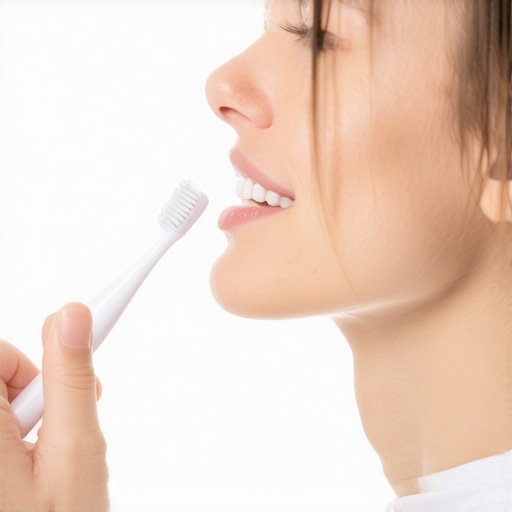
Start by brushing your teeth twice daily with a fluoride-free whitening toothpaste that’s gentle on sensitive teeth. Use a soft-bristled toothbrush, which acts like a delicate scrub brush—removing surface stains without damaging enamel. I remember the first time I switched to a soft brush; my gums felt relief immediately, and my teeth stayed white longer.
Incorporate Baking Soda Carefully
Baking soda is a mild abrasive that can help remove surface stains when used properly. Mix a small amount—about half a teaspoon—with water to create a paste. Gently brush your teeth with this mixture twice a week. I once tried this after reading about its benefits; applying with a damp toothbrush and gentle pressure prevented any enamel erosion, revealing brighter teeth after a few sessions.
Limit Acidic and Staining Foods
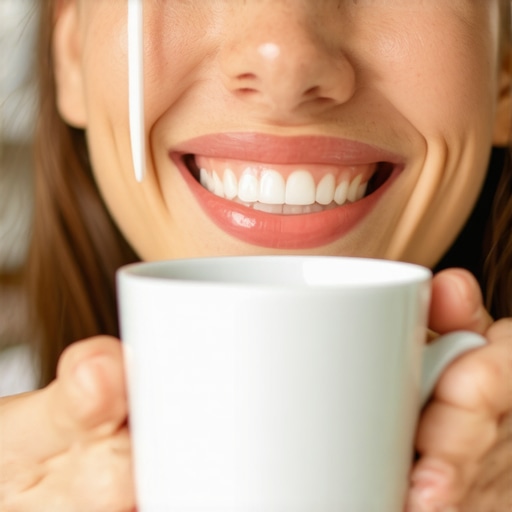
Foods like berries, coffee, and tomato sauce can stain teeth over time. Think of your enamel as a sponge; acids and pigmented foods can weaken and discolor it. Reduce consumption and rinse your mouth with water afterward to lessen staining. I started sipping my coffee through a straw and noticed my teeth remained brighter longer—simple tweaks with noticeable results.
Use Natural Oils for Rinsing
Oil pulling with coconut oil is an age-old technique that acts like a gentle magnet, pulling out toxins and reducing plaque. Swish a teaspoon of coconut oil in your mouth for 10-15 minutes once daily. I integrated this into my morning routine; it was messy at first, but I appreciated the natural, calming feeling it provided, and I saw diminished sensitivity.
Opt for Professional, Gentle Treatments
Sometimes, the best step is visiting a dental professional who understands your sensitivity. For instance, I scheduled a cleaning with a periodontist who uses laser techniques instead of scalpel methods. This approach is less invasive, minimizes discomfort, and I learned from this resource that expert care can preserve enamel integrity while improving appearance.
Prioritize Regular Cleanings and Exams
Schedule professional cleanings at least twice a year. A family dentist can remove hard-to-reach plaque and surface stains, restoring your teeth’s natural whiteness without harsh chemicals. During my last visit, my hygienist used a gentle ultrasonic scaler that effectively removed stains, leaving my smile noticeably brighter and healthier.
Remember, Patience Is Key
Whitening naturally takes time—don’t rush or try aggressive methods that hurt. Aim for consistency, and over weeks, you’ll notice a steady improvement. My own experience confirms that gentle, sustained efforts yield the best, long-lasting results without discomfort. To learn more about maintaining oral health, explore these tips for a healthy, beautiful smile every day.
Many people believe that simply brushing their teeth regularly is enough to maintain optimal oral health, but this is a misconception that can lead to overlooked issues. For instance, the notion that professional teeth cleaning is only necessary when you notice problems is false; routine cleanings are essential for preventing plaque buildup and detecting early signs of gum disease, as emphasized in studies published by the American Dental Association. Another widespread myth is that all dental crowns are the same and can last indefinitely without proper care, but modern research shows that crowns made from zirconia or porcelain require specific maintenance routines, which can be explored in depth here.
A hidden nuance many overlook involves the importance of diagnosing underlying issues that seem minor, such as slight gum redness or sensitivity. Do not dismiss these symptoms as trivial; they can signal early stages of periodontal disease or enamel erosion, conditions that, if left untreated, compromise overall health. Regular family dentistry visits are instrumental in discovering these subtle signs before they escalate. Interestingly, some believe that teeth whitening treatments are universally safe; however, without proper professional guidance, bleaching agents can cause irreversible damage, especially to sensitive teeth. To avoid these pitfalls, consult with experienced providers who tailor treatments to your unique dental profile, as detailed in expert advice.
One advanced aspect worth considering is the role of crowns in restorative dentistry. A common mistake is assuming that crowns are purely cosmetic, but their true benefit extends to protecting compromised teeth and preventing further deterioration. Modern crowns, particularly those crafted with zirconia, can be durable and biocompatible when maintained properly—details of which can be found in this resource.
Finally, a critical trap to avoid is neglecting the connection between oral health and overall well-being. Poor dental hygiene can contribute to systemic issues such as heart disease and diabetes, making comprehensive care more urgent than many realize. Incorporate daily practices that strengthen your smile, and don’t underestimate the importance of professional guidance. If you’ve ever fallen into these misconceptions or overlooked simple yet essential steps, let me know in the comments! Staying informed is the first step toward a healthier, brighter smile.
How do I keep my smile healthy over the years?
Maintaining optimal oral health requires more than just regular brushing and flossing; it involves utilizing the right tools that align with your unique needs. I personally swear by my sonic electric toothbrush, the Philips Sonicare DiamondClean. Its oscillating head and deep-clean vibration help remove plaque more effectively than manual brushes, especially around crowns and gumlines where buildup can hide. Additionally, I incorporate a water flosser like the Waterpik Ultra into my routine, which gently washes away debris and prevents periodontal issues without irritating sensitive areas.
When it comes to teeth whitening and maintenance of crowns, I rely on professional-grade whitening gels prescribed by my dentist, staying clear of over-the-counter products that can cause sensitivity. For instance, I use a custom-fitted whitening tray, which allows me to apply the gel precisely and avoid contact with gums, preserving crown integrity.
Smart software helps me stay on top of scheduled care
Digital reminders from my dental app ensure I never miss a cleaning or check-up. These apps sync with my calendar and can even track my oral hygiene habits, offering tailored advice based on my progress. This technology is a game-changer, especially as my schedule becomes busier, keeping my dental routine consistent and effective.
Looking to the future, I believe that AI-driven tools will continue to refine personalized oral care. Some emerging apps can analyze photos of your teeth or gums to detect early issues, flagging problems before they escalate. Embracing these advancements will be key to sustainable dental health management.
What are the essential tools for maintaining crowns and implants?
Maintaining crowns involves specific considerations. I recommend using soft, interdental brushes and gentle, non-abrasive toothpaste designed for crowns and veneers. For cleaning around crowns, specialized tips emphasize the importance of avoiding harsh scrubbing or abrasive materials that can erode the margins. Regular professional cleanings, preferably with laser techniques, ensure your crowns and surrounding tissues stay healthy without risking damage.
It’s vital to evaluate your tools periodically—dental professionals often recommend visiting every six months to ensure your tools and routines are still effective. Remember, even the best tools are only as good as your consistent use and proper technique. For comprehensive guidance, consider consulting trusted resources like expert advice on crowns and cleaning.
Throughout my journey to a brighter smile, I discovered that patience and gentle practices trump aggressive chemical treatments every time. One of the most eye-opening lessons was realizing that consistent, mild care over time yields sustainable results, without the pain or sensitivity I once accepted as inevitable. This insight has transformed how I approach oral health—focusing on nurturing rather than damaging.
Secrets Dentists Hope You’ll Discover About Staying Bright
Many people believe that quick fixes with harsh whitening products are the only way, but my experience shows that trusting expert-endorsed, gentle methods can be more effective in the long run. I learned that regular professional cleanings with a focus on enamel preservation are invaluable—something I highly recommend exploring here. Also, using natural oils like coconut for rinsing provides natural detoxification for my mouth, helping maintain whiteness and health without sensitivity, a habit I adopted after reading about the benefits in authoritative sources.
By prioritizing routine, gentle care over quick wins, I found my smile stays bright and healthy without sacrificing overall oral wellness. Remember, sustainable whitening isn’t about overpowering your oral tissues—it’s about respecting them and your body’s signals.
Learning the True Power of Consistency and Gentle Care
The hardest lesson I faced was realizing that aggressive treatments often cause more harm than good—especially for sensitive teeth. Switching to fluoride-free, non-abrasive toothpastes helped me avoid unnecessary enamel loss. I also found that limiting stain-causing foods and drinks, like berries and coffee, and rinsing afterward, keeps my teeth whiter naturally. These small, mindful changes reinforce how effective gentle habits are and how they foster long-lasting results.
For professional advice tailored to sensitive teeth, I suggest consulting experts who understand your unique needs. They can recommend treatments like laser whitening or customized trays that protect your enamel. Always remember, the goal is a healthy, radiant smile that stands the test of time.
Discovering the Value of Expert, Compassionate Care
Over time, I realized the significance of regular, gentle dental visits instead of waiting for problems to escalate. Skilled professionals can detect early signs of issues and provide minimally invasive treatments, as highlighted in articles like this resource. Moreover, they can help maintain your crowns and implants, ensuring longevity and optimal appearance.
My advice? Schedule routine cleanings and communicate openly with your dentist about sensitivity concerns. Supportive, understanding care makes all the difference in maintaining a healthy, bright smile over the years.
A Little Light on my Dental Philosophy
One personal insight I’ve gained is that gentle, consistent habits—like using a soft toothbrush, avoiding acidic foods, and oil pulling—are your best allies against stains and sensitivity. Deep down, I know that embracing subtle, caring practices is more effective than forcing temporary results. The slow and steady approach carves a path toward enduring oral health and a naturally radiant smile.
Choose to prioritize your well-being—the results will speak for themselves. Remember, your smile is an investment in yourself, and treating it with kindness pays the best dividends. Curious about enhancing your routine? Don’t hesitate to reach out for personalized guidance here.
 Even though dental science has advanced significantly, many patients still hold onto misconceptions that can hinder their oral health. A common myth is that regular brushing alone suffices for comprehensive care, but in reality, effective flossing and professional cleanings play crucial roles in preventing gum disease and cavities. Overlooking these steps can lead to buildup of plaque and tartar, which are invisible to the naked eye but responsible for serious issues. Additionally, some believe that all dental crowns are equally durable; however, materials like zirconia offer superior longevity and resistance to chipping, especially in posterior teeth, compared to traditional porcelain restorations. Many assume that cosmetic whitening treatments are unsafe for sensitive teeth, but when performed under professional supervision, they are safe and tailored to minimize discomfort. A nuanced understanding reveals that the timing and technique of teeth cleaning matter more than the frequency alone; improper brushing or overuse of abrasive toothpaste can damage enamel. Furthermore, there’s a tendency to think that crowns don’t require special care, yet neglecting proper maintenance can cause marginal decay or crown failure over time. One often overlooked aspect is the importance of early diagnosis in family dentistry—routine checkups can catch problems before they escalate, ensuring a healthier smile for everyone. Did you know that some advanced mistakes, like skipping regular professional cleanings or misjudging the condition of dental restorations, significantly impact long-term success? For example, neglecting professional prophylaxis can cause deep periodontal issues that home care just can’t address. Experts emphasize that integrating comprehensive routine care with personalized advice from your dentist is key; study from the Journal of Periodontology confirms that sustained professional cleanings and early intervention reduce the risk of periodontal disease considerably. So, next time you think a quick brush or generic advice suffices, consider the deeper nuances that truly protect your oral health. Want to learn more about maintaining your family’s dental wellness? Check out [the impact of regular teeth cleaning on overall oral wellness](https://periodontistcare.com/the-impact-of-regular-teeth-cleaning-on-overall-oral-wellness). Remember, understanding these subtleties can save you from costly and uncomfortable dental issues in the future. Have you ever fallen into this trap? Let me know in the comments.Maintaining your oral health over the years requires more than just daily brushing and flossing; it involves investing in the right tools, following effective practices, and planning for the future. One of my favorites is a high-quality electric toothbrush equipped with oscillating-rotating motion. I personally use the Oral-B Genius X because its advanced sensing technology helps me ensure I cover all areas thoroughly, especially those tricky spots around crowns and restorations. Regular use of such a device significantly improves plaque removal and reduces staining, promoting longer-lasting results.