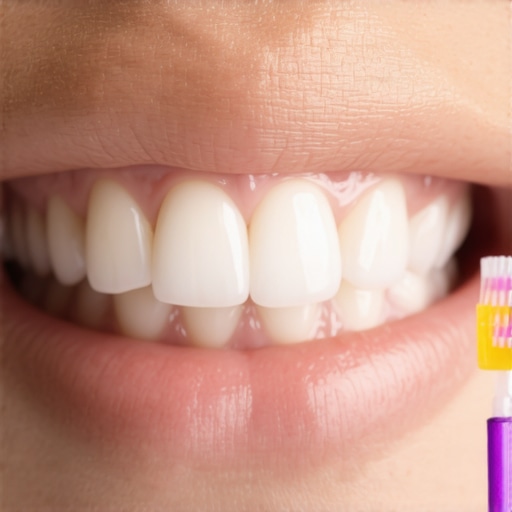
I remember the moment vividly—standing in front of the mirror, brushing diligently, and yet, my teeth looked dull and yellow. No matter how many times I brushed, the stubborn stain refused to fade. It was frustrating, confusing, and honestly a bit depressing. That lightbulb moment hit me: I was missing a sneaky habit that’s quietly sabotaging my smile.
The Real Reason Your Teeth Stay Discolored Despite Good Hygiene
Many folks, including myself initially, assume that brushing more or using whitening toothpaste will solve all teeth-staining problems. But what I discovered is that there’s a hidden factor often overlooked: dental restorations like crowns, which can appear yellow or dull over time—even if you’ve maintained impeccable oral hygiene.
Is Your Whitening Routine Really Enough to Make a Difference?
Here’s where the skepticism kicks in. I used to think, “I’ve tried everything—maybe my teeth are just destined to look that way.” But early on, I made the mistake of ignoring the role of dental work. I didn’t realize that crowns and fillings could stain or discolor independently from my natural teeth, making my dental efforts seem ineffective. Trust me, knowing this was a game-changer. If you’re battling persistent discoloration that brushing doesn’t improve, it might be time to look beyond your toothbrush. Curious about how crowns can help restore your smile? You can learn more about their transformative potential at [here](https://periodontistcare.com/how-crowns-can-transform-your-dental-confidence).
Maintaining your oral health goes beyond just good brushing habits. It involves understanding how dental restorations behave and how specific habits can impact their appearance over time. Stick around, because in the next sections, I’ll guide you through simple, effective steps to address this sneaky problem and keep your smile shining. If you’ve faced similar frustrations, you’re not alone—let’s get to the bottom of this together.
Inspect Your Restorations Regularly
Start by examining your dental crowns in the mirror once a month. Look for signs of staining, rough edges, or discoloration. Were you aware that crowns can stain independently of your natural teeth? Recognizing early changes helps you address issues promptly. When I noticed my crown looked dull compared to my natural teeth, I scheduled a visit. This quick check prevented further staining and preserved my smile’s brightness.
Maintain a Strict Oral Hygiene Routine
Brush twice daily with a soft-bristled toothbrush and fluoride toothpaste, focusing on gentle yet thorough cleaning, especially around crowns. Floss daily using special floss designed for crowns, like those with a stiff end for better access. I incorporated interdental brushes for hard-to-reach areas, which significantly reduced plaque buildup. Regular cleaning prevents plaque and staining compounds from settling on your restorations, keeping them looking fresh. For tailored advice, check out this guide.
Use Enzymatic or Whitening Products Carefully
Choose whitening toothpaste formulated for crowns or consult your dentist about safe whitening products. Remember, abrasive whitening pastes can damage crowns, so opt for ones with gentle abrasives or opt for professional whitening. A few weeks ago, I tried a whitening gel meant for crowns; it subtly enhanced my natural teeth without affecting my crown. Always verify with your dental provider before applying any whitening agents on restorations to avoid uneven discoloration.
Limit Stain-Causing Foods and Drinks
Reduce consumption of coffee, tea, red wine, and dark berries—these are notorious for staining crowns and teeth alike. Use a straw when drinking dark liquids to minimize contact. When I started sipping coffee through a straw, my crown stain stayed minimal, and my overall smile remained brighter longer. Keeping stain-prone foods in moderation extends the lifespan of your restorations’ brightness.
Schedule Your Professional Cleanings
Visit your dentist every six months for a professional cleaning. A dental hygienist can carefully remove tartar and stain buildup that home brushing can’t handle effectively. During my last cleaning, the hygienist used ultrasonic scalers and polishing pastes to restore my crown’s shine. Professional cleanings are essential for maintaining overall oral health and ensuring your crowns look their best over time. Additional insights can be found at this resource.
Avoid Habits That Accelerate Discoloration
Cease habits like nail-biting, teeth grinding, or using teeth as tools, which can chip or stain crowns. Refrain from smoking, as tobacco stains are particularly stubborn and damaging. I learned this the hard way when my smoking habit led to noticeable yellowing of my crown, prompting me to quit and adopt better habits. Protect your restorations by avoiding these damaging behaviors.
Adapt Your Oral Care as Needed
If you notice persistent discoloration or deterioration, consult your dentist about options like replacement or additional procedures. Modern crowns can be upgraded or replaced to restore their natural brightness. For instance, after years of staining, I opted for a new crown with a brighter shade, significantly boosting my confidence. Regular assessments ensure your smile remains both healthy and attractive.
Many individuals believe they understand oral health thoroughly, but even seasoned patients often miss the nuanced facts that can make a significant difference. Contrary to popular belief, maintaining a bright smile isn’t just about brushing twice daily or flossing regularly. One common myth is that dental restorations like crowns will never stain or discolor, but in reality, many crowns can change shade over time, especially if proper care isn’t taken. This misconception can lead to unexpected surprises and unnecessary replacements.
A crucial mistake that many make is assuming that all dental procedures are permanent solutions. While dental crowns are durable, they are not invincible; factors like chemical exposure, poor oral hygiene, and habits such as smoking can accelerate wear and discoloration. For instance, neglecting to schedule regular check-ups can allow minor issues to develop, eventually compromising the appearance and integrity of restorations. Want to learn how to extend the life of your crowns? Visit this guide for expert insights.
One often overlooked aspect is the impact of advanced oral health practices on restorative success. Techniques like laser cavity detection and digital X-rays allow dentists to identify problems early, reducing the risk of unnecessary procedures. Ignoring these advancements can be a costly mistake, leading patients to undergo invasive treatments that could have been avoided with early detection.
Additionally, many believe that family dentistry merely involves routine check-ups, but comprehensive family dental care includes personalized preventive strategies, nutritional counseling, and education about genetic predispositions. Neglecting these areas can result in overlooked risks, such as hidden cavities or periodontal issues that are asymptomatic in early stages. A proactive approach, including regular assessments at family dentistry, can help catch these issues early.
Beware of the trap where patients focus solely on aesthetics and forget the functional aspects of oral health. A beautiful smile is vital, but if the bite isn’t properly aligned or if there’s existing gum disease, long-term health can be compromised. That’s why integrating advanced diagnostics and personalized treatment plans is essential.
Now, for the more inquisitive minds, consider this: How do modern materials used in crowns influence their longevity and resistance to staining? Recent studies show that zirconia and porcelain-fused-to-metal crowns have different properties that affect their lifespan and aesthetic durability. Understanding these nuances can help patients make informed choices aligned with their lifestyle and aesthetic goals. Dive deeper into this topic at this article.
In conclusion, challenging common assumptions and recognizing subtle yet vital aspects of oral health can significantly impact your dental outcomes. Don’t let misconceptions or overlooked details undermine your smile’s health and beauty. Stay informed, be proactive, and consult with your dental professional regularly. Have you ever fallen into this trap? Let me know in the comments, and remember—your smile deserves expert care.Maintaining long-term oral health requires more than just regular brushing and flossing; it involves the right tools, techniques, and consistent routines. Personally, I rely on a combination of high-quality equipment and strategic methods to ensure my crowns, teeth, and gums stay healthy and vibrant over the years. One essential tool I recommend is a Sonic toothbrush, such as the Philips Sonicare series. Its ultrasonic vibrations effectively remove plaque in hard-to-reach areas, especially around crowns and bridges, reducing staining and extending their lifespan. Regular use of such advanced devices complements professional cleanings, helping to prevent discoloration and decay. Additionally, I utilize a water flosser, like the Waterpik Sonic-Fusion, which offers gentle yet thorough interdental cleaning—particularly beneficial for maintaining the integrity of dental restorations and reducing bacteria buildup. Combining these tools with enzymatic toothpaste enhances plaque removal without damaging sensitive restorations. Looking ahead, the trend is leaning toward smart dental devices that sync with smartphone apps, providing real-time feedback on brushing habits and areas missed, which could revolutionize at-home care.
How do I maintain these tools for optimal results over time?
To keep your sonic toothbrush and water flosser functioning effectively, regular cleaning and replacing heads are vital—typically every three months. Store devices in a dry, ventilated space to prevent mold and bacteria buildup. Periodically disinfect the brush heads with isopropyl alcohol or UV sanitizers designed for dental equipment. As for software, ensure that your app firmware is up-to-date to benefit from new features and improved feedback. Incorporate these maintenance habits into your routine, and you’ll enjoy consistent, superior cleanings that support the longevity of crowns, veneers, and natural teeth. For in-depth advice on maintaining your crowns and restorations, visit this detailed guide. Remember, investing in the right tools and their upkeep pays off by safeguarding your beautiful smile for years to come. Incorporate a water flosser into your daily routine today to elevate your oral hygiene game—your future self will thank you.
The Unexpected Lessons That Transformed My Approach to Dental Care
After years of trying countless whitening products and rigorous brushing, I realized that some of my biggest misconceptions about crowns and dental restorations were holding me back. One eye-opening lesson was understanding that crowns can stain and discolor just like natural teeth if not properly cared for, which changed my entire routine. I also learned that not all dental issues are visible on the surface; sometimes, underlying problems can silently deteriorate your smile’s brightness, emphasizing the importance of regular professional assessments. Finally, I discovered that combining advanced tools like sonic toothbrushes and water flossers can vastly improve maintenance and prolong the life of dental restorations—an insight that dramatically enhanced my confidence and oral health journey.
Tools and Tips I Swear By for Lasting Dental Confidence
My go-to arsenal includes a Philips Sonicare toothbrush for deep, gentle cleaning and a Waterpik device to reach those tricky areas around crowns and bridges. I also keep a supply of enzymatic toothpaste that’s gentle yet effective at preventing stains without damaging restorations. Additionally, I follow specific dietary guidelines to minimize stain-causing foods and stay consistent with professional cleanings, which I schedule at least twice a year. For deeper insights into optimizing crown longevity and overall dental wellness, I trust resources like this detailed guide. These tools and habits have been pivotal in maintaining a radiant smile that lasts.