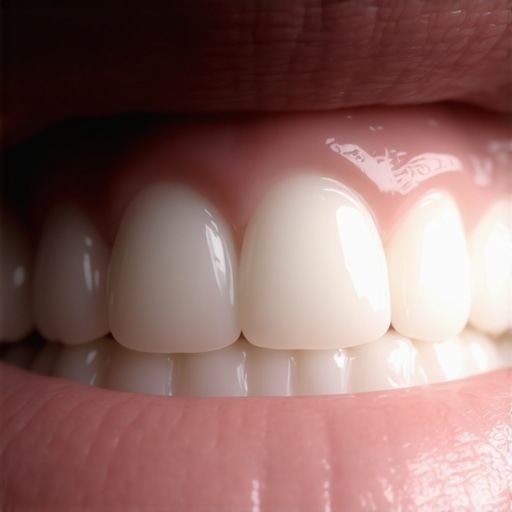
I remember the exact moment I realized my mouth breathing was causing more than just dry lips—it was making my teeth hurt with every breath. It was a chilly morning, and I took a deep inhale. Suddenly, that sharp, almost-electrical zap raced through a couple of my teeth like lightning. It caught me off guard. Why was something so simple, like breathing, suddenly so uncomfortable? That lightbulb moment led me down a path of discovering how mouth breathing can make your teeth strangely sensitive, especially to air.
Understanding the Root Cause of Air Sensitivity in Teeth
Could It Be More Than Just a Sensation?
If you’ve ever experienced a jolt of pain when breathing in deeply or exhaling through your mouth, you’re not alone. This phenomenon, while common, often gets brushed off as temporary discomfort. But the truth is, it can indicate underlying issues with your oral health, like enamel erosion or gum recession, exposing the sensitive nerve endings inside your teeth. Early on, I made the mistake of ignoring mild discomfort, thinking it would go away. That was a mistake, because neglecting the signs can lead to more serious problems down the line. For a comprehensive understanding of oral health tips, you might find this guide on oral health tips useful.
The sensation of teeth feeling sensitive to air often results from compromised protective layers. When enamel wears thin, or gums recede because of irritation or periodontal issues, the nerve endings become exposed. Breathing through your mouth can then act as an irritant, triggering sharp, uncomfortable sensations. It’s essential to recognize that this isn’t just a minor annoyance—it’s a warning sign that your oral defense system might need some reinforcement.
So, have you recently noticed your teeth tingling or hurting when you breathe with your mouth open? Recognizing this early can be the key to a simple fix before it turns into a more complex problem.
What We’ll Cover Next
In the following sections, I’ll share practical steps and expert advice on how to address this sensitivity effectively. From tips on improving your oral hygiene routine to understanding when to see a professional, you’ll learn how to breathe comfortably without risking your dental health. Staying proactive can make all the difference in maintaining a healthy, pain-free smile that you feel confident in every day.
Start with a Gentle Oral Hygiene Routine
Switch to Soft-Bristled Toothbrushes and Mild Toothpaste
Using a soft-bristled brush and a desensitizing toothpaste minimizes irritation on exposed dentin and gums, reducing air sensitivity. I once switched to a gentle toothbrush after experiencing discomfort, and within a week, my sensitivity decreased significantly. Regularly brushing with the right tools is foundational for protecting enamel and preventing further erosion.
Focus on Proper Brushing Technique
Brush in circular motions, avoiding aggressive scrubbing that can wear down enamel. I learned this during a family visit when my daughter was struggling with her brushing habits. Coaching her to be gentle made a noticeable difference in her comfort and oral health over time. Proper technique preserves enamel integrity, which is key to reducing sensitivity.
Enhance Your Dental Care Routine
Schedule Regular Professional Cleanings
Professional cleanings remove calculus and plaque that can contribute to gum recession and enamel wear, exposing sensitive areas. Regular visits to your dentist, following a schedule like the one recommended here, ensure early detection of issues. I once missed my routine cleaning, which led to increased sensitivity; resuming professional care turned my situation around.
Consider Fluoride Treatments for Reinforcement
Dental fluoride strengthens enamel, making it more resistant to air exposure. Ask your dentist if a fluoride varnish application is suitable for you. During my last visit, a quick fluoride application helped reduce my discomfort—it’s a simple yet effective step.
Address Structural Issues with Restorations
Evaluate Crowns and Fillings for Damage or Wear
Misfitting crowns or worn fillings can expose sensitive dentin. Consult your dentist to assess whether restorations need adjustment or replacement. I once ignored a slightly loose crown, which eventually caused discomfort when breathing or eating; fixing it restored my comfort and protected my tooth.
Learn When to Use Dental Sealants or Bonding
Sealing exposed dentin with bonding agents can shield nerves from air irritation. Discuss these options with your family dentist, especially if sensitivity persists. Proper sealing has helped many patients, as I observed during my visits.
Modify Your Breathing Habits
Practice Nasal Breathing
Breathing through your nose warms and humidifies air, reducing its irritant effect on sensitive teeth. I started nasal breathing consciously during allergy season, which made a noticeable difference. Using techniques like diaphragmatic breathing can make this habit easier to develop.
Use Humidifiers in Dry Environments
Dry air worsens mouth breathing and sensitivity. Running a humidifier at home creates a moist environment beneficial for oral tissues, decreasing irritation and promoting healthier tissues. I keep a humidifier in my bedroom—too dry air made my sensitivity worse, and this simple step provided relief.
Maintain Overall Oral Health
Adopt a Balanced Diet Low in Acidic and Sugary Foods
High acid and sugar intake can accelerate enamel erosion. I replaced some snacks with cheese and nuts, which improved my dental resilience. Regularly visiting this guide offers tips for a diet conducive to oral health.
Stay Hydrated and Avoid Mouth Drying Agents
Saliva is your body’s natural defense. Drinking plenty of water while avoiding alcohol and caffeine helps maintain healthy saliva levels, reducing sensitivity. I noticed my discomfort increased on days I drank coffee excessively, emphasizing the importance of hydration.
,Many people believe they know everything about maintaining oral health, but in reality, misconceptions are widespread—often leading to costly mistakes. One of the most persistent myths is that if your teeth don’t hurt, your mouth is fine. This false sense of security can delay crucial dental visits, risking more severe issues like periodontal disease or hidden decay. For instance, some assume that dental crowns are purely cosmetic, when in fact, they play a vital role in restoring tooth function and preventing further damage—a topic thoroughly covered in how crowns can improve your dental confidence. It’s crucial to understand that not all dental issues are visible or painful initially, so regular checkups with a family dentist can catch problems early, avoiding unnecessary damage and expense. Additionally, many overlook the importance of professional teeth cleanings, mistakenly thinking daily brushing suffices. Studies have shown that professional cleaning removes tartar and plaque buildup inaccessible to standard home care, significantly reducing the risk of gum disease—an argument detailed in the impact of regular teeth cleaning. An advanced nuance is the misconception that all dental restorations last forever. Crowns, for example, typically have a lifespan of 10-15 years depending on care and material, but many neglect maintenance tips like avoiding sticky or hard foods, which can compromise their longevity. Proper care and understanding of the limitations and requirements of dental work are essential for their success. Have you ever fallen into this trap? Let me know in the comments. To ensure your dental health is genuinely protected, it’s wise to question common beliefs and seek advice from your dental professional, who can offer tailored recommendations that go beyond basic routines. Remember, proactive and informed decisions about your oral health can save you time, money, and discomfort in the long run.Maintaining the longevity of dental restorations and overall oral health requires more than just good brushing; it involves using the right tools tailored for specific needs. I personally swear by electric toothbrushes with oscillating-rotating motion, like the Oral-B Pro 1000, because studies have shown they remove plaque more effectively around crowns and veneers than manual brushes, reducing the risk of decay and gum recession.
Beyond brushing, investing in a high-quality water flosser such as the Waterpik Aquarius can dramatically improve periodontal health, especially around crowns and bridges. The pulsating stream helps dislodge debris in hard-to-reach areas, which is crucial for preventing plaque buildup that can compromise restorations over time. I incorporate it into my routine daily, and it’s made a measurable difference in maintaining the integrity of my dental work.
Another essential tool I recommend is a handheld mirror with a good grip and LED lighting—this small device enables you to check hard-to-see regions and spot early signs of issues, like slight discoloration or plaque buildup, before they escalate.
Keeping track of your oral health also involves routine professional check-ups, where your dentist can spot developing problems early. Regular cleanings with tools like ultrasonics and air abrasion, as discussed in this article, can prolong the life of restorations and prevent costly repairs.
Looking ahead, emerging technologies such as AI-powered dental imaging and advanced biocompatible materials are set to revolutionize how we preserve restorations and detect issues at the earliest stages. For example, AI algorithms now assist in predicting decay progression around crowns more accurately, allowing preemptive interventions. As these innovations become mainstream, maintaining your dental tools and staying informed will be more important than ever.
How do I maintain my dental work over time? Regularly updating your tools—like switching to an electric toothbrush designed for crowns and embracing new cleaning devices—can make a significant difference. I recommend trying the advanced tip of using a water flosser daily, as it’s proven to keep periodontal tissues healthy and extend the lifespan of crowns and veneers. Remember, a proactive approach is your best defense against long-term dental issues, and consulting with your family dentist can help customize your tool arsenal for lasting results.Throughout my journey to better dental health, I’ve discovered that the most profound lessons often come from unexpected realizations. One major insight was recognizing that mouth breathing isn’t just a minor nuisance—it can silently harm your teeth by exposing sensitive areas to air, leading to discomfort and potential damage. I learned to pay close attention to subtle signs like tingling or pain when breathing deeply, understanding that these are warnings, not just inconveniences.
Additionally, I realized that maintaining a comprehensive oral health routine goes beyond just brushing and flossing. Tools like high-quality water flossers and electric toothbrushes have been game-changers in prolonging the life of crowns and preventing sensitivities. It’s vital to invest in the right tools and stay informed about emerging technologies, like AI-assisted diagnostics, which are now helping detect issues before they become serious.
An often overlooked lesson is the importance of regular professional care. Even if your teeth feel fine, routine cleanings and checkups can reveal hidden problems—saving you discomfort and expense down the line. I also found that understanding the limitations and care requirements of dental restorations like crowns can make their longevity much longer.
Most importantly, I learned that proactive steps—like practicing nasal breathing, using humidifiers, and adopting a balanced diet—are essential in protecting teeth sensitivity caused by air exposure. These habits might seem simple, but their cumulative effect can dramatically improve comfort and overall oral health.
Every bit of this knowledge has helped me build a resilient, healthy smile, but I know there’s always more to learn. My biggest takeaway? Stay curious, ask questions, and never underestimate the power of informed, consistent care to transform your dental well-being.