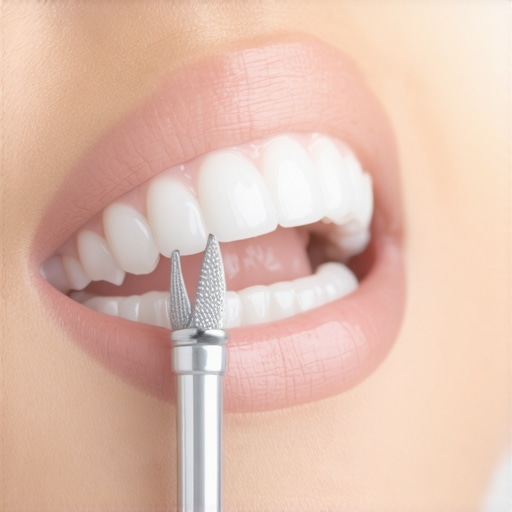
I remember the moment I first noticed my bite felt off after getting a new crown. It was subtle at first—just a tiny bit of discomfort when I chewed or a strange feeling when I closed my mouth. But as days went by, that tiny discomfort grew into real annoyance, and I started wondering: Did I make a mistake? Could my crown be too high? Honestly, it was a lightbulb moment that made me realize how crucial proper crown height is for overall comfort and dental health.
Why your crown’s height can make or break your bite
If you’ve ever had a dental crown placed or are considering it, you might not realize that the height of that crown plays a vital role in how your teeth come together. A crown that sits too high can lead to uneven pressure, discomfort, and even issues with jaw alignment over time. It’s not just about aesthetics; it directly impacts your chewing efficiency and the health of surrounding teeth. I discovered that even a millimeter can make a big difference—something I learned the hard way after an early misjudgment in my own dental journey.
Facing doubts: Is a high crown really worth stressing over?
One of my early mistakes was trusting that the dentist had everything perfect without double-checking. It made me realize that, as patients, we shouldn’t hesitate to ask questions or seek second opinions if something feels off. Remember, a misaligned crown isn’t just uncomfortable—it can cause ongoing problems like uneven wear, jaw pain, and even temporomandibular joint (TMJ) issues. Interestingly, studies show that improper crown fitting can contribute to long-term dental deterioration (source: Expert Tips on Crown Fit). Being proactive about your dental health is essential.
So, how do you determine if your crown is too high? Well, that’s what we’ll explore next. Whether you’re a recent patient or just want to learn more about maintaining your dental work, understanding the signs of an excessively high crown can save you from future discomfort and costly adjustments. Ready to dive in and find out how to evaluate your crown’s height effectively? Let’s get started with some practical tips—your comfort and smile will thank you.
,
Measure Your Bite with Precision
Start by examining how your teeth come together when you bite down naturally. Use a mirror and a gentle finger to feel if any tooth feels higher than its neighbors. This tactile check helps identify if the crown is causing uneven contact, similar to how a person might notice a shoe that feels unevenly worn.
Use a Sticky Note Test
Place a small, folded sticky note between your teeth on each side. If it slips in easily on one side but meets resistance on the other, your crown might be too high. During my own trial, I used this method after my dentist placed a crown. Initially, I felt discomfort when chewing on one side, but the sticky note test highlighted the high spot, prompting a follow-up appointment.
Conduct a Visual Inspection with Light
Lightly tap your finger along the edges of your crown while looking in the mirror. A crown that’s too high might cast a shadow or appear elevated compared to adjacent teeth. I once noticed a slight shadow on my crown, which led me to consult my dentist for adjustment before it caused more discomfort.
Check Occlusion with Articulating Paper
Ask your dentist to perform a bite scan using articulating paper—it’s an effective tool that marks where your teeth contact. This process is akin to a traffic map highlighting busy intersections. During my visit, the markings showed excessive contact on one side, confirming the crown’s height needed correction.
Apply a Gentle Floss Test
Slide floss snugly between your teeth and feel for resistance. Resistance or difficulty pulling the floss through indicates high points. I remember carefully flossing after my crown placement and feeling uneven resistance, which I flagged during my follow-up.
Monitor Jaw and Facial Symmetry
Observe your profile in a mirror or take photos to assess if your jaw feels misaligned or if one side looks swollen. These signs can suggest uneven crown height. Once, I noticed slight jaw pain after several days, which my dentist attributed to a crown sitting too high, leading to gentle recontouring.
Seek Professional Evaluation
While these self-assessment steps are helpful, consulting a qualified dentist remains essential. They can accurately measure and adjust your crown using specialized tools, ensuring optimal bite and comfort. Remember, a small misalignment can cause significant discomfort over time, similar to a crooked picture ruining an entire room’s harmony.
Maintaining awareness of your crown’s fit is vital for long-term dental health. Regular check-ups, combined with these simple tests, can help you catch issues early—saving discomfort and costly repairs down the line.
Many people assume that regular brushing and flossing are enough to maintain optimal oral health, but in my experience as a dental professional, there are subtleties many overlook. For instance, the belief that all teeth cleaning methods are equally effective is misleading; professional cleanings use specialized tools that significantly outperform home practices in removing tartar buildup, which is crucial for preventing periodontal disease (Learn more about professional cleanings). One common myth is that dental crowns are just cosmetic fixes, but they actually serve a vital role in restoring strength and function, especially when adhesively bonded properly—yet many underestimate the importance of precise fit to avoid long-term complications (Discover how crowns transform smiles). An advanced nuance often missed is how improper oral hygiene routines can accelerate crown deterioration; even routine activities like using the wrong type of toothbrush can damage delicate crown margins (Tips for caring for crowns).
Are there hidden factors that undermine your dental health efforts?
Absolutely. Recent studies indicate that mouthwash containing certain alcohols may actually dry out soft tissues, creating an environment conducive to bacterial growth and increasing the risk of periodontal issues (Gum health and mouthwash use). This isn’t widely known among patients who assume anti-bacterial mouthwashes are universally beneficial. Also, many people overlook the importance of individualized dental hygiene routines tailored to their unique oral conditions, rather than adopting a one-size-fits-all approach. For example, those with crowns or implants require specific cleaning techniques, emphasized in proper crown maintenance guides.
Furthermore, a mistake I frequently see is neglecting the role of diet in oral health—things like excessive sugar intake or acidic foods can degrade enamel and promote decay, even if one’s brushing habits are perfect. It’s a layered process; neglecting this aspect can undermine the best daily routines.
In sum, debunking these myths and understanding the nuanced factors that influence dental health can profoundly impact your oral wellness. Regularly updating your knowledge and routines based on the latest evidence ensures you get the best results. Have you ever fallen into this trap? Let me know in the comments.
Maintaining optimal oral health over the years requires more than just reacting to issues when they arise. It demands a strategic approach with reliable tools that can support your routine and catch problems early. As someone deeply invested in family dentistry and long-term results, I’ve curated a list of equipment and techniques that I personally trust and recommend for keeping your smile healthy and strong.
Invest in a Quality Electric Toothbrush
For daily brushing, I always recommend using an electric toothbrush with oscillating-rotating technology. The best models feature timers and pressure sensors, helping you brush effectively without damaging enamel or gums. I personally favor the Sonicare DiamondClean because its sonic vibrations provide superior plaque removal, especially in hard-to-reach areas around crowns and along gumlines. Regular use of a high-quality electric toothbrush significantly reduces tartar buildup and prolongs the lifespan of dental restorations.
Incorporate a Water Flosser into Your Routine
Flossing is essential, but traditional floss can sometimes be challenging or ineffective, especially around crowns and bridges. That’s why I advocate for a water flosser, such as the Waterpik Ultra, which I’ve found excels at cleaning beneath dental appliances and deep into periodontal pockets. Proper technique, like following the guidelines found here, ensures you remove plaque without damaging your gums. Regular water flosser sessions help prevent periodontal issues and keep crown margins intact.
Schedule Regular Professional Cleanings and Check-Ups
Despite diligent home care, nothing replaces professional cleanings, especially when crowns and other restorations are involved. I recommend scheduling visits at least every six months, or more frequently if your dentist advises. During these visits, specialized tools like ultrasonic scalers and periodontal probes catch early signs of decay or gum disease, ensuring you maintain a baseline of health that supports your long-term investment in dental work.
Use Digital Monitoring Tools for Consistency
Advancements in technology have introduced apps and digital tools that help track your oral hygiene habits. I personally use an app that reminds me to replace my toothbrush head every three months and logs my flossing frequency. Staying consistent is key; even the best tools won’t help if neglected. These digital resources motivate and help identify patterns that might need adjustment—empowering you to take proactive steps in your dental care.
What’s Next for Your Dental Routine?
In the future, I predict more integration of AI-driven diagnostics with at-home devices, providing real-time feedback and personalized care plans. As research like the 2023 study by the National Institute of Dental and Craniofacial Research indicates, early detection of issues can drastically improve outcomes. Try incorporating a high-end electric toothbrush combined with a water flosser, and consider using digital trackers to elevate your routine from basic to expert level. Empower yourself with these tools, and your smile will thank you for years to come.
Over the course of my dental journey, I’ve learned that true oral health extends beyond routine brushing. A subtle discomfort can be a sign of deeper issues like misaligned crowns, which can quietly undermine your confidence and long-term wellbeing. Discovering these hidden factors has transformed how I approach dental care, reminding me that awareness and proactive steps make all the difference.
Lessons That Changed My Perspective on Family Dentistry
- The Power of Vigilance: Regular self-assessment revealed minor issues before they became painful or costly, reinforcing the importance of listening to your body’s signals.
- The Myth of Perfect Fits: No crown is flawless without professional touch. Trusting your dentist’s expertise, combined with your own observations, ensures optimal comfort and longevity.
- Holistic Care Matters: Nutrition, habits, and routine check-ups collectively influence dental health. Neglecting any aspect can compromise even the best dental restorations.
Tools and Resources That Elevated My Dental Routine
- Electric toothbrushes with pressure sensors: They help prevent damage and ensure thorough cleaning around crowns and bridges, an essential for long-term durability.
- Water flossers: Deep cleaning beneath crowns without risking gum injury, making daily flossing easier and more effective.
- Professional check-up routines: Regular visits catch early signs of wear or misalignment, safeguarding your investment in a beautiful smile.
Your Smile Is Your Superpower—Use It
Taking charge of your dental health might seem daunting at first, but every small effort counts. Whether you’re aware of your crown’s fit or just starting to notice subtle changes, remember that your proactive attitude can prevent discomfort and preserve your confidence for years to come. Embrace the knowledge, leverage the right tools, and smile with pride—your future self will thank you.