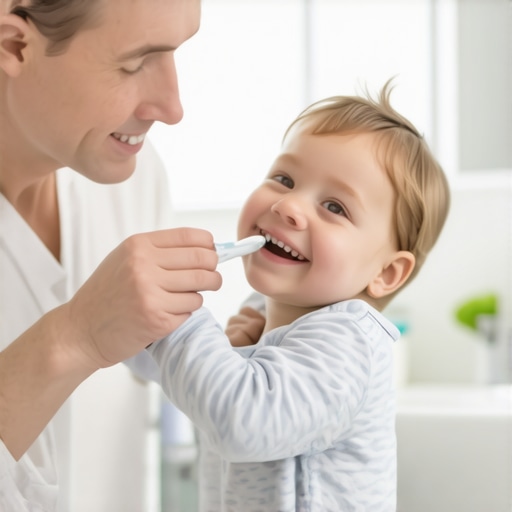
Ever found yourself battling your child’s refusal to brush those stubborn back molars? I remember one evening, after convincing my kid for what felt like the hundredth time to brush a certain tricky spot, it suddenly hit me: there has to be a better way. That moment of frustration became the lightbulb that led me to discover a simple, effective trick that transformed our bedtime routine. Now, I want to share that with you because, honestly, I’ve been there—struggling to get little ones to do what seems impossible.
The Real Struggle: Why Kids Won’t Brush Their Back Teeth
Many parents, including myself, have faced the challenge: how do you motivate your child to brush their back molars when they feel awkward, uncomfortable, or just plain refuse? It’s more common than you think. These molars are positioned deep in the mouth, making them hard to reach and even harder to persuade kids to focus on. As a parent, I used to worry about cavities hiding in those hard-to-reach spots or whether my child’s irregular brushing was setting them up for future dental problems.
Early on, I made the mistake of insisting they brush, thinking volume and frequency would do the trick. Spoiler alert: it didn’t. Instead, their frustration grew, and my confidence in our routine waned. I was overlooking an essential aspect—turning the process into an engaging, manageable task that kids actually want to do. That’s when I stumbled upon a game-changing method inspired by my own experiences as a parent and dentist’s advice.
Is the 2-Minute Trick Really Worth the Hype?
At first, I was skeptical, just like many parents. Could a simple trick really make my kid eager to brush their back teeth? It sounds too easy, right? Well, I learned that it’s not just hype. The trick involves turning brushing into a quick, enjoyable challenge that appeals to their sense of accomplishment and independence. And honestly, it works wonders. If you’re tired of the nightly tug-of-war, I invite you to stick around. I’ll guide you through a straightforward method that has made brushing enjoyable for my kids—and could do the same for yours.
Now, before we dive into the how-tos, I want to share a quick tip from a trusted expert. Did you know that neglecting proper back molar cleaning can lead to early cavities? In fact, studies show that cavities in back teeth are among the most common dental issues in children, yet they often go unnoticed until it’s painful or requires extensive treatment. You can learn more about the importance of thorough cleaning here. With that in mind, let’s explore a simple way to tackle this everyday obstacle and make bedtime brushing something your kids look forward to—well, almost.
Make Brushing a Game, Not a Fight
Start by turning the daunting task into a fun challenge. For example, set a timer for two minutes and challenge your child to beat their previous record. Once, I used a colorful sand timer during our evening routine, which made the process playful. My son was thrilled to see the sand tumble, and suddenly, brushing became an exciting race instead of a chore.
Choose the Right Tools to Engage
Use a kid-friendly toothbrush with fun colors or characters. Electric toothbrushes with timers can also motivate children to brush longer. I introduced my daughter to a rotation brush that plays her favorite song for two minutes. The novelty encouraged her to focus on each quadrant, especially those tricky back molars.
Break Down the Routine into Manageable Steps
Guide your child to divide their mouth into sections. First, brush the front teeth, then focus on the sides, and finally, dedicate a full minute to the back molars. I demonstrated this by physically pointing and counting, which helped my son understand and succeed in cleaning harder-to-reach areas.
Use Visual Aids to Highlight Areas
Draw or print a simple mouth diagram and mark areas to brush. This visual cue helps children remember to clean the back teeth thoroughly. During our routine, I hold the diagram and point out each section, creating a visual map that turns brushing into an educational game.
Involve Your Child in Selecting Toothpaste
Let them choose a flavored toothpaste they like. The taste and flavor make the experience more appealing. I handed my daughter a selection of fruity-flavored toothpastes, and she eagerly looked forward to brushing, especially remembering that it’s her choice.
Set a Consistent Routine with Rewards
Consistency builds habit. Establish a specific time each evening, and consider a reward system, like stickers or extra storytime. After consistently applying the 2-minute challenge for a week, I noticed my son brushing more thoroughly without reminders, especially when I praised his efforts.
Advance Your Technique with Proper Brushing Tips
Ensure your child holds the toothbrush at a 45-degree angle to the gums and uses gentle, circular motions. Avoid harsh scrubbing, which can damage gums. I showed this technique with a mini-model, emphasizing the gentle circle, making the process clear and child-friendly.
Addressing Resistance and Mess
Initially, some kids resist longer brushing or make messes. Stay calm and patient. Use a damp cloth or bib to catch drips, and reassure them that everyone makes a little mess when learning. Over time, your child will understand and take pride in their skill.
Reinforce the Habit Daily
Consistency is king. Incorporate this challenge into your nightly routine, making it predictable and stress-free. When I kept the routine fun and supportive, my son began to look forward to his two-minute conquest, ensuring those hard-to-reach back molars received proper attention without the nightly battle.
Many assume that regular brushing and flossing suffice for lifelong dental health, but in my experience as a dentist, the real story is much more nuanced. A common myth is that deep cleanings are merely cosmetic or unnecessary; however, neglecting professional cleanings can lead to gum disease—something many overlook until it causes significant damage. For example, patients often think that aggressive flossing is the best way to remove plaque, but research shows that flossing too hard can actually harm gum tissue and accelerate recession. Want to see how your technique stacks up? Review this guide for proper flossing methods.
Maintaining optimal oral health isn’t a one-time effort; it requires the right tools, proper routines, and a proactive mindset. As a family dentist, I emphasize the importance of investing in quality equipment and adopting proven methods to ensure long-term success. One essential tool I personally recommend is an electric toothbrush with a built-in timer. Not only does it guarantee a thorough two-minute clean, but models with quadrant-specific alerts remind users to focus on each section of their mouth, including those hard-to-reach back molars. I prefer the Sonicare ProtectiveClean because its gentle sonic vibrations effectively dislodge plaque without being harsh on gums.
Beyond brushing, consistent professional cleanings are paramount. I advise scheduling a deep cleaning, or periodontal maintenance, at least twice a year. During these visits, my team employs high-pitched water tools—an advanced technology that combines gentle vibrations with water sprays—to effectively remove plaque and tartar in areas that home tools often miss. This article explains why hygienists favor high-pitched water tools. Regular deep cleanings prevent gum disease and help maintain the health of the supporting structures around teeth, including crowns and bridges.
Monitoring your oral health between visits can be simplified with mobile apps like Dental Monitoring or Toothpic. These platforms allow you to send periodic photos of your teeth for professional review, enabling early detection of issues like staining, decay, or crown problems. Integrating such digital tools makes it easier to stay on top of maintenance and catch potential problems before they escalate.
How do I maintain dental health tools for long-term use?
Proper maintenance of your dental tools extends their lifespan and ensures they remain effective. For instance, replace electric toothbrush heads every three months or sooner if bristles fray. Regularly clean manual brushes by rinsing thoroughly and letting them air dry. For orthodontic retainers and mouthguards, soaking in a denture-cleaning solution weekly helps prevent bacterial buildup.
Investing in quality supplies pays off in the long run. Cheap or subpar tools can deteriorate quickly, causing ineffective cleaning or even damage to your gums and enamel. Besides, adopting a consistent routine—brushing twice daily, flossing correctly, and using mouthwash—reinforces good habits. For example, I recommend an interdental brush like the TePe one for cleaning around crowns and bridges, especially in tight spaces. Proper technique combined with the right tools makes all the difference in maintaining your smile’s health over the years.
Looking ahead, emerging technologies like AI-powered toothbrushes and at-home DA (digital assistant) coaching are predicted to revolutionize daily oral care routines. These innovations can provide real-time feedback, much like having an in-office hygiene appointment every day. Staying updated and embracing these advancements will help families sustain healthy oral habits effortlessly.
Remember, consistency and quality are key. So, try implementing one of these advanced tools or routines this week—your future self will thank you for the long-lasting results and bright smile.
As I reflect on my journey through family dentistry, I realize that some of the most valuable insights didn’t come from textbooks but from personal patience, trial, and a few unexpected revelations. These lessons have profoundly shaped how I approach oral health, and I believe sharing them can help you navigate your own experiences more confidently.
What No One Tells You About Building Lasting Dental Habits
- I used to think that strict enforcement was the key, but I learned that patience and making brushing fun are more effective. Turning routine into a game, especially with tools like visual aids or timers, created an environment where kids looked forward to caring for their teeth.
- The real breakthrough was understanding that empowering children to choose their toothpaste or toothbrush fosters independence and pride, making them more eager to maintain good habits over time.
Tools That Changed How I Approach Dental Care
- Investing in quality equipment, such as electric toothbrushes with quadrant timers, dramatically improved cleaning efficiency. I trust models like Sonicare ProtectiveClean because they combine gentle, thorough cleaning with engaging features that motivate children.
- High-pitched water tools for deep cleanings offer comfort and superior plaque removal, which I highly recommend. You can learn more about their advantages on this page.
Lightbulb Moments That Changed My Perspective
- One major realization was that neglecting regular professional cleanings and relying solely on home care leaves gaps in oral health, especially in hard-to-reach areas. Integrating routine visits with digital monitoring tools makes a huge difference in early detection.
- Understanding that effective flossing isn’t about force but technique led me to educate patients on proper methods, reducing gum recession and promoting healthier smiles. For in-depth tips, see this guide.
Believe in the Power of Education and Prevention
My biggest takeaway is that fostering a proactive mindset—supported by the right tools and routine—prevents most issues before they start. Embracing emerging tech, like AI-powered toothbrushes or digital monitoring, will only enhance our ability to maintain excellent oral health effortlessly. Remember, every small step taken today creates a foundation for brighter, healthier smiles tomorrow.