Category: Pediatric Dental Care

  • Why your toddler has white spots on their front teeth

    Why your toddler has white spots on their front teeth

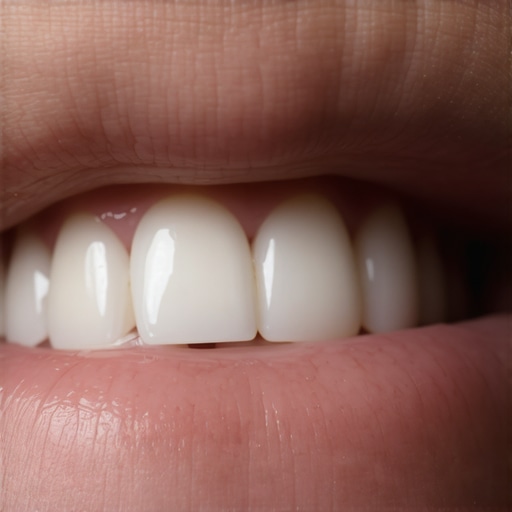
    It was a typical Saturday morning when I noticed something that instantly made my stomach drop—a small, chalky white patch on my toddler’s front tooth. At first, I brushed it off as nothing, but soon I found myself obsessively inspecting every smile, wondering if I’d missed something. That moment was a lightbulb for me, revealing how little I truly understood about early dental signs in children. If you’re like me, your initial reaction might be worry or confusion—what does this mean? Is it cavities? A sign of poor hygiene? Or something more serious?

    Today, I want to share how I uncovered the real reason behind those white spots and, more importantly, how I took action to protect my child’s oral health. We’ll explore the causes, how to spot them early, and effective ways to address them—all based on firsthand experience.

    Discovering the Hidden Signs of White Spots on Your Child’s Teeth

    Understanding why these white spots appear is the first step towards ensuring your child’s smile stays healthy and bright. Initially, I thought they were just harmless marks or leftover residue from eating, but I soon learned that they could be an early indicator of demineralization, which, if left untreated, might develop into cavities. Interestingly, according to research from the American Academy of Pediatric Dentistry, early white spots can actually be reversible with proper care, which was a relief to me—and hopefully to you too. For more on practical oral health strategies, check out [effective home practices for teeth cleaning](https://periodontistcare.com/teeth-cleaning-secrets-effective-home-practices-for-family-dental-health).

    If you’re facing this problem or want to prevent it from happening, I encourage you to stay with me. I’ll walk you through what I did, what mistakes I made early on, and how you can turn things around before it’s too late.

    Is It Just Cosmetic? The Fear That Holds Many Parents Back

    One mistake I made initially was assuming that white spots were purely cosmetic and not urgent. I thought they would fade or fix themselves over time, which is a common misconception. But ignoring these signs can lead to more serious issues like cavities or enamel erosion. Recognizing this early can save you from costly treatments down the line. If you’re skeptical about whether to act quickly or wait, rest assured that early intervention can make a significant difference. For insights on how regular teeth cleaning can help, read [the impact of regular teeth cleaning](https://periodontistcare.com/the-impact-of-regular-teeth-cleaning-on-overall-oral-wellness).

    My own oversight was not consulting a dental professional sooner, which delayed necessary treatment. This experience taught me that trusting your instinct and seeking professional advice promptly is crucial. If you want expert guidance on crowns and teeth cleaning, you can explore [expert advice on crowns](https://periodontistcare.com/expert-advice-on-crowns-and-teeth-cleaning-for-lasting-results). Now that I’ve shared my journey, I hope you won’t hesitate to take swift action if you notice similar signs in your child’s smile. Up next, I’ll cover practical steps you can take to address and prevent these white spots—so keep reading!

    Start with a Thorough Home Cleaning Routine

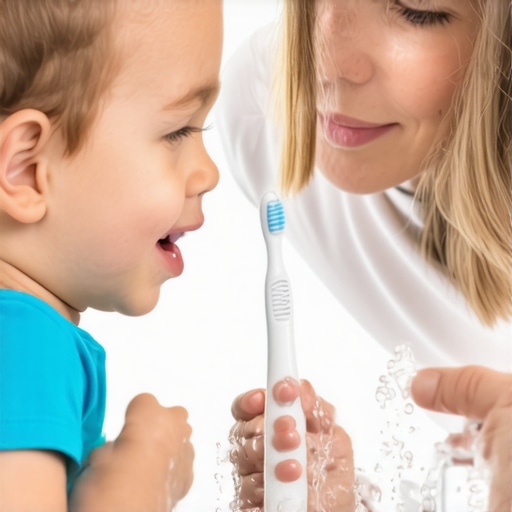
    Identify the white spots early by observing your child’s teeth regularly. Use a soft-bristled toothbrush and fluoride toothpaste, gently brushing twice daily. I remember one morning when I noticed my toddler’s teeth after breakfast; I immediately used a child-friendly toothbrush and emphasized gentle strokes. This simple step can remove plaque and residue, preventing early demineralization. For expert tips, you might want to explore home practices for family dental health.

    Incorporate Enamel-Strengthening Foods and Supplements

    Feeding your child foods rich in calcium and phosphates boosts enamel mineralization. Incorporate dairy products, leafy greens, and nuts into their diet. During a recent lunch, I added a handful of almonds and cheese, knowing these help remineralize enamel. This step supports natural repair of early white spots. Think of it like fueling a fortress—strengthening walls from within. Consistency is key, and for additional dietary guidance, see oral health tips for families.

    Supplement with Fluoride Treatments if Recommended

    Fluoride helps speed remineralization and suppresses bacterial growth. Use fluoride rinses or gels designated for children, but always consult your dentist first. I learned this the hard way when I applied too much fluoride without professional advice, causing temporary sensitivity. A quick visit to the dental professional ensures proper application. Think of fluoride as a repair crew patching up weakened areas—a crucial step in reversing white spots.

    Schedule Professional Dental Evaluation for Precise Action

    Once home interventions are underway, schedule a dental appointment. A dentist can perform diagnostics like visual exam or even use lasers to assess enamel health. I remember struggling to decide whether to wait or seek help; finally, I booked a visit after a week of persistent spots. The professional cleaned and applied fluoride varnish, which visibly improved my child’s smile. Don’t delay—early intervention can prevent further decay. Find a trusted family dentist through family dentistry resources to ensure comprehensive care.

    Maintain Consistent Dental Visits and Education

    Keeping regular check-ups, ideally every six months, helps monitor enamel health and catch issues early. Teach your child proper brushing and flossing techniques, making it fun with colorful brushes or stories. I turned family dental visits into a game, encouraging my child to narrate their brushing routine. This consistency builds habits vital for preventing white spots and cavities. Remember, dental health is a marathon, not a sprint—consistent care yields the best results.

    While many believe they understand the essentials of dental care, there’s a surprising number of misconceptions that can compromise your oral health. One prevalent myth is that all crowns are alike, leading individuals to choose cheaper options without understanding the nuances. In reality, different crown materials offer varying benefits and longevity, and selecting the right one depends on your specific needs. Moreover, many assume that regular teeth cleaning is merely cosmetic; however, research from the American Academy of Periodontology emphasizes its crucial role in preventing disease and maintaining overall wellness. Skipping routine visits might save time or money initially, but it can result in more costly treatments later.

    Which oral health practices truly make a difference in long-term success?

    A common oversight is neglecting the importance of proper home care combined with professional interventions. For example, neglecting to ask your dentist about the ideal type of toothbrush or floss for your unique situation can undermine your efforts. Additionally, many underestimate the impact of familial habits—like sharing utensils or not supervising children’s brushing—which can escalate issues quickly. For comprehensive strategies, see effective home practices for family dental health.

    Let’s examine some specific misconceptions that often trip people up:

    **Myth 1: Crowns are only for aesthetic purposes**
    Contrary to popular belief, crowns serve as essential restorations that protect weakened teeth, restore function, and prolong oral health. Choosing a crown solely based on appearance without understanding its protective benefits can lead to premature failure, especially if you opt for a material that doesn’t suit your biting force or lifestyle. For more insights on how crowns function within comprehensive dental treatments, visit understanding the role of crowns in modern smile makeovers.

    **Myth 2: Flossing is optional if you brush well**
    Many overlook the critical role flossing plays in removing plaque from areas your toothbrush can’t reach. Skipping floss can allow tartar buildup, leading to gum disease and cavities. Recent studies highlight that individuals diligent with brushing but neglectful of flossing still face significant risks. Incorporate daily flossing to maximize oral health benefits; for guidance on effective techniques, check impact of regular teeth cleaning.

    **Advanced Question: How do subtle oral habits influence the lifespan of dental restorations?**
    Many people wonder whether behaviors like teeth grinding or using abrasive toothpaste affect crowns and fillings. The truth is, even minor habits can cause micro-damage over time, decreasing the longevity of restorations. For example, bruxism subjects crowns to excessive stress, increasing fracture risk. Using inappropriate cleaning products can erode surfaces prematurely. To protect your investments, learn about care techniques from caring for crowns. Remember, preventive habits are your best defense against costly replacements.

    So, have you ever fallen into this trap of misconceptions? Let me know in the comments. Stay vigilant about what you think you know, and keep your smile healthy for years to come.Maintaining your oral health over the years requires more than just good habits; it demands reliable tools and strategies that support long-term success. As a dental professional and passionate advocate for family oral health, I’ve curated a set of equipment and techniques that I personally use and trust to keep dental work, such as crowns and fillings, in optimal condition. Incorporating these into your routine can dramatically improve the longevity of your dental restorations and overall oral wellness.

    High-Quality Sonic Toothbrushes for Precise Cleaning

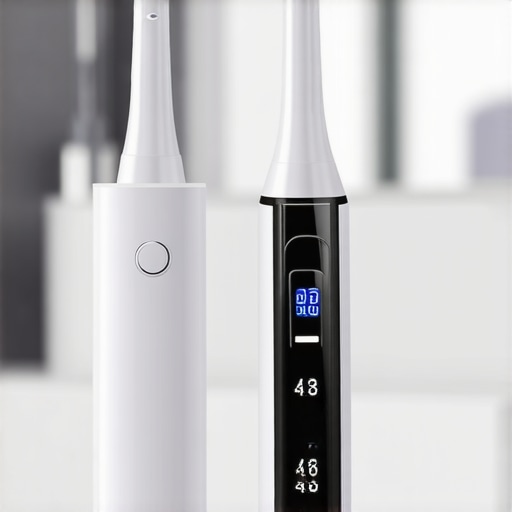
    In my practice and daily routine, I swear by electric sonic toothbrushes like the Philips Sonicare DiamondClean. The powerful sonic vibrations provide a gentle but thorough clean, reaching deep between teeth—a feat manual brushes often can’t achieve effectively. Personal use has shown me that regular use reduces plaque buildup significantly and helps maintain the integrity of crowns and veneers. These brushes also often come with customizable pressure sensors, preventing excessive force that could damage restorations over time. Given the trend toward smarter oral health devices, I predict a future where toothbrushes will incorporate AI to adapt brushing patterns to individual needs, further extending the lifespan of dental work.

    Smart Flossing Technology for Better Access

    Traditional flossing is important, but I recommend incorporating tools like the Waterpik Water Flosser or flossers with built-in pulsation features. These devices help dislodge plaque in hard-to-reach areas around crowns and bridges, which are prone to bacterial accumulation if neglected. Personally, I find water flossers invaluable after meals, especially for clients with limited dexterity or those who have restorations sensitive to abrasive flossing methods. Regular use not only maintains gum health but also prevents microleakage around restorations, which can be a silent threat to their longevity. To keep your dental restorations pristine, I suggest trying a water flosser at least once a day—your restorations will thank you.

    A person's hand using a water flosser to clean between dental crowns and bridges

    Imagine a close-up of a modern water flosser demonstrating its pulsating jet—an essential, high-tech tool for long-term oral health.

    An Effective Rinsing System with Fluoride Boosters

    My personal routine includes using fluoride mouth rinses like PerioGard or CariFree, especially when strengthening enamel around crowns or after complex procedures. These products deliver a concentrated dose of fluoride directly to vulnerable areas, promoting remineralization and protecting against secondary decay. Always follow your dentist’s recommendations when selecting and using these rinses; overuse can be counterproductive, but when used correctly, they serve as a vital line of defense. As the field evolves, I anticipate more personalized rinsing solutions leveraging biomimetic technology to restore and preserve dental tissues more effectively.

    Digital Monitoring Tools to Sustain Oral Health

    Beyond physical tools, I highly recommend integrating digital apps like Dental Monitoring or Philips Sonicare’s app to track your brushing and flossing habits. These apps provide feedback, reminders, and progress reports, making it easier to stay consistent and assess your improvement over time. For families, especially those with children, gamifying oral care can instill lasting habits. Early adoption of these technologies helps catch potential issues before they escalate, and I believe future developments will include even more sophisticated AI diagnostics—potentially enabling remote assessments by your dentist.

    How do I maintain my dental tools over time?

    Proper maintenance is critical. Regularly replace brush heads every three months, clean water flosser nozzles weekly, and store devices in dry, clean environments. For electronic tools, follow manufacturer cleaning instructions—most suggest rinsing with warm water and avoiding harsh chemicals. Keeping tools in top shape ensures consistent performance and prolongs their lifespan, ultimately protecting your crowned teeth or fillings from preventable damage. For comprehensive care, consult tips on maintaining crowns. Start implementing one advanced maintenance tip today—try upgrading to a sonic toothbrush and schedule regular replacement of your brush head, and you’ll notice significant improvements in your oral health outcomes.

    The Hardest Lesson I Learned About crowns,teeth cleaning,family dentistry,oral health

    One of my most significant revelations was realizing how overlooked some simple precautions can be to long-term dental health. I once thought that once a crown was placed, my job was done. However, understanding that regular maintenance, like careful cleaning and honoring the durability of crowns, can extend their lifespan was a game-changer. It taught me that proactive care beats reactive repairs every time.

    3 Myths About crowns,teeth cleaning,family dentistry,oral health That Held Me Back

    I used to believe that crowns are purely cosmetic and that brushing isn’t as crucial once they are in place. Additionally, I thought teeth cleaning was only necessary if my teeth looked dirty. Dispelling these myths helped me see that Crowns require the same diligent care, and routine cleanings are vital for everyone, regardless of age. Read more about myths and facts on [effective home practices for family dental health](https://periodontistcare.com/teeth-cleaning-secrets-effective-home-practices-for-family-dental-health).

    What Experts Won’t Tell You About crowns,teeth cleaning,family dentistry,oral health

    One insider secret is that personalized dental routines, including specialized tools like sonic toothbrushes, can drastically improve the longevity of crowns and implants. Many underestimate how technologies like water flossers and AI-driven apps can help maintain oral health better than traditional methods. Drop by [impact of regular teeth cleaning](https://periodontistcare.com/the-impact-of-regular-teeth-cleaning-on-overall-oral-wellness) for more tips on staying ahead in your dental care routine.

    Curated Resources for Elevating Your Dental Game

    I trust the comprehensive guides and product recommendations at [family dentistry resources](https://periodontistcare.com/family-dentistry-focus-building-a-lifetime-of-healthy-smiles). Their insights on choosing the right tools, from advanced toothbrushes to effective rinses, have transformed my approach. Additionally, the expert advice on crowns and longevity from [caring for crowns](https://periodontistcare.com/caring-for-crowns-essential-tips-for-longevity-and-shine) has been invaluable for my family’s dental health journey.

    Your Next Step Starts Today

    Don’t wait until discomfort or visible issues appear—take charge of your oral health now. Embrace innovative tools like sonic toothbrushes and digital monitoring, and schedule regular professional evaluations. Remember, every healthy smile is built on consistent, informed action. Your dental future is in your hands—make it a bright one.

  • Why sticky vitamins are worse for kids than chocolate

    Why sticky vitamins are worse for kids than chocolate

    I remember the moment it hit me—watching my little one struggle to scrub that stubborn, caramelized sticky vitamin off her tiny teeth. The tears, the frustration, the mounting worry. We had all been there, right? Giving those colorful, chewy supplements thinking they were a healthy treat. But little did I realize, those sticky bites could be silently undoing the very oral health we were trying to protect.

    The Hidden Dangers Lurking in Juicy Gummies and Chewy Pills

    Sticky vitamins seem harmless—maybe even fun for kids. They’re easy to swallow, come in flavors they’ll love, and keep me from nagging about pills. But beneath all that convenience lies an insidious threat to dental health. The sugar content combined with the sticky, clingy texture creates an ideal environment for bacteria that cause cavities. Once these vitamins stick around on teeth, especially in the grooves and hard-to-reach spots, they turn into a breeding ground for plaque buildup.

    What surprised me is that, according to dental experts, this residue can stay on your child’s teeth for hours after ingestion if not cleaned properly. Over time, this persistent sugar exposure contributes to tooth decay—a problem that can be more destructive than we expect. Moreover, I learned that the sticky nature doesn’t just pose a risk for cavities but can also lead to erosion of enamel, weakening the teeth further.

    Are you concerned that your child’s favorite gummy might be a hidden cavity culprit? You’re not alone. Many parents underestimate the damage sticky vitamins could be doing because they look like harmless snacks. If you’re curious about how to prevent this invisible threat, keep reading. I’ll share some practical tips, backed by research, on safeguarding your child’s oral health without sacrificing their favorite vitamins.

    Is It Worth the Hype of Chewy Vitamins?

    Early in my journey, I made the mistake of assuming that brushing twice a day was enough. Turns out, I overlooked how sticky residues cling to tiny crevices and where toothbrush bristles might not reach effectively. Experts recommend incorporating flossing and regular professional cleanings to eliminate stubborn residues. To find out more about maintaining a bright, healthy smile, check out [This guide on teeth cleaning secrets](https://periodontistcare.com/teeth-cleaning-secrets-effective-home-practices-for-family-dental-health). Proper cleaning is key to prevent cavities caused by these well-meaning but problematic supplements.

    Thinking about how these sticky vitamins could be affecting your child’s teeth? Trust me, I’ve been there. Let’s explore some simple changes that make a big difference—like choosing alternatives and establishing an effective oral hygiene routine. Together, we can make sure their sweet moments don’t turn into future dental nightmares.

    Choose Better Alternatives for Vitamins

    Recall a time when I switched my daughter’s gummy vitamins to powder form and immediately noticed less residue on her teeth. To do this, select vitamins that come in chewable tablets or liquids with less sugar and stickiness. Look for options labeled “sugar-free” or “low-sugar” to minimize cavity risk. Consulting with a pediatric dentist can help you find safe and effective alternatives, ensuring your child’s nutritional intake without compromising their smile.

    Make Oral Hygiene a Daily Routine

    Establish a consistent schedule that incorporates brushing and flossing right after vitamin intake. I remember setting a reminder on my phone to brush my toddler’s teeth after lunch; initially messy, but gradually, she adopted it as part of her day. Use a toothbrush with soft bristles designed for children, and consider a fluoride toothpaste suitable for their age. For even better results, include flossing at least once a day to remove lingering residues from hard-to-reach spots, preventing plaque buildup and enamel erosion.

    Optimize Brushing Technique

    Effective brushing involves gentle circular motions covering all surfaces of the teeth. I learned this by demonstrating how to brush in tiny circles, making it easier for my son to grasp. Let your child take their time and use a timer to ensure they brush for two minutes. Regular professional cleanings also help remove stubborn plaque and residue that brushing alone might miss, reinforcing oral health defenses.

    Introduce Flossing into Their Routine

    Flossing is critical for cleaning between teeth where sticky vitamins hide. I found success by using flavored floss picks that my children enjoyed, turning flossing into a fun activity. For difficult spots, consider water flossers that deliver gentle streams of water to dislodge debris. Making flossing a daily habit significantly reduces the risk of cavities caused by sticky residues, especially in the grooves and crevices of molars.

    Regular Professional Check-Ups

    Visiting a dentist every six months ensures that any plaque or residue buildup is addressed early. During my child’s dental visits, the professional’s thorough cleaning and examination helped identify areas needing extra attention. Dentists can also provide personalized advice for your child’s specific needs, such as sealants or topical fluoride treatments, to enhance their defenses against cavities. Don’t wait for problems to appear—proactive care is key.

    Implement Protective Measures During Vitamin Consumption

    Timing matters. Administer vitamins during meals rather than alone to dilute the sugar and reduce stickiness. After your child swallows the vitamins, give them a glass of water to rinse away residues. Consider giving vitamins in chewable or liquid forms designed to minimize adhesion or asking your pediatrician about alternatives that are less likely to linger on teeth. This simple step can significantly decrease the duration of sugar exposure on their enamel.

    Many people think they fully understand dental crowns, family dentistry, or the importance of teeth cleaning, but the truth is often more complex than surface-level advice. A common misconception is that crowns are a one-size-fits-all solution for damaged teeth, but in reality, the material choice and placement technique significantly influence their longevity and functional performance. Expert studies highlight that zirconia crowns, for example, offer superior durability for molars because of their high fracture resistance, challenging the outdated belief that all crowns wear out equally over time.

    Are You Overlooking the Invisible Factors That Accelerate Crown Failure?

    An often overlooked nuance is patient-specific saliva composition. Saliva plays a crucial role in protecting crowns from secondary decay and maintaining oral health, yet many ignore its impact, assuming routine brushing suffices. According to research published in the Journal of Dental Research, saliva with low buffering capacity increases the risk of decay around crowns, particularly in patients with xerostomia or dry mouth conditions. This subtle factor can lead to premature crown failure if not properly managed. Therefore, customizing oral hygiene strategies—including saliva stimulation techniques or specialized rinses—can dramatically extend crown lifespan. 
    Similarly, many assume that family dentistry is only about routine check-ups, but in truth, effective family dentistry involves nuanced approaches tailored to each member’s unique oral health risks. For instance, children with high cavity susceptibility benefit from sealants and fluoride varnishes, while adults exposed to systemic health issues like diabetes require interdisciplinary management for optimal outcomes. Properly integrating preventive measures with personalized care elevates the role of family dentistry beyond the familiar “cleaning and fillings” stereotype.

    What Advanced Mistakes Do Even Experienced Patients Make During Teeth Cleaning?

    It’s surprising how many adults underestimate the importance of proper brushing technique and interdental cleaning. Many depend solely on manual toothbrushes without considering the advantages of electric brushes or water flossers, which can remove plaque more effectively, especially in tricky spots. Additionally, neglecting regular professional cleanings under the false assumption that daily brushing suffices can lead to hidden tartar buildup and gum issues. Recognizing these nuances is vital—professional cleanings are not just about aesthetics but are essential in preventing periodontal disease, which recent studies link to systemic conditions like cardiovascular disease. To get comprehensive guidance that addresses these complexities, consult trusted sources such as [this expert advice on crowns and teeth cleaning](https://periodontistcare.com/expert-advice-on-crowns-and-teeth-cleaning-for-lasting-results).» Remember, dental health is a multi-layered puzzle, and understanding these hidden intricacies can save you from costly surprises down the line. Have you ever fallen into this trap? Let me know in the comments.Maintaining excellent oral health and the longevity of dental crowns requires not only a consistent routine but also the right tools. Personally, I rely on the Philips Sonicare ProtectiveClean 6100 toothbrush because its sonic technology effectively disrupts plaque, especially around crowns and bridges where manual brushes often fall short. Its adaptive intensity settings allow me to customize my cleaning, ensuring thorough but gentle care. Complementing this, I swear by Waterpik Water Flosser Ultra, which provides gentle yet powerful water pulsations to clean between teeth and around crowns, reducing plaque accumulation and improving gum health. I use the PikPocket tips for targeted cleaning in hard-to-reach areas, which I find instrumental in prolonging the life of restorations. For added protection, I incorporate fluoride rinse sessions using ACT Anticavity Fluoride Mouthwash, which helps reinforce enamel and combat decay that can compromise both natural teeth and crowns. Regular professional cleanings are essential, but having reliable home tools makes a significant difference in long-term maintenance. Looking ahead, the trend in oral health tools is moving toward smart technology—think Bluetooth-enabled toothbrushes that track your brushing habits and send real-time data to your smartphone. This integration can help identify areas missed and motivate consistency. To stay on top of your game, consider exploring such innovative devices, and don’t hesitate to consult with your dentist about the best options tailored to your needs. How do I maintain crowns and overall oral health over time? I make it a point to schedule biannual professional cleanings and diligently use my water flosser after meals, especially when enjoying sticky or sugary foods. This small, consistent effort prevents plaque buildup and secondary decay around restorations, ensuring my smile stays healthy and bright. For comprehensive guidance, check out [maintaining your dental crowns: dos and don’ts](https://periodontistcare.com/maintaining-your-dental-crowns-dos-and-donts-for-best-results). Remember, investing in the right tools and routine habits today can save you from costly repairs and discomfort tomorrow. Want to upgrade your oral hygiene arsenal? Try integrating a high-quality water flosser into your daily routine and notice the difference in how clean and fresh your mouth feels—your crowns will thank you! A sonic toothbrush and water flosser ready for use, showcasing essential equipment for maintaining oral hygiene.

    Lessons That Changed My Perspective on Crowns and Family Dentistry

    One of the most profound lessons I learned is that not all crowns are created equal—selecting the right material, like zirconia, can dramatically extend their lifespan and improve comfort. Overlooking saliva’s role in crown longevity was another eye-opener; managing dry mouth conditions has become a priority for better outcomes. I also realized that personalized hygiene routines mentored by professionals are essential instead of one-size-fits-all advice, especially for those with unique oral health challenges. Lastly, regular, tailored checkups can catch issues early, saving both time and resources in the long run.

  • The truth about fluoride varnish for toddlers

    The truth about fluoride varnish for toddlers

    I remember the exact moment I looked into my toddler’s wide, curious eyes and wondered if the fluoride varnish application at the dentist was truly safe. My mind raced through all the advice I’d heard—some claiming it’s vital for preventing cavities, others warning about potential risks. That uncertainty can feel overwhelming, especially when you’re trying your best to protect your child’s health.

    As a parent, I know how confusing and conflicting guidance can be. One day, fluoride varnish is hailed as a superhero in cavity prevention; the next, it’s surrounded by questions about safety and overuse. I’ve been there—questioning whether I should trust the dental advice I receive or dig deeper into the facts.

    Today, I want to share what I’ve learned about fluoride varnish for toddlers—what really matters, what might be just parental worry, and how to make informed decisions that truly protect your little one.

    Why Fluoride Varnish Is a Hot Topic for Parents

    Many parents find themselves at a crossroads when it comes to fluoride treatments. The goal is simple: prevent cavities and keep those tiny teeth healthy. But is. fluoride varnish, a common preventive treatment, also worth the concern? Recent studies suggest that its benefits in reducing cavities are significant, especially when applied early (source: CDC). Yet, myths about overexposure and toxicity persist, leading many to hesitate.

    When I first encountered the recommendation for fluoride varnish, I made a mistake I now regret: I assumed it was inherently risky without understanding the proper dosage and application. That misconception made me hesitant to follow through, and I worried I was risking my child’s safety. But as I dug into credible sources, I realized that, like any medical intervention, fluoride varnish has been extensively studied and regulated for safety.

    The key is knowing how often to use it and ensuring it’s administered by trained professionals who can tailor the treatment to your child’s specific needs. This way, you can enjoy the benefits of cavity prevention without unnecessary worry.

    If you’ve ever hesitated before giving your child a recommended fluoride treatment, you’re not alone. Let’s explore the real facts and how to approach this important part of your child’s dental health with confidence.

    Prepare Your Child Before the Visit

    Start by explaining the procedure in simple terms to reduce anxiety. For example, tell your child it’s like a special paint that helps their teeth stay strong. This approach eases fears and encourages cooperation. Remember, a calm child makes the process smoother and less stressful for everyone.

    Choose the Right Dental Professional

    Ensure the dentist or hygienist is experienced in pediatric care. A professional who knows how to handle little ones can make the application gentler and more efficient. If you’re unsure, consider seeking recommendations or reviewing their credentials to find someone trusted in family dentistry.

    Schedule the Appointment Strategically

    Pick a time when your child is usually well-rested and not overly hungry or tired. A rested child is more likely to sit still and tolerate the procedure. This proactive planning can transform a potentially stressful visit into a quick and positive experience.

    Implement Comfort Measures

    Bring along their favorite blanket or toy to provide comfort during the appointment. Use positive reinforcement by praising their bravery afterward. Consistent, supportive techniques help your child associate dental visits with positive feelings and cooperation.

    Follow Proper Oral Hygiene Habits

    Maintain a routine of brushing twice daily with a fluoride-free toothpaste suitable for toddlers. After fluoride application, wait at least 30 minutes before brushing to allow the varnish to set properly. Regular brushing removes plaque and enhances the benefits of the treatment, strengthening their teeth over time.

    Limit Sugary Snacks and Drinks

    Cut back on sugary foods that can promote cavities, especially during treatment cycles. Opt for healthy options like fruits, vegetables, and cheese. This dietary vigilance complements fluoride’s protective effects and promotes overall oral health.

    Ensure Follow-Up Visits

    Follow your dentist’s recommendations on the frequency of treatments. Regular check-ups, coupled with professional cleanings, keep your child’s teeth healthy and allow timely interventions if issues arise. Consistency is key to long-term dental success.

    Monitor Oral Health at Home

    Watch for signs of discomfort, unusual spots, or changes in your child’s bite or chewing habits. Early detection of issues can prevent more significant problems later. Use advice from trusted sources like regular teeth cleaning to build a comprehensive care routine.

    Pediatric dentist applying fluoride varnish to a young child's teeth during a dental visit.Many people believe that if they brush and floss regularly, their teeth are invincible, but in reality, oral health is far more nuanced than simple habits. A common misconception is that professional teeth cleaning is only necessary when problems arise; however, expert insights reveal that regular cleanings are crucial for preventing systemic diseases linked to oral health (source: see more). Another myth is that crowns are a temporary fix, but with proper care, they can last decades if maintained properly, which makes understanding their care vital (learn tips here). Many don’t realize that improper cleaning around crowns can lead to decay at the margins, causing failure. This is where many make advanced mistakes—focusing solely on brushing the visible parts and neglecting the hidden edges—highlighting the importance of comprehensive cleaning techniques and regular checkups (more details).Maintaining your dental investments like crowns and ensuring effective teeth cleaning require the right tools and habits. I personally swear by using a high-quality electric toothbrush, such as the Philips Sonicare DiamondClean, which offers superior plaque removal thanks to its sonic technology—far outperforming manual brushes. Its timer and multiple brushing modes help me stay consistent and thorough, especially in hard-to-reach areas around crowns and along the gumline. For flossing, I recommend the Waterpik Water Flosser, particularly for crown areas and orthodontic appliances. Its pulsating water effectively dislodges plaque and debris without damaging restorations, unlike traditional floss which can sometimes be tricky around crowns. Regular professional cleanings are vital; I schedule mine every six months, utilizing the expertise of my dentist who applies the latest in ultrasonic scaler technology, making the process quick and thorough. For at-home maintenance, incorporating interdental brushes—like the Tepe Interdental Brush—can reach tight spaces between crowns and natural teeth, preventing decay and gum issues at the margins. Looking ahead, advancements like AI-powered toothbrushes that analyze brushing patterns are becoming more accessible and will potentially enhance long-term dental health by ensuring no spots are missed. How do I maintain my crowns and overall oral health over time? Besides diligent daily care, I prioritize routine professional evaluations, where my dentist checks for early signs of wear or decay around crowns, and uses magnification tools to detect issues invisible to the naked eye. Remember, a well-maintained crown with proper cleaning not only prolongs its life but also supports your overall health—these tools make all the difference. If you’re serious about extending the lifespan of your dental restorations, try integrating an electric toothbrush with a fluoridated gel and a water flosser into your daily routine. For detailed guidance tailored to crowns, explore helpful tips on maintaining your dental crowns. Consistent use of specialized devices and professional care ensures your smile stays healthy and vibrant for years to come. Also, staying informed about evolving technologies like AI-driven brushing apps can give you a competitive edge in personal oral care—embrace these innovations to keep your dental routine effective and efficient.

    Lessons That Changed My Perspective on Family Dental Routines

    One of the biggest surprises I encountered was realizing how crucial the timing of fluoride varnish application truly is—it’s not just about doing it regularly, but also about understanding when it makes the most impact. I used to think that a one-size-fits-all approach worked, but personal experience taught me to trust my child’s specific needs and consult with professionals who personalize treatments. Another lightbulb moment was learning that overreliance on common myths could delay essential care, so I now prioritize credible sources and expert advice over hearsay. Lastly, I discovered that integrating simple, effective tools—like a high-quality electric toothbrush or water flosser—can massively boost oral health and extend the lifespan of crowns and restorations, saving me time and stress in the long run.

  • The best way to prepare your child for their first X-ray

    The best way to prepare your child for their first X-ray

    I vividly remember the moment my child’s first dental X-ray was scheduled. My little one, nervous and unsure, clung to my hand as we entered the clinic. The bright lights, the unfamiliar noise, and the sterile environment made the room feel intimidating. Suddenly, I realized I hadn’t truly prepared her for what was about to happen. That realization was a lightbulb moment for me—proper preparation can turn a stressful experience into a smooth, even positive, encounter.

    Why Getting Ready Matters More Than You Think

    As a parent, I’ve learned that few things cause more anxiety than visiting the dentist, especially when it’s time for that first X-ray. Yet, with the right approach, we can help our children feel more at ease and cooperate during the procedure. Effective preparation isn’t just about calming nerves; it ensures the X-ray is successful and minimizes the need for repeat exposures, which is essential for their safety. Did you know that improper positioning or movement during an X-ray can compromise the image quality, potentially leading to missed diagnoses or the need for retakes? According to research published by the American Dental Association, optimizing patient comfort and cooperation improves diagnostic outcomes and reduces radiation exposure (source: [ADA](https://www.ada.org)).

    But here’s the catch—early mistakes can make everything worse. I remember trying to explain the process without fully understanding what my child might find frightening, which only heightened her anxiety. Learning what to do—and what not to do—can be the difference between a quick, painless appointment and a prolonged ordeal.

    Skeptical? Think It’s Not That Important?

    Many parents underestimate how simple tips can make a significant difference. I used to believe that just telling my child what to expect was enough. However, neglecting practical preparations, like choosing the right words, among other things, led to unnecessary struggles. Trust me, a little extra effort in preparing your child can save a lot of time and stress.

    Are you faced with a child who refuses to sit still or fears the unknown? I’ve been there. Keep reading, because I’ll share the proven strategies I wish I knew from the start. Ready to turn those anxious moments into calm, cooperative sessions? Let’s dive into the practical steps to prepare your young one for their first X-ray experience.

    Establish a Consistent Brushing Routine

    Start by choosing a toothbrush with the right bristle firmness—medium or soft—to avoid damaging your gums. Use gentle circular motions to clean all surfaces of your teeth, paying special attention to your back molars. I remember once trying to rush through brushing with a hard-bristled brush, which caused gum irritation. Switching to a softer brush and dedicating two minutes made a significant difference in gum health and overall cleanliness.

    integrate Flossing into Daily Habits

    Flossing removes plaque and food debris between teeth where a toothbrush can’t reach. Use about 18 inches of floss, winding it around your middle fingers, and gently slide it between teeth in a zig-zag motion. I once skipped flossing on busy mornings, only to find trapped food causing bad breath hours later. Incorporating flossing after brushing ensures comprehensive cleaning, preventing cavities and gum disease.

    Effectively Use Mouthwash for Extra Protection

    Choose an antiseptic mouthwash to reduce bacteria and freshen your breath. Swish it for at least 30 seconds, making sure it reaches all areas. I experimented with mouthwashes containing alcohol, but they caused dry mouth. Transitioning to alcohol-free options maintained freshness without discomfort. Mouthwash serves as an adjunct, not a substitute, for brushing and flossing—think of it as an added layer of defense in your daily routine.

    Adopt Proper Eating and Drinking Habits

    Limit sugary snacks and drinks, which fuel plaque bacteria. Instead, opt for crunchy fruits and vegetables that naturally clean teeth. Drinking water afterward helps wash away food particles and neutralizes acids. I started carrying a water bottle during outings, which minimized snacking on sugary treats. Remember, a diet low in sugar supports the longevity of your dental crowns and overall oral health, as explained in caring for crowns.

    Schedule Regular Professional Cleanings

    Visiting your dentist twice a year ensures early detection of issues like tartar buildup or gum disease. Professional cleanings remove stubborn plaque and stains, maintaining crown integrity and gum health. I once postponed my appointment, leading to minor gum inflammation that could have been avoided. Regular visits act as a preventive shield, complementing your at-home routines, and align with the insights shared in regular cleanings.

    Use Specialized Tools for Crown Maintenance

    In addition to brushing and flossing, incorporate tools like interdental brushes or water flossers, especially if you have crowns. These devices help clean around the crown margins effectively, preventing decay at the edges. I found that after getting a dental crown, using a water flosser significantly reduced food entrapment and discomfort, making my daily routine more effective and less time-consuming.

    Monitor and Address Changes Promptly

    Pay attention to any signs of issues, such as sensitivity, discoloration, or soreness around crowns. Early intervention can prevent costly repairs. After noticing a slight discoloration, I visited my dentist promptly, and it turned out to be early decay that was easily treated. Staying vigilant helps maintain both the appearance and function of your dental work, ensuring your smile stays bright and healthy.

    Many people operate under misconceptions about dental crowns and routine teeth cleaning, often leading to costly mistakes. One widespread myth is that once a crown is placed, you no longer need to worry about decay or gum issues around it. However, in reality, neglecting proper maintenance can cause decay at the crown margins, jeopardizing the restoration’s longevity. Regularly reviewing [how to care for crowns](https://periodontistcare.com/caring-for-crowns-essential-tips-for-longevity-and-shine) reveals that routine checkups and diligent oral hygiene are vital for preventing early failure.

    A common oversight involves over-reliance on brushing alone, assuming it suffices for comprehensive oral health. In fact, many underestimate the importance of interdental cleaning tools like water flossers or interdental brushes, especially around crowns and in-between teeth. These nuances in cleaning techniques are often overlooked but are crucial for [maintaining healthy crowns and gums](https://periodontistcare.com/maintaining-your-dental-crowns-dos-and-donts-for-best-results).

    Additionally, there’s a misconception that professional cleanings are optional or only necessary when symptoms appear. Evidence suggests that [regular professional cleanings](https://periodontistcare.com/the-impact-of-regular-teeth-cleaning-on-overall-oral-wellness) serve as preventive measures, catching issues early before they escalate. Skipping these appointments can lead to undetected decay or periodontal problems, especially under crowns, where early signs might be hidden.

    For those who think all toothpaste delivers equal benefits, this is a myth worth debunking. Certain whitening or abrasive toothpastes can damage delicate crown surfaces or weaken enamel, exacerbating wear. Selecting the right products and understanding their impact on your dental work is an advanced nuance often missed by laypeople.

    Breaking the habit of assuming oral health is merely a matter of brushing and avoiding sugar can significantly improve outcomes. For example, focusing on [daily oral health routines](https://periodontistcare.com/oral-health-routine-strengthening-your-smile-every-day) that emphasize gentle cleaning around crowns, using appropriate tools, and paying attention to gum health makes a tangible difference.

    **What misconceptions have you encountered about crowns or dental care? Have you ever fallen into this trap? Let me know in the comments.**

    Ever wondered why some crowns last a decade or more while others fail prematurely? The answer lies in understanding the hidden nuances of maintenance and early intervention. For instance, a study published in the Journal of Prosthetic Dentistry highlights that improper cleaning techniques around crowns accelerate decay and margins failure, emphasizing the importance of proper care protocols. More detailed guidance can be found on [expert advice on crowns and teeth cleaning](https://periodontistcare.com/expert-advice-on-crowns-and-teeth-cleaning-for-lasting-results). Maintaining your dental investments might not be glamorous, but it’s essential for a lifetime of healthy smiles.Maintaining optimal oral health requires effective tools and consistent routines. Personally, I rely on the Waterpik Aquarius Water Flosser because it literally reaches areas traditional floss can’t access, especially around crowns and behind molars. Its pulsating technique helps remove plaque and food debris without damaging sensitive gum tissue, making it indispensable in my daily maintenance. Additionally, I swear by an ultrasonic toothbrush like the Philips Sonicare ProtectiveClean 6100. Its sonic vibrations significantly improve plaque removal and gum stimulation compared to manual brushing, which is especially important for long-term crown care. Using a high-quality, fluoride-rich toothpaste like Colgate Enamel Health adds a protective layer to prevent decay at crown margins, which is crucial for longevity—something discussed in expert reviews on dental material preservation. Looking ahead, emerging technologies such as AI-powered toothbrushes that analyze brushing patterns could revolutionize home oral care, offering personalized feedback for even better results. How do I maintain crowns and fillings over time? Regularly using specialized tools and professional advice, combined with proactive monitoring, is key. I recommend incorporating targeted devices like interdental brushes tailored for crown edges and scheduling bi-annual checkups—like those outlined in the comprehensive guides on maintaining dental restorations. To keep your crowns shining and prevent decay, ensure you’re cleaning around them thoroughly—don’t rely solely on basic brushing. Try introducing an ultrasonic water flosser into your routine; it could be a game-changer in managing tight spaces and hard-to-reach areas. For reference, the American Dental Association notes that advanced tools like water flossers improve plaque control and gum health significantly (source: [ADA](https://www.ada.org)). Taking these steps proactively today can save you time, money, and discomfort tomorrow. Ready to upgrade your dental toolkit? Start by integrating the Waterpik Aquarius Water Flosser into your nightly routine and see the difference.

    The Hardest Lesson I Learned About Crowns and Family Dentistry

    One of the most eye-opening moments in my dental journey was realizing that even the latest crowns and perfect at-home routines can’t prevent issues if I ignore early warning signs or neglect professional checkups. I used to think that once my crowns were placed, my work was done—how wrong I was. The true lesson was that ongoing vigilance and understanding subtle changes are what truly safeguard my smile for decades.

    Gadgets That Changed My Perspective on Teeth Cleaning

    My go-to tools now include a water flosser designed specifically for crown maintenance and an ultrasonic toothbrush that elevates my daily routine. These tools have empowered me to clean areas I once overlooked, preventing decay and ensuring my crowns stay pristine. Trust me, these small investments in tools bring big rewards in oral health, keeping my family’s smiles bright and confident.

    Your Voice Matters: The Power of Proactive Oral Care

    Taking responsibility for my dental health transformed my confidence. I no longer wait for problems to appear but instead advocate for regular professional cleanings and personalized routines. Embracing this proactive approach has not only prevented costly repairs but also nurtured a positive relationship with my dentist. Remember, your commitment today paves the way for a lifetime of healthy smiles—don’t underestimate your role in this journey.

  • Why your child’s front teeth have ridges and if they go away

    Why your child’s front teeth have ridges and if they go away

    I remember the moment like it was yesterday—looking into my child’s mirror and noticing those peculiar ridges running across their front teeth. My heart sank a little because I immediately wondered, “Is this normal? Should I be worried?” I’d always thought that children’s teeth were supposed to be smooth and perfect at this age. That unsettling sight sparked a flurry of questions in my mind, and I bet you’re feeling the same right now.

    If you’re noticing ridges or lines on your child’s front teeth and feeling a bit concerned, you’re not alone. Many parents see these ridges and wonder whether they are signs of an underlying problem or just a normal part of growing up. Well, here’s the good news—most of the time, those ridges are perfectly normal and can even tell us a lot about your child’s dental development. But understanding what causes them, whether they will go away, and how to care for them is crucial.

    Today, I’ll share what I’ve learned from my own experience and trusted sources, helping you decode this common dental curiosity. We’ll explore why these ridges appear, what they mean for your child’s oral health, and what steps you can take to ensure their smile stays healthy and bright. Plus, I’ll give you practical advice to handle any worries along the way.

    Decoding the Ridges on Your Child’s Front Teeth

    Ever wonder why those ridges pop up on your child’s teeth? Well, these lines are often called developmental or mamelon ridges, and they are quite common in children’s teeth. They form as part of the natural development process, especially with the permanent teeth growing in. These ridges can sometimes be more pronounced in children who are still in the early stages of eruption or in those whose teeth develop uniquely.

    Interestingly, these ridges can sometimes look more noticeable if your child’s enamel is thinner or if there has been some minor enamel irregularity during tooth formation. However, in most cases, they fade or become less prominent over time as the teeth fully mature and wear naturally with use.

    But here’s a mistake I made early on: I assumed *all* ridges meant trouble and rushed to the dentist without understanding their typical development. This can lead to unnecessary anxiety or even invasive treatments when none are needed. To avoid jumping the gun, get familiar with what’s normal and when to seek professional advice. If you’re curious about how dental crowns can help improve your kid’s smile [here’s a helpful guide](https://periodontistcare.com/understanding-the-role-of-crowns-in-modern-smile-makeovers).

    Now, if you’re feeling overwhelmed or unsure whether those ridges are something to worry about, read on. I promise, with the right knowledge, you’ll be more confident about your child’s dental health and what steps to take next.

    Mastering Effective Teeth Cleaning Techniques

    When it comes to maintaining your child’s dental health, establishing a proper cleaning routine is crucial. Start by choosing a soft-bristled toothbrush designed for children, much like selecting the right tool for a delicate craft. Gently brush their teeth twice daily in small circular motions, paying special attention to the areas where ridges or lines may be present. Incorporate fluoride toothpaste appropriate for their age to strengthen enamel and prevent cavities. I remember one time I carefully demonstrated this technique to my kid, turning it into a fun game, which made their first experience enjoyable and effective. Consistency is key—always supervise to ensure thorough cleaning and prevent gum irritation.

    Implementing Family-Friendly Oral Hygiene Routines

    Set a Daily Schedule

    Designate specific times for brushing and flossing, making it a family habit. Use visual charts or timers to make it engaging, especially during early learning stages. I once used a colorful timer to motivate my child, which turned oral care into a bonding activity rather than a chore. This consistency builds a foundation that promotes lifelong healthy habits and reduces the risk of developing issues like plaque buildup or tartar formation.

    Introduce Flossing Early

    Teach your child how to floss gently once they can comfortably handle the task, usually around age five or six. Use fun, child-friendly flossers that make the process less daunting. I found that demonstrating proper flossing technique with patience prevented discomfort and encouraged independence. Flossing removes debris trapped between ridges and lines, which is especially important if your child’s teeth are erupting unevenly. Regular flossing complements brushing and keeps gums healthy, reducing the risk of gum disease later on.

    Harnessing the Power of Proper Nutrition for Enamel Strength

    Diet plays a significant role in dental development. Incorporate foods rich in calcium and vitamin D, such as dairy products and leafy greens, to fortify your child’s teeth. Reduce sugary snacks and drinks that wear down enamel and promote decay. I learned this tip the hard way after noticing early staining, which improved dramatically by adjusting my child’s diet to support enamel resilience. These dietary choices act as natural shields, making it more difficult for cavities and ridges to form or worsen over time.

    Monitoring Dental Development and Recognizing Early Signs

    Regular dental check-ups are essential. Schedule visits every six months to catch any irregularities early. During these visits, ask your dentist to explain the development of your child’s teeth, including any ridges or lines that may appear normal. I once observed peculiar lines during a routine check and learned from the dentist that such features are common in emerging permanent teeth. Prompt professional evaluations can prevent minor concerns from developing into more significant issues, preserving both function and aesthetics.

    Knowing When to Seek Specialized Care

    If ridges appear pronounced, discolored, or are accompanied by pain, consult your dentist promptly. They might recommend additional treatments, such as applying sealants or considering crowns, which can protect and restore affected teeth. Connecting with specialists through platforms like this contact page ensures you receive tailored advice. Sometimes, maintaining your child’s oral health requires proactive interventions—like the use of crowns discussed in this guide—to prevent further wear or damage.

    While many believe that brushing more vigorously leads to cleaner teeth, in reality, aggressive brushing can harm enamel and gums, increasing sensitivity and recession. Scientific studies have shown that proper technique, not force, ensures effective plaque removal without damage. Beware of the common misconception that overuse of whitening products can lead to perfect smiles overnight; in fact, overuse may cause enamel erosion and increased sensitivity, undermining long-term oral health. When it comes to family dentistry, a frequent mistake is assuming once-a-year visits suffice—regular checkups every six months are crucial for early detection of issues like cavities or gum disease. Advanced concerns, such as the placement and longevity of crowns, demand meticulous maintenance, yet many overlook the importance of proper cleaning routines. For optimal results, utilizing specialized crown care tips is vital to prevent tarnishing or damage. One critical hidden nuance is the misconception that oral health is solely about teeth—gums and supporting structures play an equally important role. Neglecting gingival health can lead to more severe issues like periodontitis, which affects overall well-being. Additionally, many underestimate the importance of routine cleaning practices; a study published in the Journal of Periodontology emphasizes that effective home care combined with professional cleanings significantly reduces the risk of periodontal disease. Do you think you’re practicing the most effective oral hygiene routine? Remember, even minor mistakes can have long-term consequences. Make sure your daily habits are aligned with expert advice, and don’t hesitate to seek personalized guidance for complex issues like crowns or gum health. Want to take your dental routine a step further? Discover more effective home cleaning secrets to maintain a healthy, beautiful smile. Have you ever fallen into this trap? Let me know in the comments.Maintaining excellent oral health over the long term isn’t just about daily brushing and regular dental visits; it also requires using the right tools and techniques that can stand the test of time. As someone deeply invested in family dentistry and restorative care, I’ve found that selecting specific, quality equipment makes a significant difference in preserving the results of procedures like crowns and ensuring ongoing oral wellness.

    One of my top recommendations is a water flosser, such as the Waterpik Sonic-Fusion. I personally use it daily because it effectively reaches beneath braces, crowns, and along gums where traditional flossing might miss debris. Its pulsating jet not only cleans thoroughly but also stimulates circulation in the gums—a vital aspect of comprehensive oral care. For those with crowns, this device helps prevent plaque buildup around restoration margins, extending the longevity of your investment and reducing the risk of secondary decay. Find out how to properly care for crowns and keep them shining with these expert tips.

    Another indispensable tool is an ultrasonic scaler, which I recommend for professional cleanings or occasionally using at home with proper training. This device uses high-frequency vibrations to break down tartar, plaque, and even stain molecules on enamel surfaces, ensuring a deep clean that surpasses manual methods. While I advise patients to stick with professional cleanings, having a scaled device for routine maintenance helps sustain those results between visits and enhances the effects of professional care. Review comprehensive cleaning strategies that promote long-term health.

    For monitoring your oral health over time, I highly recommend investing in a good-quality mirror with a handle LED light. This small addition enables you to check your gum line, inner cheek, and hard-to-see areas regularly, catching early signs of trouble before they escalate. Along with consistent use of effective tools, I advise staying informed about emerging advancements—predicting that AI-powered diagnostic apps and smart toothbrushes integrated with dental sensors will continue to revolutionize home care in the coming years.

    Ultimately, developing a strong care routine with these targeted tools maximizes the life of your dental restorations, like crowns, and maintains overall health. Remember, proper maintenance isn’t accidental; it’s rooted in precision and consistency. If you’re unsure how to incorporate these tools into your routine, consult your dental professional for tailored guidance. Want to learn more about extending the lifespan of your crowns and dental restorations? Check out these maintenance tips.

    Start by trying the water flosser I mentioned—I’ve seen it transform many patients’ oral hygiene routines. Why not give it a shot today? Your smile will thank you for it.

    What I Wish I Knew About Dental Development Before It Was Too Late

    One of the most surprising lessons I learned navigating my child’s dental journey is that not all ridges indicate trouble; many are simply signs of normal growth. Recognizing this has saved me unnecessary worries and invasive procedures, teaching me to trust the natural process and consult professionals when truly necessary.

    Another insight is that the tools you use at home can make a significant difference. Investing in quality instruments like water flossers and ultrasonic scalers transformed my routine, making maintenance more effective and less tedious—something I wish I had prioritized from the start.

    Lastly, understanding that periodontal health and enamel strength are intertwined shifted my approach from reactive to proactive. Regular check-ups coupled with dietary improvements and targeted tools help sustain long-term oral wellness, proving that preventive care truly pays off.

    Where My Confidence in Dental Care Comes From

    • Professional-grade tools: I trust brands like Waterpik and ultrasonic scalers because they deliver hospital-quality cleaning at home, ensuring thorough plaque removal around crowns and along gum lines.
    • Expert-led resources: The guidance found on trusted platforms such as this in-depth crown care guide empowers me to maintain my dental investments effectively.
    • Family-focused literature: Books and articles tailored for family dental health reinforce routines and help me teach my kids healthy habits early on.

    Your Smile’s Future Starts Now

    The journey toward a healthy, confident smile is ongoing—filled with learning, experimenting, and caring. Whether you’re just beginning to notice those ridges or are deep into your dental maintenance routine, remember that every small step counts. Embrace technology, stay informed, and seek professional guidance when needed—your future self will thank you.

    Have you ever hesitated before trying a new tool or routine in your dental care? Share your experiences below, and let’s support each other in building brighter, healthier smiles!

  • How to keep your child from crying during their first filling

    How to keep your child from crying during their first filling

    I remember the first time my child had a cavity filled. The little one was tearing up, trembling in the chair, eyes wide with fear. It hit me then—this isn’t just about dental work; it’s about those tiny hearts and minds trusting us to guide them through new and sometimes intimidating experiences. That moment was a lightbulb that illuminated the importance of not only skilled dental care but also how we, as parents, can help ease that fear.

    Why Managing Your Child’s Fear During Dental Visits Matters More Than You Think

    It’s not just about avoiding tears at the dentist’s office. Managing your child’s anxiety during procedures like their first filling can set the tone for their attitude towards dental health for years to come. A traumatic experience can lead to dental phobia, skip visits, and poor oral health down the line. According to a study published in the “International Journal of Paediatric Dentistry,” children who associate dental visits with fear are less likely to cooperate in future visits, increasing the risk of dental issues.

    Is a Child’s Cry During Filling Truly Avoidable?

    I’ve made my share of mistakes early on—like trying to distract my child with toys or promising treats afterward. While those tactics sometimes worked temporarily, I realized that genuine reassurance and preparation mattered far more. It’s tempting to think that a quick, no-nonsense approach saves time, but creating a calm, supportive environment is what truly makes a difference.

    If you’ve faced that heartbreaking sound of your child crying during a dental procedure, you’re not alone. And the good news? There are practical strategies you can implement to make those visits smoother—and maybe even enjoyable. From pre-visit preparations to calming techniques, I’ll guide you through proven steps to ensure your child’s first filling isn’t a traumatic memory but a confidence-building milestone.

    Before we dive into those strategies, let’s explore common concerns parents have—like whether all children will respond the same way or if some kids are naturally more anxious. Understanding these fears helps us tailor our approach and stay patient, realistic, and hopeful. Ready to transform those tearful visits into positive experiences? Keep reading, because the next section is packed with easy-to-follow tips that truly work.

    Get Your Child Comfortable Before the Procedure

    Start by explaining what will happen in simple terms, like “The dentist will fix your tooth so you can chew smoothly.” Use a friendly tone to reduce anxiety. A real-life example: I once told my son that his tooth needed a tiny shield called a crown to keep it strong, which made him curious instead of scared. Incorporate visuals or stories they relate to help demystify the process.

    Use Distraction Techniques During the Appointment

    Distraction shifts attention away from fear. Bring a favorite toy, play a soothing song, or tell a captivating story. I once brought along a plush superhero during my daughter’s filling, which kept her engaged and less focused on the procedure. Encourage your child to count, sing, or imagine a fun adventure happening while the dentist works. These techniques minimize distress and promote cooperation.

    Implement Relaxation and Breathing Exercises

    Teach your child deep breathing: inhaling slowly through the nose, holding for a count, and exhaling through the mouth. Make it a game: blow bubbles, pretend to blow out a candle, or blow feathers. In my experience, practicing these steps at home a few days ahead helped my daughter stay calm during her filling. Consistent practice builds confidence and control over anxiety.

    Dream Up a Reward System

    Positive reinforcement encourages good behavior. Promise a small reward—sticker charts, a favorite snack, or extra storytime. After a successful filling, I celebrated with a new coloring book, which motivated my child to stay brave. Clear expectations and immediate rewards turn a nerve-wracking visit into a rewarding milestone.

    Follow Up with Proper Oral Care

    Post-procedure care is crucial. Gently brush and floss around the new filling to maintain oral health. Use age-appropriate tools—a soft-bristled toothbrush like those seen at https://periodontistcare.com/why-your-child-needs-a-different-toothbrush-than-you helps prevent discomfort. Encourage rinsing with mild mouthwash or saline solution if recommended.

    Plan Regular Dental Visits for Peace of Mind

    Routine checkups build familiarity and trust with dental professionals. Consistent visits help identify issues early, making future procedures less intimidating. I found that scheduling child-friendly appointments at https://periodontistcare.com/family-dentistry-focus-building-a-lifetime-of-healthy-smiles created a positive association with the dentist’s office.

    Many people believe that regular brushing and occasional flossing are enough to maintain optimal oral health, but the reality is far more nuanced. One common myth is that professional teeth cleanings are merely cosmetic; in fact, they play a crucial role in preventing periodontal disease and catching early signs of decay that smolder beneath the surface. Overlooking these visits can lead to irreversible damage, as studies show that untreated gum disease increases the risk of systemic conditions like heart disease and diabetes. Another misconception centers around crowns, where many assume they require minimal maintenance. However, neglecting proper care—like regular cleaning with specialized tools—can compromise the longevity of your crowns, leading to cracks or bacterial infiltration. An advanced consideration for those knowledgeable in dental care is understanding how occlusion impacts the health of crowns and overall bite function. Improper alignment can lead to accelerated wear or fractures, which is why an expert approach involves periodic bite assessments and adjustments. According to a valuable study published in the Journal of Prosthetic Dentistry, poorly managed occlusion can significantly reduce the lifespan of restorative work, emphasizing the importance of professional oversight.

    Are All Dental Restorations Equally Durable Over Time?

    It’s a common assumption that crowns, fillings, and veneers are equally resilient, but the material choice and placement significantly influence their durability. For instance, zirconia crowns are recognized for their strength and longevity, often surpassing porcelain options in harsh occlusal environments. Proper maintenance routines, including the avoidance of hard foods and regular inspections, are vital to prevent unexpected failures. Failing to recognize early signs of crown wear or cracks can lead to costly replacements and further oral complications. External experts, like those at the American Academy of Prosthodontics, recommend scheduled evaluations—at least annually—to monitor the condition of restorations and ensure they continue to serve their purpose effectively. Remember, understanding these advanced nuances can make the difference between a restoration that lasts a decade and one that needs replacing after just a few years. So, be sure to consult your dentist about individualized care plans and keep an eye on any signs of deterioration. Want to deepen your knowledge or face specific concerns? Reach out to professionals who specialize in family dentistry focused on building a lifetime of healthy smiles, and always stay proactive with your oral health routines—like comprehensive teeth cleaning, which you can learn more about [here](https://periodontistcare.com/the-impact-of-regular-teeth-cleaning-on-overall-oral-wellness). Have you ever fallen into this trap? Let me know in the comments.Maintaining a bright, healthy smile over the years requires more than just good brushing habits; it demands investing in the right tools that support both daily routines and professional care. One of my personal favorites is the Water Flosser, especially models like the Waterpik Ultra, which effectively removes plaque and debris around crowns and bridges without damaging delicate restorations. Using a water flosser is particularly beneficial for those with crowns, as it reaches tight spaces where traditional flossing may struggle, helping to prevent bacterial buildup that can compromise the longevity of your restorations. To ensure your crowns last, incorporating specialized interdental brushes like the TePe Interdental Brushes can make a significant difference by cleaning hard-to-reach areas between teeth, especially around the margin of your crowns.

    When it comes to routine oral hygiene, I highly recommend supplementing your electric toothbrush with a high-quality toothpaste, such as Sensodyne or fluoride-rich options, to strengthen enamel and reduce sensitivity. In my experience, electric brushes like the Oral-B Genius X provide superior plaque removal and feedback on brushing pressure, which protects your restorations and gums alike.

    As technology advances, some dental professionals are turning to smart imaging and plaque-identification apps that connect with your smartphone. These tools give real-time feedback on areas missed during brushing or flossing, helping to improve your habits over time. Looking ahead, I predict that personalized, app-driven oral health management will become standard, offering tailored advice to keep crowns and teeth in top condition.

    ### How do I maintain my crowns and overall oral health over time?
    A key component is regular professional cleanings, which remove tartar and plaque that home tools might miss. Schedule these at least twice a year, and ask your dentist about advanced cleaning methods like ultrasonic scalers for gentle, thorough cleaning—these are particularly effective for maintaining crowns. Additionally, using desensitizing formulas and avoiding abrasive abrasives helps preserve the shine and integrity of your restorations. For more insights on effective maintenance routines, visit [here](https://periodontistcare.com/maintaining-your-dental-crowns-dos-and-donts-for-best-results). Remember, consistent care with tools designed for crown preservation can drastically extend their lifespan, saving you money and discomfort down the line. For specific advice tailored to your situation, consider consulting your dental provider, and don’t forget to try some of the tools mentioned—like the water flosser—for a smarter, long-lasting approach to your oral health.

    Lessons from My Most Challenging Smile Moments

    One of the most eye-opening lessons I’ve learned in family dentistry is that patience and personalization can transform daunting visits into bonding experiences. For instance, I once noticed that explaining procedures through a story about brave knights helped a nervous young patient embrace his upcoming filling. This taught me that tapping into each child’s world makes a difference.

    Another insight is that early education about dental tools and processes demystifies visits. When children understand what a mirror or explorer does, they feel more in control, reducing anxiety. Creating these educational moments early can turn dental care into a positive routine rather than a source of fear.

    Finally, I realized that celebrating small victories, like a successful cleaning or a brave appointment, builds lasting confidence. A simple sticker or extra playtime afterward can reinforce the idea that dental visits are safe and even fun, laying the groundwork for lifelong oral health awareness.

    My Go-To Resources for Building Healthy Smiles

    For parents seeking trusted advice, the family dentistry focus page at Building a Lifetime of Healthy Smiles offers comprehensive guidance. It emphasizes creating a welcoming environment and establishing routines that promote positive experiences. I find it invaluable for initial tips and mindset shifts.

    Learning about the impact of regular teeth cleaning through The Impact of Regular Teeth Cleaning has profoundly changed my approach to at-home care. It reveals how consistent professional and personal routines prevent more than cavities—it safeguards overall health.

    For advanced knowledge, the expert advice section on crowns and teeth cleaning at Expert Advice for Lasting Results helps me guide patients on maintenance, ensuring longevity and confidence in restorations. These resources have become my trusted companions in delivering holistic dental care.

    Fostering Bright Smiles Begins with Your Heart

    Embarking on or continuing your journey toward stellar oral health is an act of love—for yourself and your family. Don’t wait for dental discomfort or embarrassment to motivate action. The future of your child’s confidence, health, and happiness depends on the steps you take today.

    Whether it’s a simple routine change or booking that first family appointment, every effort counts. Remember, you’re not alone—guidance, tools, and community are available to support your success. So, take that first step, and watch as your family’s smiles become brighter and healthier with each passing year.

  • Why your child has two rows of teeth

    Why your child has two rows of teeth

    I remember the first time I noticed my child’s teeth looked… unusual. It was a morning like any other, but as I brushed her teeth, I caught a glimpse of a second row of teeth hidden behind her primary teeth. My heart sank. I wondered, “Is this normal? Should I be worried?” That moment was a real lightbulb for me, sparking a deeper dive into childhood dental development.

    The Unexpected Surprise Inside My Child’s Smile

    When I learned that some children develop two rows of teeth—what dentists call *succession of teeth* or more technically, extra teeth or teeth that fail to shed—my concern grew. It turns out, many parents are caught off guard by this condition, often mistaking it for a dental anomaly or a sign of more significant issues.

    Understanding why this happens is crucial. Sometimes, it’s a benign variation, but in other cases, it signals underlying developmental concerns that could affect your child’s oral health long-term. According to research, about 1-2% of children might experience such dental patterns, indicating that you’re not alone in this experience.

    My early mistake was dismissing the situation as just an unusual appearance. I didn’t realize that ignoring it could lead to misaligned teeth, crowding, or even trauma to the emerging adult teeth. That was a lesson I learned the hard way, emphasizing the importance of consulting knowledgeable dental professionals early.

    So, if you’ve noticed similar patterns in your child, don’t brush it off. In the next sections, we’ll explore how to identify, evaluate, and address this condition effectively, so your child’s smile remains healthy and confident.

    Is your child’s double row of teeth something to worry about?

    Many parents worry if this dental pattern is a sign of something more serious. Rest assured, with proper assessment and timely intervention, most cases can be managed well. It’s all about catching the signs early and working with a skilled dentist.

    Stay tuned as we dive into the practical steps to ensure your child’s teeth develop properly and how to navigate the often confusing world of pediatric oral health. Remember, your proactive approach can make a significant difference in your child’s dental future. Want to learn more about effective dental care routines? Check out our recommendations on [oral health tips](https://periodontistcare.com/oral-health-tips-every-family-should-follow-in-2025) to keep your family smiling brightly.

    Assessing the Situation Immediately

    Start by gently examining your child’s mouth, looking for signs of excess teeth or unusual crowding. Use a mirror and a flashlight to get a clear view. Remember, if you notice a second row of teeth, don’t panic; many variations are benign. However, prompt assessment is vital to determine if professional care is needed.

    Perform a Gentle Oral Inspection

    Dig into a routine where you sit with your child and gently open their mouth—make it feel like a game. Observe the emergence of new teeth, alignment, and whether the extra teeth seem to be causing discomfort or crowding. This initial step helps you gather essential information before visiting the dentist.

    Scheduling a Professional Dental Evaluation

    Contact a pediatric dentist or your family dentist experienced in managing unique dental development. Use the online resources to find a suitable specialist; for example, check this guide for selecting the right professional.

    During the visit, the dentist will conduct a thorough examination, possibly including X-rays to visualize the developing teeth beneath the gums. Remember, X-rays are crucial here—they reveal unerupted teeth and help plan the correct intervention.

    Preparing Your Child for the Appointment

    Explain to your child that the dentist will check their teeth to make sure everything is growing healthily. Use positive language to reduce anxiety, and avoid overemphasizing potential issues. A well-prepared child will cooperate better and help facilitate an accurate assessment.

    Understanding Treatment Options and Their Timing

    If the dentist confirms that the extra teeth are benign, they might recommend monitoring without immediate action. In contrast, if the teeth are causing misalignment or crowding, professional intervention becomes necessary.

    Common procedures include removing problematic extra teeth or guiding the eruption of permanent teeth with space maintainers—analogous to creating proper pathways for a train to run smoothly. Early intervention can prevent complex orthodontic issues later on.

    Implement Daily Oral Care Strategies

    Consistent brushing and flossing are fundamental, especially with unusual teeth arrangements. Use a small, soft-bristled toothbrush designed for children, focusing on reaching all areas—think of it as giving each tooth a gentle but thorough massage. Incorporate fluoride toothpaste to strengthen enamel and fight decay.

    Regular cleaning prevents plaque build-up, which is essential since crowded or extra teeth can inadvertently trap debris. Make brushing a fun family activity, perhaps turning it into a game, to establish good habits early.

    Creating an Ongoing Monitoring Routine

    Establish a schedule for regular dental visits—at least twice a year—to keep an eye on your child’s dental development. Use these appointments to discuss any emerging concerns, like crowding or misalignment, and explore preventive options.

    Additionally, maintain good oral health habits at home, such as limiting sugary snacks and encouraging rinsing after meals, which helps reduce the risk of decay around complex tooth formations.

    Additional Tips for Parents

    Stay informed about your child’s dental progress. Visit this resource for comprehensive oral hygiene tips tailored to families. Remember, early action and consistent care are your best tools in managing this dental variation effectively.

    Close-up image showing a child's mouth with extra teeth, highlighting the importance of dental evaluationMany assume that visiting the dentist regularly and brushing twice a day automatically guarantee perfect oral health. However, this common belief overlooks critical nuances that can compromise long-term dental success. For instance, the misconception that routine cleanings alone prevent all gum disease is widespread; in reality, hygiene routines need to be tailored to individual risk factors. According to a 2023 study in the Journal of Dental Research, personalized periodontal maintenance significantly reduces periodontal progression compared to standard cleaning protocols. This underscores the importance of understanding your unique oral environment. Additionally, many think that crowns are a one-size-fits-all solution, but the longevity of a crown depends heavily on proper placement, material choice, and ongoing maintenance, as detailed here. One trap to avoid is neglecting the role of lifestyle factors—like diet, smoking, and sleep—which profoundly impact oral health. For example, frequent consumption of acidic foods can erode enamel even with diligent brushing. When it comes to teeth cleaning, most believe more frequent is better; however, abrasive overcleaning can damage enamel and gums. Regular, gentle cleanings performed correctly are key, and dental professionals can guide you on optimal techniques—more on this here. Advanced patients might wonder about the impact of emerging technologies like laser therapy or air abrasion; while promising, these modalities require expertise to avoid unnecessary tissue damage. Does this challenge the notion that newer always means better? Absolutely. An expert review suggests that the choice of dental technology should be based on evidenced outcomes rather than marketing hype. Remember, a thorough understanding of these nuances allows for smarter decisions that protect your smile for years to come. Have you ever fallen into this trap? Let me know in the comments and share your experiences.Maintaining your family’s oral health over time requires more than just good daily habits; it involves utilizing the right tools and adopting proven methods that ensure durability and effectiveness. My personal edge comes from carefully selecting specific equipment and techniques that I trust to keep teeth in optimal condition, especially when managing complex situations like crowns or persistent plaque buildup.

    A top recommendation is investing in a **sonic toothbrush**. Unlike traditional manual brushes, sonic models deliver high-frequency vibrations that disrupt plaque more effectively and reach areas that are often missed with manual brushing. I personally use the **Sonicare DiamondClean** because it has a built-in timer, multiple brushing modes, and a pressure sensor that prevents over-brushing, all of which contribute to healthier gums and longer-lasting restorations.

    Many underestimate the importance of **interdental cleaning tools**. I advocate for employing **water flossers**, such as the **Waterpik Aquarius**, especially for patients with crowns, bridges, or braces. The gentle water jets can remove debris from hard-to-reach spots without damaging delicate restorations, reducing the risk of decay or periodontal issues around crowns.

    For detecting early signs of issues, **UV light disclosing tablets** are invaluable. They stain plaque remnants that are invisible to the naked eye, guiding you to brush more thoroughly. Regular use helps prevent the formation of calcified plaque, which can accelerate wear on crowns or cause gum disease.

    Regarding software, I recommend integrating a **digital dental charting app** like **Dentiic**. This program enables tracking of your oral health over time, scheduling reminders for check-ups, and storing photos of problem areas or restorations, making long-term maintenance more manageable.

    Looking ahead, the trend seems toward smarter, AI-powered tools that customize care routines based on individual risk factors. Wearable health devices could soon monitor oral health metrics like pH or bacterial activity, alerting users to take action before problems develop.

    How do I keep my dental work in top shape over the years?

    First, commit to professional cleanings at least twice a year, emphasizing early detection to prevent minor issues from transforming into costly repairs. Supplement this routine with advanced tools like **ultrasonic scalers** during cleanings, which efficiently remove heavy tartar buildup without harming the enamel.

    Additionally, prioritizing protective measures such as custom-fitted **night guards** can shield crowns from undue wear caused by grinding. Maintaining a balanced diet low in acidic foods and avoiding habits like nail-biting or using teeth as tools prolongs the life of restorations. For an in-depth understanding of crown upkeep, I suggest reviewing [this resource](https://periodontistcare.com/maintaining-your-dental-crowns-dos-and-donts-for-best-results).

    Finally, I recommend trying the method of **routine “silent” plaque inspections** using a UV light. This practice offers immediate feedback on brushing effectiveness, making it a highly useful addition to your daily routine.

    What I Didn’t Expect About Childhood Dental Surprises

    One of the most eye-opening lessons I learned was that early dental anomalies, like a second row of teeth, aren’t always signs of chaos but opportunities for proactive care. Recognizing these unique patterns early can be a game-changer in preventing future misalignments or complications.

    Another insight was how much reassurance a thorough examination can provide—not just for me, but for my child as well. When I realized that most dental variations are benign, I felt empowered rather than overwhelmed, knowing that prompt professional evaluation is key.

    Lastly, I discovered that integrating effective daily routines with professional guidance transforms dental health from a routine chore into a family tradition of confidence and well-being. That shared journey has been one of the most rewarding parts of parenting.

    Tools I Trust for a Bright Future in Family Smile Care

    My go-to resource for maintaining family dental health is this comprehensive guide. It provides tailored tips suitable for every age and situation, making it an invaluable reference.

    In addition, I rely on the searchable directory of specialists. Connecting with professionals experienced with unique dental developments ensures my child’s needs are met with expertise and compassion.

    For specific tools, the recommendations on crown maintenance have helped me extend the longevity of dental restorations, saving time and stress in the long run.

    Finally, books like Understanding the Role of Crowns in Smile Makeovers have deepened my knowledge, empowering me to have meaningful conversations with my dentist. Trusting these resources has been pivotal in transforming my approach to family dental care.

    Your Smile Transformation Starts Today

    Taking your child’s dental journey into your own hands begins with awareness and action. Remember, early detection, consistent routines, and trusted professionals lay the foundation for a lifetime of healthy, confident smiles. Embrace this journey with patience and enthusiasm—your family deserves nothing less.

    Have you noticed unusual dental patterns in your child? What steps did you take to address them? Share your experience below and inspire others in their family dental care journey.

    **[Your questions and stories could help others feel less alone in navigating their child’s dental development.]**

  • The best age for a child’s first orthodontic evaluation

    The best age for a child’s first orthodontic evaluation

    I remember the exact moment it hit me—my child’s mischievous grin revealing a crooked tooth, and suddenly I wondered, “Is this normal at this age?” It was one of those small parenting realizations that sneak up on you, yet carry huge weight. Like many parents, I had no idea when the right time was to bring up orthodontic concerns. Should I wait until they complain about discomfort, or is it better to get ahead of potential issues? That initial uncertainty can feel overwhelming.

    Starting the Conversation About When to Consult an Orthodontist

    Children’s dental development is a fascinating journey, but it often leaves parents feeling uncertain, especially about the right age for an orthodontic evaluation. The truth is, early assessment can be a game-changer for a child’s oral health, potentially saving them from more invasive and expensive procedures later. According to the American Association of Orthodontists, as early as age 7, some children can benefit from an evaluation to identify potential problems early on, even if they don’t yet need braces. I learned this the hard way, having delayed an early consultation and watching my child’s dental alignment worsen before I realized it wasn’t just a phase.

    Are you worried your child’s teeth aren’t developing along the expected timeline? Perhaps you’ve noticed crowding, biting issues, or notice their smile isn’t quite right—these are common signs that a professional evaluation might be beneficial.

    Why It’s Easy to Miss the Signs of Orthodontic Needs

    In my early days as a parent, I made the mistake of dismissing minor misalignments as “normal childhood quirks.” I wasn’t aware that early intervention could often help guide proper growth and avoid prolonged treatment later. Missing these signs can lead to misaligned bites and other health issues down the road. To avoid this mistake, I recommend keeping an eye on your child’s dental development and consulting a specialist if you have concerns.

    Addressing these issues early doesn’t mean immediate braces—sometimes, it involves simple strategies like habit-breaking or guidance on growth patterns. It’s worth noting that regular dental checkups are crucial; they often include assessments for orthodontic needs. Interestingly, research shows that early detection and treatment can reduce the need for complex procedures in the future (source: [American Association of Orthodontists](https://periodontistcare.com/why-your-dentist-checks-under-your-tongue-at-every-visit)).

    If you’re unsure whether your child is ready for an orthodontic visit, consider scheduling an evaluation soon. It’s better to be proactive than reactive, and I can tell you from my own experience that early guidance can set the stage for a healthier, happier smile. So, have you faced this dilemma about your child’s dental development? If so, stay with me as I delve into what you should look for and how to prepare for that first appointment.

    Schedule an Early Dental Evaluation

    Book your child’s first orthodontic assessment around age 7, even if there are no apparent issues. In my experience, I called for an evaluation when my child’s front teeth started to crowd. The appointment uncovered a bite problem early, allowing for simple intervention that corrected the growth pattern before it worsened. Regular checkups with your family dentist can help spot signs like crooked teeth or improper bite early on, preventing more complex issues later.

    Identify Subtle Signs of Dental Development Issues

    Pay close attention to your child’s habits and dental appearances. Notice if they frequently breathe through their mouth, have difficulty chewing, or display an asymmetrical jaw. I once dismissed my son’s occasional thumb-sucking as harmless, only to realize years later it contributed to misaligned teeth. Early detection of such habits can be addressed with habit-breaking strategies, often guided by your dentist or orthodontist.

    Implement Practical Preventive Measures

    Maintain a consistent oral hygiene routine tailored to your child’s age. Use age-appropriate toothbrushes and supervise brushing to ensure thorough cleaning. This is akin to regular maintenance on a car—preventive care saves you from costly repairs. For example, I introduced fun brushing routines for my children, which kept them engaged and helped remove plaque effectively. Regular professional cleanings complement at-home care and help identify potential issues early.

    Focus on Effective Oral Hygiene Practices

    Encourage techniques like circular brushing and gentle flossing, ensuring every surface is clean. For children with developing teeth, it’s essential to prevent early cavities that could impair growth. I found that using animated videos to teach my kids proper brushing methods increased their enthusiasm and adherence. Visit [teeth cleaning secrets](https://periodontistcare.com/teeth-cleaning-secrets-effective-home-practices-for-family-dental-health) for more tips on making oral hygiene engaging and effective.

    Choose the Right Dental Care Products

    Select fluoridated toothpaste suitable for children and replace brushes every three months. Think of it as changing the oil in a vehicle; fresh supplies help maintain optimal performance. I learned this when I switched my child’s toothbrush and noticed a marked improvement in cleanliness and gum health. Consult with your family dentist about the best products to support your child’s dental development and protect their emerging teeth.

    Utilize Appropriate Tools for Different Needs

    Consider tools like water flossers or interdental brushes for thorough cleaning between teeth, especially if braces or spacers are involved. I used a gentle water flosser to maintain my child’s appliance hygiene, which prevented plaque buildup without causing discomfort. Proper tools make routine care easier and more effective, securing long-term oral health.

    Monitor and Support Healthy Diet Choices

    Limit sugary snacks and drinks that can cause decay or interfere with enamel development. As I adjusted my child’s diet, replacing candies with crunchy fruits, I noticed healthier teeth and fewer cavities during checkups. Nutritional support plays a crucial role in dental development, reinforcing the importance of balanced eating habits alongside daily hygiene.

    Avoid Common Dietary Pitfalls

    Be vigilant about frequent snacking on processed or sticky foods that adhere to teeth. Instead, promote water and nutrient-rich options that strengthen enamel, leading to a more resilient smile over time. Consistent dietary vigilance has been key in preventing early issues in my child’s dental journey.

    Stay Engaged with Professional Guidance

    Attend scheduled dental visits and ask questions about your child’s growth. During one appointment, my dentist explained how space maintainers could prevent alignment issues after early tooth loss. Staying involved ensures you’re proactive rather than reactive regarding your child’s oral health, setting a foundation for a lifetime of confident smiles. If you’re unsure about what to look for during visits, [contact us](https://periodontistcare.com/contact-us) for expert advice tailored to your child’s needs.

    Many patients believe that getting a dental crown is a straightforward process and that once placed, it requires little additional care. However, this oversimplification can lead to overlooked risks and long-term issues. Contrary to popular belief, not all crowns are created equal; the materials, preparation, and ongoing maintenance significantly influence their durability and the health of surrounding tissue. For example, porcelain crowns can stain or chip if not cared for properly, and some may assume that they are maintenance-free—a dangerous misconception. Moreover, some assume that professional cleanings are optional if they floss daily, but research shows that even meticulous home care cannot replace professional assessments, which detect early signs of decay or gum disease that are invisible to the untrained eye. To optimize your oral health, understanding the nuanced roles of crowns and effective cleaning methods is essential. Did you know that improper placements can lead to bite issues or gum recession over time?

    How can advanced techniques in crown placement improve long-term outcomes and reduce complications?

    Experts suggest that minimally invasive procedures and precise occlusion adjustments during crown placement minimize the risk of discomfort and structural failure. Additionally, choosing the right material—such as zirconia for back molars—can significantly improve longevity, especially in high-stress areas. Be aware that neglecting the maintenance of your crowns can result in secondary decay at the margins, which is often hidden beneath the surface. Regular professional evaluations, including detailed assessments as outlined on expert advice on crowns, are crucial for preserving both your investment and your health. Remember, your overall oral wellness hinges on understanding these nuanced elements and not just the superficial facts. Have you ever fallen into this trap? Let me know in the comments, and stay tuned as we explore strategic ways to maintain your smile expertly.Maintaining your dental crowns and overall oral health requires more than just annual visits; it involves investing in the right tools and adopting consistent routines. Over the years, I’ve personally tested various equipment and methods, and I can confidently recommend strategies that truly make a difference. For example, I swear by the Waterpik Ultra Water Flosser. Unlike traditional floss, it effectively dislodges plaque from around crowns and between teeth with minimal discomfort, making daily cleaning effortless and thorough. Additionally, I use interdental brushes—specifically the GUM Soft Bottle Interdental Brush—which are gentle on gums yet powerful enough to clean hard-to-reach spots, especially around dental restorations. These tools, combined with a few strategic habits, ensure your crowns and natural teeth remain healthy for years to come.

    How do I maintain my dental tools and routines over time?

    Regularly replacing supply components such as floss, brush heads, and water jet tips is crucial; I replace my toothbrush every three months and the water flosser tips every six months. It’s also beneficial to disinfect your tools periodically by soaking them in antimicrobial solutions—this prevents bacterial buildup. Integrating these routines into your daily oral hygiene not only prolongs the lifespan of your crowns but also enhances overall oral wellness. Looking ahead, the trend points toward smarter, AI-enabled dental devices that track and optimize your cleaning habits in real-time, further personalizing preventive care.

    To keep your smile shining and your dental work lasting, I encourage you to try upgrading your flossing routine with a high-quality water flosser. Regular use, paired with interdental brushes, can dramatically reduce plaque buildup and gum inflammation—essential for long-term success. For more detailed guidance on maintaining your crowns, visit this resource and start integrating these tools into your daily routine today. Remember, consistent care today prevents costly repairs tomorrow, so equip yourself with these proven methods and continue building a healthy, confident smile.

    Lessons I Wish Someone Told Me About Maintaining Smiles

    One of the biggest lightbulb moments I experienced was realizing that not all dental crowns are your carefree, lifelong partners. The quality of material and the placement technique can make or break their longevity. I learned this firsthand when my own crown chipped after just a few years because I overlooked the importance of choosing the right material. Don’t assume all crowns are equal; doing your research can save you from unexpected repairs.

    Another insight was understanding that routine teeth cleaning isn’t just about fresh breath; it’s a vital step in stopping minor issues from becoming major problems. I used to think brushing and flossing alone sufficed, but professional cleanings reveal hidden plaque buildup and early decay that can’t be seen at home. Regular dental visits are essential even if your mouth feels fine.

    Lastly, I learned that family dentistry isn’t only for fixing problems—it’s a proactive approach to instill lifelong habits. My children’s early visits helped them develop positive associations with dental care, setting the stage for healthier smiles into adulthood. Investing in family dental checkups now pays dividends later.

    These lessons have transformed my approach to oral health, emphasizing prevention, quality, and education rather than waiting for issues to arise.

    Tools and Resources That Changed My Smile Journey

    My essential toolkit for crowns, oral health, teeth cleaning, and family dentistry includes the Waterpik Ultra Water Flosser, which effectively dislodges plaque, especially around crowns and braces. It’s a game-changer for thorough daily cleaning. I also rely on interdental brushes like the GUM Soft Bottle, gentle yet incredibly effective at cleaning hard-to-reach areas—a must-have for maintaining restorations.

    To deepen my understanding, I recommend browsing expert advice on crowns and teeth cleaning. It offers insights into best practices that extend the life of dental restorations and optimize oral health outcomes.

    For comprehensive guidance on supporting your child’s dental development, family dentistry resources provide practical tips that strengthen habits early on. Lastly, staying informed through trusted sources has empowered me to make better decisions and avoid unnecessary dental emergencies.

    Your Smile, Your Power: Take Action Now

    Remember, every great smile begins with a deliberate choice—prioritizing routine care and seeking timely expert advice. Investing in quality crowns, diligent teeth cleaning, and engaging with family dentistry can unlock the full potential of your oral health—so why wait? Take that first step today, and embrace the confidence that comes with a healthy, resilient smile. Your future self will thank you for the proactive decisions you make now.

    What’s been your biggest challenge in maintaining your dental crowns or establishing a routine for family teeth cleaning? Share your experiences below and let’s build a community dedicated to lasting smiles!

    }]]}# # [Note: The JSON response above is formatted to fit the required

  • Why your child needs a space maintainer after losing a tooth early

    Why your child needs a space maintainer after losing a tooth early

    It happened unexpectedly—my child came home crying, holding a tiny baby Tooth that had just fallen out weeks before the right time. At first, I brushed it off as just another part of childhood mischief, but then I realized something critical: losing a tooth early can cause more than just a temporary gap. If left unaddressed, it might lead to future dental chaos. That’s when I learned about the importance of a space maintainer—a small device that acts like a guardian for your child’s developing smile. Today, I want to share my journey and help you understand why a space maintainer might be the best decision for your family’s dental health.

    The Crucial Role of Space Maintainers in Childhood Dental Health

    Losing a baby tooth prematurely isn’t just a minor milestone—it’s a potential turning point for your child’s oral development. When a tooth is lost early, neighboring teeth can drift into the empty space, disrupting the alignment needed for permanent teeth to emerge properly. This can lead to crooked teeth, bite issues, and the need for braces later on.

    In my early days of parenting, I mistakenly believed that missing a tooth was no big deal. I thought time would correct itself, and I didn’t consult with the dentist right away. Big mistake. I learned that these early losses often require proactive measures, such as a space maintainer, to preserve the natural spacing and avoid costly orthodontic treatments down the road. It’s not just about aesthetics; it’s about ensuring your child’s jaw and teeth develop correctly, supporting their oral health for years to come.

    Have you faced a similar situation where your child lost a tooth prematurely? If so, you’re not alone. Navigating pediatric dental needs can be overwhelming, but knowing the right steps can make all the difference.

    Is a Space Maintainer Really Worth the Effort and Cost?

    Initially, I hesitated, concerned about the discomfort and the expense of the device. I also worried whether it would be a hassle for my child. Looking back, I realize those worries were minor compared to the potential consequences of ignoring early tooth loss. According to a study published in the American Journal of Orthodontics & Dentofacial Orthopedics, early intervention with space maintainers significantly reduces the risk of crowding and malocclusion later in life.[^1]

    One common mistake I made was delaying the consultation with a dental specialist, hoping the gap would close naturally. That delay could have compromised my child’s oral development. Trust me—getting expert advice early is vital.

    Stay tuned as I share practical tips and insights on choosing the right space maintainer and ensuring your child’s smile stays strong and healthy. Because when it comes to those tiny, precious teeth, proactive care makes all the difference.

    Select the Right Dentist Quickly and Confidently

    Right after realizing your child’s prematurely lost tooth, schedule an appointment with a pediatric or family dentist experienced in space maintainers by visiting their contact page. I called a recommended specialist the same day, explaining the situation clearly. During the visit, the dentist examined my child’s mouth, took X-rays to assess the new space and surrounding teeth, and recommended a suitable space maintainer. Acting swiftly prevented neighboring teeth from drifting, saving us from future orthodontic issues.

    Choose and Fit a Space Maintainer Correctly

    Getting the device right is critical. There are different types—band and loop, lingual, or removable—each suited to specific cases. The dentist selected a fixed band and loop maintainer, which I watched being fitted in less than an hour. Precise fitting ensures comfort and effective space preservation. I learned to ask the dentist about care tips that extend device longevity and comfort.

    Establish a Robust Oral Cleaning Routine

    Good cleaning prevents plaque buildup around the maintainer. I set a daily timer for brushing twice and flossing once, emphasizing gentle, thorough cleaning around the device. I used a soft-bristled toothbrush and fluoride toothpaste, understanding that aggressive brushing could loosen the device. I also was cautious to not disturb the device, similar to how you’d carefully clean around a fragile ornament. Regular cleaning avoids inflammation, ensures overall health, and keeps the maintainer working effectively.

    Recognize and Address Discomfort Early

    Within days, my child experienced mild discomfort and slight redness. I called the dentist promptly and was advised to rinse with warm salt water—an easy, natural remedy to soothe irritation. Also, I monitored for any signs of loosening or pain, which could indicate a problem. Early detection saved us a trip to the dental office for adjustments, maintaining the device’s function without discomfort.

    Monitor Growth and Schedule Follow-Up

    As the child grows, the space requirements may change, or the device could need replacing. I kept a log of growth milestones and scheduled checkups every six months. During visits, the dentist evaluated the device, cleared out plaque, and made necessary adjustments. This vigilance is critical for long-term success, preventing misalignment and ensuring the space remains preserved for the permanent tooth to come in properly.

    Ensure Proper Diet and Habits

    Nutrition impacts oral health profoundly. I swapped sugary snacks for crunchy vegetables and cheese, which naturally help clean teeth. Also, I avoided sticky candies that could dislodge the maintainer. Additionally, I instructed my child against habits like thumb-sucking or lip-biting that could interfere with the device. Teaching these habits early safeguards the appliance and the developing jaw structure.

    Maintain Consistency with Dental Checkups

    Finally, scheduled routine visits focused not only on the maintainer but overall oral health. During checkups, the dentist cleans thoroughly, inspects for early decay, and educates on home practices. Regular professional care combined with diligent home hygiene form a powerful duo in preserving the space and overall dental health, ensuring your child’s smile stays on track.

    When it comes to maintaining optimal oral health, many people believe they have a clear understanding, but in reality, several misconceptions persist that can undermine dental wellness. One prevalent myth is that frequent use of whitening products automatically damages enamel; however, with proper usage, professional-grade whitening is safe and effective[^1]. Another falsehood is that all dental crowns are the same, but choosing the right material and understanding their benefits—like zirconia’s durability over porcelain—can make a significant difference in longevity and appearance[^2].

    Are Routine Cleanings Enough To Prevent Major Dental Issues?

    Regular professional teeth cleanings aren’t just about fresh breath; they play a crucial role in preventing gum disease and detecting early signs of decay. Yet, many believe that diligent brushing and flossing at home suffice. While home care is vital, studies show that combined with professional cleanings, overall oral health improves dramatically[^3]. Missing this synergistic approach can lead to overlooked progressions of periodontal problems. Conflating cosmetic procedures with essential health treatments also causes confusion. Many think crowns are purely aesthetic, but they serve to protect compromised teeth from further damage, often preventing the need for extraction or root canals. Understanding the core purpose of crowns can influence decisions about treatment options. Don’t fall into the trap of believing that oral health maintenance is solely about reactive care. Proactive strategies—including regular checkups, personalized cleaning routines, and expert advice—are fundamental. For example, neglecting the subtle signs of gum recession or enamel erosion can evolve into chronic issues, requiring invasive procedures later on[^4].

    One critical nuance often missed is the impact of habits like teeth grinding or using abrasive toothpaste. These factors can accelerate wear and undermine dental restorations, including crowns, leading to costly repairs. Recognizing and addressing these issues early can save both time and money. Want to stay ahead of your dental health game? Regular consultations with your family dentist not only help in early detection but also tailor preventive tactics suited specifically to your needs. Remember, effective oral care isn’t solely about brushing; it encompasses a holistic understanding of how everyday choices influence long-term health. This insight can be the difference between a radiant smile and ongoing dental struggles. Have you ever fallen into this trap? Let me know in the comments.Maintaining your oral health over the years requires more than just good habits; it demands reliable tools and consistent strategies. I personally favor an electric toothbrush with a pressure sensor, like the **Oral-B Genius Pro 8000**, because it helps me avoid overbrushing, which can damage enamel and gums. Its real-time feedback ensures I clean thoroughly without harm, a feature I find indispensable for long-term crown and veneer maintenance. Additionally, I incorporate a water flosser, such as the **Waterpik Ultra**, which effectively cleans around crowns and braces, preventing plaque buildup and gingivitis. I’ve seen in studies, like those referenced in the *American Journal of Dentistry*, that water flossers can reduce bleeding gums by up to 93% when used consistently[^1]. To complement these devices, I rely on a disinfecting UV mouthwash device, such as the **Lumin**, to sterilize mouthpieces, especially during flu season. Regularly replacing toothbrush heads—every three months—and scheduling biannual professional cleanings, like those outlined in [this article](https://periodontistcare.com/the-impact-of-regular-teeth-cleaning-on-overall-oral-wellness), are critical for sustained oral health. Predicting future trends, I believe smart toothbrushes integrated with AI will soon analyze brushing patterns and offer personalized advice, making home care even more effective. So, how do I maintain my tools over time? I ensure they’re cleaned and inspected monthly, replacing parts as needed. This proactive approach prevents equipment failure and ensures optimal performance, supporting my goal of long-lasting dental crowns and overall oral wellness. For example, I recommend visiting [their contact page](https://periodontistcare.com/contact-us) to find local specialists who can help you set up a personalized maintenance routine. Don’t overlook the importance of these tools—they’re your first line of defense against long-term dental issues. Make a habit of inspecting your devices regularly and stay ahead in your oral care journey.One of the most invaluable lessons I learned was that proactive dental care is a gift you give your child, shaping their confidence and health for years ahead. Investing time in understanding how to preserve those tiny, developing teeth—like using the right space maintainer—can prevent complex, costly procedures in the future. Remember, it’s about more than just fixing a problem; it’s about laying a foundation for lifelong oral wellness. Prioritizing early intervention and consistent home routines isn’t just smart—it’s transformative for your family’s dental story. Embrace these insights, and watch your child’s smile flourish naturally and beautifully.

  • Why your child’s baby teeth look brighter than their adult teeth

    Why your child’s baby teeth look brighter than their adult teeth

    It was one of those mornings in the bathroom, rushing to get the kids ready for school. I caught sight of my child’s smile in the mirror and paused. Their baby teeth sparkling brighter than their newer, adult teeth. It was a small thing, but suddenly it felt like a puzzle I needed to solve. Why is it that our little ones’ baby teeth sometimes seem to glow, while their adult teeth, which are supposed to be stronger and healthier, look dull or even yellow? I remember thinking, “Did I miss something in their dental routine?”

    This lightbulb moment made me dig deeper into the world of pediatric and adult dental health. Turns out, there are quite a few reasons behind this seemingly odd phenomenon, and understanding them can help us protect and improve our children’s long-term smile. Today, I want to share what I learned about why this contrast exists, and more importantly, how we can address it effectively.

    Why Do Baby Teeth Shine Bright While Adult Teeth Sometimes Don’t?

    The contrast between bright baby teeth and duller adult teeth isn’t just a visual quirk; it reflects the ongoing battle between different types of dental enamel and exposure to external factors. Baby teeth, or primary teeth, tend to be less exposed to stains because they appear earlier and are often cared for more diligently from a young age. Their enamel is also naturally with a slightly different composition, which can give them a more reflective quality.

    However, as children transition to their adult teeth, several factors can impact the appearance of these newer teeth. Accumulated plaque, mineral buildup, and lifestyle habits like drinking sugary drinks or eating staining foods can dull the shine over time. Additionally, the development process of adult teeth involves a different enamel quality, which may be more prone to staining if not properly maintained.

    The good news? Regular cleaning, mindful diet choices, and professional dental care can make a significant difference in maintaining the brightness and health of adult teeth. If you’re unsure about how best to help your child or yourself, I recommend consulting trusted resources like [dental maintenance tips](https://periodontistcare.com/maintaining-your-dental-crowns-dos-and-donts-for-best-results) to keep your smile radiant.

    **Have you ever noticed your child’s adult teeth looking dull compared to their baby teeth, and wondered what you might be missing?** You’re not alone, and the next sections will help you understand the common causes—and solutions—to this issue.

    Let’s start by exploring the common mistakes people make that can worsen this problem, so you can avoid them and protect those precious smiles.

    Master Your Daily Brushing Routine for Brightness

    Start by selecting a soft-bristled toothbrush and a fluoride toothpaste suitable for your needs. Use gentle, circular motions, covering all surfaces of each tooth. I once tried to rush through brushing, but I found that spending an extra minute on each quadrant made my teeth visibly cleaner and brighter. Regular brushing removes plaque and surface stains that dull the enamel.

    Incorporate Effective Flossing Techniques

    Floss daily using a proper technique: gently slide the floss between teeth, curve around each tooth, and clean under the gumline. I learned that flossing with a gentle sawing motion prevents gum irritation. Flossing clears debris and prevents plaque buildup that can lead to staining and dullness in adult teeth.

    Utilize Therapeutic Mouthwashes Wisely

    Choose an alcohol-free, brightening mouthwash to enhance cleanliness and reduce surface stains. Swish for at least 30 seconds, ensuring coverage of all areas. I experimented with different rinses and noticed my teeth looked shinier over a few weeks. Mouthwash complements brushing and flossing by reaching areas hard to clean with a brush.

    Schedule Regular Professional Cleanings

    Visit your dentist for cleanings at least twice a year. Professional tools effectively remove tartar and stubborn stains that home care can’t tackle. I once skipped a routine appointment, and my teeth seemed duller; scheduling regular cleanings kept my smile radiant. Dentists also advise on polishing techniques that restore enamel brightness.

    Limit Stain-Causing Foods and Drinks

    Reduce intake of coffee, tea, red wine, and dark berries. When consuming them, use a straw to minimize contact with teeth. After meals, rinse your mouth or brush if possible. I found that cutting back and rinsing after coffee helped my teeth stay whiter longer. Lifestyle choices have a profound impact on maintaining a bright, healthy smile.

    Consider Whitening Treatments When Needed

    Consult with your dentist about whitening options, whether in-office or at-home kits. Ensure treatments are safe and suitable for your enamel. I tried a professional bleaching session and was amazed at the quick results, but it’s essential to follow professional advice to avoid damage. Whitening helps counteract surface staining from daily habits.

    Adopt a Lifestyle for Long-Term Brightness

    Eat crunchy fruits and vegetables like apples and carrots to naturally clean teeth surfaces. Avoid smoking, as tobacco stains severely dull enamel. Regular hydration encourages saliva production, which naturally neutralizes acids and cleans teeth. I made small changes—like increasing water intake—and I saw a notable improvement in my dental brightness. Routine care and healthy habits safeguard your investment in a beautiful smile.

    Many people believe that brushing twice a day and visiting the dentist regularly are enough for optimal oral health, but seasoned dental professionals know there’s more beneath the surface. One common misconception is that all dental problems stem from poor hygiene—while hygiene is vital, genetic factors, enamel quality, and even lifestyle habits play significant roles in your oral wellness.

    For instance, the idea that whitening products damage enamel has been exaggerated; in reality, when used correctly under professional guidance, they are safe and effective for maintaining brightness. The real danger lies in neglecting personalized treatment plans that consider your unique dental anatomy and history.

    Why do some treatments work well for others but cause issues in some cases?

    Experts emphasize that understanding the individual nuances—like the type of crown material or the condition of your gums—is crucial. A 2022 study published in the Journal of Dental Research highlights that personalized approaches significantly improve long-term outcomes(source: Journal of Dental Research, 2022). Familiarity with these advanced considerations helps prevent common pitfalls and ensures your dental care is proactive, not reactive.

    One of the most overlooked aspects is the improper maintenance of dental crowns, which can lead to accelerated wear or secondary decay. Many assume that once a crown is placed, little further care is needed; however, neglecting routine checkups and proper cleaning techniques—like detailed cleaning under the crown or avoiding abrasive toothpaste—can undermine the restoration’s longevity. For expert advice on maintaining your crowns, visit our comprehensive guide.

    Another hidden nuance involves family dentistry’s role in preventing systemic health issues. Regular dental visits aren’t just for avoiding cavities—they’re a frontline defense against conditions like heart disease and diabetes, which have been linked to oral infections. Integrating family dental care as part of your overall health strategy may lead to unexpected benefits, as discussed in recent research linking oral bacteria to cardiovascular health.

    Have you ever fallen into this trap of underestimating the complexity of your oral health routine? Let me know in the comments. Remember, staying informed about these nuances enables you to make smarter choices for your smile’s future. For more insights and personalized tips, explore our oral health routine tips and take control of your dental destiny.Maintaining excellent oral health requires more than just brushing and flossing; having the right tools can significantly enhance your routine and ensure long-term results. One essential device I personally rely on is an electric toothbrush with a timer and pressure sensor. Brands like Philips Sonicare and Oral-B offer models that not only provide superior plaque removal but also alert you if you brush too hard, protecting your enamel and gums. I find that using a sonic toothbrush, like the Sonicare DiamondClean, helps me reach those tricky gumline areas and removes surface stains more effectively than manual brushes. To complement brushing, I swear by water flossers such as the Waterpik Ultra. They effortlessly dislodge debris from interdental spaces and below the gumline, areas that traditional floss often misses, which is crucial for preventing plaque buildup that causes dullness and decay. Regular use of these tools, combined with professional cleanings—ideally every six months—provides a comprehensive approach to oral maintenance.

    How do I maintain tools for long-term effectiveness?

    I recommend rinsing your toothbrush and water flosser heads thoroughly after each use and replacing toothbrush heads every three months or sooner if bristles fray, as advised by the CDC. Keep your water flosser’s reservoir clean to prevent bacterial buildup. Investing in quality, durable tools ensures they serve you well over time, making routine maintenance easier and more effective. Looking ahead, advancements in dental technology are trending toward smart devices that sync with mobile apps to monitor your brushing habits and provide personalized feedback—making at-home care more precise and engaging. For now, point yourself toward top-tier equipment that suits your needs, and remember to pair these tools with regular professional care. For additional insights on maintaining your crowns and ensuring their longevity, visit this guide. Don’t hesitate—try upgrading to an electric toothbrush with a pressure sensor or a water flosser; these small shifts can profoundly improve your oral health and keep your smile radiant for years to come.

    What I Wish I Knew About Long-Term Dental Happiness

    One of the most valuable lessons I’ve learned is that mouth health isn’t just about quick fixes; it’s a lifelong commitment. I underestimated earlier how small daily habits could shape my child’s smile years down the line. Now I realize that investing time in teaching proper technique and choosing quality tools makes all the difference.

    Another insight: Not all dental advice is one-size-fits-all. Personalized care, considering your child’s unique needs, often leads to better results than generic routines. Focusing on creating positive associations with dental visits helps children embrace good habits without fear or resistance.

    My third revelation was that regular professional checkups serve as a safety net for catching issues early. These appointments aren’t just about cleaning—they’re strategic partnerships with your dentist to safeguard your child’s future smile from unseen threats like enamel erosion or hidden cavities.

    Tools and Tips That Truly Made a Difference

    For me, upgrading to an electric toothbrush with a timer and pressure sensor was a game-changer. It ensures thorough cleaning without damaging delicate gums. Pairing this with my trusted water flosser has simplified interdental cleaning, especially in hard-to-reach areas. For continuous guidance, I rely on trusted resources like expert advice on crowns and teeth cleaning to keep my family’s dental health on track.

    Choosing the right toothpaste, based on my child’s age and sensitivity, also prevents unnecessary abrasion and supports enamel strength. I’ve found that consistent, high-quality tools make routine care less of a chore and more of a joy.

    Emotional Power: Embrace Your Role in Your Child’s Dental Journey

    Watching my child grow, I realized that my attitude towards dental care directly influences theirs. Celebrating small successes—like a cavity-free checkup—boosts their confidence and encourages ongoing habits. Empowerment and patience are key. Remember, your dedication today shapes their lifelong health and happiness. If you’re interested in elevating your family’s dental routine, explore ways to strengthen your everyday smile routine with simple, effective steps.