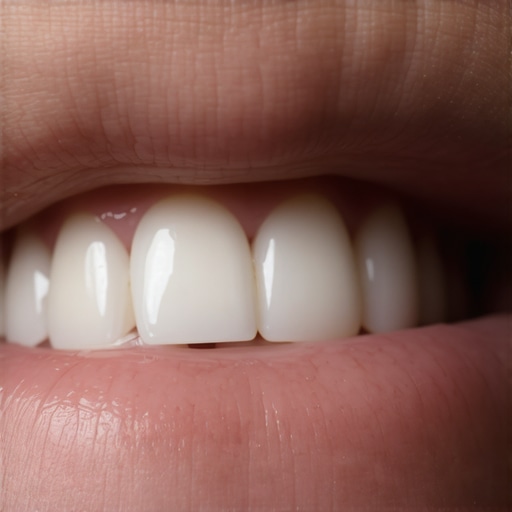
I remember the morning it finally hit me—my child’s smile, once bright and white, had taken on a decidedly yellowish hue whenever they grinned for pictures. It was a subtle change, but enough to make me pause. As a parent, you want their teeth to remain healthy and radiant, and suddenly I found myself asking, “Why are their grown-up teeth looking more stained than their baby teeth?” That was my lightbulb moment, and I bet you’ve noticed something similar with your little one’s smile too.
What’s Going On with My Kid’s Teeth? Why the Color Difference?
It’s a common concern among parents. Baby teeth are naturally whiter and often appear brighter because they have a different enamel composition and surface texture compared to adult teeth. As children grow, their permanent teeth come in through a process that exposes them to various stains and discoloration factors—think of dietary habits, oral hygiene routines, and even genetics. Over time, these external influences can make permanent teeth look more yellow or dull, especially if routine care isn’t perfectly maintained.
Early in my journey, I made the mistake of assuming it was just staining from candy or soda, only to realize that some discoloration might be due to the natural development of the enamel or even the internal structure of the tooth itself. This realization made me realize the importance of understanding what’s normal and when it’s time to seek professional advice. For instance, regular teeth cleaning routines can help maintain brightness, but sometimes, discoloration calls for more targeted solutions like whitening or restorative options.
Is Whitening Safe for Your Child?
That’s a question I hear often, and honestly, my early mistake was jumping to whitening treatments without consulting the dentist first. Not all whitening methods are suitable for children’s developing teeth. Instead, focusing on preventing further staining and enhancing natural brightness through tailored dental care offers a safer, more effective approach. Want to dive deeper into safe whitening options? Check out this guide on whitening for sensitive teeth.
Understanding the differences and choosing the right steps will help your child maintain a healthy, confident smile that lasts a lifetime. Are you facing this exact issue? Keep reading, because I’ll share practical tips to help you navigate this common concern.“}
Start with a Consistent Oral Hygiene Routine
Establishing a daily ritual of brushing and flossing is foundational. I remember waking up one morning and teaching my child how to brush gently in small circular motions, making it a game to reach all teeth. Using a soft-bristled toothbrush suited for children and a pea-sized amount of fluoride toothpaste, I demonstrated proper technique, ensuring their teeth are cleaned thoroughly without causing discomfort. This routine acts like a shield, preventing plaque buildup that can lead to staining and decay. Encourage your child to brush twice daily and floss once to remove debris stuck between teeth, vital for preventing discoloration and cavities.
Choose the Right Dental Products
Not all toothpaste is created equal. Look for those specifically formulated for children, containing fluoride to strengthen enamel and prevent staining. Consider a mouthwash designed for young users if advised by the dentist; however, age-appropriate options are crucial. I initially tried a generic brand, but after consulting with my child’s dentist, I switched to a fluoride rinse tailored for their age. This decision contributed to a brighter, healthier smile over time. Read labels carefully and prioritize products containing the ADA Seal of Acceptance, signifying safety and effectiveness.
Implement Dietary Habits That Protect Teeth
What your child eats plays a significant role in tooth color. I replaced sugary snacks with crunchy vegetables like carrots and celery, which naturally clean teeth and stimulate saliva production. Limiting fruit juices and sodas drastically reduces exposure to acids and pigments that stain enamel. During a family picnic, I packed cheese and nuts instead of candies; the calcium helps remineralize teeth, and healthy fats support enamel health. Avoiding frequent snacking and acidic foods minimizes staining and erosion, resulting in a brighter smile and improved overall oral health.
Schedule Regular Professional Cleanings
Professional cleanings are essential, removing plaque and tartar that regular brushing can’t eliminate. During my child’s appointments, the dental hygienist used gentle tools to polish teeth, revealing a noticeable difference post-cleaning. I learned that combining cleanings with fluoride treatments strengthens enamel and can reduce discoloration. Booking visits every six months ensures early detection of issues and maintains optimal oral health. For busy families, this routine saves time and prevents more invasive procedures down the line.
Explore Dental Restorations When Necessary
Sometimes, discoloration is stubborn, and routine measures aren’t enough. I found that dental crowns can be an effective solution, especially if there’s damage or severe staining. They not only restore function but also improve appearance, boosting confidence. Different materials like zirconia offer durability and a natural look. Curious about how crowns can transform a child’s smile? Check out this detailed overview. Proper maintenance and regular check-ups are crucial to prolong their lifespan and keep the smile shining brightly.
Maintain Continuous Education and Professional Support
Staying informed about the latest oral health practices allows me to adjust routines as my child grows. Attending dental webinars and reading trusted articles helped me understand that the key is consistency and age-appropriate care. For instance, I learned that introducing flossing once teeth touch is important for preventing stains and cavities. Regular visits to the dentist not only catch problems early but also reinforce good habits. Building a partnership with your dental professional ensures your child’s teeth stay healthy and gleaming for years to come.
Many people enter the realm of family dentistry with misconceptions that can hinder effective care. A prevalent myth is that routine brushing alone suffices for maintaining healthy teeth, but in reality, this oversimplifies the complexities of oral health. Proper cleaning requires understanding the nuanced differences between plaque removal, fluoride application, and the importance of professional cleanings. Effective home practices involve more than just brushing; they include flossing techniques and correct brushing duration, which many overlook.
Why do some believe that all dental crowns are interchangeable? Let’s clarify this advanced nuance.
This misconception can lead to choosing inappropriate crown materials or neglecting maintenance. Not all crowns are suitable for every situation; zirconia crowns, for example, are more durable for back molars, whereas porcelain veneers suit front teeth. According to experts, understanding the specific function and material of crowns can significantly influence their longevity and appearance. A common mistake is assuming that a crown placed years ago doesn’t need any special care; in fact, proper maintenance using specific dos and don’ts can extend its lifespan considerably.
Another widespread misunderstanding is regarding the necessity of frequency in dental visits. Many believe annual checkups are enough, but studies show that more frequent cleanings can prevent the progression of periodontal issues and early cavities, especially for those with predispositions. Regular visits also help catch subtle symptoms before they turn into expensive problems, as highlighted by research in oral wellness.
Advanced oral health knowledge involves recognizing when superficial remedies fall short. For instance, surface brushing might remove surface stains but ignores deeper issues like enamel erosion caused by acidic foods or GERD. Recognizing these nuances can save you from ineffective treatments. For example, understanding how enamel translucency signals wear can prompt earlier intervention.
Similarly, misconceptions about teeth whitening treatments often lead people to pursue aggressive procedures that may damage enamel or cause sensitivity. Consulting a professional and understanding the differences between safe whitening options and risky DIY hacks is crucial. According to specialists, tailored whitening plans preserve enamel integrity and achieve better results without adverse effects.
Stay alert to these hidden nuances and challenge common assumptions. For example, not every dental issue requires an invasive procedure; sometimes, simple adjustments in routine can prevent major problems. Having a nuanced understanding helps you make better choices, ensures longevity of dental work, and maintains a radiant smile. Have you ever fallen into this trap? Let me know in the comments.
Keeping your family’s dental health on track requires more than just routine brushing and visits to the dentist. Investing in the right tools can make a significant difference in maintaining long-term oral wellness. I personally rely on a few specific items that have proven effective in my family’s routine, and I recommend them for their durability, ease of use, and proven results.
Invest in a High-Quality Sonic Toothbrush
Unlike traditional manual brushes, a sonic toothbrush vibrates at high frequency, effectively disrupting plaque and reaching into hard-to-clean areas. I chose the Philips Sonicare because of its proven efficacy and gentle brushing action, which is particularly suitable for children and seniors. Regular use has noticeably improved our oral hygiene, reducing staining and gingival inflammation. Modern models now come with built-in timers and multiple modes, making it easier to customize cleaning sessions for different family members.
Utilize a Water Flosser for Deep Cleaning
While flossing daily is essential, I found that a water flosser provides an added benefit — especially for those with braces, crowns, or gaps. I personally use the Waterpik, appreciating its ability to dislodge debris in areas traditional floss can miss. It delivers a pulsating stream of water that cleans beneath the gumline and around dental restorations, helping prevent staining and prolonging the integrity of crowns and veneers.
Maintain an Electric Polisher for Professional-Like Results
For that extra shine and to remove surface stains, I utilize an electric polishing device designed for home use. These tools, combined with professional-grade polishing pastes, can replicate the results of a dental cleaning in your own bathroom. Regular polishing not only enhances appearance but also smooths enamel surfaces, making it harder for stains to adhere in the future.
Use a Plaque Disclosing Tablet Occasionally
Highlighting areas missed during brushing can be eye-opening. I recommend using plaque disclosing tablets once a month to assess cleaning effectiveness. My kids now enjoy the visual feedback, which motivates them to be more thorough, especially around braces or crowns. It’s a simple yet powerful way to keep everyone accountable and ensure long-term dental health.
Predicting Future Trends: Smart Dental Devices
As technology advances, I believe we’ll see a significant shift toward smart toothbrushes and connected devices. These tools will monitor brushing habits, pressure, and even detect early signs of dental issues before symptoms appear. Integration with apps and AI-driven feedback will personalize care further, making maintenance more intuitive. Trials with some devices have shown promising results, and I expect this trend to dominate the market in the coming years.
How do I keep my tools effective over time?
Regular maintenance is crucial to ensure these devices continue performing at their best. For example, I clean my sonic toothbrush heads weekly with warm water and replace them every three months, as recommended by dental professionals. Water flossers and polishers should also be descaled periodically to prevent mold or mineral buildup. Reading the specific instructions for maintenance helps extend their lifespan and ensures optimal performance. Additionally, storing tools in dry, ventilated areas prevents bacterial growth and damage.
By integrating these specialized tools into your routine, you set a strong foundation for healthier, brighter smiles that last a lifetime. Want to explore more about how these devices can complement your dental care? Reach out through our contact page for personalized guidance. Give one of these tools a try today, and watch your family’s oral health improve steadily over time!
Lessons Hidden Beneath the Surface of Family Dentistry
One of the most eye-opening lessons I learned was that real dental health goes beyond just brushing twice a day. It’s about understanding the subtle signals your child’s teeth send—like slight discoloration or changes in texture—that often go unnoticed but can indicate deeper issues. Embracing a mindset of continuous learning and curiosity allowed me to catch potential problems early, saving my child from more invasive treatments later. Remember, every smile has a story, and the more attentive you are, the better you can support its journey.
Another insight is that not all dental products are created equal. The choice of toothbrushes, flossers, and whitening agents can significantly influence oral health outcomes. Trusting professional-recommended tools and staying informed about the latest innovations, such as smart toothbrushes, can turn routine care into a powerful defense against discoloration and decay. Investing in quality tools truly pays off over time, making routine maintenance less of a chore and more of a pleasure.
Lastly, I discovered that the most effective dental health routines are those that become part of your family’s lifestyle. Consistency, patience, and personalized advice from your dentist create the foundation for a lifetime of confident smiles. Building these habits early not only prevents issues like staining or cavities but also fosters a positive relationship with dental care, transforming what might seem like a mundane chore into a shared family commitment. Every small step builds a bridge toward enduring oral wellness.