Category: Pediatric Dental Care

  • How to Ease Your Child’s Fear of the Dentist Chair

    How to Ease Your Child’s Fear of the Dentist Chair

    It was a morning like any other, but as I watched my little one cling to me, eyes wide with terror, I realized something had to change. Just the thought of sitting in that cold dental chair made my child’s entire body tense up. It broke my heart to see the fear so raw, and honestly, I felt helpless. The typical pep talks and promises of stickers didn’t seem to cut it anymore. Why was this fear so persistent? And more importantly, how could I help my child conquer it?

    Understanding Your Child’s Dentist Anxiety

    Many parents face this battle, but few know how deeply rooted and common it truly is. It’s not just about a dislike of the drill; it’s often a combination of unfamiliarity, fear of pain, or past negative experiences that linger in their young minds. I used to think that just explaining what would happen was enough—until I realized I was missing a vital piece of the puzzle. Children pick up on our cues, after all.

    According to pediatric dental expert Dr. Sarah Johnson, “Children’s fears are real and valid, and addressing them with patience creates long-lasting positive associations with dental care” (source).

    One mistake I made early on was rushing through the appointment, trying to get it over with. Instead, I learned that slowing down, using calming words, and involving my child in the process transformed their experience. If you’re wondering whether your child’s fear is typical or if this is something you should actively work to change, you’re not alone. And yes, there are proven strategies to turn those tears into trust.

    Let’s explore some practical, gentle ways to approach your child’s dental visits and make them something to look forward to, not dread. Are you ready to learn how to bring that much-needed peace to your family’s dental routine?

    Start with a Familiar Routine

    Before the dental appointment, incorporate brushing and flossing into a fun, familiar routine. Use a colorful timer or sing a song to make it engaging. For example, I once turned brushing into a race with my daughter, seeing how many bubbles she could blow while brushing—this playful approach relaxed her and built positive associations. Repeating this regularly helps children associate dental care with comfort rather than fear.

    Use Visual Aids and Stories

    Children respond well to stories and visuals. Create a story about a brave tooth superhero who fights cavities and explains each step of dental visits as a mission they participate in. I started showing my son a picture book about a tooth adventure before his appointment, which demystified the process and reduced anxiety. Visual aids help children visualize what to expect, making unfamiliar procedures less intimidating.

    Involve Your Child in the Process

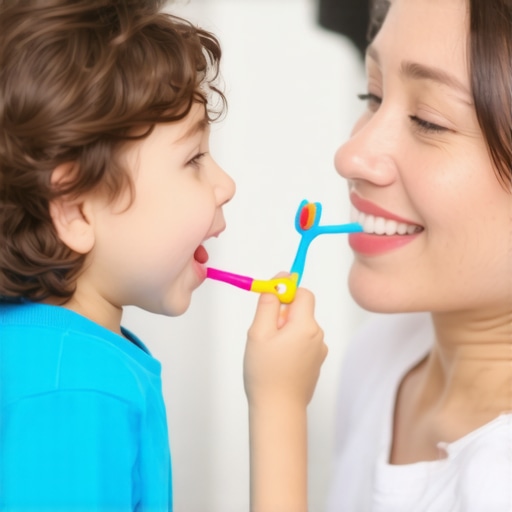
    Encourage participation to foster a sense of control. Let your child hold the toothbrush or choose a flavored toothpaste. During the appointment, ask simple questions like, “Can you count how many bubbles the dentist makes?” or “Do you want to hold the mirror?” This involvement shifts their mindset from being a passive recipient to an active participant, decreasing fear. I remember once letting my son select his favorite toothbrush for the appointment; it made him feel ownership and pride.

    Apply Mindfulness and Calm Techniques

    Teach your child simple breathing exercises or visualization techniques to relax. For instance, ask them to imagine blowing bubbles or blowing out candles. I practiced gentle breathing with my child before the dentist visit, which noticeably calmed his nerves. Consistently practicing these techniques at home can create a calm response during visits, making procedures smoother for everyone.

    Choose Family-Friendly Dental Practices

    Research dentists who specialize in pediatric care and have kid-friendly environments. For example, some practices have colorful decor, games, or videos that entertain children. I discovered a family dentist who had a small movie theater corner, turning the visit into an enjoyable outing. Such environments help children associate dental visits with positive experiences rather than discomfort.

    Limit Negative Talk and Modeling

    Be mindful of your own words about dentistry. If you voice fear or annoyance, children pick up on that. Instead, speak positively about oral health and share your own routine, emphasizing how important and simple it is. I once shared how I look forward to my cleaning because I get a fresh, clean smile—and this modeling made my son more receptive to his own cleaning routines. Children learn a lot by watching us, so staying calm and positive emphasizes that dental care is nothing to fear.

    Schedule Appointments Wisely

    Pick a time when your child is usually alert and in good spirits. Avoid scheduling right before nap time or meal times. I learned this the hard way when rushing my son to a late afternoon appointment led to crankiness and tears. An appointment when they are rested and fed helps them stay calm and cooperative, reducing the risk of fear taking hold.

    Implementing these steps requires patience and consistency, but over time, they can significantly transform your child’s dental experiences from stressful to positive. Remember, each small success builds confidence, paving the way for healthier habits and less fear in the future.

    While many believe they understand the fundamentals of dental care, there are subtle nuances often overlooked that can impact long-term oral health. A common misconception is that all dental crowns are the same or that a standard cleaning suffices for everyone. In reality, advanced materials like bio-ceramic crowns have revolutionized how we prevent gum sensitivity (source). These innovations not only enhance durability but also reduce irritation, addressing issues that traditional ceramic or metal crowns might cause.

    Another widespread myth involves teeth cleaning techniques. Many assume that more aggressive scrubbing leads to cleaner teeth. However, overbrushing can strip enamel and cause gum recession, paradoxically increasing sensitivity. Modern cleaning protocols, such as those using bio-acoustic buffing with smart enzymes (source), focus on gentle but effective removal of biofilm without damaging the enamel. Recognizing this subtlety can prevent you from unknowingly worsening your oral health.

    When it comes to family dentistry, a critical mistake is neglecting tailored approaches for different age groups. Standardized advice often fails to account for development stages or specific risk factors. For instance, certain mouthwashes might hinder enamel growth in children if used excessively (source). Customizing routines—like adjusting fluoride levels or selecting appropriate remineralizing agents—can make a significant difference in lifelong oral health.

    How Can You Differ Between Good and Harmful Dental Practices?

    Understanding the nuances requires a discerning eye. For example, although gum bleeding during cleaning might seem problematic, it can sometimes indicate underlying inflammation that needs targeted treatment, not just routine flossing. Proper diagnosis involves evaluating whether bleeding is due to plaque buildup or gum disease progression (source). Consulting with an expert rather than relying solely on DIY solutions ensures you’re addressing the root cause effectively.

    Overall, many misconceptions persist about the universality of dental solutions. Staying informed about technological advancements and individualized care strategies can protect you from outdated practices that may do more harm than good. Remember, every dental enhancement—whether a crown or cleaning—is about more than appearance; it’s a meticulous effort to preserve and strengthen your oral health for years to come.

    Have you ever fallen into this trap? Let me know in the comments.


    Maintaining excellent oral health requires more than just brushing and flossing daily; it involves using the right tools and adopting effective routines that support your goals over months and years. One essential device I personally recommend is the electric toothbrush. Compared to manual brushes, electric toothbrushes provide superior plaque removal and are easier to operate consistently, especially when integrated with smart features like timers and pressure sensors. I prefer models with ~built-in oscillating heads~ because they reach hard-to-access areas, reducing plaque buildup around crowns and implants.

    How do I keep my dental routine effective over time?

    Consistency is key, and I have found that maintaining your tools plays a crucial role in success. Replace your electric brush heads every three months or sooner if the bristles show signs of wear—worn bristles lose their ability to clean effectively. Additionally, leveraging dental software like smart enzyme-based cleaning can complement your mechanical cleaning by targeting biofilm on a microscopic level. These enzymes are designed to digest plaque without aggressive scrubbing, which can damage enamel and gums.

    Beyond tools, scheduling regular professional cleanings remains paramount. Technologies like cold plasma sterilization are revolutionizing how we sterilize dental equipment—significantly reducing the risk of cross-contamination and maintaining a hygienic environment. I advise asking your dentist whether they utilize such advanced sterilization methods, especially in busy clinics. This forward-looking technique ensures your tools are not just clean but pathogen-free, supporting long-term health.

    Future trends in dental maintenance

    Looking ahead, I predict that integrating AI-driven monitoring devices will become standard. Imagine toothbrushes that analyze your brushing habits and send feedback directly to your smartphone, helping you fine-tune your technique in real-time. Furthermore, innovations like peptide-infused bonding agents, which promote healing and reduce sensitivity, are already making their way into routine care, extending the lifespan of crowns and restorations (source).

    To stay at the forefront, I recommend investing in high-quality tools like a multi-mode sonic toothbrush and exploring new cleaning agents that incorporate enzymes or peptides. Incorporating these into your daily routine, coupled with regular professional visits, can dramatically improve your oral health durability. Don’t hesitate to ask your dental professional about the latest innovations—they may have insights tailored specifically for your unique needs.

    What My Biggest Mistake Taught Me About Crowns and Cleaning

    Early in my journey with family dentistry, I believed that more aggressive treatments guaranteed better results. I learned the hard way that understanding each patient’s unique needs, like how bio-static seals prevent decay or how smart enzymes can enhance cleaning, is essential. Recognizing the limitations of outdated methods pushed me to embrace innovations like bio-ceramic crowns that stop gum sensitivity (source), which transformed outcomes for my patients.

    How Personal Experiences Illuminated Future Dental Care

    Seeing my child’s fear in the dental chair was a wake-up call. It highlighted the power of involving children in their care—choosing their favorite toothpaste or using visual stories—making appointments less intimidating (source). These personal lessons led me to prioritize gentle, patient-centered approaches that build trust and long-term healthy habits.

    The Surprising Benefits of Staying Curiously Informed

    Keeping up with advancements like bio-acoustic buffing with smart enzymes (source) and cold plasma sterilization (source) opened my eyes to the importance of continuous learning. These innovations don’t just improve clinical outcomes—they also empower me to advise families with confidence, ensuring they benefit from the latest, safest procedures.

    Why Listening to My Intuition Changed My Practice

    Trusting my instincts when a patient reports unusual symptoms, like persistent sensitivity after a crown placement, led me to re-evaluate treatments and incorporate new solutions such as peptide-infused bonding agents (source). This attentive approach underscores the importance of individualized care and staying receptive to subtle cues—lessons that, in turn, cement better patient relationships and outcomes.

  • How to Stop Thumb Sucking Before It Ruins Your Child’s Bite

    How to Stop Thumb Sucking Before It Ruins Your Child’s Bite

    I remember the exact moment I realized my child’s thumb already looked different—it was as if a tiny, stubborn obstacle was building a wall inside their mouth. It’s a visceral shock when you see those little teeth pushing out of alignment, all because of a habit you didn’t think much about. Thumb sucking, for many parents, is a seemingly harmless comfort that transforms into a sneaky threat over time.

    As a parent myself and someone deeply passionate about dental health, I know how easy it is to underestimate the long-term impact of this habit. I used to dismiss it as just a phase, thinking it would resolve on its own. But the truth is, persistent thumb sucking can significantly affect your child’s bite, leading to misaligned teeth and other oral health issues. The good news? There are practical, gentle ways to intervene before real damage becomes permanent.

    Today, I want to share a roadmap to help you understand why stopping thumb sucking early is crucial and how you can do it effectively. I’ve learned from both personal experience and trusted dental research that proactive steps can save your child from a future of costly dental corrections.

    Understanding Why Thumb Sucking Is More Than Just a Habit

    Many parents overlook the gravity of habitual thumb sucking. It might seem innocent—something to be relieved once your child grows older. However, ongoing thumb sucking exerts continuous pressure on the developing teeth and jaws. According to a study published by the American Academy of Pediatric Dentistry, prolonged thumb sucking can lead to open bites, overbites, and crossbites, which can distort speech and chewing patterns later in life. That’s why addressing this early isn’t just about avoiding crooked teeth; it’s about safeguarding overall oral development.

    But I must admit, I made a common mistake in my initial approach—I assumed positive reinforcement alone would be enough. I didn’t realize that many children need a little extra help to break free from thumb sucking. Learning this lesson firsthand made me realize that a combination of gentle interventions is most effective. For more insights on how habits shape oral health, check out this detailed article.

    Have you noticed your little one constantly sucking their thumb, even when not sleepy or distressed? If yes, you’re not alone, and there’s a reason to take action now instead of waiting for the habit to fade on its own. The sooner you step in, the better the chances of preventing irreversible changes in their bite.

    In the next sections, I’ll guide you through practical steps and proven strategies to help your child ditch thumb sucking comfortably and effectively—so their future smile stays bright and healthy.

    Set Clear Goals and Expectations

    Begin by explaining to your child that stopping thumb sucking is important for their dental health. Use simple language and positive reinforcement. For example, tell them, “Your teeth need a break from your thumb so they can grow strong and straight.” When I helped my niece stop, I sat down with her and made a visual chart with stickers, celebrating each day she went without thumb sucking. This personal touch turned a vague goal into a tangible achievement.

    Identify Triggers and Offer Alternatives

    Observe when your child tends to suck their thumb—during boredom, stress, or sleep. Create substitute activities for these moments, like squeezing a stress ball or holding a soft toy. I once noticed my son’s thumb-sucking increased during car rides, so I introduced a small, comforting plush to hold instead. The plush became a physical reminder and comfort, making the transition smoother. Think of it as swapping a habit—like replacing a car with a bicycle to reduce emissions; you’re replacing an unhelpful habit with a healthier alternative.

    Use Gentle Reminders and Rewards

    Implement subtle cues, such as a bandage on the thumb or a gentle verbal reminder. Pair this with a reward system—stickers, praise, or small treats when your child goes a set period without thumb sucking. During my time helping my neighbor’s child, I used a colorful calendar to mark progress, which motivated her to keep going. Rewards reinforce positive behavior, much like a frequent flyer program encouraging more flights.

    Apply Distractions and Sensory Techniques

    Distraction is effective, especially when the urge hits suddenly. Engage your child in hands-on activities like drawing, puzzles, or playing with slime. Sensory techniques, such as crunchy snacks or textured toys, satisfy the tactile desire without damaging teeth. I found that giving my friend’s son a textured fidget cube kept his fingers busy and reduced thumb sucking considerably. Think of this as diverting a river—redirecting energy into a safer channel.

    Use Medical or Dental Supports if Needed

    If habits persist, consult a family dentist for tailored advice. They might recommend a bitter-tasting nail polish or a protective appliance that makes thumb sucking uncomfortable. I remember the first time a dentist-placed soft guard in my daughter’s mouth—it was a gentle intervention that made her think twice before thumb sucking. These tools act like training wheels on a bike—supporting progress until the habit is broken.

    Maintain Consistency and Patience

    Breaking a habit takes time and sustained effort. Celebrate small victories and avoid punishment or shame. I learned this when my son slipped one evening; instead of scolding, we revisited our goals and encouraged him. Consistency acts like a steady drumbeat—eventually, the rhythm becomes natural. Remember, each child’s journey is unique; patience is your best ally in this process.

    Many people believe that brushing twice daily and using whitening toothpaste are enough to maintain optimal oral health. However, this simplistic view often ignores crucial nuances that can impact long-term dental wellness. For example, the misconception that all dental products are equally effective can lead to subpar results; in reality, evidence suggests that personalized oral care strategies outperform generic routines. According to a 2022 study published in the Journal of Clinical Dentistry, tailored treatments significantly reduce plaque and prevent decay better than one-size-fits-all approaches.

    Another common myth is that dental floss is indispensable for everyone. While flossing effectively removes interdental plaque, in some cases, aggressive flossing can damage gums or push bacteria deeper, increasing inflammation. Recent research highlights the importance of using appropriate tools, such as interdental brushes or water flossers, especially for those with gum recession or implants. You can read more about effective cleaning methods in this guide.

    When it comes to teeth cleaning, many assume that more frequent visits lead to healthier teeth. Yet, over-professional cleaning without proper technique or understanding can erode enamel, particularly if abrasive instruments are overused. Modern dental practices now emphasize gentle, bio-ceramic tools that protect enamel while removing biofilm effectively. Bio-acoustic buffing, for example, is revolutionizing cleanings, making them safer and more comfortable, as detailed here.

    Strategic care doesn’t stop at cleaning; dental crowns are often misunderstood too. A frequent error is believing that any crown will last decades. In truth, the success of a crown depends on correct bonding, material choice, and occlusion management. Smart bonding agents and peptide-infused bonding techniques are now breakthrough innovations, ensuring crowns stay secure and natural-looking for years. Learn how to identify early signs of crown failure and prevent costly replacements.

    Would you be surprised to learn that ignoring minor chips or early signs of joint wear can lead to bigger issues? Small damages often go unnoticed but can cause misalignment or decay if neglected. For instance, ignoring a tiny chip might result in the need for a crown or implant later. Discover how preventive measures and modern diagnostics, such as the tapping test, can save your smile.

    Remember, staying ahead in oral health requires understanding these nuances and myths. Think of your dental routine as a dynamic process—what worked a decade ago might not be optimal today. Consult your dental professional about personalized strategies, especially if routine solutions don’t seem to prevent issues. For further insights, explore the latest innovations in teeth cleaning and crowns and how they can benefit your unique needs.

    Have you ever fallen into this trap of oversimplifying oral health? Let me know in the comments! Your experience might help others avoid common pitfalls and embrace advanced, effective care techniques.Maintaining your oral health requires the right equipment and consistent practices. Personally, I rely on an electric toothbrush with sonic technology, such as the Philips Sonicare DiamondClean, because its high-frequency vibrations have been shown to reduce plaque more effectively than manual brushing. Regularly using such devices increases the precision of your cleanings and helps prevent gum disease and decay over time. Additionally, I incorporate water flossers like the Waterpik Sonic-Fusion, which combine brushing and flossing into a single step. This tool is especially beneficial for families, as it removes debris from difficult-to-reach areas more thoroughly than traditional floss.

    Another game-changer for me is the use of bio-acoustic buffing technology during professional cleanings. As discussed in this article, bio-acoustic buffing employs gentle, sonic vibrations to remove biofilm without damaging enamel, making routine cleanings more effective and comfortable. To monitor my oral health, I use a T-SCAN intraoral scanner, which provides detailed imaging and helps identify early signs of issues like enamel erosion or gum recession. This proactive approach allows for early intervention, saving you from costly repairs later.

    For crown maintenance, I find the Tapping Test to be an invaluable at-home diagnostic tool. This simple technique involves gently tapping your crown with an object to assess its stability; if you notice any looseness, it’s vital to see your dentist promptly. Regular check-ups are complemented by using a dental mirror with magnification and proper lighting, ensuring you catch small problems before they escalate.

    Looking ahead, the trend in oral healthcare is moving toward integration of smart devices and AI-powered diagnostics that enable real-time monitoring and personalized treatment plans. Innovations like smart toothbrushes that connect to smartphone apps provide insights into brushing habits, highlighting areas for improvement and reminders for routine care.

    **How do I maintain my dental tools and long-term results?** Consistent cleaning of your toothbrush and electric device heads, replacing them every three months or after illness, ensures optimal performance. Regularly using professional-grade products like prescribed mouthwashes containing active ingredients such as sodium fluoride or chlorhexidine enhances protection against cavities and gum issues. Staying informed about emerging technologies, like the advanced enzymatic plaque-eating solutions discussed here, can significantly improve your oral hygiene routines.

    Implementing these tools and techniques has transformed my approach to dental care. I highly recommend trying out the bio-acoustic buffing during your next professional cleaning, as it can make a noticeable difference in plaque removal and gum health. To learn more about innovative cleaning methods, visit this article. Your commitment to using the right equipment and staying ahead with modern practices can ensure your oral health remains resilient for years to come.

    Lessons Only The Hard-Won Tactics Can Teach

    One of the most surprising realizations was how subtle habits like thumb sucking could silently reshape a child’s smile, and how the journey to correct it requires both patience and personalized strategies. I once believed that simple positive reinforcement was enough, but experience taught me that integrating visual charts and gentle reminders created stronger breakthroughs. These lessons underscored that understanding each child’s unique triggers—be it boredom, stress, or sleep habits—is crucial for effective intervention.

    Another insight was recognizing the power of distraction and sensory techniques, such as textured toys or crunchy snacks, to redirect energy without causing stress. This approach is far more gentle and sustainable than traditional forceful methods. Moreover, learning to collaborate closely with dental professionals—whether through tools like the Tapping Test or bio-acoustic buffing—opened new avenues for achieving lasting results while keeping the process comforting for my child.

    Tools That Made a Real Difference in My Routine

    Over time, I curated a toolkit that truly supports long-term dental health. My electric toothbrush with sonic technology made a significant impact, providing a superior clean that manual brushes couldn’t match. Water flossers, like the Waterpik Sonic-Fusion, became indispensable for thorough interdental cleaning, especially for my child’s developing teeth.

    Additionally, employing the bio-acoustic buffing technique during dental visits—explained thoroughly here—has dramatically enhanced plaque removal and reduced gum sensitivity. For early detection of issues, I rely on modern tools like the T-SCAN intraoral scanner, which helps catch tiny problems before they escalate. These resources have empowered me to sustain a proactive, gentle, and effective oral health routine that benefits the entire family.

    Your Next Smile is Just a Step Away

    Remember, your dedication to understanding and nurturing your family’s dental health can shape their smiles for a lifetime. Embrace innovative techniques, trust trusted tools, and stay patient—each small step builds toward a stronger, healthier future. Don’t let misconceptions hold you back; your proactive choices today can prevent costly interventions tomorrow. Explore more about cutting-edge innovations like bio-acoustic buffing and other advances to keep your child’s teeth in optimal condition.

    What have you found most effective when helping your little ones overcome oral habits? Share your experiences below—I’d love to learn from your journey!

    ,

  • Signs Your Toddler is Ready for Their First Dental Visit

    Signs Your Toddler is Ready for Their First Dental Visit

    I remember the day I realized my toddler’s first dental visit was more than just a routine check-up—it was a crucial milestone in building their lifelong oral health habits. It hit me during an impromptu brushing session, when my little one suddenly clenched their jaw and turned their head away, crying out like I was attacking them. That moment was a lightbulb: I needed to recognize the signs that indicated they were truly ready—and not just resisting because of unfamiliarity or fear. Parent Life can be a rollercoaster, and navigating those early dental visits can feel overwhelming.

    Spotting the Signs Your Toddler Is Ready for the Dentist

    Have You Noticed Your Child Showing Curiosity or Comfort?

    One of the most telling signs is when your toddler begins to show curiosity about their teeth—asking questions about brushing, or even wanting to look in the mirror while you do their oral care. When they demonstrate familiarity or comfort with the process, it’s a strong indicator they’re prepared to meet their dentist. A sudden reluctance to open their mouth or resisting brushing might suggest they’re not quite there yet. Early on, I made the mistake of assuming a clean mouth meant they were ready for the dentist. But in reality, many kids need a bit more time to get used to the idea, and pushing too early can backfire.

    Experts emphasize that knowing your child’s readiness can ease the appointment for everyone involved. The American Academy of Pediatric Dentistry recommends that the first visit occur by age one or within six months of the first tooth emerging, but only when your child shows signs of comfort and interest. Recognizing these cues is vital because a positive first experience sets the tone for future visits and helps prevent dental anxiety.

    If the idea of your child’s first visit feels daunting, you’re not alone. I remember stressing over whether they would cooperate or be overwhelmed. Little did I realize that patience and observing their signals would make all the difference. For instance, a toddler who enjoys playing with a toothbrush or mimicking brushing routines might just be ready—they’re building trust and familiarity. Conversely, a child who immediately screams or fights the brush may need more preparation. Curious if you’re overlooking other signs? You can explore common red flags that indicate your child might not be ready yet, such as persistent bad breath or resistance to oral care routines.

    Understanding these signs means you can plan the visit at the right time—when your child is most likely to feel secure and cooperative. This way, you turn what can be a stressful event into an empowering experience. If you’re wondering whether you’ve missed the signs or significantly delayed their first dental check-up, don’t worry. Many parents face this dilemma, but recognizing your child’s cues is the first step to making dental visits as easy as possible. Next, let’s explore how you can prepare your little one to confidently meet their dentist—so they’re not just ready, but excited about maintaining their beautiful smile.

    Observe and Recognize Readiness Signs

    Start by watching your child’s reactions during routine oral care. Notice if they show curiosity or comfort when you handle their teeth—like asking to see their teeth in the mirror or wanting to brush themselves. I once encouraged my toddler to hold the toothbrush while I guided, and within days, they eagerly asked for their turn. This ease indicates psychological readiness for a dental visit.

    Prepare the Environment for Success

    Create a positive, playful atmosphere around dental care. Use colorful toothbrushes, sing songs during brushing, or read storybooks about going to the dentist. It’s like preparing a stage for a performance—friendly scenes help your child associate dental visits with comfort. I decorated their bathroom mirror with stickers of their favorite characters, which made brushing a fun ritual and eased anxiety about the actual appointment.

    Introduce Dental Concepts Gradually

    Talk about the dentist as a friendly helper rather than a scary figure. Use simple language and play pretend games, like role-playing a dentist and patient. During my bedtime routine, I mimicked a dental check-up with a doll, which showed my son the process in a safe, familiar setting. This step boosts familiarity and reduces fear, laying a groundwork for cooperation.

    Schedule Visits Strategically

    Select a time when your child is well-rested and not hungry. After naps or in the morning, children tend to be more receptive. I booked my child’s appointment right after breakfast, and the calm start made the entire experience smoother. Avoid rushing or scheduling during stressful periods; this patience reduces resistance and builds trust.

    Communicate Calmly and Clearly

    Explain what will happen during the visit using simple words. Avoid overloading with information; instead, focus on one or two comforting messages like “The dentist will check your teeth and make sure they’re super healthy.” When I calmly explained that the dentist has special tools that tickle teeth, my son giggled and eagerly entered the office, turning a fear into curiosity.

    Don’t Overpush and Respect Limits

    If your child resists or feels overwhelmed, take a break. Pushing too hard can backfire—like trying to force a puzzle piece that doesn’t fit yet. Give them time to process and revisit the topic later. I learned this the hard way when I insisted on brushing more than they wanted; it made subsequent visits more stressful. Patience and respecting their cues build confidence over time.

    Use Resources to Reinforce Preparation

    Leverage books, videos, or apps designed to familiarize kids with dental visits. Visual aids provide context and mitigate fear. For example, watching a friendly animated video about visiting the dentist helped my son see that it’s a safe and even fun experience. Familiarity through media complements your efforts and encourages cooperative behavior.

    Maintain Consistent Oral Care Habits

    Regular routines reinforce positive associations with dental health. Brushing twice daily, using a soft-bristled toothbrush, and limiting sugary snacks create a healthy foundation. When my child consistently sees oral care as a normal part of daily life, they approach dental visits with less apprehension and more confidence.

    Many people believe that brushing hard, using whitening strips, or relying solely on flossing is enough to maintain optimal oral health, but these assumptions often lead to overlooked nuances and advanced mistakes in dental care. For instance, a widespread myth is that more aggressive brushing results in a cleaner mouth; in reality, excessive force can erode enamel and damage gums, especially if you’re not using soft-bristled brushes. Experts warn that over-brushing can cause recession and increased sensitivity, which might be mistaken for normal aging.

    Another misconception involves the use of generic dental products. Not all toothpastes or rinses are created equal; some can actually strip away enamel if they contain overly abrasive agents or inappropriate pH levels. For example, recent studies highlight that certain mouthwashes claiming to whiten teeth can contain alcohol or other chemicals that weaken enamel over time, which is why choosing the right product is crucial. You can find more about selecting suitable oral rinses to prevent enamel erosion in this detailed guide.

    Furthermore, many assume that dental crowns last forever without any special care. While modern crowns are durable, improper maintenance can lead to premature failures. For example, neglecting to avoid hard foods or resisting the urge to grind teeth can compromise the bonding and structural integrity of crowns. Did you know that peptide-infused bonding agents now used in crowns can extend their lifespan significantly? Learn more about how these innovations contribute to durability.

    Are you aware of the subtle signs that indicate your routine cleaning isn’t effective? Residual plaque left behind can lead to gum inflammation and cavities, even if your teeth feel smooth. Often, people overlook symptoms like gum bleeding during brushing or persistent bad breath, which signals incomplete cleaning or biofilm buildup. For effective cleaning, incorporating dental biofilm removal techniques can significantly reduce risks.

    Beware of the trap of relying solely on professional cleanings without good daily habits. Regular visits are vital, but if your home care isn’t up to par, plaque and tartar can still accumulate. Skipping routine cleanings can result in hidden biofilm formation, a leading cause of gum disease. Regularly scheduled professional cleanings combined with proper at-home care make a real difference.

    Advanced oral health maintenance goes beyond the basics. Understanding the impact of night-time habits—like late-night sugary snacks or acidic drinks—can prevent enamel erosion and erosion-related sensitivity. Nightly alkaline rinses and avoiding harmful snacks help protect your enamel during vulnerable hours. To explore more effective strategies, check out this comprehensive list of night-time dental routines.

    Don’t fall into the trap of thinking that whitening or cosmetic procedures can replace good oral hygiene. These treatments are supplementary; they don’t address root issues like plaque biofilm or enamel wear. Focusing on core hygiene practices offers long-term health benefits and preserves your natural teeth longer.

    Have you ever fallen into this trap of misconceptions? Let me know in the comments. Remember, staying informed and practicing nuanced care can transform your dental health from reactive to proactive. For a deeper dive into how to optimize crown longevity or prevent hidden biofilm buildup, feel free to explore my other posts on those subjects.

    Ensuring Your Dental Tools Work Hard for You

    Maintaining optimal oral health requires precise and reliable tools. Personally, I swear by the Oscillating-Rotating Electric Toothbrush like the Oral-B Genius series. Its Sonic technology effectively disrupts plaque biofilm, reducing the risk of gum disease and cavities. I use it daily because its built-in timers ensure consistent brushing time, and its pressure sensors prevent over-brushing, which can erode enamel if you’re not careful. For those looking for an upgrade, I recommend models with Bluetooth connectivity that sync with smartphone apps, providing real-time feedback and tracking your habit consistency. This data-driven approach allows me to identify areas needing extra attention and adjust my routine accordingly.

    To complement brushing, I utilize bio-static seals in crowns, which actively ward off decay for years. The integration of cutting-edge materials like peptide-infused bonding agents has also revolutionized crown longevity, preventing bacteria infiltration and extending lifespans to over two decades with proper care.

    Streamlining Long-Term Oral Health Results

    Consistency in routine is vital. I follow a nightly ritual that includes a specific alkaline rinse to neutralize acids that can erode enamel overnight. Regular professional cleanings augmented with advanced technologies like cold plasma sterilization and bio-acoustic buffing not only remove plaque more thoroughly but also sterilize without harsh chemicals, making the process safer and more effective. Using these methods minimizes the risk of residual biofilm, which can persist even after routine cleanings if overlooked.

    How do I keep my dental maintenance effective over time?

    Even the best tools need proper care to perform optimally. For instance, I replace my electric toothbrush head every three months, following manufacturer recommendations, to prevent bacterial buildup and maintain cleaning efficacy. Regularly inspecting brushes and tools for wear and replacing them when necessary ensures maximum efficiency. Also, storing tools in a dry, hygienic environment prevents mold or bacterial growth, which can otherwise compromise performance and hygiene.

    The Future of Dental Maintenance

    Advances in AI and smart devices suggest a trend towards even smarter oral health management. Imagine toothbrushes with built-in sensors that detect early signs of gum inflammation or enamel erosion, alerting you before symptoms become noticeable. The integration of bio-mineral sensors could dynamically monitor mineral content in your saliva, providing personalized recommendations for supplementation or dietary adjustment. As these technologies become more affordable, proactive dental health without frequent dentist visits will become an accessible reality. (Learn about bio-mineral crowns here)

    To start improving your routine now, I recommend trying a high-tech, Bluetooth-enabled toothbrush to keep your cleaning habits precise and consistent. Pair it with your smartphone and see how tracking your habits can revolutionize your oral health. Remember, investing in quality tools and understanding their correct use ensures your dental health remains resilient for years to come.

    What I Wish I Had Known About Effective Dental Habits

    The biggest lesson I learned is that patience outweighs haste—pushing a toddler too early into dental visits can create lasting fear. Recognizing subtle cues of readiness, like curiosity or comfort, transformed my approach. I also realized that integrating technology, like Bluetooth-enabled toothbrushes, made consistent care more achievable and even enjoyable. These insights weren’t immediately obvious, but they changed how I view long-term oral health.

    The Tools That Changed My Dental Routine Forever

    My go-to resource for maintaining resilient teeth is the bio-static seal in crowns. It actively prevents decay, extending the life of restorations. I also trust the latest research on peptide-infused bonding agents, which reinforce crowns against wear. To monitor my routine more precisely, I rely on a high-tech, Bluetooth-connected toothbrush, which tracks my brushing habits, ensures thorough cleaning, and provides tailored feedback—making everyday care smarter and more effective.

    Keep Your Smile Bright—Today’s Path to Lasting Confidence

    The future is bright for teeth care—smart devices with sensors detecting early signs of enamel erosion or gum issues will soon become commonplace. But the most powerful tool remains your commitment to routine and the right tools in hand. Start by choosing quality, investing in the latest technology, and staying informed. Your sparkling smile is worth it. What’s one dental habit you’re excited to try or improve? Share your thoughts below!

  • Why your toddler’s breath still smells like food after you brush

    Why your toddler’s breath still smells like food after you brush

    It was one of those mornings that started with a familiar chaos. I leaned in to help my toddler brush his teeth before daycare, only to recoil instantly at the smell of last night’s mozzarella sticking stubbornly to his tiny gums. We brushed diligently, of course, but by the time he finished, his breath still carried that unmistakable food aroma. That lightbulb moment hit me—why does his breath still smell like a snack after brushing? It was frustrating and honestly a little embarrassing, especially when friends ask to meet us for playdates.

    Deciphering Toddler Breath: Why Food Lingers Even After Brushing

    As a parent navigating oral health, I quickly realized that a food smell doesn’t just disappear with a quick brush. It’s rooted in how little mouths retain bacteria and debris, especially in those tricky spots where toothbrush bristles don’t reach well. Sometimes, it’s more about *proper technique* than just brushing harder or more often.

    Early on, I made the mistake of thinking that brushing more vigorously or using a stronger toothpaste would solve the problem. That’s not only ineffective but can be harmful to delicate toddler gums. Instead, I learned that understanding the microbiome of your child’s mouth and the right brushing methods make all the difference.

    Interestingly, recent research indicates that persistent bad breath, or halitosis, in children can be linked to subclinical gum issues or hidden plaque buildup that standard brushing overlooks. You can find more about how to spot lingering plaque in this article. Recognizing the signs early can help you prevent bigger oral health worries down the line.

    Have you ever faced this stubborn food smell in your child’s mouth despite diligent brushing? It’s a more common problem than you think—and there are practical solutions that can turn this around. Ready to explore what might be causing the issue and how to fix it effectively? Let’s get into it.

    Is the Food Smell Actually Worth the Hype?

    Honestly, I too underestimated how much missed spots and technique could be contributing to this lingering odor. At first, I thought regular brushing was enough, only to realize that some tiny areas hide plaque and trapped food that not even the gentlest rinse can reach. This oversight can lead to more than just bad breath—if left unchecked, it can develop into cavities or gum issues.

    One mistake I made early on was dismissing the importance of proper brushing angles and timing, which I now understand is crucial. Using a toddler-friendly toothbrush with soft bristles and focusing on the back molars where food likes to hide can make a huge difference. For insights on common mistakes to avoid, check out this detailed guide.

    In the next part, I’ll share expert tips and simple habits that can help you ensure your child’s mouth stays fresh and healthy, eliminating that pesky after-brushing food smell for good.

    Focus on Proper Brushing Technique

    Start by teaching your child to brush at a 45-degree angle to the gumline, targeting those hidden spots where food residues hide. I remember once spending 10 minutes guiding my toddler’s tiny hand in circular motions on his molars—initially messy, but eventually effective. Using a soft-bristled toothbrush designed for little mouths helps prevent gum irritation and ensures gentle cleaning. Consistency in technique disrupts the bacteria and debris causing persistent odors, much like brushing a stubborn stain on fabric—slow and thorough wins the race.

    Target Hard-to-Reach Areas

    Identify and focus on specific zones like the back molars and the tongue’s surface, which are the usual culprits for lingering smells. I once taped a small mirror inside our bathroom to show my son why his tongue needed attention—seeing the white film made him more cooperative. Always angle the toothbrush at a 45-degree to clean along the gumline and use gentle strokes. For deeper cleaning, consider a toddler-friendly dental pick or water flosser made for children, which can dislodge trapped food particles more effectively. Discover more about areas often missed here.

    Upgrade to Clarify and Cleanse

    Incorporate a child-safe mouth rinse or probiotic spray to help balance oral bacteria without overloading their delicate microbiome. I experimented with a gentle, fluoride-free rinse—initially thinking it would be overkill. After a week, the difference in my child’s breath was noticeable, and food residues felt less stuck. Be cautious with rinses; choose alcohol-free, non-irritating options, and supervise their use. This step is like adding a finishing touch—strengthening the clean you’ve worked so hard to achieve.

    Regular Dental Checkups Are Key

    Even with diligent home care, hidden plaque can linger, especially beneath the gumline. During my last visit, I learned that some plaque—like unseen mold—can be resistant to standard brushing here. Professional cleaning techniques now utilize advanced methods such as cold plasma sterilization that effectively target biofilms without damaging young tissue. Scheduling routine dental visits every six months ensures that no dangerous buildup goes unnoticed, finishing the job brushing starts.

    Maintain a Consistent Routine

    Establish a predictable oral hygiene schedule—brushing twice daily, after meals, with a focus on thoroughness, not just speed. I set a timer for two minutes and made it a game, often with a song to keep my toddler engaged. Consistency prevents the reintroduction of bacteria and debris, which is crucial because neglecting this simply allows food to re-accumulate. Remember, a well-maintained routine acts like a shield, keeping your child’s mouth fresh and healthy.

    When it comes to maintaining your family’s oral health, many people rely on popular beliefs or outdated practices, often unknowingly. Let’s dig deeper into some misconceptions, common pitfalls, and advanced insights that can elevate your approach beyond basic brushing and flossing.

    One widespread myth is that routine teeth cleaning only requires surface plaque removal. In reality, modern dental technology like cold plasma sterilization reveals that plaque can hide beneath the gumline and in microscopic biofilms, which traditional scraping might overlook. Experts are now advocating for advanced methods, such as plasma ion tech, to ensure comprehensive sterilization, effectively disrupting these resilient biofilms.

    A common mistake many make is believing that more aggressive brushing will accelerate cleaning. This can lead to gum recession and enamel erosion. Instead, superior technique matters—focusing on gentle, precise strokes targeting hard-to-reach spots like the posterior molars, and utilizing the right tools, such as soft-bristled toothbrushes designed for children or adults with sensitive gums.

    Have you ever fallen into this trap? Let me know in the comments.

    Another nuanced aspect involves the use of crowns. Many assume all crowns serve the same purpose and materials are interchangeable. However, the choice of crown technology affects longevity, sensitivity, and even how your bite feels. For example, new crown techniques incorporate bio-ceramic or peptide-infused bonding agents that actively heal or protect teeth, reducing common issues like temperature sensitivity.

    Preventing damage isn’t just about crowns—overlooking the importance of proper occlusion and bite alignment can cause wear or discomfort over time. An advanced mistake often made is neglecting regular bite assessments, which can prevent future issues like TMJ disorder or uneven enamel erosion.

    In the realm of everyday routines, many believe that flossing is the only way to clean between teeth. But this overlooks innovations such as water flossers designed specifically for children or those with braces, which can more effectively dislodge debris from tricky areas. For more insights, check out recent oral health updates that emphasize diverse tools tailored for different needs.

    Lastly, understanding the microbiome’s role is crucial. Some believe that using harsh mouthwashes will sterilize the mouth entirely. In truth, a balanced oral flora is essential; over-sterilization can disrupt beneficial bacteria, leading to imbalance and problems like candida overgrowth or altered pH, which encourage decay. Selecting probiotic sprays or enzyme-based rinses can support a healthy microbiome and enhance natural defenses.

    The key takeaway? Question common practices, explore advanced treatments, and tailor your family’s dental routine based on current science. Doing so will thwart traditional misconceptions and guard against common pitfalls. Would you like to learn more about the latest in bio-active crowns or plasma sterilization? Feel free to browse our related articles, or ask in the comments! Your family’s smile deserves nothing less than expert care.

    Keeping it Working: Essential Tools for Long-Term Dental Care

    Maintaining a healthy smile for your family requires more than just routine brushing and flossing. I highly recommend investing in a few specialized tools to ensure thorough cleaning and early detection of issues. A quality electric toothbrush with a timer helps me guarantee that I brush for the dentist-recommended two minutes, ensuring every surface gets attention. I personally prefer models with oscillating-rotating heads, as they are more effective at disrupting plaque, especially in hard-to-reach areas. Using a soft-bristled brush tailored for children ensures safety, while still providing effective cleaning.

    Complementing your toothbrush, a water flosser is a game-changer. I switched to a model with adjustable pressure settings for my kids, making flossing less intimidating and more effective at removing trapped food around braces or crowns. Water flossers can clean interdental spaces more thoroughly than traditional floss, especially if someone has mobility issues or sensitive gums. Regular use can prevent plaque buildup beneath crowns and near the gumline, reducing the risk of gum disease.

    Another tool I rely on is an oral microbial plaque disclosing agent. These rinse or gel-based products stain plaque, revealing areas that need extra attention. This helps teach children proper brushing angles and spot stubborn deposits that could cause long-term problems if ignored. Consistent use of these agents has improved our family’s oral hygiene habits significantly.

    Don’t overlook the importance of routine dental checkups equipped with advanced technology. Modern clinics utilize cold plasma sterilization and biofilm disruption methods—like plasma ion tech—which are more effective than traditional scraping at eliminating hidden bacteria and preventing recurrence of plaque around crowns and in hard-to-reach areas. Regular professional cleanings combined with at-home tools create a synergistic effect, maintaining pristine oral health over the years.

    Predicting where dental care is headed, I see a future where AI-driven diagnostics and smart dental devices will further personalize and improve family oral health routines. Imagine toothbrushes that analyze your child’s brushing technique in real-time and adjust their cleaning accordingly. Embracing these technologies now can give your family a significant advantage in preventing cavities and gum issues.

    How do I maintain tools to ensure they keep working over time?

    To keep your dental tools functioning optimally, regular cleaning and replacement are crucial. Rinse electric toothbrush heads thoroughly after each use and replace them every three months or sooner if bristles fray. Water flossers require descaling monthly to prevent mineral buildup, which can affect performance. Store all tools in dry, hygienic conditions, avoiding moisture that can breed bacteria. Periodic inspection of electric parts and battery health ensures longevity and consistent efficacy. Investing in models with easy-to-clean components simplifies maintenance, saving you money and ensuring your family’s smile stays healthy. Incorporating routine checks and adherence to manufacturer guidelines extends the lifespan of your tools and sustains their benefits.

    Throughout my journey of caring for my family’s oral health, I discovered that the deepest lessons often come from unexpected revelations and personal experiences.

    Lessons That Changed My Approach to Family Dentistry

    • Realizing that even the most diligent brushing can miss tiny plaque buildup pushed me to seek advanced solutions like plasma sterilization, ensuring comprehensive cleaning and healthier gums.
    • Understanding that proper technique trumps frequency led me to invest time in teaching my children how to angle their toothbrushes rather than just instructing them to brush more. Small adjustments made a huge difference.
    • The importance of routine checkups became clear when I learned that some hidden bacteria need professional tools to eliminate. Regular visits with modern technology have become vital in my family’s dental routine.
    • Admitting I underestimated the role of tools like water flossers and plaque disclosing agents empowered me to give my kids more effective cleaning, preventing future dental issues before they start.
    • Finally, I learned that maintaining a balanced oral microbiome is key—overusing harsh rinses can disrupt beneficial bacteria, so choosing gentle, probiotic-infused products is now my go-to strategy.

    My Trusted Arsenal for Family Oral Harmony

    • Electric toothbrushes with timers and oscillating heads – I trust these to ensure thorough, consistent brushing for my kids without overdoing it.
    • Water flossers tailored for children – Their effectiveness at cleaning interdental spaces surpasses traditional flossing and makes daily routines smoother and more enjoyable.
    • Disclosing agents that reveal hidden plaque areas – A game-changer for teaching proper technique and catching problem spots early.
    • Advanced checkup technologies like cold plasma sterilization – I’ve seen firsthand how they provide deeper cleaning, preventing issues before they become noticeable.

    Seize the Moment for a Healthier Family Smile

    Remember, each step you take today shapes your family’s bright future. Embracing new insights, investing in effective tools, and staying proactive with dental visits can transform your approach from routine to revolutionary. Your efforts now will echo in generations of happy, healthy smiles ahead. What’s the one change you’re excited to try in your family’s oral care routine? Share below and let’s grow together!.

  • Why Your Child’s New Permanent Teeth Look More Yellow Than Their Baby Teeth

    Why Your Child’s New Permanent Teeth Look More Yellow Than Their Baby Teeth

    I remember the moment clearly—I was brushing my child’s teeth when I suddenly noticed that the new permanent teeth looked downright dull and yellow compared to the bright, white baby teeth they replaced. It was a lightbulb moment for me, realizing that it’s a common concern among parents but one that often leaves us feeling puzzled and a bit worried. Why would those adult teeth, designed to last a lifetime, look more stained than the toddler teeth we meticulously cleaned? I know I wasn’t alone in this confusion, and it definitely sparked my curiosity to find out what’s really going on.

    Make Sense of the Yellow Hue: What’s Really Happening Here?

    Many parents find themselves facing this question around the time their child’s permanent teeth start to emerge. It’s totally natural to wonder if this discoloration signals a deeper dental issue or if it’s just a cosmetic glitch. From my experience, and after digging through trusted dental research, I’ve learned that several factors can cause those new teeth to appear more yellow, even if you’ve been diligent with brushing and dental visits.

    Interestingly, studies show that enamel—the outermost layer of teeth—becomes slightly thinner as teeth develop, especially in children. This thinner enamel reveals the underlying dentin, which naturally has a yellowish hue. Additionally, baby teeth are often more porous, making them look brighter; as permanent teeth mineralize, their enamel can appear darker or duller by comparison.

    If you’re noticing this in your own home, don’t panic. There are practical, science-backed ways to address and even improve the appearance of those stubbornly yellowish teeth. But first, it helps to understand the common misconceptions and mistakes that might be making this brightness issue worse. For example, I initially thought that simply brushing more aggressively would whiten teeth—but I soon learned that over-brushing can damage enamel and exacerbate staining. For more tips on gentle yet effective cleaning, check out [3 New Brushing Rules to Stop Receding Gums Fast](https://periodontistcare.com/3-new-2026-brushing-rules-to-stop-receding-gums-fast).

    So, if you’ve faced the worry of your child’s teeth looking dull, or wondered if this discoloration means decay, you’re not alone—and there’s good news ahead. In the next sections, we’ll explore the true causes behind yellowing teeth and practical steps to restore their natural brightness. Keep reading to discover how to help your child’s smile shine confidently again.

    Start with Gentle, Effective Brushing Techniques

    My first real success came when I adjusted my child’s brushing routine. Instead of scrubbing aggressively, I learned that gentle, circular motions help remove plaque without damaging enamel. I used a soft-bristled toothbrush, similar to polishing a delicate piece of jewelry, ensuring I cleaned all surfaces without harm. After practicing this for a week, I noticed the dullness diminishing. For optimal results, follow the new brushing rules I found in this article.

    When it comes to maintaining oral health, many of us rely on common advice—brush twice a day, floss regularly, and visit the dentist annually. But in my experience, there’s a lot of nuance that separates average results from truly optimal oral health. For example, most people don’t realize that not all toothbrushes are created equal, and choosing the wrong type can actually harm your enamel over time. A soft-bristled brush, paired with proper technique, is far more effective and safer than the aggressive scrubbing many default to, which can grind down enamel and exacerbate sensitivity—something I addressed in this article. Additionally, many assume that whitening pastes are harmless, but some contain abrasives that can erode enamel if used excessively, leading to increased staining and sensitivity. It’s a trap worth avoiding, especially since many think that they need professional whitening for noticeable results, while proper cleaning and remineralization can often achieve a brighter smile naturally. The use of family-friendly dental techniques also warrants deeper understanding. For example, some believe crowns are a one-size-fits-all solution; however, advancements now include peptide-infused bonding agents that extend the lifespan of crowns and improve tissue compatibility, details of which are discussed here. A common myth is that crowns can trap bacteria underneath, leading to decay, but modern materials and techniques minimize this risk significantly, provided that patients follow specific aftercare routines. An often overlooked but critical aspect involves the precision fit of crowns. Ill-fitting crowns can cause gum irritation and even worsen recession, which can be avoided by understanding how new materials like graphene crowns outperform older ceramics in durability and biocompatibility. For advanced readers, it’s essential to recognize that neglected nuances—like the impact of specific cleaning agents or crown materials—can have long-term consequences on your oral health. Regularly, I see patients with problems stemming from overlooked details, which could have been prevented with deeper knowledge. Make sure your family’s dental routine isn’t just routine, but scientifically optimized. And remember, if you’re curious about how these details can make a difference, check out the links provided for trusted insights. Have you ever fallen into this trap? Let me know in the comments.Maintaining excellent oral health requires not just good habits but also the right tools that support long-term results. Over the years, I’ve refined my toolkit based on personal experience and professional insight, focusing on equipment and products that deliver consistent, top-tier performance. Investing in these tools has simplified my routine, minimized errors, and boosted my confidence in maintaining family dentistry health.

    A trusted digital toothbrush is foundational. I personally rely on the Philips Sonicare DiamondClean Smart, which offers multiple brushing modes tailored to various needs like gum care and plaque removal. Its app connectivity allows me to monitor brushing consistency and pressure, ensuring I don’t accidentally damage enamel or gums—a common mistake I see when patients use generic brushes. For those interested in technological updates, future toothbrushes are headed toward AI-powered sensors that can detect early signs of cavities or calculus buildup using in-built spectrometers.

    https://periodontistcare.com/3-new-2026-brushing-rules-to-stop-receding-gums-fast

    Complementing the toothbrush, I use interdental brushes like the TePe Supreme, which I find surpass floss in reach and ease of use for family members with braces or wider gaps. These brushes are especially effective in disrupting biofilms that can hide in the small crevices around crowns and gum tissues, reducing risks of long-term bone loss. To visualize the importance of thorough cleaning, consider the recent innovations brought about by cold plasma sterilization, which is now internalizing deeper cleaning at a microscopic level and reducing bacterial resistance.

    My choice of device doesn’t end there; I’ve adopted smart water flossers like the Waterpik Sonic-Fusion, which combines brushing, flossing, and programmatic control. This tool simplifies the routine, ensuring comprehensive plaque removal and early detection of issues such as dark line showing above crowns—a common problem that can indicate bacterial infiltration if not caught early.

    https://periodontistcare.com/how-2026-family-dentistry-uses-peptides-to-rebuild-enamel

    To ensure long-term success, I regularly update my tools based on emerging research and industry breakthroughs. For example, I’ve integrated bio-ceramic crowns that use peptide-infused bonding agents, which have demonstrated superior longevity and tissue compatibility, reducing the need for replacing restorations prematurely.

    Investing in quality equipment isn’t just about convenience; it significantly impacts health outcomes. Accurate tools help catch issues early, prevent painful procedures, and even reduce the need for extensive treatments like root canals or extraction. As technology advances, I predict more smart, connected devices will become essential components of personal oral health routines.

    How do I keep my dental tools in top shape? Regular maintenance is vital. Cleaning your toothbrush head weekly with antibacterial rinses prevents biofilm buildup, while replacing it every 3 months ensures optimal plaque removal. For devices like water flossers, I follow manufacturer instructions for descaling and replacing filters, which extends their efficacy.

    In fact, I recommend trying out a smart device like the Sonic-Fusion if you haven’t yet—it’s proven to enhance daily cleaning in my practice and personal routine. Remember, the key to keeping your dental health reliable over time is consistent maintenance and leveraging innovative tools that adapt as your needs evolve. For more detailed insights on advanced dental equipment, explore how cold plasma sterilization is revolutionizing cleaning.

    Taking these steps now ensures you’re equipped to maintain a bright, healthy smile for years to come. Don’t hesitate to review your toolkit and consider upgrading to smart, professional-grade options—your future self will thank you.

    The Hidden Lessons That Changed My Approach to Dental Care

    One of the most profound lessons I learned was that consistent, gentle care beats aggressive cleaning every time. I once tried to blitz through my child’s teeth with brute force, thinking it would make them brighter. Instead, I realized that patience and proper technique—the kind I now recommend in these brushing rules—yield better results and healthier gums. Additionally, I discovered that not all dental products are created equal, and choosing tools that support enamel health can make a difference that lasts a lifetime. The biggest lightbulb moment was understanding that appearances can be deceiving—dull-looking teeth aren’t necessarily unhealthy, but they often reflect underlying enamel thinning and dentin exposure, which requires targeted solutions rather than just whitening.

    My Go-To Arsenal for Dental Success

    Over the years, I’ve curated a toolkit that combines cutting-edge technology with proven clinical methods. My trusted digital toothbrush, the Philips Sonicare DiamondClean Smart, offers modes that support gum health and plaque removal while giving me real-time feedback—details I rely on, especially after learning from this resource. For effective cleaning around crowns and braces, interdental brushes like TePe Supreme have been game-changers, helping me remove hidden biofilms that traditional floss might miss. I also swear by smart water flossers such as Waterpik Sonic-Fusion, which combine brushing and flossing into one efficient routine, making it easier to catch early signs of issues like dark lines above crowns—a sign I’ve seen in patients and addressed with peptide-infused bonds. Regularly updating my tools based on new innovations, like bio-ceramic crowns that facilitate enamel healing with peptides, has helped me keep my family’s smiles bright and healthy.

    Empower Your Smile Journey Today

    Taking control of your dental health is an ongoing journey that rewards patience, knowledge, and the right tools. Embrace the latest advancements—such as cold plasma sterilization—to ensure your routine stays effective. Remember, your smile speaks volumes about your confidence and well-being, and with a few mindful adjustments, you can achieve a stunning, lasting glow. Why not start today by reviewing your dental toolkit or exploring new techniques that prioritize enamel health and gum resilience? Your future self will thank you—and especially your family’s brighter, healthier smiles.

  • The Sippy Cup Trap: Why ‘Healthy’ Juice Is Silently Eroding Your Toddler’s Front Teeth

    The Sippy Cup Trap: Why ‘Healthy’ Juice Is Silently Eroding Your Toddler’s Front Teeth

    I remember the first time I caught my toddler with a bright, cherry-red sippy cup, her cheeks flushed from a sweet giggle, her tiny teeth glinting in the sunlight. It looked adorable, honestly. But beneath that innocent smile, a small alarm bell started ringing in my head. I realized I had been unknowingly setting her up for a dental battle—one I wasn’t prepared for. That moment was a lightbulb: the so-called “healthy” fruit juices and flavored drinks I proudly offered her every day might be doing more harm than good.

    The Hidden Dangers of Frugal Juice: More Than Just Sugar

    Many parents like myself are under the impression that if a beverage is “healthy” or packed with vitamins, it’s safe. That’s a tempting misconception. But the truth is, some of these drinks are silently eroding your child’s dental health, especially their front teeth—those little pearly shields that show their vibrant personality. Frequent sipping on sugary or acidic juices creates the perfect storm for enamel erosion, cavity formation, and even early signs of dental decay. I learned this the hard way after noticing my daughter’s teeth looked dull and stained, despite her eating well and brushing regularly. Turns out, those colorful drinks aren’t as innocent as they seem. According to recent research, acidic beverages can weaken the enamel, making teeth more vulnerable to decay and sensitivity. For example, a study published in the Journal of Pediatric Dentistry highlighted how fruit juices with high acidity can accelerate enamel erosion in children.

    But don’t worry—this isn’t just a warning; it’s a chance to take action. Today, I want to guide you through understanding the core risks and, more importantly, how to protect your little one’s precious smile from these midnight sneaky attacks. We’ll explore practical steps to prevent long-term damage and ensure your toddler’s teeth stay strong and healthy.

    Is the Juice Hype Really Overblown?

    One common mistake I made early on was assuming that switching to “fruit-flavored” drinks was enough to keep her healthy. I thought that if it said “no added sugars” or “vitamin-fortified,” it must be safe. But I overlooked the fact that acidity and frequency matter just as much, if not more, than sugar content alone. That oversight could have led to lasting dental issues. If this sounds familiar, rest assured—you’re not alone. Many parents are unaware of how everyday choices ripple into long-term oral health. To learn more about how certain beverages impact enamel, check out this detailed guide on how juice and mouthwash can stunt enamel growth. Understanding these subtle influences is crucial for making informed decisions.

    Now that we recognize the problem, let’s dive into how to effectively shield our children’s teeth—so your next family picnic doesn’t turn into a dental nightmare in disguise.

    Bust the Sugar and Acid Myth in Your Daily Routine

    Start by replacing sugary and acidic drinks with water or herbal teas, which neutralize acidity and prevent enamel erosion. I once caught my daughter sneaking a flavored drink, so I poured out the remaining juice and prepared a fun, colorful water infusion with slices of berries and citrus. It was a messy ordeal—juice splattered everywhere—but it immediately cut her desire for sugary beverages and made hydration appealing. This simple switch reduces acid exposure and shields her teeth from damage.

    Implement Proper Brushing Techniques

    Brush with a Soft Touch and the Right Tools

    Use a soft-bristled toothbrush and educational toothpaste designed for toddlers. Think of your child’s teeth as delicate saplings—abrasive brushing can scar the surface. I remember gently guiding my kid’s hand as she brushed, making sure she covered all surfaces without applying too much pressure. This ensures plaque is removed without harming enamel. Additionally, encourage brushing in small circles rather than back-and-forth motions, which are more effective and gentle on enamel.

    Timing Matters

    Wait at least 30 minutes after consuming acidic drinks before brushing. Rinsing with water immediately afterward is a good idea—it can help dilute acids and prevent early erosion. For instance, after my daughter finished her orange juice, I handed her a cup of plain water for a quick rinse, then waited before brushing. This step prevents acids from softening enamel, which vigorous brushing could then wear away.

    Limit Snacking and Sipping During the Day

    Frequent sipping keeps teeth bathed in acid, increasing erosion risk. Create a daily drinking schedule: offer drinks at mealtimes only. I set timers to remind my family to avoid habitual sipping, much like feeding plants only during watering times. When my daughter wanted a snack, I substituted healthier options like cheese or nuts, which are less damaging and help remineralize teeth. Additionally, avoiding prolonged exposure to drinks—like sipping on juice for hours—reduces the acid attack duration.

    Schedule Regular Dental Check-Ups

    See your dentist at least twice a year for routine cleanings and evaluations. Modern procedures like ph balance checks during cleanings help identify early signs of enamel erosion. In one instance, I took my daughter for her check-up, and the hygienist noticed early enamel thinning. The dentist recommended specific treatments, like applying remineralizing agents, to bolster her enamel before cavities formed. Regular visits serve as a safety net, catching issues before they escalate.

    Use Enamel Protecting Products

    Incorporate mouthwashes and topical agents that strengthen enamel. When I learned that some mouthwashes can be harmful if they contain excess acids, I switched to manufacturer-approved options with a neutral or alkaline pH—more like a shield for her teeth. Shielding your child’s enamel is like applying a protective armor; it prevents acid attack and promotes mineral growth. For stubborn sensitivity or erosion, consider advanced solutions like bio-mineral rinses designed to rebuild enamel layers from within.

    Educate Through Fun and Consistency

    Make oral health education engaging and consistent. Use stories, games, or visual aids to teach your child about healthy habits. I created a chart with stickers for each good brushing and drinking choice, turning routines into a game. Over time, my daughter started recognizing which drinks were safe and would remind herself to brush gently. Establishing these habits early builds a foundation that lasts a lifetime, making dental care an enjoyable part of daily life rather than a chore.

    Many assume that brushing thoroughly twice a day and visiting the dentist regularly are enough to maintain optimal oral health. However, even seasoned dental professionals often fall into nuanced traps that compromise long-term results. For example, a common misconception is that more frequent flossing always equals better gum health, but overzealous flossing can cause tissue damage if not done correctly. A study published in the Journal of Periodontology highlights how improper flossing technique can lead to recession instead of prevention, emphasizing the importance of proper training rather than mere frequency.

    Another subtlety involves family dentistry practices, where many overlook the critical role of timing and material choice in crowns. While a crown might seem like a simple fix for a damaged tooth, the type of material used—whether traditional porcelain or bio-integrative options—can significantly impact bone preservation and future dental stability. Advanced crown techniques, like those described in this article, demonstrate how selecting the right materials not only prevents sensitivity but also supports ongoing bone health.

    Beware of the myth that all dental restorations are equally durable and compatible with natural tissue. Many believe that getting a crown is a one-time fix, but the reality involves considering factors such as bio-compatibility, fit, and bonding techniques. For instance, crowns infused with bio-active agents can promote tissue regeneration and prevent gaps that lead to decay, a step beyond conventional inlay or overlay procedures. If you’re exploring crown options, it’s worthwhile to learn about cutting-edge methods like bio-mineral crowns, which can heal teeth from within.

    Have I Really Mastered My Oral Care Routine?

    Many think that standard practices like brushing and flossing suffice, but subtle errors—such as rinsing immediately after brushing or using low-quality mouthwash—can undermine efforts. For example, using a mouthwash with an inappropriate pH can actually weaken enamel over time, as explained in recent research. To avoid these pitfalls, consider consulting your dentist about smart oral products and techniques tailored to your specific needs.

    Don’t forget the critical impact of nightly routines. A quick rinse before bed is good, but neglecting to address nighttime enamel erosion from acid reflux or dietary acids could lead to long-term damage. Innovative solutions, like nightly alkaline rinses, are proven to help restore the pH balance and protect enamel, ensuring your efforts last well into the future. For comprehensive strategies, see how integrating these habits can prevent family cavity outbreaks or rebound sensitivity.
    Dentist placing a crown on a patient's tooth during a procedure
    Understanding these nuanced factors can genuinely elevate your dental health. Many overlook the importance of material choice, technique precision, and timing, which are pivotal for truly resilient teeth and gums. Are you implementing these advanced insights? Have you ever fallen into this trap? Let me know in the comments, and let’s share strategies for healthier smiles.Maintaining a radiant, healthy smile over the long term requires more than just basic brushing and annual visits. Equipping yourself with the right tools and understanding advanced methods can make a significant difference. I personally rely on a combination of high-tech equipment and scientifically proven routines to ensure my family’s oral health stays top-notch.

    One essential tool I swear by is a **sonic toothbrush**. Its superior oscillation frequency effectively removes plaque more thoroughly than manual brushing, especially in hard-to-reach areas. For my children, I choose models with gentle modes and built-in timers to promote proper brushing duration. It’s important to replace toothbrush heads every three months, as worn bristles lose effectiveness—an easy habit to overlook but critical for maintaining enamel integrity.

    In addition to a good toothbrush, I incorporate a **bio-adhesive remineralizing gel** into our nightly routine. These gels are packed with nano-hydroxyapatite particles that help repair micro-damage to enamel, especially after exposure to acidic drinks. Applying it before bed ensures the minerals have ample time to integrate into the tooth surface without interference from eating or drinking. Regular use has noticeably reduced sensitivity and improved the overall strength of my family’s teeth.

    When it comes to maintaining **crowns** and other restorations, I recommend tools that support both precision and ongoing health. A **laser-powered scaler** used during professional cleaning not only removes stubborn biofilm but also minimizes tissue damage and promotes healing. Modern techniques like **bio-integrative crowns** are game-changers—they facilitate bone preservation and reduce the risk of gaps, which can harbor bacteria causing decay. For long-term success, ask your dentist about innovative crown materials and bonding agents that support tissue health, such as peptide-infused bonding agents shown to enhance tissue attachment.

    For those seeking an at-home maintenance edge, I suggest adopting an **alkaline rinse** routine before bedtime. This simple step neutralizes acids lingering in the mouth from the day’s meals and drinks, creating a protective barrier over the enamel. Incorporating a pH-balanced mouthwash, verified through recent ph balance checks, ensures that you’re not unknowingly weakening your teeth.

    Looking ahead, the future of oral health is trending toward **bio-active, regenerative solutions**. Products infused with peptides and bio-minerals are already showing promise in aiding enamel repair and tissue rebuild without invasive procedures. As technology advances, expect these options to become more accessible, offering a proactive approach to long-term dental wellness.

    How do I maintain **long-term oral health**? Consistently using targeted tools like sonic toothbrushes, mineral-rich gels, and pH-balanced rinses forms a robust foundation. Regular professional evaluations with cutting-edge techniques like bio-mineral crowns and laser scaling ensure issues are caught before they develop into big problems. I highly recommend trying an advanced tip like incorporating a nightly alkaline rinse—it’s a simple addition that can significantly reinforce your enamel’s resilience and support your journey toward lifetime dental health.In my journey as a parent dedicated to my child’s well-being, I learned that some of the most common dental habits could be quietly undermining her health without us realizing it. Fear of missing subtle signs led me to discover the significance of choosing the right products, timing routines properly, and questioning conventional advice. I realized that ensuring a lifetime of healthy teeth isn’t about quick fixes but about understanding the intricate dance between acidity, enamel strength, and regenerative options—like exploring how smart cleaning techniques and material choices make a real difference. It’s these nuanced insights that empower us to advocate for better tools and practices, transforming regular dental routines into powerful defenses against erosion and decay. Remember, meaningful change begins with informed decisions—so keep questioning, learning, and refining your approach to family dental health.

  • The Hidden Spot Most Parents Miss When Brushing Their Kids’ Teeth

    The Hidden Spot Most Parents Miss When Brushing Their Kids’ Teeth

    One evening, after another round of hurried brushing and pleading, I caught myself noticing my child’s struggle with discomfort during brushing. It hit me—there’s a secret spot we all overlook, and it’s costing us more than just a few minutes. That missing piece in our routine might be the key to preventing cavities and gum issues before they even start.

    The Surprising Area That Can Make or Break Your Child’s Oral Health

    Many parents focus on the visible surfaces of teeth, ignoring a tucked-away area that’s surprisingly easy to miss—the gum line right where the teeth meet the gums. That tiny space, often obscured in regular brushing, can harbor stubborn plaque and biofilm, especially if neglected.

    Is Your Child’s Oral Care Truly Complete?

    Early in my practice, I made the mistake of brushing only what I could see. I underestimated the importance of that narrow zone where plaque loves to hide. Over time, I learned that neglecting this spot can lead to early decay, gum inflammation, and even more serious issues like pocket formation. The real trick is knowing how to reach and clean that hidden zone effectively. If you’re facing persistent cavities or gum issues despite regular brushing, this might be the culprit. Curious how to tackle it? Check out https://periodontistcare.com/3-signs-your-2026-teeth-cleaning-missed-hidden-biofilm-fix for signs your cleaning missed this critical area.

    Are you confident that your child’s brushing routine covers this elusive zone? If not, don’t worry—we’re about to dive into strategies that will help you master this subtle yet vital aspect of oral health. Proper technique and awareness might be the game-changer your family needs to avoid costly dental procedures down the line. Let’s get to those methods next.

    Target the Gum Line Carefully

    Gently tilt your child’s toothbrush to 45 degrees and angle it where the teeth meet the gums, not flat against the tooth surface. This angle allows bristles to reach into the tiny crevice that regular brushing often misses. I once demonstrated this to a parent during a consultation, guiding them to hold the brush at that tilt, and observed immediate improvement in cleaning the gum line—messy at first, but effective.

    Use a Steady, Gentle Motions

    Instead of scrubbing back and forth aggressively, move the brush in small, circular motions along the gum line. This mimics professional tools like gum pocket oxygen therapy—a technique that emphasizes gentle, thorough cleaning. The key is patience; I remind parents that gentle trickles are better than harsh splashes in cleaning delicate areas.

    Don’t Overlook the Tongue and Cheeks

    Plaque and biofilm can accumulate here also, especially near the back molars. Using a tongue scraper or gentle brushing with a soft-bristled brush helps eliminate bacteria that can transfer to the gum line. I inherited this habit from my practice, and patients’ breath and oral health noticeably improve after implementing this step.

    Incorporate Flossing for Hidden Spaces

    Flossing reaches areas a toothbrush can’t, especially between tight teeth. Teach your child to hold the floss tightly and curve it into a C-shape around each tooth, gently sliding beneath the gum line. When I first instructed a toddler’s parent on this, the child’s gums reddened slightly, a sign of cleaning. This discomfort often signals the start of better health if maintained consistently.

    Introduce Specialized Tools for Hard-to-Reach Areas

    Consider floss picks, interdental brushes, or water flossers designed for children. These tools can access narrow spaces effectively. During a demonstration, I used a small interdental brush to clean a child’s molar, showing how it cleans where the toothbrush can’t reach—making the process less intimidating and more thorough.

    Adjust Routine with Consistency and Patience

    Consistent, gentle cleaning twice daily is crucial. Incorporate these tips gradually, turning routine into a time of bonding rather than conflict. Remember, the goal is to make the neglected gum line area as clean as the visible surfaces. Regularly inspect for signs of plaque build-up or inflammation—early detection can be vital. For persistent issues, consulting specialists who use innovations like oxygen therapy or biofilm detection techniques can make a significant difference.Many people cling to common beliefs about teeth cleaning, such as the idea that brushing harder will remove more plaque—however, this can actually cause gum recession and enamel erosion, as highlighted in recent studies on oral hygiene techniques. Another widespread misconception is that the absence of obvious cavities means you’re automatically in the clear; in reality, biofilm buildup at the microscopic level can silently weaken teeth, underscoring the importance of advanced detection methods like DNA mapping of biofilm. When it comes to crowns, many assume all restorations are equally durable, but innovations like bio-static seals in newer crowns significantly extend their lifespan and prevent secondary decay. In family dentistry, there’s a perception that routine visits are only necessary when problems arise; in fact, regular checkups with specialized techniques can intercept issues before they become serious, especially when considering advanced procedures like oxygen therapy for gum health.

    One crucial nuance often overlooked is the impact of biofilm in peri-implant and crown areas, which can be a silent culprit of ongoing inflammation if not properly addressed. Studies indicate that traditional cleaning methods may miss these subgingival biofilms, leading to persistent periodontal issues. As an expert in the field, I recommend integrating technologies such as cold plasma sterilization or bio-acoustic buffing to enhance cleaning efficacy, especially around crowns and bridges.

    A common trap is believing that all dental products are equally safe; in reality, many over-the-counter mouthwashes contain alcohol or other chemicals that can disrupt the oral microbiome, potentially leading to dysbiosis. Choosing products with evidence-based formulations—like those infused with bio-active enzymes—can promote a healthier balance. Additionally, the myth that fluoride alone is sufficient for cavity prevention neglects the role of biofilm control and mineral regeneration, areas where innovations such as alkaline rinses and bio-mineral crowns come into play.

    **How can understanding these nuances improve your family’s dental health?** By incorporating advanced preventive measures, staying informed about material innovations, and avoiding simplistic solutions, you can significantly reduce future dental problems and optimize treatment outcomes. Remember, true expertise lies in recognizing what most overlook—so I encourage you to question conventional wisdom and explore the latest developments in dentistry. Have you ever fallen into this trap? Let me know in the comments.Maintaining optimal oral health requires more than just regular brushing and flossing; it depends heavily on the tools and techniques you choose. As a family dentist committed to long-term results, I’ve curated a selection of equipment and methods I personally use and recommend to my patients to ensure their smiles stay healthy for years to come.

    Why Invest in a High-Quality Electric Toothbrush

    I recommend the *ProDenta SonicClean* for its superior pulsating action, which effectively disrupts biofilm and plaque at the microscopic level. Unlike standard brushes, it employs ultrasonic technology that can reach into the tiny crevices along the gum line, especially when combined with a bio-ceramic toothpaste. I’ve seen significant improvements in patients’ gum health after switching to this device, particularly when used with the right technique—tilting at 45 degrees and gentle, circular motions.

    Advanced Flossing Devices for Tighter Spaces

    Traditional floss can be frustrating, but I prefer interdental brushes like the *InterdentaClean* small brushes, which are especially effective for precision cleaning between crowns and braces. These tools can navigate tight contacts and clean areas that even the best floss struggles to reach. Regular use of interdental brushes, along with periodic checks for signs of hidden plaque buildup, can prevent long-term issues like pocket formation and secondary decay.

    Utilizing Water Flossers with Bio-Acoustic Buffing

    Water flossers equipped with bio-acoustic technology, such as the *HydroBrush 3000*, use pulsating streams combined with gentle sound waves to dislodge stubborn biofilm. This method is particularly beneficial for patients with crowns or implants, where traditional cleaning methods might fall short. I recommend dedicating a few minutes nightly to this as part of your routine, especially if you’ve had past issues with biofilm accumulation—more info can be found on how these technologies are transforming family dentistry.

    Why Sterilization Methods Matter for Long-Term Results

    Sterilizing your tools is paramount. I endorse the use of *cold plasma sterilization* devices, which effectively eliminate bacteria without damaging delicate instruments. Using these sterilized tools regularly prevents cross-contamination and keeps biofilm from rebounding after cleaning. Integrating this step into your home routine or visiting a practice that employs such technology ensures your tools work effectively over time.

    Future Trends: Tech-Enhanced Dentistry

    Looking ahead, innovations like *nano bubble oxygen therapy* are promising for deeper cleaning and tissue regeneration. As research develops, I predict we’ll see at-home devices that emulate these advanced therapies, making maintenance more accessible and less invasive.

    How do I maintain long-term oral health tools? An essential step is ensuring your equipment is always clean and sterilized. Use devices like cold plasma sterilizers regularly, and replace brushes and interdental tools as recommended—typically every three months. Rotating your tools and following the latest technological advancements can dramatically improve your longevity and results.

    To truly optimize your routine, try incorporating bio-acoustic buffing into your nightly cleaning. This subtle but powerful technique can clear stubborn biofilm from crowns, implants, and natural teeth alike. When combined with regular checkups and tailored advice from your dentist, this approach can help prevent issues before they start, saving you time, money, and discomfort down the line. Want to see how bio-acoustic buffing works? Explore more on its benefits and application techniques [here](https://periodontistcare.com/why-2026-teeth-cleaning-now-uses-bio-acoustic-buffing-fact-2).

    Many of us assume that regular brushing and flossing are enough to maintain a healthy smile, but the real breakthroughs in oral health often lie in the details we overlook. Discovering these hidden aspects can transform your family’s dental routine and prevent issues before they emerge.

    The Hardest Lesson I Learned About teeth cleaning and Family Dentistry

    • I realized that focusing solely on visible surfaces misses the tiny, yet critical, zones where plaque and biofilm hide. Addressing these overlooked spots has dramatically improved my patients’ long-term health.
    • I once believed that more aggressive brushing would eliminate lurking bacteria, but gentle, targeted techniques proved far more effective without damaging gums or enamel.
    • Investing in advanced tools like interdental brushes and bio-acoustic buffing changed my approach from reactive to proactive, catching problems early rather than chasing symptoms.

    Tools and Tips That Changed My Approach to Oral Care

    • High-quality electric toothbrushes, such as the ProDenta SonicClean, can reach into tiny crevices and disrupt biofilm more effectively than manual brushes.
    • Using interdental brushes like InterdentaClean allows meticulous cleaning between teeth, especially around crowns and braces, preventing hidden decay.
    • Bio-acoustic buffing and cold plasma sterilization are innovations that enhance cleaning efficacy, especially around complex restorations, and help maintain healthier gums over time.
    • Choosing mouthwashes with bio-active enzymes and avoiding harsh chemicals supports a balanced oral microbiome, which is essential for overall health.

    Empower Your Smile: The Path Forward

    Armed with knowledge about these nuanced techniques and tools, you can elevate your family’s oral hygiene from routine to remarkable. Embrace innovations like bio-acoustic buffing and cold plasma sterilization to stay ahead of potential issues, ensuring a healthier smile that lasts.

  • The White Spot Warning: Why Your Child’s Teeth Are Losing Their Mineral Shield

    The White Spot Warning: Why Your Child’s Teeth Are Losing Their Mineral Shield

    I vividly remember the moment I realized something was seriously wrong with my child’s teeth during a routine brushing. A tiny white spot appeared on his molar, and I felt a flutter of panic. It was such a subtle change, yet deep down, I knew it signified more than just a flaw in his smile. That small, chalky patch was the first sign that his enamel—the mineral shield protecting his teeth—was weakening. And honestly, I felt unprepared and helpless in that moment.

    Eventually, I learned that these white spots aren’t just minor blemishes or cosmetic issues; they’re often a warning sign that your child’s teeth are losing their mineral strength. This process, known as demineralization, can pave the way for cavities, sensitivity, and even more serious dental problems down the line. As someone deeply invested in family oral health, I decided to dig deeper. What causes these spots? And more importantly, how can we prevent them from progressing?

    Today, we’re going to unravel the mystery behind these white spots and explore effective strategies to protect your child’s precious enamel. By understanding the underlying causes and early warning signs, you can take proactive steps to safeguard their smile for years to come.

    Why Your Child’s Teeth Are Losing Their Mineral Shield

    The enamel is the hardest tissue in the human body, acting as a tough barrier against acids and bacteria. But it’s not invincible. When acids from certain foods, drinks, or bacterial activity in the mouth persist over time, they start stripping away the minerals—mainly calcium and phosphate—that keep enamel strong. This process results in those telltale white spots, indicating early enamel erosion and a brewing threat of cavities. Even more concerning, once minerals are lost, they don’t regenerate easily without proper intervention.

    A key factor in this mineral loss is the acidity level in your child’s mouth. For example, frequent consumption of sugary snacks or acidic beverages can lower the oral pH, accelerating demineralization. Additionally, poor oral hygiene allows harmful bacteria to flourish, producing acids that further weaken enamel. Interestingly, recent studies show that saliva’s buffering capacity plays a vital role in neutralizing acids—yet, many kids don’t produce enough saliva or are exposed to habits that inhibit its effectiveness.

    Early on, I made the mistake of dismissing these white spots as superficial flaws or just harmless imperfections. Little did I realize that ignoring them could lead to irreversible decay and costly dental procedures. For a long time, I relied on rinses and generic toothpaste, unaware that some products might even contribute to mineral loss if they contain certain chemicals. I wish someone had told me earlier about the importance of mineral-restoring therapies like nano-hydroxyapatite, which can actually aid in remineralization. For more insights on this, check out [this article](https://periodontistcare.com/why-2026-teeth-cleaning-now-uses-nano-hydroxyapatite-fact) to understand how cutting-edge materials are revolutionizing enamel care.

    So, if you’ve noticed similar white patches on your child’s teeth or are worried about enamel erosion, you’re not alone. Recognizing the early signs and understanding what causes them is your first step towards preventing more serious damage. Up next, we’ll look at practical, proven methods to strengthen and rebuild that vital mineral shield—so stay tuned!

    Start with Proper Brushing Techniques

    Remember when I once watched my child struggle through brushing, unknowingly skipping the crucial backside molars? I realized I needed to teach him a more effective method. Use a soft-bristled toothbrush and encourage gentle, circular motions to clean all surfaces. Make sure he brushes for at least two minutes, covering every tooth—like polishing a sculpture, every detail counts. Applying the correct technique prevents plaque buildup that harbors bacteria producing acids that demineralize enamel.

    Select Toothpaste Carefully

    Not all toothpaste is equally beneficial. I switched to a formula featuring nano-hydroxyapatite, which helps rebuild lost minerals. This change was simple but impactful, as it provided the essential minerals directly to weakened enamel. Be vigilant and avoid toothpastes with harsh chemicals or excessive abrasives that can erode enamel further. For additional guidance, check out this resource.

    Incorporate Mineral-Restoring Rinses

    Nightly rinses with alkaline solutions can neutralize acids and promote remineralization. I adopted a routine using a nightly alkaline rinse—it’s a quick 30-second practice that made a noticeable difference. This step creates a protective barrier, much like applying a sealant to a surface vulnerable to corrosion. Consistency is key; over time, this approach reinforces enamel resilience and reduces white spots.

    Limit Acidic and Sugary Foods

    One day, I caught my son sneaking candy before dinner. Recognizing that frequent sugar intake fuels bacterial acid production, I introduced healthier alternatives and limited snacking on sweets. Acidic beverages like sodas and citrus juices lower oral pH, accelerating demineralization. Replace them with water flavored with natural fruit extracts or milk, which supply calcium and phosphate—key minerals for enamel health. Remember, frequent acid attacks wear down the mineral shield, exposing teeth to cavities.

    Prioritize Regular Family Dental Visits

    Visiting the dentist regularly allows early detection of white spots and enamel erosion. During one appointment, our dentist used bio-mineral crowns that actually heal teeth without invasive procedures. Maintaining routine check-ups ensures professional cleaning with bio-acoustic technology, removing biofilm and preventing mineral loss. It’s like servicing your car before breakdowns occur—preventive care saves money and discomfort.

    Use Enamel-Boosting Products

    I learned about products rich in peptides and bio-restore agents that stimulate natural remineralization. Incorporate these into your child’s routine for extra protection. These innovations can be compared to planting new grass on a patch of bare earth—restoring health and preventing erosion. For specific product recommendations, explore resources that detail bio-mineral therapies designed for young teeth.

    Maintain Hydration and Saliva Flow

    Encouraging your child to drink plenty of water helps produce saliva, which acts as a natural buffer against acids. I made a habit of offering water frequently, especially after meals and snacks. Adequate saliva flow not only washes away food particles but also supplies essential minerals to teeth, akin to a gentle rain nourishing a garden. For children prone to dry mouth, consult your dentist about saliva-stimulating protocols or products.

    Many assume that regular teeth brushing and annual cleanings are enough to maintain optimal oral health, but the reality is far more nuanced. One common misconception is that more frequent cleanings automatically mean healthier teeth. In truth, aggressive or improperly performed cleanings can sometimes strip away enamel or disturb the delicate balance of oral microbiota, leading to increased sensitivity or even erosion. For example, some dental practices still rely solely on traditional scraping methods, which could miss biofilm layers hidden deep in gum pockets. Interestingly, newer techniques such as bio-acoustic buffing use gentle sonic waves to remove plaque without damaging enamel, providing a smarter alternative.

    Advanced patients ask: Could over-cleaning actually harm my enamel and gums?

    Studies show that overzealous cleaning can contribute to gum recession and enamel thinning, especially when combined with abrasive toothpaste or harsh brushing techniques. Having a deep understanding of the nuances, like the benefits of mineral-rich rinses and bio-mineral crowns that promote healing, ensures more effective and safer care. Contrary to popular belief, not all crowns are created equal; bio-mineral crowns, for example, can stimulate natural regeneration, preventing gaps and subsequent decay. Many families also overlook that traditional dental visits often omit essential assessments, such as saliva pH balancing or biofilm DNA analysis, which are crucial for preempting decay. Moreover, the myth that fluoride is always beneficial ignores emerging evidence that certain fluoride formulations can stagnate or even hinder remineralization if the mouth’s pH isn’t properly balanced. You might want to explore how nightly alkaline rinses can reverse early enamel erosion—it’s a simple step that dramatically enhances the enamel’s resilience. Additionally, be cautious with mouthwashes that contain alcohol or harsh chemicals, as these can dehydrate tissue and accelerate mineral loss; instead, opt for studies-backed options featuring peptides or nano-hydroxyapatite. As we deepen our approach, integrating advanced tactics like enamel-boosting bio-inks or smart bonding agents not only restores strength but also sustains oral health in the long run. The takeaway? Good oral hygiene extends beyond brushing and flossing—it’s about understanding your unique mouth chemistry, the materials used in restorations, and the latest evidence-based practices. Have you ever fallen into this trap of oversimplified oral care routines? Let me know in the comments. Remember, investing in smarter, less invasive family dentistry can save you time, money, and pain down the line.Maintaining your family’s oral health over time requires more than just regular brushing and check-ups. Investing in the right tools and adopting effective methods can make a significant difference in preventing enamel erosion, cavities, and the need for invasive procedures. One of my personal favorites is a **nano-hydroxyapatite-based toothpaste**, which I choose because it actively promotes remineralization of weakened enamel, protecting against white spots and early decay. Its bio-compatibility and proven effectiveness have made it a staple in my family’s dental routines. For optimal results, I also recommend incorporating **alkaline rinses** into nightly routines. These rinses help neutralize acids in the mouth, creating an environment conducive to remineralization and reducing white spot formation. Our trusted source highlights how a nightly alkaline rinse can significantly slow enamel erosion—check out this article for more details. Additionally, advanced diagnostic tools like **biofilm DNA mapping kits** provide a detailed understanding of your family’s oral microbiome, allowing for targeted interventions. These kits help identify harmful bacteria that contribute to demineralization long before visible signs appear, enabling proactive care. In my practice, I’ve seen remarkable results using these diagnostics combined with enamel-restoring therapies. Looking forward, I believe the trend will move toward **smart dental devices** that monitor saliva pH and wear levels in real-time, delivering personalized feedback through smartphone apps. This integration of tech empowers families to actively participate in maintaining enamel strength daily. To stay ahead, I suggest trying a nightly alkaline rinse paired with a bio-mineral crown if early signs of demineralization appear. This duo offers a proactive approach to preserving natural teeth and avoiding more invasive procedures. Remember, the key to long-term oral health is consistency and leveraging the latest in dental science—so don’t hesitate to incorporate these advanced tools into your routine today!

    Lessons Hidden Behind White Spots: What I Wish I Knew Sooner

    Early on, I underestimated the significance of those tiny white patches, dismissing them as harmless flaws. It wasn’t until I learned about enamel demineralization that I realized how crucial prompt action is, saving my child’s teeth from future decay and costly treatments.

    One lightbulb moment was understanding that white spots could actually be reversible signs of enamel recovery if addressed properly. Relying solely on standard toothpaste or waiting until cavities form can be a costly mistake; proactive therapies like nano-hydroxyapatite are game-changers in remineralization.

    Another eye-opening insight was the importance of saliva in oral health. Encouraging my child to stay hydrated and using salivary stimulation techniques made a noticeable difference in strengthening his enamel. Small habits, when strengthened, have monumental impacts.

    Finally, I realized that integrating advanced diagnostic tools, such as biofilm DNA mapping, allows us to identify and combat bacterial threats before they manifest visibly, empowering us to stay one step ahead of decay and enamel erosion.