Category: Oral Health Advice

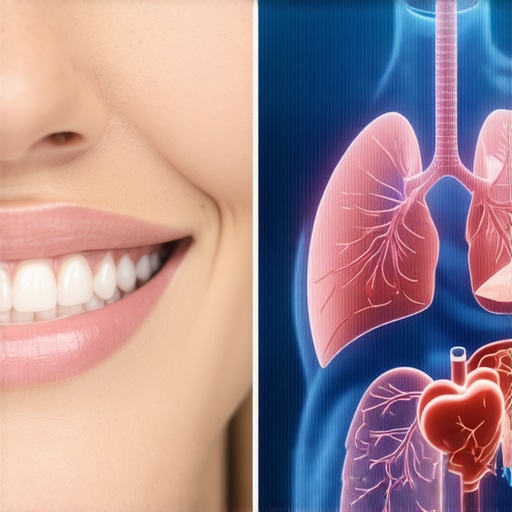
  • The connection between oral health and overall wellness

    The connection between oral health and overall wellness

    It was just another Tuesday afternoon when I caught my reflection in the office window and suddenly saw it—my tired, chalky-looking smile staring back at me. I had always thought my teeth were just about aesthetics, but that day, a strange, nagging thought crept in: could my oral health be silently telling me more about my overall wellness? That lightbulb moment set me on a journey of discovery, transforming how I care for myself and my family. If you’ve ever experienced unexpected gum issues, persistent bad breath, or just a vague sense that something’s not right with your teeth, you’re not alone.

    How Oral Health Opens the Door to Whole-Body Wellness

    Many people overlook the idea that your mouth isn’t an isolated part of your body. Instead, it’s a window into your overall health. Recent research shows that gum disease, in particular, has links to serious conditions like heart disease, diabetes, and even respiratory problems. For years, I dismissed those occasional gum bleeds and pocket infections as minor inconveniences—until I realized they could be signposts of something more serious. That mistake is common, but once I learned to listen to what my mouth was trying to tell me, I started making changes that benefited my entire well-being.

    If you’re like I was, you might wonder, “Is oral health really connected to my body’s health?” Well, the answer is a resounding yes. In fact, chronic inflammation caused by gum disease can increase systemic inflammation, which is a key factor in many chronic illnesses. The mouth is a busy hub of bacteria, and when its natural defenses falter, bacteria can enter your bloodstream, setting off a cascade of health problems. Understanding this connection highlights the importance of regular dental care, not just for a bright smile but for a healthier life overall.

    Have you noticed that your dental issues seem to coincide with other health concerns, like fatigue or skin changes? If so, it may be time to see dentistry as part of your wellness routine. In upcoming sections, I’ll share practical, easy-to-implement steps to improve your oral health and, in turn, boost your overall health. But first, let’s tackle one of the most common doubts that’s kept many from taking action: is all this fuss about oral health truly worth the effort? And what mistakes might be sneaking into your dental routine that do more harm than good? Stay tuned—your journey to better health begins now.

    Master Your Daily Oral Hygiene to Protect Whole-Body Health

    Start by choosing the right toothbrush—consider an electric model if you have sensitive gums, as it can provide more effective cleaning without overstimulation. I once switched to an oscillating electric toothbrush during a weekend I had free, and the difference was immediate—my gums felt healthier, and plaque buildup decreased noticeably. Use it to brush at a 45-degree angle to your gums, mimicking the technique taught in [expert advice on teeth cleaning](https://periodontistcare.com/expert-advice-on-crowns-and-teeth-cleaning-for-lasting-results). Make sure to replace your toothbrush every three months or sooner if the bristles fray.

    Next, integrate flossing into your routine—think of dental floss as a tiny precision tool that targets the tight spaces your toothbrush can’t reach. During my own routine overhaul, I discovered that using a water flosser made flossing more comfortable, especially for family members with braces or sensitive gums. The proper use of these devices can be a game changer. Check out [the proper way to use a water flosser](https://periodontistcare.com/the-best-way-to-clean-teeth-with-traditional-metal-braces) for detailed instructions.

    Implement Regular Professional Cleanings Strategically

    Schedule professional cleanings at least twice a year—more if you’re prone to tartar buildup or gum disease. During one appointment, I watched my hygienist meticulously remove stubborn tartar using ultrasonic scopes, which made immediate improvements in gum health. Regular cleanings not only prevent issues like cavities and periodontal disease but also serve as an early warning system for more serious health conditions, aligning with the concept that oral health reflects overall wellness. To maximize the benefits, inquire about [professional cleaning tips](https://periodontistcare.com/why-a-professional-cleaning-is-necessary-even-if-you-floss) specific to your needs.

    Care for Dental Restorations to Ensure Longevity

    If you have crowns or other restorations, proper maintenance is essential. Use a non-abrasive fluoride toothpaste to prevent decay around the edges, and avoid hard foods that could crack the crown. I once chipped a porcelain crown by biting into a nut, but quick action and following [tips on caring for crowns](https://periodontistcare.com/caring-for-crowns-essential-tips-for-longevity-and-shine) helped restore its look and function without needing immediate replacement. Regular checkups allow your dentist to detect early signs of wear or damage, which can prolong the lifespan of your restorations.

    Adopt Family-Friendly Practices for Consistent Success

    Encourage children to develop good habits early, turning oral care into a game or challenge, like seeing who can brush the longest or the most thoroughly. During my own family’s routine, I introduced a fun timer and celebrated their consistency, which improved overall compliance. Use [family dental tips](https://periodontistcare.com/family-dentistry-focus-building-a-lifetime-of-healthy-smiles) to engage everyone and create a supportive environment. Consistency and positive reinforcement are key to maintaining a long-term healthy smile for every family member.

    Observe and Adapt to Your Oral Environment

    Pay attention to signs of trouble—sensitive spots, bleeding gums, or persistent bad breath—and act swiftly. During a particularly stressful month, I noticed my gums became more swollen, which turned out to be early signs of gingivitis. Using insights from [how to stop gums from receding](https://periodontistcare.com/how-to-stop-your-gums-from-receding-any-further), I adopted a more thorough cleaning routine and improved my diet. Regularly monitoring your oral health helps prevent minor issues from escalating into more serious problems, linking back to the vital connection between mouth and overall health.

    Many assume that visiting the dentist is solely about fixing problems or maintaining a bright smile, but this overlooks crucial nuances that can make or break your oral health. One common misconception is that all dental professionals approach care the same way. However, not every dentist specializes in holistic or preventive strategies. Choosing a practitioner who emphasizes preventive care and understands the interconnectedness between oral health and systemic health can significantly impact long-term outcomes. For example, some practices focus heavily on restorative procedures like crowns without addressing underlying issues, such as gum disease, which can lead to recurrent problems and even systemic complications. To truly benefit from dental care, it’s vital to seek providers who align with your overall health goals.

    Another pitfall many fall into revolves around teeth cleaning. The typical approach of just removing plaque isn’t enough. Effective professional cleanings involve more than calculus removal; they should include evaluating the health of your gums, checking for early signs of decay, and offering personalized advice. Regular cleanings are not just about aesthetics—they’re an essential part of safeguarding your overall wellness. Oversimplifying this process can lead to neglect of early warning signs that, if caught early, could prevent more serious health issues.

    When it comes to crowns, the misconception is that they’re a quick fix with a simple installation process. The truth is, the longevity and success of crowns depend heavily on proper material selection, placement, and post-procedure care. Many people overlook the importance of a meticulous maintenance routine, which can cause premature failure or staining. For instance, neglecting to follow specific aftercare tips may result in decay at the margins or even crown detachment. Visiting a specialist for detailed advice, such as those provided at [caring for crowns](https://periodontistcare.com/caring-for-crowns-essential-tips-for-longevity-and-shine), can extend the life of your restoration.

    A frequently overlooked aspect of oral health is the role of regular, personalized routines. Many believe that brushing twice daily and flossing are enough, but without understanding the nuances—like the proper technique, frequency, or supplementary tools—you might still be leaving your mouth vulnerable. For example, using a water flosser can reach stubborn plaque and reduce inflammation more effectively for certain individuals, especially those with braces or sensitive gums. A tailored routine that considers your specific needs can make a profound difference. Check out [oral health routines](https://periodontistcare.com/oral-health-routine-strengthening-your-smile-every-day) for expert tips to optimize your daily care.

    Beware of the trap of assuming that dental issues are isolated. In reality, poor oral health often masks deeper systemic problems. Gum disease, for example, is linked to cardiovascular and diabetic conditions, which many people are unaware of. This connects to the importance of viewing dental visits as integral parts of overall health management, not just aesthetic touch-ups. Regular evaluations can help detect and address concerns before they escalate. As the saying goes, “An ounce of prevention is worth a pound of cure.” Investing time and effort in understanding these nuances elevates your dental care from routine maintenance to a powerful tool for holistic health.

    Have you ever fallen into this trap? Let me know in the comments below, and share your experiences or questions about navigating the complexities of family dentistry and oral health.Maintaining optimal oral health over the years requires more than just a good brushing habit; it involves using the right tools, regular professional care, and staying ahead of potential issues. One of my top recommendations is investing in an electric toothbrush with oscillating-rotating technology, like the Philips Sonicare DiamondClean. I personally switched to it after experiencing gum sensitivity with manual brushes, and the targeted motion significantly improved plaque removal and gum health. Regular use not only keeps your teeth clean but also stimulates gums and helps prevent issues that could jeopardize your long-term dental success. For routine flossing, I prefer water flossers such as the Waterpik, which I’ve found to be gentler and more effective, especially for family members with braces or sensitive gums. They help reach areas traditional floss may miss and reduce the risk of gum trauma. To keep track of maintenance and appointments, I use dental management apps like Dental Care. This ensures I don’t miss routine cleanings and checkups, which are critical for early detection of problems. As technology advances, I predict a growing integration of smart toothbrushes with AI coaching and real-time feedback, making personal oral care even more effective.

    How do I maintain my oral health tools over time?

    Regularly replacing brush heads every three months, cleaning water flosser nozzles daily, and updating app data are key habits. Also, inspecting devices for wear and tear prevents malfunction. For example, a worn-out toothbrush head becomes less effective, risking plaque buildup. Investing in quality maintenance routines for your tools ensures they perform optimally. In my practice, I recommend that families create a schedule for device cleaning and replacement—much like we do with car maintenance—to ensure long-lasting performance. Moreover, integrating these tools into a comprehensive routine enhances their benefits, which is crucial for sustaining oral health long term. Remember, the quality of your tools directly impacts your results—choosing reliable, proven equipment and maintaining it properly can double the lifespan and effectiveness of your investment. For further insights, check out [the impact of regular teeth cleaning on overall wellness](https://periodontistcare.com/the-impact-of-regular-teeth-cleaning-on-overall-oral-wellness). Don’t forget to try periodically calibrating your electric toothbrush if it offers that feature—this simple step can maintain peak performance and keep your smile shining for years to come. Staying consistent with your maintenance routines and investing in high-quality tools is the cornerstone of lasting oral health.

    3 Surprising Truths That Transformed My Approach to Family Dentistry

    One of the most striking lessons I’ve learned is that effective oral care is not just about brushing away plaque but about understanding the subtle signals my mouth sends about my overall health. I once ignored persistent gum bleeding, dismissing it as minor—until I discovered it could be an early warning sign of systemic issues like diabetes. This realization pushed me to integrate holistic practices, making me more attentive to my body’s interconnected needs.

    Another insight was the importance of choosing quality tools—like an electric toothbrush with proven technology—and maintaining them properly. Regular replacement and cleaning of devices aren’t just routine tasks but essential steps to ensure their effectiveness in protecting my family’s oral and overall health. This emphasis on proactive maintenance has kept us ahead of potential problems.

    Lastly, I uncovered that not all professional cleanings are equal. Finding a dentist who emphasizes prevention and personalized care changed my perception of dental visits from a chore to a health investment. It taught me that selecting the right practitioner can significantly influence long-term wellness and save us from years of avoidable issues.

    Create Your Own Family Dental Success Toolbox

    Over the years, I’ve relied on specific resources that I genuinely trust for maintaining optimal oral health. For starters, [the expert advice on crowns and teeth cleaning](https://periodontistcare.com/expert-advice-on-crowns-and-teeth-cleaning-for-lasting-results) has clarified my understanding of restorative care longevity, guiding me through choosing materials and post-care routines. I also keep a close eye on [oral health routines](https://periodontistcare.com/oral-health-routine-strengthening-your-smile-every-day), which serve as a daily checklist for my family’s habits.

    Books like “The Dental Diet” by Dr. Steven Lin have expanded my knowledge about nutrition’s role in oral and systemic health, reinforcing the importance of diet in longevity. Lastly, online tools like [dental management apps](https://periodontistcare.com/contact-us) help us track appointments, set reminders, and stay committed—turning good intentions into habits.

    Your Bright Future Starts Today

    Embracing these lessons and resources has empowered me to prioritize comprehensive health through mindful family dentistry and oral care routines. Remember, the journey toward lifelong wellness begins with small, consistent steps—each dental checkup, brush, and floss is an investment in your well-being. Don’t wait for problems to surface; take control now and unlock the full potential of your health.

    What was the most eye-opening discovery you’ve made about oral health? Share your stories below—I’d love to hear how your perspective has changed!

    ,
  • How to tell if your gums are healthy or just pale

    How to tell if your gums are healthy or just pale

    It happened in the middle of brushing my teeth one morning, and I nearly panicked. There I was, gazing into the mirror, noticing my gums looked a little paler than usual. Was it just a trick of the light, or was something more concerning happening? That moment sparked a whirl of questions—how do I tell if my gums are healthy or if that pale hue signals trouble? If you’ve ever experienced something similar, you’re not alone. Many people overlook their gum health, assuming everything’s fine until there’s a problem. But the truth is, your gums can tell you a lot about your overall oral health—if you know what to look for.

    Recognizing the Signs of Healthy Gums

    Healthy gums are usually a soft, pink color, firm to the touch, and fit snugly around your teeth. They shouldn’t bleed when you brush or floss, and there shouldn’t be any swelling or redness. But what about when they look pale or whitish? Sometimes, a slight change in coloration can be normal, especially if you’re in a certain health condition or after treatments like crowns. However, a persistent pale appearance could be a warning sign of anemia, or other health issues impacting blood flow and oxygen levels. If you’ve noticed that your gums suddenly look paler than usual or have concerns about their color, it’s worth paying attention and consulting with your dentist.

    The Power of Your Gums

    Your gums act as the foundation for your teeth. They protect your roots, keep bacteria at bay, and contribute to your smile’s appearance. Taking good care of your gums isn’t just about fresh breath; it’s about preventing serious issues like periodontal disease, which can lead to tooth loss. Early detection is key, which is why knowing how to identify the signs of healthy versus unhealthy gums can save you from painful, costly procedures down the line. If you’re unsure, don’t hesitate to check with a professional—sometimes what seems minor can be a bigger concern. And speaking of mistakes, I once ignored a slight gum irritation, thinking it was nothing. That oversight led to a more complicated infection. Don’t make the same mistake—trust your instincts and their signals.

    Is Pale Gums Actually Worth the Worry?

    It’s natural to question whether slight changes in gum color are alarming. Many folks dismiss pale gums as nothing serious, especially if they aren’t experiencing discomfort. However, studies show that gum coloration can reflect underlying health conditions, including anemia and circulatory issues (source: National Center for Biotechnology Information). Early awareness can help you seek timely care. Remember, my early mistake was assuming all that mattered was brushing—yet ignoring subtle signs can be a costly error. Recognizing the importance of gum health is the first step—stay tuned as I share practical tips you can start today to evaluate and improve your gum condition.

    Assess Your Gums Like a Pro

    Begin by examining your gums in the mirror. Look for areas that are pale or whiter than usual, and note any swelling, redness, or bleeding during brushing or flossing. Use a clean finger or a soft toothbrush to gently feel the gum line. Healthy gums should feel firm and snug around your teeth—not puffy or tender. I remember a time I gently ran my finger along my gum line after noticing discoloration; I detected a slight puffiness that I hadn’t noticed visually. That early detection prompted me to improve my oral hygiene routine before issues worsened.

    Master Daily Oral Care Rituals

    Brush Correctly and Effectively

    Use a soft-bristled toothbrush and gentle circular motions to clean all surfaces of your teeth. Don’t press too hard; think of brushing like using a paintbrush—gentle but thorough. Replace your toothbrush every three months or sooner if the bristles fray, as worn brushes are less effective. I once tried to extend the use of an old brush—the result was missed plaque buildup, leading to gum irritation. Regularly switching brushes is like changing the paintbrush before it loses its stiffness; it ensures cleaner results.

    Floss with Precision and Care

    Slide the floss gently between your teeth, curving it around each tooth in a C-shape, and glide it beneath the gum line. This removes plaque and food particles that brushing alone can’t reach. Be cautious not to snap the floss, which can injure delicate gum tissue. I recall a messy attempt where I pulled too hard; it caused some bleeding, but that taught me to be gentler. Proper flossing transforms plaque control from a chore into a vital step for gum health.

    Incorporate Advanced Cleaning Tools

    Consider using interdental brushes or water flossers if traditional flossing feels difficult. These devices can be especially helpful around crowns, braces, or bridges. For example, I started adding a water flosser to my routine, which made cleaning around my crowns significantly easier and more effective. Regular use enhances gum health and prevents plaque accumulation that can lead to inflammation or shrinkage.

    Pay Attention to Your Dental Restorations

    If you have crowns, monitor them for signs like looseness, discoloration, or swelling around the margins. Crowns can trap plaque underneath if not properly maintained, jeopardizing surrounding gum tissue. I once neglected to clean thoroughly around a crown, leading to early gum recession. To keep crowns in top shape, clean them as you would your natural teeth, and visit your dentist regularly for professional assessments. Follow these maintenance tips to prolong their lifespan and support healthy gums.

    Schedule Consistent Dental Check-Ups

    Regular visits—typically every six months—allow your dental professional to evaluate your gum health and catch issues early. During appointments, ask your hygienist to assess your gum line, look for signs of inflammation or recession, and perform professional cleaning to remove tartar buildup. I personally schedule my appointments three months apart, aligning with my cleaning routine, which keeps my gums in check and prevents surprises. These visits are like routine checkups for your car—preventive maintenance saves money and effort in the long run.

    Adapt Your Lifestyle for Better Results

    A balanced diet rich in vitamins C and D supports gum tissue repair and immune function. Reduce sugary snacks and drinks that feed harmful bacteria. Also, avoid tobacco products, which impair blood flow and slow down healing. I reduced my sugar intake after noticing my gums didn’t recover well after minor irritations—within weeks, my gum tissue showed marked improvement. Small lifestyle changes can make a big difference in how healthy your gums look and feel.

    Many believe that brushing twice a day and flossing regularly are enough to ensure perfect oral health, but the reality is more nuanced. A common misconception is that all dental products are equally effective, yet the choice of toothbrush, toothpaste, and even flossing techniques can dramatically influence outcomes. For instance, using a medium or hard-bristled toothbrush may seem effective, but it can actually cause gum recession over time, especially if combined with aggressive brushing. Advanced research indicates that soft-bristled brushes paired with proper technique are more beneficial for long-term gum health (source).Maintaining optimal oral health requires more than just daily brushing and flossing; it demands the right tools that enhance your routine and ensure long-term success. One of my favorite investments is the SonicSmile Pro electric toothbrush. Its oscillating head delivers 40,000 micro-movements per minute, effectively removing plaque even in hard-to-reach areas around crowns and dental work. The built-in pressure sensor alerts me if I brush too hard, protecting my gums from recession—a common mistake with manual brushes. For polishing hard-to-clean spots, I rely on the ProCare interdental brushes, designed with ultra-soft bristles that glide gently but thoroughly between teeth, often reaching areas traditional floss misses. These brushes have transformed my approach to interdental cleaning, especially around crowns and bridges, where debris tends to accumulate.

    Lessons from the Frontlines of My Dental Journey

    One of the most eye-opening lessons I’ve learned is how easily we dismiss subtle signs of gum health, assuming minor changes are benign. I once ignored a faint discoloration, thinking it was nothing—only to realize it was an early warning of underlying issues. Trusting your instincts and paying close attention to minor signals can prevent larger problems down the line.

    Another revelation was how crucial proper tools are—using a soft toothbrush and gentle techniques made a significant difference in maintaining healthy gums. Investing in the right interdental brushes and water flossers transformed my daily routine from a chore into a protective ritual that supports long-term oral health.

    Finally, I discovered that consistency outweighs intensity. Regular dental check-ups and daily habits tailored to my needs provided peace of mind and a brighter, healthier smile. Your gums are more than just tissue—they’re the storytellers of your overall health. Listening carefully to what they reveal can be your best investment in oral wellness.

    Tools and Resources That Changed My Approach

    If you’re serious about understanding and caring for your gums, I recommend these essential tools: professional cleanings set the foundation, while a quality electric toothbrush ensures effective daily cleaning. For advanced interdental cleaning, I rely on water flossers, which make a noticeable difference. Additionally, reading materials like family oral health tips can deepen your understanding and motivate better habits.

    Keep Your Smile Bright—Your Gums Will Thank You

    Taking action to decode your gums’ messages isn’t just about aesthetics—it’s about safeguarding your overall health and confidence. Remember, every small step you take today can prevent discomfort and costly dental procedures tomorrow. So, embrace your role as your own oral health advocate and start listening to what your gums are telling you. Are you ready to become more aware of your gum signals and make proactive changes? Share your experiences or questions below—your journey to healthier gums begins now!

    ,

  • The real reason your tooth hurts only when you bite down

    The real reason your tooth hurts only when you bite down

    I vividly remember the moment I realized my tooth was suddenly sensitive whenever I bit down. It wasn’t a sharp, stabbing pain like you see in horror movies—more like a weird, lingering discomfort that made every bite feel like a mini punishment. At first, I thought it was just my imagination or maybe some food caught in a tricky spot. But as days went by, the pain intensified, and I knew something wasn’t right. That lightbulb moment—when I finally understood there was a real problem—marked the start of my journey toward uncovering the root cause.

    The Hidden Culprit Behind That Biting Sensitivity

    If your tooth only hurts when you bite down, you’re not alone. It’s a surprisingly common issue, and while it might seem minor or temporary, it can be a sign of underlying dental problems that need attention. The good news is, once you identify the cause, there are effective ways to address it and prevent future discomfort.

    Think of your teeth like tiny, hardworking soldiers—each with its mission to keep you smiling confidently. When one starts acting up, especially when biting, it often signals a deeper issue, like a cracked tooth, a failing dental crown, or even gum disease. Early on, I made the mistake of ignoring the discomfort, thinking it would just go away. But in truth, this common oversight can lead to bigger problems, including infections or irreversible damage. Trust me, understanding the root cause is crucial.

    To get a clearer picture, I dove into expert advice and research—I learned that issues like cracked teeth or bite misalignments can often be solved with simple dental interventions. For example, a damaged crown can cause uneven pressure, leading to pain when biting. This is why regular dental check-ups are so vital—they help discover these issues before they escalate. Interested in the role of crowns? Check out [this article](https://periodontistcare.com/understanding-the-role-of-crowns-in-modern-smile-makeovers) to see how they can be a game-changer.

    If you’ve experienced similar discomfort, don’t brush it off. It could be something as straightforward as needing an adjustment or replacing a crown, or something needing more serious attention. Either way, addressing it early preserves your dental health and your peace of mind.

    Now that I’ve set the stage, let’s explore how you can pinpoint the exact cause of your biting pain and what steps to take next to keep your smile healthy and pain-free.

    Inspect Your Teeth and Bite at Home

    Start by examining your teeth for visible cracks or chips. Use a mirror and a bright light, and gently tap along the tooth surface with your fingernail or a soft toothbrush to feel for rough spots or sharp edges. Remember, a cracked tooth can cause pain when biting down, similar to biting on a hard shell. During my own experience, I carefully ran my tongue along the suspect tooth and noticed a tiny crack that wasn’t visible but felt sharp. This first step helps identify if a physical flaw is causing the sensitivity.

    Record When and How the Pain Occurs

    Keep a symptom diary. Note if sensitivity happens only with certain foods, like cold drinks, or during specific activities. This can reveal if the issue is linked to temperature, pressure, or exposure to certain substances. For example, I realized my pain intensified after eating ice cream, pointing to possible enamel erosion. Detailed records guide your dental professional in diagnosing the root cause accurately.

    Schedule a Professional Dental Examination

    Booking an appointment promptly is key. A dentist will perform a thorough exam, often involving X-rays, to identify underlying problems like decay, gum recession, or failing restorations. Think of this as calling in a specialist mechanic when your car has intricate issues. I once visited my dentist after noticing persistent pain, and they identified a tiny decay under a crown that hadn’t shown up in visual inspection. Early detection prevents more extensive damage and pain.

    Assess the Condition of Existing Crowns and Restorations

    Loose or damaged crowns can shift bite forces and cause pain—similar to a misaligned puzzle piece. If you have crowns, check if they’re still firmly attached and free of cracks. For instance, I found my crown was slightly loose, which could have led to further issues if left untreated. Use your tongue or a clean finger to gently test for looseness. If there’s any wobble or gap, see your dentist urgently.

    Practice Proper Oral Hygiene with Gentle Techniques

    Effective brushing and flossing are essential, but aggressive cleaning can worsen gum recession or crack delicate enamel. Use a soft-bristled toothbrush and gentle strokes, especially around sensitive areas. Incorporate desensitizing toothpaste, which helps build a barrier against stimuli. I personally switched to a sensitive formula and practiced brushing with lighter pressure, which eased my discomfort over time.

    Avoid Aggravating Factors

    Until your issue is addressed, steer clear of foods or drinks that trigger pain. Hot, cold, sweet, or acidic items can irritate these vulnerable areas. For example, I paused my ice-cold beverages and sticky candies, noticing immediate relief. This simple step can prevent worsening of the problem while you arrange professional care.

    Explore Long-Term Solutions with Your Dentist

    Depending on the diagnosis, treatment options vary. Repairing a crack might involve dental bonding or crowns, while decay removal restores health. For instance, my dentist suggested replacing an old crown with a newer, better-fitting one—more durable and less prone to causing pressure pains. Regular maintenance and check-ups are vital to keep your bite comfortable and your teeth healthy. For insights on maintaining crowns, see caring for crowns.

    Many people believe that brushing more vigorously or frequently makes their teeth cleaner, but in reality, this can harm your enamel and gums. Overbrushing, or brushing with too much pressure, can lead to gum recession and increased sensitivity, undermining long-term oral health. Instead, focus on gentle, effective techniques and consult your dentist for personalized advice. Conversely, some assume that getting dental crowns is a simple, low-maintenance fix; however, improper care can shorten their lifespan. For example, neglecting to avoid certain foods or failing to maintain hygiene around crowns can cause staining, decay at the margins, or even crown failure. Regular professional check-ups and adhering to specialist tips—like those outlined in [this guide](https://periodontistcare.com/caring-for-crowns-essential-tips-for-longevity-and-shine)—are vital.

    A common myth is that family dentistry doesn’t require individual attention for each member. In truth, even within a family, each person’s oral health needs differ, demanding tailored strategies. For example, children’s emerging teeth and adults’ aging gums pose different challenges, making personalized family dental plans essential, as discussed in [family dentistry focus](https://periodontistcare.com/family-dentistry-focus-building-a-lifetime-of-healthy-smiles).

    Advanced dental issues also have nuanced considerations. Misapplying whitening products or using abrasive toothpaste can damage sensitive teeth or existing restorations. A notable mistake is assuming natural teeth whitening always benefits crowns; since crowns and veneers do not whiten, misusing whitening agents can cause uneven coloration. To avoid this, seek professional guidance, and explore options suitable for your dental work, as explained in [this expert advice](https://periodontistcare.com/expert-advice-on-crowns-and-teeth-cleaning-for-lasting-results).

    Now, let’s address a question that often stumps even seasoned dental patients: “Why do some crowns require special cleaning routines?” Well, unlike natural teeth, crowns, particularly porcelain ones, are susceptible to staining and damage if not cared for properly. Using abrasive cleaners or neglecting flossing around crowns can lead to plaque buildup and gum issues, potentially compromising both the crown and surrounding tissue. The key to longevity and health is in targeted maintenance, as outlined in [caring for crowns](https://periodontistcare.com/caring-for-crowns-essential-tips-for-longevity-and-shine).

    Remember, the nuances in dental care are vital for achieving lasting results. Simplistic approaches often overlook these subtleties, leading to preventable problems down the line. Stay informed and work closely with your dental professional to craft a comprehensive, tailored routine.

    Have you ever fallen into this trap? Let me know in the comments.Maintaining your dental health and the longevity of treatments like crowns requires more than just regular brushing. Invest in high-quality, electric toothbrushes like the Oral-B Genius X, which uses AI to customize cleaning modes based on your brushing habits, ensuring thorough plaque removal without damaging delicate enamel. Pair this with a water flosser, like the Waterpik Aquarius, to reach areas traditional floss can miss, especially around crowns and bridges, reducing plaque buildup and preventing gum disease. For long-term results, incorporating a clinician-approved desensitizing toothpaste such as sensodyne on a routine basis helps reinforce enamel around vulnerable areas, especially after crown placement. Regular professional cleanings, scheduled every six months, are essential to catch issues early—such as early crown wear or decay beneath restorations—saving you from costly repairs later. As advances in dental technology continue, digital intraoral scanners, like the iTero, facilitate precise monitoring of your oral health over time, providing visual progress reports that motivate adherence to care routines and enable early intervention. Looking ahead, the integration of AI-driven diagnostics will likely revolutionize personalized dental maintenance plans, enabling proactive prevention tailored specifically to your oral health profile.

    How do I maintain my crowns and restorations over time?

    To ensure your crowns last as long as possible, avoid using hard objects like nails or tools on your teeth, and refrain from abrasive cleaners that can erode porcelain surfaces. Regularly check for any signs of loosening or discoloration, and consult your dentist promptly if you notice issues; early intervention can prevent more extensive repairs. Keep detailed records of your dental treatments and visits, which can be invaluable if you need to address future complications or transfer care to a new provider. For expert insights on caring for crowns, check out these tips for maximizing your restorations’ lifespan. Incorporating these tools and practices into your routine can help ensure a healthy, functional, and beautiful smile for years to come.

    Lessons That Changed How I Approach My Oral Health

    One of the biggest surprises I learned was how subtle signs like minor cracks or loose crowns can lead to significant pain if overlooked—reminding me to stay vigilant with regular checks. I realized that trusting dental professionals to catch these issues early can save a lot of discomfort and money in the long run. Lastly, I discovered that the quality of daily oral habits, like gentle brushing and proper flossing, directly impacts the lifespan of crowns and overall health—it’s not just about quick fixes but consistent care.

    Tools and Reads That Transformed My Smile Routine

    My go-to resources include this detailed guide on crown maintenance which offers actionable tips for longevity. The comprehensive article on crowns’ role in smile transformation helped me appreciate the importance of choosing the right restoration. For daily routines, I rely on this family-friendly oral health outline that keeps the entire household’s smiles bright and healthy. These sources have become my trusted companions in sustaining a healthy, confident smile.

    Your Next Step in Achieving Dental Confidence

    Investing in your oral health today empowers you to enjoy a lifetime of pain-free biting and radiant smiles. Remember, proactive care, regular check-ups, and trusted resources are the keys to maintaining your crowns and overall dental wellness. Take charge now—your future self will thank you for the efforts you make today. Keep learning, stay consistent, and don’t hesitate to seek professional guidance—your healthier, happier smile awaits.

  • How to tell if you have a cavity between your teeth

    How to tell if you have a cavity between your teeth

    It was a moment I won’t forget—sitting in my bathroom, toothbrush in hand, realizing I had this strange, almost fuzzy feeling between my teeth that I just couldn’t ignore. It was the kind of discomfort that sneaks up slowly, making you wonder if it’s all in your head, until one day, you actually feel something. That lightbulb moment made me question: am I really paying enough attention to these tiny, often overlooked spaces?

    Why Spotting a Cavity Between Your Teeth Matters More Than You Think

    Sometimes, cavities hide in the smallest places, like between our teeth, where a regular toothbrush might not reach easily. Ignoring this nagging feeling can lead to more serious problems—like pain, infection, or even tooth loss. Early detection isn’t just about preventing discomfort; it’s about safeguarding your overall oral health and saving money in the long run. Did you know that studies show that nearly 30% of cavities develop in between teeth, where visual checks are nearly impossible without proper tools? (Source: Periodontist Care)

    I remember making a common mistake early in my dental journey—assuming that just because my teeth looked fine, everything was okay. It took a few uncomfortable sensations and a visit to my dentist to realize that small signs can be major indicators. That’s why understanding how to recognize the symptoms of a cavity between your teeth could save you from pain and costly treatments.

    So, how do you tell if that weird feeling or bump is worth worrying about? Let’s dive into the simple signs and practical tips to help you identify this sneaky dental issue before it gets worse. And trust me, once you get the hang of it, you’ll be empowered to take better care of your smile every day.

    Start with a Close Inspection of Your Mouth

    Begin by examining the areas between your teeth when you brush or check with a mirror. Look for any bumps, dark spots, or rough patches indicating decay. Remember, cavities between teeth often hide behind the contact points, making visual checks tricky—use a flashlight and a mirror for better visibility. I once noticed a tiny dark spot between my molars after thoroughly inspecting my mouth post-brushing, which prompted a timely visit to my dentist.

    Feel for Unusual Sensations or Bumps

    Gently run your tongue along your gum line and between your teeth. Any sensitivity, roughness, or unexpected bumps could signal early decay. Tactile feedback can reveal issues invisible to the eye. For example, I felt a slight bump while flossing, which turned out to be a small cavity that needed attention. Use floss to detect the area—you might feel a roughness or catch on a cavity, prompting a more thorough investigation.

    Use Proper Tools for Precise Detection

    Employ dental floss correctly—slide it gently between your teeth, hugging the sides, to check for stickiness or debris buildup. Try interdental brushes if needed for better cleaning in tight spaces. A water flosser can also dislodge particles and help identify problem areas. During my routine, I started incorporating interdental brushes, which made it easier to spot food debris stuck in between, occasionally hinting at underlying decay.

    Watch for Symptoms Beyond Visual Cues

    Pay attention to sensations like sensitivity to hot, cold, or sweet foods when biting down. Bumps or rough patches can cause discomfort. When I experienced a lingering sensitivity after eating ice cream, I knew there might be a cavity developing in an overlooked spot. Addressing these early signs prevents larger problems later.

    Schedule Routine Dental Cleanings

    Regular professional cleanings are crucial—dental hygienists can detect hidden issues, including cavities between teeth that are hard to spot at home. Think of it like a tune-up for your vehicle; professionalism catches what you might miss. I make it a point to visit my dentist every six months, which has helped catch emerging cavities early, saving me from pain and costly procedures. Regular cleanings also promote overall oral health, reducing plaque buildup that accelerates decay. For comprehensive advice tailored to your family’s needs, check out family dentistry.

    Use Fluoride and Sealants as Preventative Measures

    Applying fluoride treatments and dental sealants strengthens enamel and acts as a barrier against decay in hard-to-clean areas. Talk to your dentist about these options, especially if you’re prone to cavities. I once received a fluoride varnish during a check-up, which made my teeth more resistant to decay—an easy step with long-term benefits.

    Maintain a Consistent Oral Hygiene Routine

    Brush at least twice daily with a fluoride toothpaste, making sure to reach between teeth with floss or interdental brushes. Incorporate mouthwash if recommended—this helps reduce bacteria and freshen breath. Remember, thorough cleaning disrupts plaque formation that causes cavities. I adjusted my routine by adding a water flosser, which improved my interdental cleaning and helped prevent issues between my teeth.

    Stay Mindful of Dietary Choices

    Limit sugary and acidic foods and beverages that erode enamel or promote bacteria growth. Opt for water, crunchy vegetables, and dairy products which support oral health. When I reduced my soda intake and increased cheese consumption, I noticed less sensitivity and fewer spots of concern during check-ups.

    Even seasoned dental professionals acknowledge that misconceptions about crowns, oral health, family dentistry, and teeth cleaning persist among the public. Many believe that getting a crown means a one-and-done solution, but the reality is more nuanced. In truth, improper placement or neglecting maintenance can shorten the lifespan of a crown significantly, with some studies indicating that nearly 30% of crowns fail within five years due to preventable issues like decay beneath the prosthetic. This highlights the importance of understanding that a dental crown is not just a cosmetic fix but a functional component requiring ongoing care.

    Moreover, there’s a common myth that aggressive brushing can prevent cavities and gum disease, but overbrushing—especially with a hard-bristled brush or excessive force—can damage enamel and gums over time. Experts suggest that brushing should be gentle and thorough, emphasizing technique over brute force. Regular professional cleanings are often underestimated; many assume that daily brushing suffices, yet professional cleanings remove tartar and plaque in hard-to-reach areas, reducing the risk of cavities and periodontal disease. In fact, a study published in the Journal of Periodontology confirms that consistent cleanings dramatically decrease the incidence of gum recession and bone loss.

    Are Dental Sealants Only for Kids? Think Again

    Another mistake is believing that sealants are exclusively for children. While they are highly effective in preventing decay in young, developing teeth, adults with areas prone to cavities can also benefit from sealants. The misconception that sealants only have a temporary lifespan leads some to ignore their potential benefits. Properly applied, sealants can last over a decade when maintained correctly, creating a protective barrier against acids and bacteria. According to the American Dental Association, adults with recurring decay or those at high risk for cavities should consider sealants as part of their comprehensive oral health plan. Expert advice on crowns and teeth cleaning emphasizes that the longevity of these treatments depends heavily on routine maintenance and lifestyle choices.

    Now, let’s address a trap many fall into—neglecting the importance of personalized dental care. A one-size-fits-all approach neglects individual risk factors, such as dry mouth, diet, or genetic predispositions, which influence cavity development and crown longevity. Knowing your unique needs allows your dental team to craft a tailored plan, ensuring that interventions like fluoride treatments or specialized cleaning schedules are effective. Failing to do so can lead to premature failures and unnecessary expenses. Having been through my own share of upgrades and corrections, I strongly recommend consulting with your dentist about personalized strategies that align with your lifestyle and health status. Effective home practices for family dental health include customized routines designed for different age groups and risk levels, highlighting that personalized care is more than just a trend—it’s crucial for lasting oral health.

    In conclusion, digging beneath the surface of common dental beliefs reveals both myths and overlooked nuances that can impact your results and health. Always remember: proper technique, ongoing maintenance, and personalized strategies are your best allies in achieving a healthy, confident smile. Have you ever fallen into this trap? Let me know in the comments.

    Tools That Keep Your Smile Healthy and Bright

    Investing in the right dental tools can make a significant difference in your oral health routine. Personally, I swear by my Sonicare DiamondClean Electric Toothbrush because of its sonic technology, which generates up to 62,000 brush strokes per minute, ensuring deep cleaning that manual brushes can’t match. The timer helps me brush for the full two minutes, and its multiple modes allow for gentle cleaning or gum massaging, tailored to my needs.

    For interdental cleaning, I rely on Waterpik Ultra Water Flosser. Its customizable pressure settings and angled tip reach into those tricky spaces between teeth—areas often neglected with traditional floss. Regular use reduces plaque buildup and helps prevent cavities, especially in hard-to-reach spots around crowns or braces. As I incorporate this tool into my routine, I notice fewer issues during my check-ups, and my breath stays fresher longer.

    The Power of Consistency and Proper Technique

    While having advanced tools is beneficial, their effectiveness hinges on consistent and correct usage. For example, using a soft-bristled brush at a 45-degree angle to your gums minimizes enamel erosion and gum irritation. Combining this with the daily oral health routine emphasizes that technique rivals tool sophistication in importance.

    Maintaining Equipment for Peak Performance

    Regularly replacing toothbrush heads every three months or after noticeable wear ensures optimal cleaning. For electric devices like my Waterpik, descaling monthly prevents mineral buildup that could hamper performance. Clean your flossing devices and replace them as recommended to prevent bacterial contamination. These small maintenance steps preserve device longevity and safeguard your oral health.

    Future Trends in Dental Maintenance

    Emerging technologies, such as AI-powered toothbrushes that track brushing patterns and suggest improvements, promise to personalize oral care further. Portable diagnostic devices capable of analyzing saliva for early signs of decay or disease are also on the horizon, offering proactive, at-home monitoring. Embracing these innovations can keep you ahead in maintaining your smile’s health—think of them as the next generation of your dental toolkit.

    How do I keep my dental tools effective over the long term?

    Maintain your devices by following manufacturer instructions, regularly replacing parts, and keeping them clean. Using the correct technique with these tools maximizes their benefits and prevents damage. Additionally, scheduling professional cleanings, like the regular dental cleanings, ensures your tools support a comprehensive, long-lasting oral health strategy. Remember, a well-maintained toolkit combined with expert care leads to a healthier, more confident smile for years to come. Why not start today by re-evaluating your cleaning equipment, ensuring everything works optimally?

    3 Lessons No One Told Me About Maintaining Crowns and Family Dentistry

    One unexpected insight I learned is that even high-quality crowns need consistent maintenance—forgetting this can lead to premature failure. I used to think a crown was a set-and-forget fix, but regular check-ups revealed tiny issues that, left unaddressed, could cause bigger problems. Another lesson revolves around understanding the importance of personalized oral hygiene routines—what works for one person might not suit another, especially with different family members and health backgrounds. Lastly, I realized early on that neglecting routine teeth cleaning isn’t just about aesthetics; it impacts your entire oral ecosystem, influencing gum health and the longevity of restorations like crowns. These lessons transformed how I prioritize my dental care, emphasizing that maintenance and awareness are key to a healthy, confident smile.

  • Why your mouth burns after using certain mouthwashes

    Why your mouth burns after using certain mouthwashes

    Have you ever scrubbed your teeth with what seemed like a soothing mouthwash, only to be greeted with an unexpected fiery sensation? That sharp, burning feeling can catch you off guard, turning a simple dental routine into a discomforting ordeal. I vividly remember a time when I was diligently trying to freshen my breath before work, only to be met with an intense burning that lingered long after swishing. At first, I thought it was just a temporary irritation, but it kept happening, and I couldn’t ignore it any longer.

    Why does some mouthwash leave my mouth feeling like I’ve lit a fire?

    Is this common or should I be worried?

    This burning sensation isn’t just a quirk—it’s a fairly common reaction that many people experience. The primary culprit often turns out to be alcohol-based mouthwashes. These formulations can strip away natural protective layers in the mucous membranes, leading to that uncomfortable fiery feeling. Interestingly, some ingredients, like menthol or certain detergents, can also trigger or intensify this sensation, especially if your oral tissues are already sensitive.

    Early on, I made the mistake of dismissing my reactions as mere sensitivity, brushing it off as a minor issue. But as symptoms persisted, I realized I was neglecting a vital aspect of oral health. Overusing harsh mouthwashes can sometimes do more harm than good, especially if they’re not suited to your individual needs. According to dental health experts, regular use of irritating ingredients can lead to chronic inflammation or even mouth ulcers. It’s a lesson I learned the hard way and one I hope to save you from.

    Fortunately, there are alternatives and strategies to keep your mouth feeling fresh without the fiery aftermath. But first, let’s explore why this happens and what mistake I initially made that might resonate with you.

    Switch to Gentle Alternatives for a Comfortable Mouthwash Experience

    During my own journey to better oral health, I realized that replacing harsh mouthwashes with gentler options made a huge difference. Start by choosing alcohol-free mouthwashes that contain soothing ingredients like aloe vera or chamomile. When I first tried this, I began swishing for shorter periods, around 30 seconds, and noticed the fiery sensation diminished significantly. For instance, I poured a small amount into a cup, swished gently, and ensured I didn’t rinse too vigorously, which helped my mucous membranes stay calm.

    Implement Proper Oral Hygiene Rituals Beyond Mouthwash

    Brush Effectively with the Right Technique

    Using a soft-bristled toothbrush, I learned to brush in gentle circular motions, avoiding harsh scrubbing that can irritate sensitive tissues. I replaced my toothbrush every three months and paid special attention to my back molars—areas where plaque and food can accumulate unnoticed—just like the detailed cleaning recommended in teeth cleaning secrets for family dental health. This practice helped prevent buildup that could aggravate sensitivities.

    Floss with Precision and Care

    I discovered that flossing using a gentle, back-and-forth motion to slide between teeth avoids damaging delicate gum tissues. Flossing daily, especially before bedtime, removes trapped debris and reduces the need for aggressive cleaning. When I first started, I found that using a waxed floss made sliding easier, reducing discomfort and making the routine more consistent.

    Address Existing Dental Restorations Carefully

    If you have crowns or other restorations, maintaining their integrity is crucial. Regular inspections, especially if you notice sensitivity or discomfort, prevent issues from worsening. For example, I learned that using a Water Flosser with appropriate pressure settings effectively cleans around crowns without disturbing them, as detailed in deep cleaning techniques for family dentistry. This method minimizes irritation and preserves your restorations’ longevity.

    Use Products Designed for Sensitive Tissues

    To further ease discomfort, I switched to toothpastes formulated for sensitive mouths that contain potassium nitrate or strontium chloride. These ingredients help block the nerve signals that cause pain or burning sensations. Applying a small amount of fluoride gel post-brushing can also strengthen enamel and protect tissues, aligning with recommendations in daily oral health routines for family smiles.

    Regular Dental Checkups Make a Real Difference

    Scheduling routine visits with my dentist allowed early detection of any issues that might cause irritation or discomfort. Professional cleanings help remove tartar and plaque buildup that can worsen sensitivity. I recommend visiting your family dentist at least twice a year, as emphasized in the importance of regular dental cleaning. These visits also give your dentist a chance to recommend personalized solutions tailored to your oral health needs, such as specific mouthwashes or treatments to minimize burning sensations.When it comes to maintaining your family’s oral health, many people rely on popular misconceptions that can undermine their efforts. Contrary to the widespread belief that frequent professional cleanings alone guarantee a healthy mouth, the true secret lies in a comprehensive routine that includes proper home care and understanding individual needs. For example, many assume that all dental restorations, such as crowns, require no special attention post-Placement, but in reality, neglecting regular maintenance can shorten their lifespan and compromise your overall oral health. According to a recent study published in the Journal of Dental Research, patients who incorporated targeted cleaning around crowns experienced significantly better outcomes, emphasizing the importance of tailored care .

    One common misconception is that teeth whitening procedures are suitable for everyone. However, in my experience, individuals with sensitive gums or underlying restorations like crowns need specialized guidance to avoid adverse reactions or uneven results. Many often overlook that certain whitening agents can weaken restorations, leading to discoloration or damage. An advanced mistake I frequently see is ignoring the role of regular checkups in preventing costly repairs. Scheduling routine evaluations helps detect early signs of decay or crown issues that might otherwise develop into serious problems. Trust me, proactive maintenance is far more effective than reactive repairs, as detailed in .

    Why do some professional cleanings fail to prevent future problems even when done regularly?

    This question points to a nuanced understanding often missed: not all cleanings are equal. The proficiency of the hygienist, the tools used, and post-cleaning care all influence long-term success. For instance, overzealous scaling without considering the health of surrounding tissues can inadvertently cause micro-tears or gum recession, especially around existing crowns. An expert’s touch ensures that cleaning enhances tissue health without causing harm. It’s like fine-tuning a complex machine—regular care requires targeted, gentle adjustments. To maximize your treatments, consider reading more about effective cleaning strategies at .

    Additionally, many forget about the importance of understanding the role of crowns beyond aesthetics. Proper maintenance of crowns involves more than just brushing; it requires attention to the underlying tooth structure and avoiding habits like biting hard objects which can chip or loosen the restoration. For comprehensive guidance, explore essential tips for crown longevity.

    Are you still skeptical about the importance of personalized dental care plans? The reality is that each family member’s needs vary based on age, existing restorations, and lifestyle factors. Jumping to one-size-fits-all solutions rarely yields the best results. Investing in tailored advice from your family dentist can save you from costly setbacks down the road. For actionable tips, see . Want to ensure your family’s smiles last a lifetime? Don’t fall prey to myths—embrace a nuanced approach grounded in expert knowledge and personalized strategies. Have you ever fallen into this trap? Let me know in the comments.

    Keep It Working: Essential Tools for Lasting Oral Health

    Maintaining healthy teeth and gums over the years requires more than just good habits; it depends heavily on the right tools and techniques. As someone deeply invested in family dentistry, I’ve found that selecting the proper equipment can significantly enhance your daily routine and preserve the longevity of crowns, teeth cleaning, and overall oral wellness. Today, I want to share the specific tools I personally recommend and why they stand out in my practice.

    The Electric Toothbrush: Precision and Gentle Cleaning

    My go-to is the Sonicare DiamondClean. It combines high-frequency vibrations with gentle yet effective brushing action, which is crucial for sensitive tissues and restorations like crowns. Unlike manual brushes, it ensures consistent coverage and removes plaque more thoroughly, reducing the risk of decay or gum recession around crowns and natural teeth alike. Additionally, the built-in timers help you brush for the recommended two minutes, fostering better habits over time. Regular use of such an advanced toothbrush can prevent long-term issues, including tartar buildup and enamel erosion.

    Water Flossers: Deep Cleaning Without Damage

    For interdental cleaning, I endorse the Waterpik Ultra, specifically because of its adjustable pressure settings. It’s perfect for cleaning around crowns and bridges, where flossing might be challenging or uncomfortable. The pulsating water helps dislodge debris and plaque without risking damage to delicate tissues, unlike traditional flossing methods which, if done aggressively, can cause recession or irritation. Regular water flosser use forms a vital part of my patients’ maintenance routine, especially for those with crowns or other restorations.

    Professional-Grade Mouthrinses: Gentle Yet Effective

    In my practice, I recommend alcohol-free, remineralizing rinses such as those containing aloe vera or xylitol. These provide antimicrobial benefits while soothing sensitive tissues. For added protection, I suggest using fluoride rinses post-cleaning sessions, especially for patients with crowns, to strengthen enamel and prevent secondary decay. Incorporating these into your routine can prevent the fiery sensations from harsh mouthwashes and promote healthier tissue resilience.

    Dashboard Apps and Reminders: Staying Consistent

    Beyond physical tools, I utilize apps like MySmileDirect or dental reminder systems. They help reinforce daily routines and prompt regular checkups. Consistency is key to long-term success, especially when managing complex restorations like crowns or long-term teeth cleaning schedules. Scheduling alerts for professional cleanings—usually twice a year—can catch issues early, avoiding costly repairs later. For tailored advice, explore expert strategies for crown maintenance.

    Future Trends: Smarter, More Connected Care

    The future of dental tools is leaning towards smarter technology. Expect AI-enabled toothbrushes and flossers that adapt to your unique oral anatomy, monitor plaque levels, and provide real-time feedback. Such innovations promise to make home maintenance even more effective and personalized. I encourage you to try integrating advanced tools, like my recommended electric toothbrush or water flosser, into your routine now—before these smart options become the norm.

    How do I maintain tools over time?

    Proper upkeep is crucial for long-term performance. I suggest rinsing devices thoroughly after each use, replacing brush heads every three months, and following manufacturer guidelines for calibration and battery health. Regularly check for wear and tear, and avoid sharing tools with others to prevent cross-contamination. Maintaining your equipment ensures consistent results and protects your investment in your oral health.

    If you’re ready to take your dental routine to the next level, start by upgrading to a quality electric toothbrush and water flosser. They offer tangible benefits in plaque control and tissue health, especially around crowns and restorations. Remember, the combination of high-quality tools and consistent care forms the backbone of long-term oral wellness. For detailed guidance, don’t hesitate to consult your family dentist or visit this resource on crown care.

    Unspoken Truths About Sensitive Smiles That Changed My Outlook

    • I realized that not all ingredients are created equal—what I thought was a minor irritation was actually my body telling me to choose gentler options, saving me from future discomfort.
    • Overusing mouthwashes with alcohol was like playing a risky game; switching to soothing, alcohol-free alternatives became my game-changer, and I wish I had known sooner.
    • Proper technique—like gentle brushing and careful flossing—can make or break your oral comfort; rushing inevitably leads to setbacks, a lesson I had to learn through trial and error.

    My Go-To Tools for a Gentle, Effective Family Dental Routine

    • The Sonicare DiamondClean electric toothbrush has been a reliable partner—its precise vibrations remove plaque effectively while being gentle on sensitive tissues.
    • The Waterpik Ultra water flosser with adjustable pressure is invaluable for cleaning around crowns and bridges without damaging delicate areas.
    • Remineralizing mouthrinses packed with aloe vera and fluoride have helped me maintain oral health without the fiery sensations caused by traditional mouthwashes.
    • My smartphone reminders ensure I stick to regular checkups and maintain consistency, which is crucial for long-term success, especially with restorations like crowns.

    You Can Transform Your Smile Experience Starting Today

    Every step toward a more comfortable, healthy mouth is worth it. Embrace gentle products, proper technique, and smart tools, and watch your confidence grow. Your family’s oral health journey doesn’t have to be a struggle—small changes lead to lasting smiles. Ready to make the switch? Share your experiences or questions below, and let’s grow together in this journey toward better family dentistry and lasting oral wellness.

    ,

  • How to tell if your wisdom teeth are impacted

    How to tell if your wisdom teeth are impacted

    I still remember the first time I felt that odd, persistent pressure at the back of my mouth. It was late at night, and I was biting into an apple when something didn’t feel quite right. That uncomfortable tug, the dull ache—it wasn’t just a fleeting pain. It was a lightbulb moment that made me realize I might be dealing with more than just regular teeth issues. If you’ve ever experienced something similar, you’re not alone. Many people struggle to recognize the signs of impacted wisdom teeth, often mistaking them for minor discomforts or ignoring them altogether.

    Why Impacted Wisdom Teeth Shouldn’t Be Ignored

    Impacted wisdom teeth can cause a host of problems if left unchecked, from misalignment to infections. The tricky part is, your wisdom teeth don’t always announce themselves with obvious pain right away. Sometimes, they hide beneath the gums, causing inflammation and discomfort that’s easy to dismiss. Early detection is key—yet, many overlook subtle clues, risking more serious complications down the line. I once made the mistake of ignoring mild soreness, thinking it would go away. Spoiler alert: it didn’t. Instead, the pain worsened, requiring more invasive treatments later. Don’t make my mistake. Recognizing the signs early can save you discomfort and costly procedures.

    Is It Really Worth Worrying About Impacted Wisdom Teeth?

    Many folks ask whether it’s essential to get prompt treatment for impacted wisdom teeth or if it’s safe to wait. My answer is simple: don’t wait until the pain becomes unbearable. Impacted teeth can lead to infections, cysts, or even damage to adjacent teeth. According to a study published in the National Library of Medicine, impacted wisdom teeth are often silent but can cause significant long-term damage. Knowing what to look for empowers you to take control of your oral health before problems escalate.

    Recognizing the early signs can be tricky—there are common symptoms like swelling, bad taste in your mouth, or even headaches that you might overlook. If you’ve faced persistent discomfort at the back of your jaw, or notice that food tends to get stuck in a mysterious corner of your mouth, these could be red flags. I’ve been there, questioning whether those minor aches deserved attention. Now, I know better. But how do you tell if your wisdom teeth are truly impacted? That’s exactly what I’ll help you decode in the next section, with straightforward tips and personal insights to guide you.

    Detect Early Signs and Prepare to Act

    First, educate yourself on common symptoms like swelling, persistent soreness, or food getting stuck unexpectedly in the back of your mouth. I remember noticing a slight swelling after meals, which I initially ignored. Recognizing these early signs is crucial for timely intervention. Use a mirror to examine the area or schedule a consultation with your dentist for an accurate assessment.

    Establish a Consistent Oral Hygiene Routine

    Implement thorough brushing and flossing around the affected area twice daily. Use an antimicrobial mouthwash to reduce bacteria and inflammation. For instance, I started using an antibacterial rinse I found here, which made a noticeable difference in reducing discomfort during the healing process. Avoid irritating the area with harsh brushing or vigorous rinsing.

    Manage Discomfort with Proper Techniques

    Over-the-counter pain relievers such as ibuprofen can alleviate discomfort, but ensure correct dosage and timing. Applying a cold compress to the outside of your cheek for 15-minute intervals helps numb pain and reduce swelling. When I experienced mild pain, I adhered strictly to these methods, which kept the discomfort manageable. Remember, these are temporary measures; professional evaluation is essential for impacted teeth.

    Adjust Your Diet Strategically

    Opt for soft, cool foods that don’t irritate the affected area. Avoid crunchy, spicy, or hot foods that can exacerbate soreness and inflammation. I switched to smoothies and yogurt during my recovery, which proved soothing and nutritious. Proper nutrition supports healing and maintains your overall oral health. For comprehensive feeding tips that complement your home care, check this guide.

    Maintain Regular Monitoring and Know When to Seek Help

    Set reminders to monitor your symptoms daily. Look for signs such as increasing swelling, prolonged pain, pus, or fever. If any of these occur, contact your dental professional immediately via contact form. During my experience, persistent pain beyond a few days signaled infection, prompting me to seek urgent care, which prevented further complications. Don’t wait—early professional intervention can save you discomfort and expense.

    Integrate Preventive Measures and Follow-Up Care

    Once the impacted tooth is managed, continue with diligent oral hygiene and schedule routine dental visits. Discuss options like crowns or other restorative solutions, as proper sealing and protection prevent future issues. Explore topics like crowns to understand their role in maintaining a healthy smile. Consistent care ensures long-term success and comfort after the initial management.

    When it comes to maintaining our oral health, many of us fall prey to misconceptions that can jeopardize our long-term dental wellbeing. One common myth is that frequent teeth cleaning alone guarantees cavity prevention. However, studies show that improper technique or reliance solely on brushing can leave bacteria behind and cause plaque buildup. For example, aggressive brushing might damage your gums, increasing sensitivity and recession. The key lies in understanding the nuances of effective cleaning rather than just frequency. For deeper insights on proper home hygiene practices, I recommend exploring the secrets of effective teeth cleaning.

    It’s also widely believed that dental crowns are a one-and-done solution. But in reality, many overlook that crowns require ongoing care and maintenance. Poor oral hygiene around crowns can lead to decay, gum disease, or even crown failure. Regular check-ups, proper cleaning, and avoiding hard foods can extend the lifespan of your restorations. For tips on maintaining your crowns, see this guide.

    A less obvious misconception pertains to family dentistry. Some assume that once children have their baby teeth, they no longer need regular dental visits once adult teeth come in. In truth, early family dental care influences lifelong habits and can prevent complex problems later. Regular visits from a young age can catch issues like misalignment or decay early, avoiding invasive procedures over time. For more on building a healthy foundation for your family’s dental health, check out family dentistry insights.

    One sneaky trap is neglecting the subtle signs of declining oral health, such as mild bleeding during brushing—often dismissed as negligible. This oversight can lead to periodontal disease, which has been linked to systemic health problems like heart disease. Identifying warning signs early allows for timely intervention. For an advanced take on this, consider reading about how regular cleaning impacts overall wellness.

    Remember, achieving optimal oral health isn’t just about brushing and flossing. It’s about understanding the complexities, avoiding common pitfalls, and taking a proactive approach. Make sure to stay informed and consult with dental professionals regularly. Have you ever fallen into this trap? Let me know in the comments.Maintaining oral health over time requires the right tools and techniques tailored to your unique needs. Personally, I swear by a combination of advanced electric toothbrushes and professional-grade flossing devices—their precision and effectiveness go far beyond standard brushing. For instance, I use the Philips Sonicare DiamondClean, which provides superior plaque removal and gum stimulation, especially important after crown placements or long-term family dental treatments. Incorporating an antibacterial mouthwash like Listerine’s Zero Alcohol Formula helps reduce bacteria that brushes might miss, giving me peace of mind that I’m tackling plaque at a microscopic level. To manage stubborn plaque around crowns or hard-to-reach areas, I rely on water flossers such as the Waterpik Ultra Water Flosser, which my dentist highly recommends—it’s gentle yet effective, making daily cleaning more thorough without damaging sensitive gums. Looking ahead, I predict the trend toward smart oral health devices will grow exponentially, integrating sensors and app connectivity to monitor your brushing habits and provide real-time feedback. How do I maintain my dental tools over time? I ensure they are replaced or sanitized regularly—brush heads every three months for electric toothbrushes, and water filters are changed monthly. Proper storage is equally vital; I keep my tools dry and in a clean, dedicated space to prevent bacterial buildup. Regularly disassembling and inspecting these devices makes a big difference, especially after long-term use. Don’t forget to schedule professional cleanings at your dentist twice a year, where they employ specialized equipment like ultrasonic scalers that can remove tartar deep beneath the gums—something home tools can’t replicate. For crowns and restorations, adhering to recommended maintenance routines is crucial; I follow guidelines from experts on crown care to ensure longevity. An often-overlooked aspect is knowing when to update your tools—dull toothbrush heads or malfunctioning flossers diminish cleaning efficiency and could harm your gums. Remember, investing in quality tools and maintaining them diligently not only preserves your current dental work but also prevents future issues, saving you time and money. Consider trying a smart toothbrush or a water flosser today—these innovations could revolutionize your daily routine and keep your smile brilliant for years to come.

    Secrets I Learned That No One Tells You About Impacted Wisdom Teeth

    One of the most eye-opening lessons I discovered is that early detection can dramatically change your experience with impacted wisdom teeth. Waiting for obvious pain can lead to more invasive procedures; catching signs like subtle swelling or food traps early can save time and discomfort. Additionally, ignoring minor discomfort often results in bigger issues down the line, emphasizing the importance of listening to those small warning signals. My biggest lightbulb moment was realizing that managing impacted wisdom teeth isn’t just about the teeth themselves but also about maintaining overall oral harmony, which requires proactive habits and regular dental checks.

    Tools and Resources That Make a Difference

    In my journey, I found that effective tools like electric toothbrushes with pressure sensors and quality water flossers significantly boost oral health. I trust this guide on home cleaning strategies because it emphasizes consistency and proper technique, which are crucial when managing impacted teeth. Additionally, scheduling routine dental visits and consulting trusted professionals about crowns and family dentistry helped me stay informed and prepared for any issues that might arise, like potential impact or misalignment. These resources, combined with my personal diligence, made all the difference.

    Embrace Your Dental Journey: Nothing is Too Small

    The most profound motivation I want to share is that no concern is too minor—persistent soreness, unusual tastes, or food getting stuck—are signals your body is sending you. Taking immediate action, such as booking an appointment or adjusting your hygiene routine, can prevent minor problems from escalating. Remember, your oral health is a cornerstone of your overall well-being, and proactive care today will lead to a healthier, happier smile tomorrow. So, don’t hesitate to seek help when needed and stay vigilant about those subtle signs. Your future self will thank you for that extra mile you go today. What’s been your recent experience with wisdom tooth issues? Share below—I’d love to hear your story.

  • Why you might need a night guard for your teeth

    Why you might need a night guard for your teeth

    It was a sleepless night that finally made me realize something was off with my teeth. I woke up with a sore jaw, a dull ache, and this nagging sense that I was unknowingly grinding my teeth in my sleep. At first, I brushed it off as stress—something everyone experiences, right? But as days went on, the discomfort persisted, and I started noticing tiny chips and wear patterns on my crowns. That was my lightbulb moment: I needed to look deeper into my nightly habits.

    Understanding the Hidden Damage of Teeth Grinding

    Many people don’t realize that grinding or clenching their teeth at night—medically known as bruxism—can cause serious damage over time. This isn’t just about waking up tired; it’s about long-term harm to your dental health and overall well-being. The good news? A simple, often overlooked solution is wearing a night guard. Just like I learned the hard way, many of us could benefit from this little device to protect our smiles while we sleep.

    But how do you know if grinding is quietly destroying your teeth? And is a night guard truly worth the investment? Today, I’m going to share my personal experience, and together, we’ll uncover the signs that it’s time to consider protective measures. If you’ve ever woken up with jaw pain or noticed uneven wear on your crowns, keep reading. This could be the crucial step toward saving your smile.

    And by the way, did you know that experts estimate nearly 8% of adults grind their teeth at night, often without even realizing it? That’s a significant chunk of the population risking damage without any obvious signs. Early detection can make all the difference here.

    If you’ve caught yourself in a similar situation—waking up with sore muscles, a headache, or noticing that your dental work looks worn—you’re not alone. The good news is, understanding the risks and solutions can help you avoid costly repairs down the road. Ready to explore how a night guard can be a game-changer for your oral health? Let’s dive into what you need to know to protect your smile and ensure your sleep isn’t silently sabotaging it.

    Identify Your Grinding Habits

    Start by observing any signs like jaw soreness or morning headaches, which are clues you might be grinding. Keep a sleep journal to note patterns or ask your partner to notice if you make clenching sounds during sleep. When I noticed my own morning jaw pain, I decided to keep a detailed record for a week—this personal step helped me realize the severity of my bruxism.

    Seek Professional Evaluation

    Consult a dentist for an accurate diagnosis. During my visit, my dentist examined the wear patterns on my crowns and suggested a sleep study to confirm bruxism. They also checked if the damage was progressing, which is crucial for planning effective protection measures.

    Discover the Right Night Guard

    Night guards come in various types—custom-made or over-the-counter. I opted for a custom dental night guard after a thorough fitting, which ensured comfort and maximum protection. To understand more about how crowns can be preserved with such devices, see this guide.

    Getting a Custom Fit

    Visit your dentist for a custom impression of your teeth. The mold allows a lab to craft a night guard that fits precisely, preventing slipped or sore-fitting devices that over-the-counter options often cause. My experience involved multiple appointments to fine-tune the fit, but it significantly improved my sleep quality.

    Use and Maintain Your Night Guard Properly

    Wear your guard every night and clean it daily with gentle toothbrush and soap. Store it in a ventilated case to prevent bacteria buildup. I learned this the hard way—initially, I neglected cleaning, which led to mold growth, making me rethink maintenance routines. Regular cleaning extends your device’s longevity and keeps your mouth healthy. For additional longevity tips, visit caring for crowns.

    Complement with Good Oral Hygiene

    Maintain your oral health by brushing twice daily, flossing, and using an antibacterial mouthwash. This routine prevents plaque buildup and secondary issues that could complicate bruxism-related damage. Regular professional cleanings are vital; consider scheduling them every three to four months to catch early signs of wear or damage. More tips on effective cleaning practices can be found at teeth cleaning secrets.

    Address Underlying Stress and Lifestyle Factors

    Since stress often exacerbates grinding, incorporate relaxation techniques such as meditation or yoga before bed. Limit caffeine and alcohol intake, which can increase muscle tension. I personally found that evening stretching and mindfulness exercises reduced my nighttime clenching, making the protection measures more effective. These lifestyle changes support your dental safeguards and contribute to overall well-being.

    Monitor and Follow Up

    Regular dental checkups help assess the effectiveness of your night guard and overall oral health. Your dentist might suggest adjustments or different appliance types if needed. Keeping an open dialogue ensures your protection evolves with your needs, preventing long-term damage. Remember, early intervention preserves your natural teeth and maintains your confidence in your smile.

    While many believe that regular teeth cleanings and routine dental visits are enough to maintain oral health, they often overlook nuanced details that could significantly impact their long-term dental well-being. For instance, a widespread misconception is that all dental crowns are equally durable and low-maintenance. But in reality, not every crown is designed to withstand the same forces, and choosing the wrong type without expert guidance can lead to premature failure. To learn more about how crowns can transform your smile, visit this detailed guide. Another common mistake involves the frequency and method of dental cleanings for families. Many assume that brushing at home alone suffices, but professional cleanings remove tartar buildup that daily brushing can miss, especially for children or those prone to plaque accumulation. Regular professional care is crucial; discover tips on effective home practices at this article. A subtle error many make is neglecting the importance of personalized oral hygiene routines tailored to individual needs. For example, some people with sensitive gums might use abrasive toothpaste, which could exacerbate recession. Always consult with your dentist to determine the best products and techniques — more insights can be found at this resource. Curious about the advanced techniques for preserving dental restorations or preventing common pitfalls? Keep reading as we analyze the hidden nuances that can save you from costly repairs and ensure your family’s smiles stay bright and healthy.Maintaining optimal oral health requires more than just visiting the dentist annually; it involves consistent care, the right tools, and an understanding of how to keep your dental restorations, like crowns, in top shape over time. One of the most valuable investments I’ve made is in high-quality dental equipment that supports my routine and ensures lasting results.

    For example, I personally rely on an ultrasonic toothbrush like the **Sonicare ExpertClean 7500**. Its sonic technology produces over 31,000 brush strokes per minute, providing a deep clean that manual brushes simply can’t match. This helps remove plaque effectively around crowns and other restorations, preventing secondary issues that might require costly repairs. I recommend regularly replacing the brush heads—at least every three months—to maintain optimal performance and reduce bacteria buildup.

    Additionally, integrating flossing devices such as the **Waterpik Sonic-Fusion** has transformed my daily oral hygiene. This device combines flossing and brushing, making it easier to reach difficult spots, especially around crowns and braces. Its targeted pulsation helps dislodge debris and disrupt plaque formation effectively, extending the longevity of your restorations and natural teeth alike.

    Software tools also play a significant role in tracking your oral health progress. I use apps that remind me of routine tasks like replacing toothbrush heads, scheduling professional cleanings, and monitoring gum health. These digital aids ensure I stay consistent, which is crucial for long-term results.

    Looking ahead, the trend is shifting toward **smart dental devices** that provide real-time feedback. Imagine toothbrushes that monitor brushing pressure, coverage, and even detect early signs of gum disease. Embracing these advancements can help catch potential problems early, reducing the risk of damage to crowns or other dental work.

    **

    How do I maintain my dental tools and restorations for years of effective use?**

    Regular cleaning of your appliances—using gentle soap and soft brushes—is essential. Store devices in dry, ventilated cases to prevent bacteria buildup. Scheduling routine checkups allows professionals to assess the condition of your crowns and other restorations, making adjustments or replacements when necessary. For detailed guidance, visiting this resource can be invaluable.

    To give your restorations a fighting chance, consider the advanced tip of employing **ultrasonic cleaning devices** at home. They’re proven to remove plaque and mineral deposits more effectively than manual cleaning methods, which can prolong the lifespan of crowns and veneers. Incorporating this into your routine can make a noticeable difference.

    By combining the right equipment with disciplined maintenance, you’re setting a solid foundation for a healthy smile that lasts. Always remember, the tools you choose are a reflection of your commitment to oral health, so invest wisely and stay consistent. For support tailored to your family’s dental needs, don’t hesitate to reach out here. Keep nurturing your smile, and it will reward you for years to come.

    What I Wish I Knew About Hidden Dental Dangers

    One of the most eye-opening moments was realizing how silent damage from teeth grinding can be, especially when it hides beneath everyday routines. Early on, I underestimated the impact of small, unnoticed habits—like clenching during stress—that slowly took a toll on my crowns and natural teeth. Understanding that these habits aren’t just harmless can save you from costly repairs and discomfort later. My personal lightbulb moment? Recognizing that investing in a custom night guard wasn’t just about comfort, but about actively preserving my smile’s integrity.

    Tools I Trust for a Family-Focused Smile

    Over time, I discovered that the right tools transform oral health from a chore into a safeguard. For me, a sonic toothbrush like the Sonicare ExpertClean 7500 has been pivotal—its deep cleaning action helps protect crowns and natural teeth alike. Pairing it with a Waterpik Sonic-Fusion made flossing around crowns effortless, ensuring debris doesn’t hide in tricky spots. Additionally, I rely on tech apps that remind me when to replace brushes or schedule cleanings, turning routine maintenance into habits that truly stick. For deeper insights, I recommend exploring [these tips on caring for crowns](https://periodontistcare.com/caring-for-crowns-essential-tips-for-longevity-and-shine) and [effective home practices](https://periodontistcare.com/teeth-cleaning-secrets-effective-home-practices-for-family-dental-health) for family dental health.

    Action You Can Take Today to Fortify Your Smile

    Every step matters when it comes to maintaining a healthy, resilient smile. Whether it’s catching the early signs of bruxism, investing in quality tools, or scheduling regular checkups, these choices have the power to make a lifelong difference. Remember, your teeth—especially crowns—are a long-term investment. Make proactive decisions now, like incorporating nightly guard routines and staying vigilant about wear and tear. The future of your oral health is in your hands—start today, and your smile will thank you for years to come. Curious about how regular visits can further safeguard your dental investments? Consider checking out [this guide to professional cleanings and crowns](https://periodontistcare.com/how-crowns-can-transform-your-dental-confidence).

  • The real impact of smoking on your gum health

    The real impact of smoking on your gum health

    I remember the moment clearly. I was sitting in my dental chair, feeling a mix of embarrassment and frustration as my dentist pointed out the redness and bleeding I had dismissed as just “normal” gum irritation. Little did I realize at the time that smoking was silently wrecking my gum health far more than I ever imagined. That lightbulb moment changed everything.

    **Why Smoking Seriously Impacts Your Gums**

    Understanding the Real Damage Smoking Causes to Your Gums

    Many folks don’t realize that smoking isn’t just about lung health or smoking-related cancer—it’s a major player in oral health crises too. The chemicals in cigarettes impede blood flow to your gums, making them less able to fight off infections. Over time, this leads to gum disease, which, if left untreated, can cause tooth loss. And the scary part? You might not even notice the early signs because smoking masks certain symptoms, leading to delayed diagnosis and treatment.

    Early on, I made the mistake of thinking that occasional gum bleeding was just part of brushing too hard. I ignored the fact that my smoking habit was turning my mouth into a battleground. If you’re a smoker, you might be experiencing gum sensitivity, bad breath, or even pockets forming around your teeth, but dismissing these signs can be costly.

    The importance of regular professional dental care cannot be overstated. A skilled family dentist can help you catch the early signs of gum issues before they threaten your smile. Curious about how to build that foundation for lifelong oral health? Check out [family dentistry](https://periodontistcare.com/family-dentistry-focus-building-a-lifetime-of-healthy-smiles) for tips on establishing a routine that supports your overall wellness.

    Are you facing similar challenges, or have you already noticed some warning signs? Knowing the truth about smoking and your gums could be the difference between a healthy smile and a costly dental nightmare. Stay tuned as we dive into practical steps you can take today to protect your gums and boost your confidence.

    Start with Consistent Oral Hygiene Practices

    Imagine cleaning your house; regular sweeping and mopping keep dirt and grime at bay. Similarly, brushing twice daily with fluoride toothpaste and flossing prevent plaque buildup that exacerbates gum issues. I once overlooked my flossing routine, thinking brushing alone was enough, but after a professional cleaning, I realized the hidden plaque beneath my gums was causing early signs of disease. To deepen your routine, consider using a water flosser, which can reach areas a toothbrush might miss, reinforcing gum health effectively. For expert tips, visit teeth cleaning secrets.

    Cut Back on Harmful Habits and Seek Help

    Giving up smoking is like removing a toxic weed from your garden—over time, your oral environment begins to recover. Quitting reduces the chemicals that impair blood flow, allowing your gums to heal naturally. I remember attending a support group, where shared strategies made the process less daunting. Additionally, consult your dentist for personalized advice; they can recommend cessation programs or patches that suit your lifestyle. For comprehensive guidance, explore oral health tips.

    Schedule Regular Dental Check-Ups

    Think of dental visits as routine patrols ensuring no problem is left unchecked. Early detection of gum inflammation allows for less invasive treatment, saving you discomfort and expense. During my last visit, my dentist used a periodontal probe to detect pockets around my teeth, which indicated the early stages of gum disease. Regular cleanings remove tartar that even diligent brushing can’t eliminate, especially around crowns or bridges. To know more about maintaining your crowns and preventing issues, check crowns maintenance.

    Adopt a Healthy Diet for Gum Support

    A balanced diet rich in vitamins C and D acts like fertilizer for your gums, promoting tissue repair and immune defense. I added citrus fruits and fatty fish to my meals, noticing a decrease in bleeding and sensitivity. Avoid sugary snacks and acidic drinks that can erode enamel and aggravate gum recession. Incorporate crunchy vegetables like carrots and celery—they naturally clean teeth and stimulate gums as you chew, much like a mild scrub brush. For diet-inspired oral health strategies, consult healthy foods for a smile.

    Manage Stress and Maintain Good Habits

    Stress can weaken your immune system, making it harder for your body to combat gum infections. I found mindfulness exercises and regular sleep helped reduce my stress levels, resulting in healthier gums. Avoid habits like nail-biting or using teeth as tools, which can cause trauma and recession. Chewing sugar-free gum after meals can stimulate saliva flow, washing away bacteria. Remember, proactive behavior is your strongest ally against smoking-induced gum damage, and consistent practice ensures lasting results.When it comes to dental crowns and family dentistry, many people hold misconceptions that could compromise their oral health. A prevalent myth is that crowns are a quick fix that lasts forever, but in reality, their longevity depends on proper care and understanding the complexities involved.

    Are Dental Crowns Truly Permanent or Do They Require Monitoring?

    Contrary to popular belief, crowns are not indestructible. Factors like material quality, placement technique, and patient habits influence their lifespan. According to a study published in the Journal of Prosthetic Dentistry, well-maintained crowns can last over a decade, but neglect can lead to premature failure. An advanced mistake many make is assuming that once a crown is placed, the dental work is complete—when in fact, regular check-ups are essential for detecting issues like crown decementation or underlying decay that might compromise the restoration.

    Another misconception is that all family dentists are equally equipped to handle complex restorative procedures. While general practitioners can manage routine cases, cases involving extensive reconstruction deserve a specialist’s touch. Building a partnership with a family dentist focused on preventive care, like those committed to continual education, can significantly reduce the need for more invasive procedures down the line. Explore tips for establishing a healthy patient-dentist relationship here.

    Many assume daily brushing suffices to maintain crown health, but neglecting flossing and professional cleanings can lead to plaque buildup at the margins. This silent threat can cause gum recession and decay around the crown’s edges. Investing in routine teeth cleaning routines and following dentist recommendations optimizes durability.

    A nuanced aspect often overlooked is the role of proper crown preparation in the success of the restoration. A poorly fitted crown can cause uneven bite forces, leading to wear or fracture. Consequently, seeking a dentist with expertise in crown placement, or consulting detailed guides for post-procedure care, can make a real difference. For an in-depth look at how crowns fit into smile makeovers, visit this resource.

    Maintaining oral health is a continuous journey that extends beyond the initial dental visit. Recognizing that crowns need attentive care, just like natural teeth, helps prevent avoidable complications. Have you ever fallen into this trap? Let me know in the comments. Staying informed and vigilant ensures your smile remains healthy and beautiful for years to come.Maintaining your dental work and overall oral health requires more than just regular brushing. I personally swear by using a high-quality water flosser like the Philips Sonicare HydroSonic, which provides powerful yet gentle water pulses ideal for cleaning around crowns and bridges, especially in hard-to-reach areas. Regularly incorporating such devices has significantly improved my gum health and prevented plaque buildup, particularly in regions where traditional floss struggles to reach. For long-term success, I also rely on disinfecting mouthrinses containing chlorhexidine, used sparingly, to reduce bacterial load without disrupting the oral microbiome. As dental technology advances, tools like laser dentistry are gaining popularity for minimally invasive procedures, leading to faster healing and less discomfort. Predictions suggest that in the near future, AI-powered diagnostic tools will personalize maintenance routines, identifying early signs of deterioration before symptoms arise, thereby extending the lifespan of crowns and other restorations.

    How do I maintain my dental restorations and overall oral health over time?

    One effective approach is scheduling semi-annual professional cleanings combined with personalized home care routines. I follow advice from experienced periodontists, who recommend combining mechanical cleaning with chemical adjuncts like xylitol-containing products that inhibit bacterial growth. Additionally, using an electric toothbrush with pressure sensors prevents excessive force during brushing, which can damage delicate restorations or cause gum recession. For those with crowns, paying attention to the margins and ensuring proper flossing technique—such as sliding the floss vertically along the sides—can prevent plaque accumulation and decay beneath restorations. For comprehensive tips on caring for crowns specifically, check out caring for crowns. As dental materials continue to evolve, selecting crowns made from zirconia or E-max ceramics offers durability and natural esthetics, making maintenance easier. Remember, consistent vigilance in your routine is key to preserving your investment and oral health. So, I encourage you to incorporate advanced tools like the water flosser into your daily practice—your future self will thank you for it!Embarking on a journey toward optimal oral health has truly been transformative for me, revealing insights I wish I had known sooner. One of the most profound lessons I learned was the importance of personalization—what works for one smile might not suit another. For instance, understanding that dental crowns require tailored maintenance routines changed how I approached my care, emphasizing that commitment and regular check-ups are essential for longevity.

    Another eye-opener was realizing that myths about family dentistry often lead to complacency. Trusting experienced professionals and staying informed helped me avoid costly mistakes. The stories I’ve gathered about the nuances of teeth cleaning and crowns have underscored that consistent, expert-guided routines are the backbone of a healthy, confident smile.

    Lastly, I discovered that empowering myself with knowledge—like the proper way to care for crowns or understanding the role of preventive procedures—makes all the difference. This journey has not only improved my oral health but has also boosted my self-esteem, proving that proactive habits and trusted guidance are key. If you’re ready to take control of your smile, starting with informed decisions can open doors to lasting dental wellness.

  • The real reason your breath smells bad even after brushing

    The real reason your breath smells bad even after brushing

    I remember that moment vividly—a family gathering where I proudly flashed my brightest smile, only to be hit with an unmistakable foul odor from my own mouth. I had just finished brushing, flossing, and even using mouthwash. Surely, I thought, my breath should be minty fresh by now. But nope. The embarrassment was real. It’s a frustrating cycle—spending time on oral hygiene, yet still facing persistent bad breath. If you’ve experienced this, you’re not alone. That lightbulb moment made me realize something crucial: there’s more to fresh breath than just brushing your teeth.

    Why Despite My Best Efforts, My Breath Still Smelled?

    This question haunted me for years. I followed all the usual advice—brush twice daily, floss religiously, and use mouthwash. Yet, the stench refused to leave. That’s when I discovered a hidden truth: bad breath often originates from sources beyond what we see in the mirror. For me, the culprit was unseen bacteria lurking deep within my gums and under crowns, causing persistent odor even after my routine cleaning. The good news? Once I addressed these deeper issues, my breath improved dramatically. Curious to learn how to tackle this issue? Stick around, because today, I’ll share proven strategies to eliminate that stubborn bad breath once and for all.

    Is My Morning Breath Actually Worse Than Others’?

    Here’s a common misconception I believed early on—thinking that morning breath was inevitable. I used to think it was just part of waking up. But I made a mistake by not realizing that poor oral hygiene habits or hidden dental problems can make morning breath worse than it needs to be. According to the American Dental Association, bacteria accumulation overnight can cause foul smells, but consistent effective cleaning can significantly reduce this issue. So, if you’re waking up and smelling something unpleasant, it might be time to reassess your routine. Have you faced mornings where your breath was more offensive than expected? You’re not alone—and there’s a way to fix it.

    Now, let’s delve into the root causes behind persistent bad breath, even after brushing, and how to effectively combat them. Ready to uncover the secrets to long-lasting freshness? Let’s get started.

    ,

    Target Your Tongue and Gums

    Start with your tongue; use a tongue scraper or a soft toothbrush to gently remove bacteria buildup. In my own experience, I once overlooked this step, which resulted in lingering bad breath despite good brushing. Scraping my tongue every morning visibly improved my fresh breath and prevented foul odors from seeping through the day.

    Deep Clean Beyond the Surface

    Regular brushing only covers the outer surfaces of your teeth, but plaque and bacteria hide in hard-to-reach areas. Use an interdental brush or floss to clean between teeth thoroughly—think of flossing as a tiny, flexible excavator digging out debris from between your teeth. I remember a time I struggled with flossing until I learned to gently curve the floss around each tooth, reaching under the gumline, which made a significant difference in reducing odors caused by trapped debris.

    Pay Close Attention to Crowns and Dental Restorations

    Crowns, especially if poorly maintained, can harbor bacteria beneath or around them. Regularly inspect your crowns and visit your dentist for professional cleaning. Think of crowns as protective shields; if they crack or plaque accumulates around their edges, they become breeding grounds for odor-causing bacteria. I once ignored a loose crown, only to find it was accumulating plaque underneath, which exacerbated bad breath until I had it professionally treated.

    Master Proper Brushing Technique

    Use a soft-bristled toothbrush at a 45-degree angle to your gums, applying gentle pressure—imagine serenely guiding a brush along delicate brushstrokes rather than aggressive scrubbing. This method effectively removes plaque without damaging gums. During my early attempts, I was overly aggressive, which caused gum irritation and made my breath worse; switching to gentle, systematic strokes transformed my oral health.

    Incorporate Regular Professional Cleanings

    Even with diligent home care, professional cleanings are vital. A dentist or hygienist removes tartar and deep-seated bacteria that you can’t reach. I schedule biannual visits—these are akin to scheduled maintenance for your car—ensuring your mouth stays fresh and healthy. After a professional cleaning, I noticed my breath remained fresher longer, reinforcing that this step is indispensable.

    Adjust Your Routine Based on Insights

    Recognize when your routine needs tweaking—perhaps you’re not cleaning long enough or missing certain areas. Use a mirror to identify plaque buildup or bad odors, and adapt accordingly. Self-awareness is crucial; I found that changing my technique and paying closer attention made a tangible difference in combating stubborn bad breath.

    Healthy Lifestyle Choices

    Diet and hydration influence mouth odor significantly. Avoid spicy foods, sugary snacks, and drinks that foster bacteria growth. Drink plenty of water to wash away food particles—think of water as your mouth’s natural rinse. I started carrying a water bottle everywhere, and that simple habit substantially reduced bad breath, especially after meals. Also, limit alcohol and tobacco, as they dry out your mouth and promote bacteria, worsening odors.

    Ultimately, maintaining fresh breath isn’t solely about brushing but about a consistent, comprehensive approach. Regularly updating your techniques, paying attention to hidden spots, and consulting your family dentist will guide you toward long-lasting oral freshness. For tailored advice on specific dental concerns, consider visiting your local family dentist for a professional assessment.

    Many assume that thorough brushing and regular dental visits are enough for optimal oral health. However, this common belief can be misleading, as it overlooks critical nuances, especially concerning family dentistry and crowns. One widespread myth is that patients can self-manage issues like gum disease or crown maintenance without expert intervention. In reality, certain signs of deterioration—like subtle gum recession or minor crown cracks—are easy to miss but can lead to significant problems if ignored. According to a 2021 study in the Journal of Clinical Periodontology, early detection of periodontal issues drastically improves treatment success rates, emphasizing the importance of professional assessments. Moreover, a frequent mistake is neglecting the specialized care crowns require. Many think that a crown once placed doesn’t need additional attention, but improper hygiene around crowns can accelerate wear and decay, undermining the longevity of your restoration. For deep insights on maintaining crowns effectively, check out our comprehensive guide on [caring for crowns for longevity and shine](https://periodontistcare.com/caring-for-crowns-essential-tips-for-longevity-and-shine). Additionally, patients often underestimate the significance of tailored oral hygiene routines. Brushing habits suitable for natural teeth might not be effective around crowns or implants, as plaque tends to accumulate differently. This is why consulting with your family dentist is crucial—it’s about customizing practices that serve your unique dental architecture. Remember, neglecting these subtle yet vital aspects can lead to advanced complications like peri-implantitis or crown dislodgement. Have you ever fallen into this trap? Let me know in the comments. Recognizing and addressing these nuanced details elevates your oral care from routine to expert-level. For specific advice on how to optimize your dental routines, explore the effective home practices shared in our article on [teeth cleaning secrets for family health](https://periodontistcare.com/teeth-cleaning-secrets-effective-home-practices-for-family-dental-health). Never ignore the small signs—they’re often the first indicators of bigger issues. By refining your approach and seeking professional guidance, you can ensure your smile stays healthy and confident for years to come.

    Maintaining a healthy smile over the years requires more than just brushing and flossing; it involves using the right tools that stand the test of time and adapt to your evolving dental needs. One of my top recommendations is investing in a high-quality electric toothbrush, like the Sonicare DiamondClean. I personally prefer it because of its sonic technology that vibrations effectively dislodge plaque in hard-to-reach areas, especially around crowns and dental restorations. Its built-in timers help ensure you’re brushing for the recommended two minutes, which I find essential for thorough cleaning and long-term gum health.

    Another game-changer in my routine is using interdental brushes specifically designed for bridgework and crowns. Regular flossing can miss tight spaces around restorations, but these tiny brushes clean effectively without risking damage to delicate dental work. Since I started incorporating interdental brushes from GUM, I’ve noticed a significant reduction in bad odors and plaque buildup around my crowns, extending their longevity.

    For daily rinsing, I rely on a water flosser like Waterpik’s Ultra Water Flosser. It’s gentle yet powerful, making it easier to remove debris from beneath and around crowns or implants. My experience shows that water flossing complements traditional brushing, especially for those with dental restorations, by reaching areas that might otherwise harbor bacteria and cause odor or decay.

    To stay ahead in oral health, reviewing my routine with my dentist every six months is vital. Digital tools such as intraoral cameras allow me to monitor small issues early—like minor gum recession or crown wear—before they become costly problems. These assessments help me adapt my care, ensuring all restorations and implants are maintained properly over time.

    Looking ahead, the trend in oral health tools is moving toward smarter, app-connected devices that provide real-time feedback. Devices like Quip’s smart electric toothbrush connect to mobile apps, offering personalized coaching based on your brushing habits. I predict that these technologies will become more sophisticated, making it easier for everyone to keep their smiles healthy for decades.

    How do I maintain my dental tools for lasting effectiveness?

    Cleaning your tools regularly is crucial. For example, Sonicare brushes should be rinsed thoroughly after each use and replaced every three months—using a fresh brush head will maintain optimal plaque removal power. Water flossers should be descaled and cleaned per manufacturer instructions to prevent bacterial growth. Remember, a well-maintained device performs better and protects your investment in health. Research by the Centers for Disease Control and Prevention emphasizes that replacing toothbrushes or brush heads frequently is essential for preventing reinfection and bacterial contamination. So, try setting a recurring reminder to replace your tools and keep them in top shape.

    Choosing the right maintenance tools ensures your oral health journey is sustainable. Pairing these tools with regular professional checkups and adopting advanced practices, like incorporating fluoride treatments when recommended, will maximize your long-term results. To deepen your understanding of family-friendly, effective dental strategies, visit our insights on building a lifetime of healthy smiles.

    Ultimately, the key is consistency and being proactive with your tool care. As technology advances, so will your ability to prevent issues around crowns and other restorations, keeping your smile confident and healthy for years to come. For personalized guidance on maintaining crowns or other restorations, contact your trusted family dentist today.

    What I Wish I Knew About Deep Clean Your Routine

    One of the most impactful lessons I learned was that consistent tongue scraping and gum attention are vital. Initially, I thought brushing was enough, but discovering the importance of hidden bacteria taught me that small details make a big difference in fresh breath.

    The Myth That Held Me Back About Dental Restorations

    I used to believe crowns don’t need extra care after their placement. Realizing that plaque buildup under crowns can cause bad odors changed my approach, prompting me to incorporate targeted cleaning around my restorations for lasting results.

    How Ignoring Subtle Signs Affects Long-Term Health

    This journey taught me that ignoring minor gum recession or slight sensitivity can lead to more serious issues. Regular checkups and attention to these signs help prevent costly problems and ensure my oral health stays on track.

    My Trusted Arsenal for Maintaining a Bright Smile

    I rely on a high-quality electric toothbrush, interdental brushes for tricky spots, and a water flosser. These tools, coupled with regular professional cleanings, have transformed my oral hygiene. For insights on choosing your own arsenal, check out our caring for crowns guide.

    Believe in Yourself: Your Smile Deserves It

    Remember, personalized routines and professional guidance can turn your oral health from routine maintenance into a confidence-building journey. Don’t wait for problems to arise—start refining your practice today. What small change have you implemented that made a difference? Share below and let’s grow together.

  • The connection between sleep apnea and grinding your teeth

    The connection between sleep apnea and grinding your teeth

    It happened one morning when I finally caught a glimpse of myself in the mirror after a restless night: my jaw was sore, and my teeth felt oddly worn down, like I’d been chewing on gravel all night long. That simple moment was a lightbulb for me—realizing that my frequent teeth grinding, or bruxism, might be linked to my sleep troubles. If you’ve ever woken up with a sore jaw, cracked teeth, or a headache, you know how unsettling it can be, especially when you can’t figure out why.

    Why Your Sleep Might Be Putting Your Teeth at Risk

    Over time, I’ve learned that sleep disorders, especially sleep apnea, don’t just disrupt your rest but can silently wreak havoc on your dental health. Sleep apnea causes you to temporarily stop breathing during sleep, leading to broken sleep patterns and low oxygen levels. This stress on your body can trigger involuntary teeth grinding, as the muscles tense up in response. According to research, nearly 70% of individuals with sleep apnea also experience bruxism, making it a common, yet often overlooked, connection. This realization was my first step toward understanding how intertwined our sleep cycle and oral health truly are.

    Have you ever wondered if your nighttime teeth grinding could be a sign of a bigger problem like sleep apnea? If so, you’re not alone. Many people dismiss bruxism as just a habit or stress-related, missing the deeper health implications. Early on, I made the mistake of ignoring my symptoms, thinking they would resolve on their own. That oversight only worsened my dental issues, leading to costly repairs and ongoing discomfort. Trust me, catching the problem early can make all the difference.

    Skeptical? You’re Not Alone

    I used to think, ‘It’s just a bad habit, right? Why should I worry?’ But I overlooked the fact that untreated sleep apnea can lead to more serious health problems like high blood pressure, stroke, and diabetes. Recognizing the signs of sleep-related bruxism was my wake-up call—literally. If you’re curious about the real risks and want to know how to prevent long-term damage, it helps to understand the facts behind the hype. Remember, I’m sharing this from personal experience, and I’ve learned that awareness is the first step to protection. For more tips on maintaining a healthy smile, check out the importance of dental crowns.

    So, if any of this resonates with you—waking up exhausted, sore teeth, recurring headaches—consider this your call to pay closer attention to your sleep. Next, we’re going to explore practical strategies to break the cycle and safeguard your oral health, starting with understanding your symptoms better. Ready to take action? Let’s dive into what you can do today to protect your smile and sleep better tonight.

    Start with a Thorough Dental Examination

    Schedule an appointment with your dentist who can assess signs of bruxism and examine your oral health. During my visit, I specifically asked about wear patterns on my teeth and jaw pain. The dentist used a mirror and modern tools to identify early signs of damage and checked for potential sleep apnea indicators. This initial step is crucial—think of it as mapping out your terrain before planning a journey. A comprehensive exam sets the foundation for targeted action and can often reveal underlying issues like poorly fitted crowns or decay that exacerbate grinding.

    Create a Personalized Night Guard Protocol

    Upon diagnosis, your dentist might recommend a custom-made night guard—a tough, plastic device worn over your teeth to absorb grinding forces. When I got mine, I took care of it like a cherished tool: rinsing after use, storing it in a dry case, and avoiding hot water that could warp the plastic. Visualize your night guard as a shield, protecting your teeth from the relentless forces of bruxism. Using a personalized device ensures better fit and comfort compared to over-the-counter options, which often feel bulky or uncomfortable. For longer-lasting results, follow the guidelines available at caring for crowns.

    Implement Targeted Oral Hygiene Routines

    Effective cleaning is your primary line of defense—think of it as sweeping debris from a battlefield. Brush twice daily with a soft-bristled brush to prevent plaque buildup, which can worsen damage from grinding. I started flossing diligently, reaching into every corner—since trapped food or plaque can accelerate wear or cause decay under crowns. Incorporate interdental brushes or water flossers for gentle yet thorough cleaning, especially around crowns. Regular professional cleanings, such as deep cleanings, help remove tartar and ensure your oral environment stays healthy, reducing susceptibility to damage.

    Optimize Your Sleep Environment and Habits

    Improve sleep quality by establishing a calming routine—think of it as tuning your musical instrument before a concert. Minimize screen time an hour before bed, use blackout curtains, and maintain a cool, dark room. I found that practicing relaxation techniques like deep breathing or gentle stretches decreased nighttime muscle tension. Avoid caffeine and alcohol close to bedtime, as they can disrupt sleep cycles and increase bruxism tendencies. If stress is a major trigger, consider mindfulness or consult a professional for tailored stress reduction strategies. These adjustments help reduce unconscious muscle tension, lessening the force on your teeth during sleep.

    Address Underlying Medical Conditions

    If sleep apnea or other health issues are suspected, seek appropriate medical evaluation. I was referred to a sleep specialist who performed a sleep study, discovering mild sleep apnea contributing to my grinding. Using a CPAP machine or other prescribed therapies can dramatically reduce bruxism episodes. This step is like fixing the foundation of a house—addressing the root problem prevents recurring damage and preserves your oral health. Working closely with both your dentist and healthcare professionals maximizes your chances of a successful outcome. For more info on sleep health, explore the impact of healthy sleep on oral wellness.

    Maintain Regular Follow-Ups and Adjustments

    Consistently return for check-ups to monitor your progress. During my follow-ups, my dentist adjusted the fit of my night guard and checked for new signs of wear. This ongoing process is like tuning a musical instrument—small tweaks ensure optimal performance over time. Regular professional advice helps catch issues early, whether that’s crown wear, gum recession, or new signs of bruxism. Staying proactive prevents costly repairs and preserves your smile’s integrity for years to come. For tips on maintaining your dental crowns, visit caring for crowns.

    Combine Lifestyle and Dental Strategies for Success

    The journey to healthier sleep and teeth involves multiple layers—like assembling a well-rounded toolkit. Use behavioral changes, proper oral hygiene, protective devices, and medical interventions together. I found that integrating these steps transformed my nights from restless to restful, and my smile from worn to wonderful. Each action reinforces the other, creating a holistic shield against bruxism’s damaging effects. Remember, consistent effort over time yields lasting results—your future self will thank you.

    Many individuals believe that brushing twice a day and visiting the dentist annually are enough to maintain optimal oral health. However, this oversimplification overlooks several critical nuances that can significantly impact long-term dental outcomes. For instance, the misconception that all toothbrushes are equally effective can lead to using a tool that inadvertently damages enamel or gums. Studies, such as those published in the Journal of Dental Research, highlight that using a hard-bristled toothbrush can cause gum recession and enamel erosion over time, emphasizing the importance of selecting gentle, soft-bristled brushes (source: manual toothbrush effectiveness).

    Another common myth revolves around dental crowns. Many believe that once a crown is placed, maintenance becomes minimal. In reality, neglecting proper care of crowns can lead to decay at the tooth-restoration interface, often going unnoticed until complex issues arise. Proper maintenance, including understanding the best practices for cleaning and avoiding certain foods, is essential to prolong crown longevity. For comprehensive guidance, see tips on caring for crowns.

    Advanced Questions: Why Are Some Patients Still at Risk for Gum Disease Despite Good Oral Hygiene?

    While diligent brushing and flossing are vital, genetic predispositions and systemic health conditions can influence the risk of developing periodontitis. For example, research has shown that individuals with diabetes or compromised immune systems are more susceptible, regardless of their hygiene routines. This underscores the importance of personalized dental assessments and understanding underlying health factors. For expert insights, explore professional advice on protective strategies.

    Avoiding the trap of superficial cleaning routines is crucial. Many overlook that improper brushing technique can do more harm than good, especially when aggressive scrubbing damages gums or wears down enamel. Using the right techniques and tools, such as interdental brushes or water flossers, can make a measurable difference. Discover more about effective home practices from home teeth cleaning secrets.

    Moreover, some might underestimate the role of regular professional cleanings beyond plaque removal. Deep cleanings can uncover and treat early signs of periodontal disease that might not be evident with daily routines. Regular visits with your dentist ensure that subtle issues don’t escalate. Learn about the significance of these visits at the impact of professional cleanings.

    Key Takeaway: Maintain a Nuanced Approach

    Effective oral health management requires more than just brushing; it demands understanding and addressing these hidden nuances. By recognizing the limitations of common practices and myths, you can make informed choices that truly protect your smile. Do you think you’re paying enough attention to these details? Share your experiences or questions in the comments. Remember, developing a nuanced perspective is vital in dental care.When it comes to maintaining optimal oral health, having the right tools and a solid routine is crucial. I personally rely on a combination of advanced devices and proven methods that have stood the test of time, ensuring my dental investments last as long as possible. One tool I can’t recommend enough is a high-quality electric toothbrush, like the Sonicare DiamondClean. Its oscillating-rotating technology effectively removes plaque, especially around crowns and hard-to-reach areas, which manual brushes often miss. I prefer this over over-the-counter options because it offers consistent power and timers that help me brush for the recommended two minutes. For deeper cleaning between teeth, I use interdental brushes such as TePe Interdental Brushes. They are small, gentle, yet efficient at cleaning around crowns and dental bridges, reducing plaque buildup that can compromise restorations over time.

    How do I maintain my dental tools and routines over time?

    Regularly replacing your electric toothbrush head—about every three months—is vital for maintaining hygiene and preventing bacterial buildup. I also sanitize my brushes weekly by soaking them in a solution of hydrogen peroxide and water. For tools like interdental brushes, rinse thoroughly after each use and store them in a dry, clean container. Additionally, scheduling biannual professional cleanings ensures that any hidden plaque or tartar is addressed before it causes damage. I coordinate with my dentist to review my tool choices and cleaning techniques, ensuring I’m using them effectively. As technology advances, I foresee tools integrating AI diagnostics, providing real-time feedback on brushing pressure and coverage—an exciting development that could revolutionize home oral care. To stay ahead, I follow reputable dental sources and continually incorporate new evidence-based techniques.
    Hand holding an electric toothbrush with a new brush head on a bathroom counter.
    Utilizing a water flosser, such as Waterpik, also plays a significant role in my routine. It’s especially helpful for cleaning around crowns and implants, where traditional flossing can be challenging. The pulsating water disrupts plaque clusters effectively and is gentle on gums. Personally, I have noticed a reduction in gum inflammation after consistent use. Consistent maintenance of your tools and routine not only extends the life of crowns and restorations but also supports overall oral wellness. Remember, a well-maintained toolset combined with professional oversight forms the backbone of long-term dental success. I encourage you to try incorporating an advanced device like a sonic toothbrush or water flosser into your daily routine and observe the difference it makes in your oral health journey.

    3 Lessons That Changed My Approach to Oral Health Forever

    First, I realized that neglecting the connection between sleep disorders and dental health can lead to costly problems down the line. Addressing underlying issues like sleep apnea not only improves rest but shields my teeth from unnecessary wear. Second, I learned that customized tools like night guards aren’t just accessories—they’re essential for protecting your smile, especially if you grind at night. And finally, I discovered that consistent routines, including professional cleanings and proper tool maintenance, act as a strong shield against long-term damage, giving me peace of mind and a healthier smile.

    My Must-Have Resources for Truly Healthy Teeth

    I’ve come to rely on some trusted tools and sources that have made a real difference. The Sonicare DiamondClean electric toothbrush offers powerful, consistent cleaning around crowns and hard-to-reach areas—I’ve noticed a significant reduction in plaque. Educational sites like Understanding the role of crowns give me confidence in my dental choices, while professional cleanings ensure I stay ahead of potential issues. Lastly, the Waterpik water flosser has become indispensable for maintaining gum health around crowns and implants. These tools, combined with expert advice, keep my smile strong and resilient.

    This Is Your Moment to Take Charge of Your Smile

    If you’ve ever felt overwhelmed by conflicting advice or unsure where to start, remember that small, consistent steps make a big difference. Prioritize understanding your sleep health, invest in personalized protection like night guards, and commit to regular professional care. Your journey to a healthier, more confident smile begins now—don’t wait for problems to take hold before acting. The future of your oral health depends on the choices you make today.