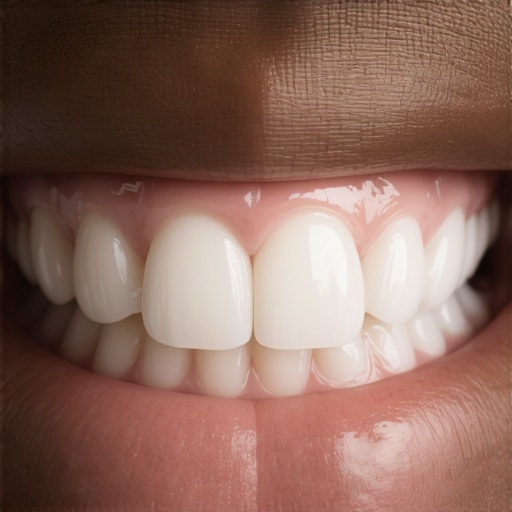
It was a moment I won’t forget—sitting in my bathroom, toothbrush in hand, realizing I had this strange, almost fuzzy feeling between my teeth that I just couldn’t ignore. It was the kind of discomfort that sneaks up slowly, making you wonder if it’s all in your head, until one day, you actually feel something. That lightbulb moment made me question: am I really paying enough attention to these tiny, often overlooked spaces?
Why Spotting a Cavity Between Your Teeth Matters More Than You Think
Sometimes, cavities hide in the smallest places, like between our teeth, where a regular toothbrush might not reach easily. Ignoring this nagging feeling can lead to more serious problems—like pain, infection, or even tooth loss. Early detection isn’t just about preventing discomfort; it’s about safeguarding your overall oral health and saving money in the long run. Did you know that studies show that nearly 30% of cavities develop in between teeth, where visual checks are nearly impossible without proper tools? (Source: Periodontist Care)
I remember making a common mistake early in my dental journey—assuming that just because my teeth looked fine, everything was okay. It took a few uncomfortable sensations and a visit to my dentist to realize that small signs can be major indicators. That’s why understanding how to recognize the symptoms of a cavity between your teeth could save you from pain and costly treatments.
So, how do you tell if that weird feeling or bump is worth worrying about? Let’s dive into the simple signs and practical tips to help you identify this sneaky dental issue before it gets worse. And trust me, once you get the hang of it, you’ll be empowered to take better care of your smile every day.
Start with a Close Inspection of Your Mouth
Begin by examining the areas between your teeth when you brush or check with a mirror. Look for any bumps, dark spots, or rough patches indicating decay. Remember, cavities between teeth often hide behind the contact points, making visual checks tricky—use a flashlight and a mirror for better visibility. I once noticed a tiny dark spot between my molars after thoroughly inspecting my mouth post-brushing, which prompted a timely visit to my dentist.
Feel for Unusual Sensations or Bumps
Gently run your tongue along your gum line and between your teeth. Any sensitivity, roughness, or unexpected bumps could signal early decay. Tactile feedback can reveal issues invisible to the eye. For example, I felt a slight bump while flossing, which turned out to be a small cavity that needed attention. Use floss to detect the area—you might feel a roughness or catch on a cavity, prompting a more thorough investigation.
Use Proper Tools for Precise Detection
Employ dental floss correctly—slide it gently between your teeth, hugging the sides, to check for stickiness or debris buildup. Try interdental brushes if needed for better cleaning in tight spaces. A water flosser can also dislodge particles and help identify problem areas. During my routine, I started incorporating interdental brushes, which made it easier to spot food debris stuck in between, occasionally hinting at underlying decay.
Watch for Symptoms Beyond Visual Cues
Pay attention to sensations like sensitivity to hot, cold, or sweet foods when biting down. Bumps or rough patches can cause discomfort. When I experienced a lingering sensitivity after eating ice cream, I knew there might be a cavity developing in an overlooked spot. Addressing these early signs prevents larger problems later.
Schedule Routine Dental Cleanings
Regular professional cleanings are crucial—dental hygienists can detect hidden issues, including cavities between teeth that are hard to spot at home. Think of it like a tune-up for your vehicle; professionalism catches what you might miss. I make it a point to visit my dentist every six months, which has helped catch emerging cavities early, saving me from pain and costly procedures. Regular cleanings also promote overall oral health, reducing plaque buildup that accelerates decay. For comprehensive advice tailored to your family’s needs, check out family dentistry.
Use Fluoride and Sealants as Preventative Measures
Applying fluoride treatments and dental sealants strengthens enamel and acts as a barrier against decay in hard-to-clean areas. Talk to your dentist about these options, especially if you’re prone to cavities. I once received a fluoride varnish during a check-up, which made my teeth more resistant to decay—an easy step with long-term benefits.
Maintain a Consistent Oral Hygiene Routine
Brush at least twice daily with a fluoride toothpaste, making sure to reach between teeth with floss or interdental brushes. Incorporate mouthwash if recommended—this helps reduce bacteria and freshen breath. Remember, thorough cleaning disrupts plaque formation that causes cavities. I adjusted my routine by adding a water flosser, which improved my interdental cleaning and helped prevent issues between my teeth.
Stay Mindful of Dietary Choices
Limit sugary and acidic foods and beverages that erode enamel or promote bacteria growth. Opt for water, crunchy vegetables, and dairy products which support oral health. When I reduced my soda intake and increased cheese consumption, I noticed less sensitivity and fewer spots of concern during check-ups.
Even seasoned dental professionals acknowledge that misconceptions about crowns, oral health, family dentistry, and teeth cleaning persist among the public. Many believe that getting a crown means a one-and-done solution, but the reality is more nuanced. In truth, improper placement or neglecting maintenance can shorten the lifespan of a crown significantly, with some studies indicating that nearly 30% of crowns fail within five years due to preventable issues like decay beneath the prosthetic. This highlights the importance of understanding that a dental crown is not just a cosmetic fix but a functional component requiring ongoing care.
Moreover, there’s a common myth that aggressive brushing can prevent cavities and gum disease, but overbrushing—especially with a hard-bristled brush or excessive force—can damage enamel and gums over time. Experts suggest that brushing should be gentle and thorough, emphasizing technique over brute force. Regular professional cleanings are often underestimated; many assume that daily brushing suffices, yet professional cleanings remove tartar and plaque in hard-to-reach areas, reducing the risk of cavities and periodontal disease. In fact, a study published in the Journal of Periodontology confirms that consistent cleanings dramatically decrease the incidence of gum recession and bone loss.
Are Dental Sealants Only for Kids? Think Again
Another mistake is believing that sealants are exclusively for children. While they are highly effective in preventing decay in young, developing teeth, adults with areas prone to cavities can also benefit from sealants. The misconception that sealants only have a temporary lifespan leads some to ignore their potential benefits. Properly applied, sealants can last over a decade when maintained correctly, creating a protective barrier against acids and bacteria. According to the American Dental Association, adults with recurring decay or those at high risk for cavities should consider sealants as part of their comprehensive oral health plan. Expert advice on crowns and teeth cleaning emphasizes that the longevity of these treatments depends heavily on routine maintenance and lifestyle choices.
Now, let’s address a trap many fall into—neglecting the importance of personalized dental care. A one-size-fits-all approach neglects individual risk factors, such as dry mouth, diet, or genetic predispositions, which influence cavity development and crown longevity. Knowing your unique needs allows your dental team to craft a tailored plan, ensuring that interventions like fluoride treatments or specialized cleaning schedules are effective. Failing to do so can lead to premature failures and unnecessary expenses. Having been through my own share of upgrades and corrections, I strongly recommend consulting with your dentist about personalized strategies that align with your lifestyle and health status. Effective home practices for family dental health include customized routines designed for different age groups and risk levels, highlighting that personalized care is more than just a trend—it’s crucial for lasting oral health.
In conclusion, digging beneath the surface of common dental beliefs reveals both myths and overlooked nuances that can impact your results and health. Always remember: proper technique, ongoing maintenance, and personalized strategies are your best allies in achieving a healthy, confident smile. Have you ever fallen into this trap? Let me know in the comments.
Tools That Keep Your Smile Healthy and Bright
Investing in the right dental tools can make a significant difference in your oral health routine. Personally, I swear by my Sonicare DiamondClean Electric Toothbrush because of its sonic technology, which generates up to 62,000 brush strokes per minute, ensuring deep cleaning that manual brushes can’t match. The timer helps me brush for the full two minutes, and its multiple modes allow for gentle cleaning or gum massaging, tailored to my needs.
For interdental cleaning, I rely on Waterpik Ultra Water Flosser. Its customizable pressure settings and angled tip reach into those tricky spaces between teeth—areas often neglected with traditional floss. Regular use reduces plaque buildup and helps prevent cavities, especially in hard-to-reach spots around crowns or braces. As I incorporate this tool into my routine, I notice fewer issues during my check-ups, and my breath stays fresher longer.
The Power of Consistency and Proper Technique
While having advanced tools is beneficial, their effectiveness hinges on consistent and correct usage. For example, using a soft-bristled brush at a 45-degree angle to your gums minimizes enamel erosion and gum irritation. Combining this with the daily oral health routine emphasizes that technique rivals tool sophistication in importance.
Maintaining Equipment for Peak Performance
Regularly replacing toothbrush heads every three months or after noticeable wear ensures optimal cleaning. For electric devices like my Waterpik, descaling monthly prevents mineral buildup that could hamper performance. Clean your flossing devices and replace them as recommended to prevent bacterial contamination. These small maintenance steps preserve device longevity and safeguard your oral health.
Future Trends in Dental Maintenance
Emerging technologies, such as AI-powered toothbrushes that track brushing patterns and suggest improvements, promise to personalize oral care further. Portable diagnostic devices capable of analyzing saliva for early signs of decay or disease are also on the horizon, offering proactive, at-home monitoring. Embracing these innovations can keep you ahead in maintaining your smile’s health—think of them as the next generation of your dental toolkit.
How do I keep my dental tools effective over the long term?
Maintain your devices by following manufacturer instructions, regularly replacing parts, and keeping them clean. Using the correct technique with these tools maximizes their benefits and prevents damage. Additionally, scheduling professional cleanings, like the regular dental cleanings, ensures your tools support a comprehensive, long-lasting oral health strategy. Remember, a well-maintained toolkit combined with expert care leads to a healthier, more confident smile for years to come. Why not start today by re-evaluating your cleaning equipment, ensuring everything works optimally?
3 Lessons No One Told Me About Maintaining Crowns and Family Dentistry
One unexpected insight I learned is that even high-quality crowns need consistent maintenance—forgetting this can lead to premature failure. I used to think a crown was a set-and-forget fix, but regular check-ups revealed tiny issues that, left unaddressed, could cause bigger problems. Another lesson revolves around understanding the importance of personalized oral hygiene routines—what works for one person might not suit another, especially with different family members and health backgrounds. Lastly, I realized early on that neglecting routine teeth cleaning isn’t just about aesthetics; it impacts your entire oral ecosystem, influencing gum health and the longevity of restorations like crowns. These lessons transformed how I prioritize my dental care, emphasizing that maintenance and awareness are key to a healthy, confident smile.