
It happened one morning when I finally caught a glimpse of myself in the mirror after a restless night: my jaw was sore, and my teeth felt oddly worn down, like I’d been chewing on gravel all night long. That simple moment was a lightbulb for me—realizing that my frequent teeth grinding, or bruxism, might be linked to my sleep troubles. If you’ve ever woken up with a sore jaw, cracked teeth, or a headache, you know how unsettling it can be, especially when you can’t figure out why.
Why Your Sleep Might Be Putting Your Teeth at Risk
Over time, I’ve learned that sleep disorders, especially sleep apnea, don’t just disrupt your rest but can silently wreak havoc on your dental health. Sleep apnea causes you to temporarily stop breathing during sleep, leading to broken sleep patterns and low oxygen levels. This stress on your body can trigger involuntary teeth grinding, as the muscles tense up in response. According to research, nearly 70% of individuals with sleep apnea also experience bruxism, making it a common, yet often overlooked, connection. This realization was my first step toward understanding how intertwined our sleep cycle and oral health truly are.
Have you ever wondered if your nighttime teeth grinding could be a sign of a bigger problem like sleep apnea? If so, you’re not alone. Many people dismiss bruxism as just a habit or stress-related, missing the deeper health implications. Early on, I made the mistake of ignoring my symptoms, thinking they would resolve on their own. That oversight only worsened my dental issues, leading to costly repairs and ongoing discomfort. Trust me, catching the problem early can make all the difference.
Skeptical? You’re Not Alone
I used to think, ‘It’s just a bad habit, right? Why should I worry?’ But I overlooked the fact that untreated sleep apnea can lead to more serious health problems like high blood pressure, stroke, and diabetes. Recognizing the signs of sleep-related bruxism was my wake-up call—literally. If you’re curious about the real risks and want to know how to prevent long-term damage, it helps to understand the facts behind the hype. Remember, I’m sharing this from personal experience, and I’ve learned that awareness is the first step to protection. For more tips on maintaining a healthy smile, check out the importance of dental crowns.
So, if any of this resonates with you—waking up exhausted, sore teeth, recurring headaches—consider this your call to pay closer attention to your sleep. Next, we’re going to explore practical strategies to break the cycle and safeguard your oral health, starting with understanding your symptoms better. Ready to take action? Let’s dive into what you can do today to protect your smile and sleep better tonight.
Start with a Thorough Dental Examination
Schedule an appointment with your dentist who can assess signs of bruxism and examine your oral health. During my visit, I specifically asked about wear patterns on my teeth and jaw pain. The dentist used a mirror and modern tools to identify early signs of damage and checked for potential sleep apnea indicators. This initial step is crucial—think of it as mapping out your terrain before planning a journey. A comprehensive exam sets the foundation for targeted action and can often reveal underlying issues like poorly fitted crowns or decay that exacerbate grinding.
Create a Personalized Night Guard Protocol
Upon diagnosis, your dentist might recommend a custom-made night guard—a tough, plastic device worn over your teeth to absorb grinding forces. When I got mine, I took care of it like a cherished tool: rinsing after use, storing it in a dry case, and avoiding hot water that could warp the plastic. Visualize your night guard as a shield, protecting your teeth from the relentless forces of bruxism. Using a personalized device ensures better fit and comfort compared to over-the-counter options, which often feel bulky or uncomfortable. For longer-lasting results, follow the guidelines available at caring for crowns.
Implement Targeted Oral Hygiene Routines
Effective cleaning is your primary line of defense—think of it as sweeping debris from a battlefield. Brush twice daily with a soft-bristled brush to prevent plaque buildup, which can worsen damage from grinding. I started flossing diligently, reaching into every corner—since trapped food or plaque can accelerate wear or cause decay under crowns. Incorporate interdental brushes or water flossers for gentle yet thorough cleaning, especially around crowns. Regular professional cleanings, such as deep cleanings, help remove tartar and ensure your oral environment stays healthy, reducing susceptibility to damage.
Optimize Your Sleep Environment and Habits
Improve sleep quality by establishing a calming routine—think of it as tuning your musical instrument before a concert. Minimize screen time an hour before bed, use blackout curtains, and maintain a cool, dark room. I found that practicing relaxation techniques like deep breathing or gentle stretches decreased nighttime muscle tension. Avoid caffeine and alcohol close to bedtime, as they can disrupt sleep cycles and increase bruxism tendencies. If stress is a major trigger, consider mindfulness or consult a professional for tailored stress reduction strategies. These adjustments help reduce unconscious muscle tension, lessening the force on your teeth during sleep.
Address Underlying Medical Conditions
If sleep apnea or other health issues are suspected, seek appropriate medical evaluation. I was referred to a sleep specialist who performed a sleep study, discovering mild sleep apnea contributing to my grinding. Using a CPAP machine or other prescribed therapies can dramatically reduce bruxism episodes. This step is like fixing the foundation of a house—addressing the root problem prevents recurring damage and preserves your oral health. Working closely with both your dentist and healthcare professionals maximizes your chances of a successful outcome. For more info on sleep health, explore the impact of healthy sleep on oral wellness.
Maintain Regular Follow-Ups and Adjustments
Consistently return for check-ups to monitor your progress. During my follow-ups, my dentist adjusted the fit of my night guard and checked for new signs of wear. This ongoing process is like tuning a musical instrument—small tweaks ensure optimal performance over time. Regular professional advice helps catch issues early, whether that’s crown wear, gum recession, or new signs of bruxism. Staying proactive prevents costly repairs and preserves your smile’s integrity for years to come. For tips on maintaining your dental crowns, visit caring for crowns.
Combine Lifestyle and Dental Strategies for Success
The journey to healthier sleep and teeth involves multiple layers—like assembling a well-rounded toolkit. Use behavioral changes, proper oral hygiene, protective devices, and medical interventions together. I found that integrating these steps transformed my nights from restless to restful, and my smile from worn to wonderful. Each action reinforces the other, creating a holistic shield against bruxism’s damaging effects. Remember, consistent effort over time yields lasting results—your future self will thank you.
Many individuals believe that brushing twice a day and visiting the dentist annually are enough to maintain optimal oral health. However, this oversimplification overlooks several critical nuances that can significantly impact long-term dental outcomes. For instance, the misconception that all toothbrushes are equally effective can lead to using a tool that inadvertently damages enamel or gums. Studies, such as those published in the Journal of Dental Research, highlight that using a hard-bristled toothbrush can cause gum recession and enamel erosion over time, emphasizing the importance of selecting gentle, soft-bristled brushes (source: manual toothbrush effectiveness).
Another common myth revolves around dental crowns. Many believe that once a crown is placed, maintenance becomes minimal. In reality, neglecting proper care of crowns can lead to decay at the tooth-restoration interface, often going unnoticed until complex issues arise. Proper maintenance, including understanding the best practices for cleaning and avoiding certain foods, is essential to prolong crown longevity. For comprehensive guidance, see tips on caring for crowns.
Advanced Questions: Why Are Some Patients Still at Risk for Gum Disease Despite Good Oral Hygiene?
Avoiding the trap of superficial cleaning routines is crucial. Many overlook that improper brushing technique can do more harm than good, especially when aggressive scrubbing damages gums or wears down enamel. Using the right techniques and tools, such as interdental brushes or water flossers, can make a measurable difference. Discover more about effective home practices from home teeth cleaning secrets.
Moreover, some might underestimate the role of regular professional cleanings beyond plaque removal. Deep cleanings can uncover and treat early signs of periodontal disease that might not be evident with daily routines. Regular visits with your dentist ensure that subtle issues don’t escalate. Learn about the significance of these visits at the impact of professional cleanings.
Key Takeaway: Maintain a Nuanced Approach
Effective oral health management requires more than just brushing; it demands understanding and addressing these hidden nuances. By recognizing the limitations of common practices and myths, you can make informed choices that truly protect your smile. Do you think you’re paying enough attention to these details? Share your experiences or questions in the comments. Remember, developing a nuanced perspective is vital in dental care.When it comes to maintaining optimal oral health, having the right tools and a solid routine is crucial. I personally rely on a combination of advanced devices and proven methods that have stood the test of time, ensuring my dental investments last as long as possible. One tool I can’t recommend enough is a high-quality electric toothbrush, like the Sonicare DiamondClean. Its oscillating-rotating technology effectively removes plaque, especially around crowns and hard-to-reach areas, which manual brushes often miss. I prefer this over over-the-counter options because it offers consistent power and timers that help me brush for the recommended two minutes. For deeper cleaning between teeth, I use interdental brushes such as TePe Interdental Brushes. They are small, gentle, yet efficient at cleaning around crowns and dental bridges, reducing plaque buildup that can compromise restorations over time.
How do I maintain my dental tools and routines over time?
Regularly replacing your electric toothbrush head—about every three months—is vital for maintaining hygiene and preventing bacterial buildup. I also sanitize my brushes weekly by soaking them in a solution of hydrogen peroxide and water. For tools like interdental brushes, rinse thoroughly after each use and store them in a dry, clean container. Additionally, scheduling biannual professional cleanings ensures that any hidden plaque or tartar is addressed before it causes damage. I coordinate with my dentist to review my tool choices and cleaning techniques, ensuring I’m using them effectively. As technology advances, I foresee tools integrating AI diagnostics, providing real-time feedback on brushing pressure and coverage—an exciting development that could revolutionize home oral care. To stay ahead, I follow reputable dental sources and continually incorporate new evidence-based techniques.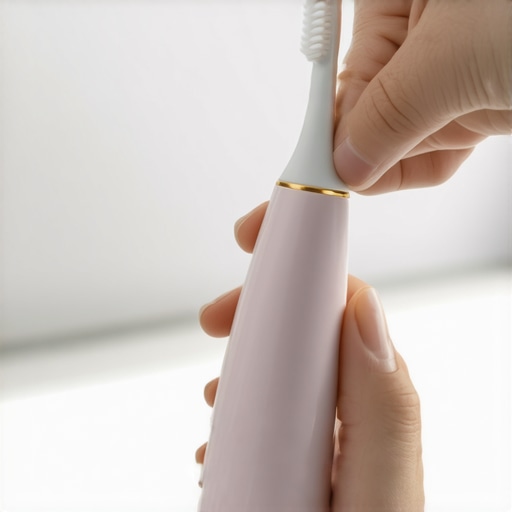
Utilizing a water flosser, such as Waterpik, also plays a significant role in my routine. It’s especially helpful for cleaning around crowns and implants, where traditional flossing can be challenging. The pulsating water disrupts plaque clusters effectively and is gentle on gums. Personally, I have noticed a reduction in gum inflammation after consistent use. Consistent maintenance of your tools and routine not only extends the life of crowns and restorations but also supports overall oral wellness. Remember, a well-maintained toolset combined with professional oversight forms the backbone of long-term dental success. I encourage you to try incorporating an advanced device like a sonic toothbrush or water flosser into your daily routine and observe the difference it makes in your oral health journey.
3 Lessons That Changed My Approach to Oral Health Forever
First, I realized that neglecting the connection between sleep disorders and dental health can lead to costly problems down the line. Addressing underlying issues like sleep apnea not only improves rest but shields my teeth from unnecessary wear. Second, I learned that customized tools like night guards aren’t just accessories—they’re essential for protecting your smile, especially if you grind at night. And finally, I discovered that consistent routines, including professional cleanings and proper tool maintenance, act as a strong shield against long-term damage, giving me peace of mind and a healthier smile.
My Must-Have Resources for Truly Healthy Teeth
I’ve come to rely on some trusted tools and sources that have made a real difference. The Sonicare DiamondClean electric toothbrush offers powerful, consistent cleaning around crowns and hard-to-reach areas—I’ve noticed a significant reduction in plaque. Educational sites like Understanding the role of crowns give me confidence in my dental choices, while professional cleanings ensure I stay ahead of potential issues. Lastly, the Waterpik water flosser has become indispensable for maintaining gum health around crowns and implants. These tools, combined with expert advice, keep my smile strong and resilient.
This Is Your Moment to Take Charge of Your Smile
If you’ve ever felt overwhelmed by conflicting advice or unsure where to start, remember that small, consistent steps make a big difference. Prioritize understanding your sleep health, invest in personalized protection like night guards, and commit to regular professional care. Your journey to a healthier, more confident smile begins now—don’t wait for problems to take hold before acting. The future of your oral health depends on the choices you make today.