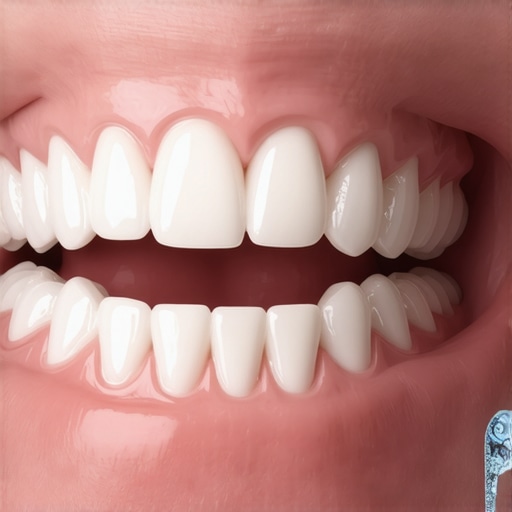
I still remember the first time I felt that odd, persistent pressure at the back of my mouth. It was late at night, and I was biting into an apple when something didn’t feel quite right. That uncomfortable tug, the dull ache—it wasn’t just a fleeting pain. It was a lightbulb moment that made me realize I might be dealing with more than just regular teeth issues. If you’ve ever experienced something similar, you’re not alone. Many people struggle to recognize the signs of impacted wisdom teeth, often mistaking them for minor discomforts or ignoring them altogether.
Why Impacted Wisdom Teeth Shouldn’t Be Ignored
Impacted wisdom teeth can cause a host of problems if left unchecked, from misalignment to infections. The tricky part is, your wisdom teeth don’t always announce themselves with obvious pain right away. Sometimes, they hide beneath the gums, causing inflammation and discomfort that’s easy to dismiss. Early detection is key—yet, many overlook subtle clues, risking more serious complications down the line. I once made the mistake of ignoring mild soreness, thinking it would go away. Spoiler alert: it didn’t. Instead, the pain worsened, requiring more invasive treatments later. Don’t make my mistake. Recognizing the signs early can save you discomfort and costly procedures.
Is It Really Worth Worrying About Impacted Wisdom Teeth?
Many folks ask whether it’s essential to get prompt treatment for impacted wisdom teeth or if it’s safe to wait. My answer is simple: don’t wait until the pain becomes unbearable. Impacted teeth can lead to infections, cysts, or even damage to adjacent teeth. According to a study published in the National Library of Medicine, impacted wisdom teeth are often silent but can cause significant long-term damage. Knowing what to look for empowers you to take control of your oral health before problems escalate.
Recognizing the early signs can be tricky—there are common symptoms like swelling, bad taste in your mouth, or even headaches that you might overlook. If you’ve faced persistent discomfort at the back of your jaw, or notice that food tends to get stuck in a mysterious corner of your mouth, these could be red flags. I’ve been there, questioning whether those minor aches deserved attention. Now, I know better. But how do you tell if your wisdom teeth are truly impacted? That’s exactly what I’ll help you decode in the next section, with straightforward tips and personal insights to guide you.
Detect Early Signs and Prepare to Act
First, educate yourself on common symptoms like swelling, persistent soreness, or food getting stuck unexpectedly in the back of your mouth. I remember noticing a slight swelling after meals, which I initially ignored. Recognizing these early signs is crucial for timely intervention. Use a mirror to examine the area or schedule a consultation with your dentist for an accurate assessment.
Establish a Consistent Oral Hygiene Routine
Implement thorough brushing and flossing around the affected area twice daily. Use an antimicrobial mouthwash to reduce bacteria and inflammation. For instance, I started using an antibacterial rinse I found here, which made a noticeable difference in reducing discomfort during the healing process. Avoid irritating the area with harsh brushing or vigorous rinsing.
Manage Discomfort with Proper Techniques
Over-the-counter pain relievers such as ibuprofen can alleviate discomfort, but ensure correct dosage and timing. Applying a cold compress to the outside of your cheek for 15-minute intervals helps numb pain and reduce swelling. When I experienced mild pain, I adhered strictly to these methods, which kept the discomfort manageable. Remember, these are temporary measures; professional evaluation is essential for impacted teeth.
Adjust Your Diet Strategically
Opt for soft, cool foods that don’t irritate the affected area. Avoid crunchy, spicy, or hot foods that can exacerbate soreness and inflammation. I switched to smoothies and yogurt during my recovery, which proved soothing and nutritious. Proper nutrition supports healing and maintains your overall oral health. For comprehensive feeding tips that complement your home care, check this guide.
Maintain Regular Monitoring and Know When to Seek Help
Set reminders to monitor your symptoms daily. Look for signs such as increasing swelling, prolonged pain, pus, or fever. If any of these occur, contact your dental professional immediately via contact form. During my experience, persistent pain beyond a few days signaled infection, prompting me to seek urgent care, which prevented further complications. Don’t wait—early professional intervention can save you discomfort and expense.
Integrate Preventive Measures and Follow-Up Care
Once the impacted tooth is managed, continue with diligent oral hygiene and schedule routine dental visits. Discuss options like crowns or other restorative solutions, as proper sealing and protection prevent future issues. Explore topics like crowns to understand their role in maintaining a healthy smile. Consistent care ensures long-term success and comfort after the initial management.
When it comes to maintaining our oral health, many of us fall prey to misconceptions that can jeopardize our long-term dental wellbeing. One common myth is that frequent teeth cleaning alone guarantees cavity prevention. However, studies show that improper technique or reliance solely on brushing can leave bacteria behind and cause plaque buildup. For example, aggressive brushing might damage your gums, increasing sensitivity and recession. The key lies in understanding the nuances of effective cleaning rather than just frequency. For deeper insights on proper home hygiene practices, I recommend exploring the secrets of effective teeth cleaning.
It’s also widely believed that dental crowns are a one-and-done solution. But in reality, many overlook that crowns require ongoing care and maintenance. Poor oral hygiene around crowns can lead to decay, gum disease, or even crown failure. Regular check-ups, proper cleaning, and avoiding hard foods can extend the lifespan of your restorations. For tips on maintaining your crowns, see this guide.
A less obvious misconception pertains to family dentistry. Some assume that once children have their baby teeth, they no longer need regular dental visits once adult teeth come in. In truth, early family dental care influences lifelong habits and can prevent complex problems later. Regular visits from a young age can catch issues like misalignment or decay early, avoiding invasive procedures over time. For more on building a healthy foundation for your family’s dental health, check out family dentistry insights.
One sneaky trap is neglecting the subtle signs of declining oral health, such as mild bleeding during brushing—often dismissed as negligible. This oversight can lead to periodontal disease, which has been linked to systemic health problems like heart disease. Identifying warning signs early allows for timely intervention. For an advanced take on this, consider reading about how regular cleaning impacts overall wellness.
Remember, achieving optimal oral health isn’t just about brushing and flossing. It’s about understanding the complexities, avoiding common pitfalls, and taking a proactive approach. Make sure to stay informed and consult with dental professionals regularly. Have you ever fallen into this trap? Let me know in the comments.Maintaining oral health over time requires the right tools and techniques tailored to your unique needs. Personally, I swear by a combination of advanced electric toothbrushes and professional-grade flossing devices—their precision and effectiveness go far beyond standard brushing. For instance, I use the Philips Sonicare DiamondClean, which provides superior plaque removal and gum stimulation, especially important after crown placements or long-term family dental treatments. Incorporating an antibacterial mouthwash like Listerine’s Zero Alcohol Formula helps reduce bacteria that brushes might miss, giving me peace of mind that I’m tackling plaque at a microscopic level. To manage stubborn plaque around crowns or hard-to-reach areas, I rely on water flossers such as the Waterpik Ultra Water Flosser, which my dentist highly recommends—it’s gentle yet effective, making daily cleaning more thorough without damaging sensitive gums. Looking ahead, I predict the trend toward smart oral health devices will grow exponentially, integrating sensors and app connectivity to monitor your brushing habits and provide real-time feedback. How do I maintain my dental tools over time? I ensure they are replaced or sanitized regularly—brush heads every three months for electric toothbrushes, and water filters are changed monthly. Proper storage is equally vital; I keep my tools dry and in a clean, dedicated space to prevent bacterial buildup. Regularly disassembling and inspecting these devices makes a big difference, especially after long-term use. Don’t forget to schedule professional cleanings at your dentist twice a year, where they employ specialized equipment like ultrasonic scalers that can remove tartar deep beneath the gums—something home tools can’t replicate. For crowns and restorations, adhering to recommended maintenance routines is crucial; I follow guidelines from experts on crown care to ensure longevity. An often-overlooked aspect is knowing when to update your tools—dull toothbrush heads or malfunctioning flossers diminish cleaning efficiency and could harm your gums. Remember, investing in quality tools and maintaining them diligently not only preserves your current dental work but also prevents future issues, saving you time and money. Consider trying a smart toothbrush or a water flosser today—these innovations could revolutionize your daily routine and keep your smile brilliant for years to come.
Secrets I Learned That No One Tells You About Impacted Wisdom Teeth
One of the most eye-opening lessons I discovered is that early detection can dramatically change your experience with impacted wisdom teeth. Waiting for obvious pain can lead to more invasive procedures; catching signs like subtle swelling or food traps early can save time and discomfort. Additionally, ignoring minor discomfort often results in bigger issues down the line, emphasizing the importance of listening to those small warning signals. My biggest lightbulb moment was realizing that managing impacted wisdom teeth isn’t just about the teeth themselves but also about maintaining overall oral harmony, which requires proactive habits and regular dental checks.
Tools and Resources That Make a Difference
In my journey, I found that effective tools like electric toothbrushes with pressure sensors and quality water flossers significantly boost oral health. I trust this guide on home cleaning strategies because it emphasizes consistency and proper technique, which are crucial when managing impacted teeth. Additionally, scheduling routine dental visits and consulting trusted professionals about crowns and family dentistry helped me stay informed and prepared for any issues that might arise, like potential impact or misalignment. These resources, combined with my personal diligence, made all the difference.
Embrace Your Dental Journey: Nothing is Too Small
The most profound motivation I want to share is that no concern is too minor—persistent soreness, unusual tastes, or food getting stuck—are signals your body is sending you. Taking immediate action, such as booking an appointment or adjusting your hygiene routine, can prevent minor problems from escalating. Remember, your oral health is a cornerstone of your overall well-being, and proactive care today will lead to a healthier, happier smile tomorrow. So, don’t hesitate to seek help when needed and stay vigilant about those subtle signs. Your future self will thank you for that extra mile you go today. What’s been your recent experience with wisdom tooth issues? Share below—I’d love to hear your story.