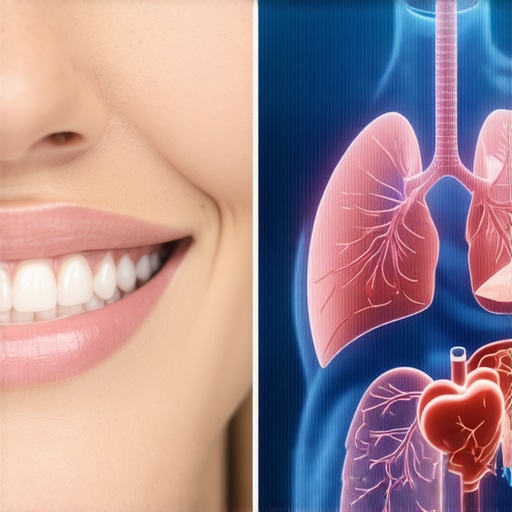
It was just another Tuesday afternoon when I caught my reflection in the office window and suddenly saw it—my tired, chalky-looking smile staring back at me. I had always thought my teeth were just about aesthetics, but that day, a strange, nagging thought crept in: could my oral health be silently telling me more about my overall wellness? That lightbulb moment set me on a journey of discovery, transforming how I care for myself and my family. If you’ve ever experienced unexpected gum issues, persistent bad breath, or just a vague sense that something’s not right with your teeth, you’re not alone.
How Oral Health Opens the Door to Whole-Body Wellness
Many people overlook the idea that your mouth isn’t an isolated part of your body. Instead, it’s a window into your overall health. Recent research shows that gum disease, in particular, has links to serious conditions like heart disease, diabetes, and even respiratory problems. For years, I dismissed those occasional gum bleeds and pocket infections as minor inconveniences—until I realized they could be signposts of something more serious. That mistake is common, but once I learned to listen to what my mouth was trying to tell me, I started making changes that benefited my entire well-being.
If you’re like I was, you might wonder, “Is oral health really connected to my body’s health?” Well, the answer is a resounding yes. In fact, chronic inflammation caused by gum disease can increase systemic inflammation, which is a key factor in many chronic illnesses. The mouth is a busy hub of bacteria, and when its natural defenses falter, bacteria can enter your bloodstream, setting off a cascade of health problems. Understanding this connection highlights the importance of regular dental care, not just for a bright smile but for a healthier life overall.
Have you noticed that your dental issues seem to coincide with other health concerns, like fatigue or skin changes? If so, it may be time to see dentistry as part of your wellness routine. In upcoming sections, I’ll share practical, easy-to-implement steps to improve your oral health and, in turn, boost your overall health. But first, let’s tackle one of the most common doubts that’s kept many from taking action: is all this fuss about oral health truly worth the effort? And what mistakes might be sneaking into your dental routine that do more harm than good? Stay tuned—your journey to better health begins now.
Master Your Daily Oral Hygiene to Protect Whole-Body Health
Start by choosing the right toothbrush—consider an electric model if you have sensitive gums, as it can provide more effective cleaning without overstimulation. I once switched to an oscillating electric toothbrush during a weekend I had free, and the difference was immediate—my gums felt healthier, and plaque buildup decreased noticeably. Use it to brush at a 45-degree angle to your gums, mimicking the technique taught in [expert advice on teeth cleaning](https://periodontistcare.com/expert-advice-on-crowns-and-teeth-cleaning-for-lasting-results). Make sure to replace your toothbrush every three months or sooner if the bristles fray.
Next, integrate flossing into your routine—think of dental floss as a tiny precision tool that targets the tight spaces your toothbrush can’t reach. During my own routine overhaul, I discovered that using a water flosser made flossing more comfortable, especially for family members with braces or sensitive gums. The proper use of these devices can be a game changer. Check out [the proper way to use a water flosser](https://periodontistcare.com/the-best-way-to-clean-teeth-with-traditional-metal-braces) for detailed instructions.
Implement Regular Professional Cleanings Strategically
Schedule professional cleanings at least twice a year—more if you’re prone to tartar buildup or gum disease. During one appointment, I watched my hygienist meticulously remove stubborn tartar using ultrasonic scopes, which made immediate improvements in gum health. Regular cleanings not only prevent issues like cavities and periodontal disease but also serve as an early warning system for more serious health conditions, aligning with the concept that oral health reflects overall wellness. To maximize the benefits, inquire about [professional cleaning tips](https://periodontistcare.com/why-a-professional-cleaning-is-necessary-even-if-you-floss) specific to your needs.
Care for Dental Restorations to Ensure Longevity
If you have crowns or other restorations, proper maintenance is essential. Use a non-abrasive fluoride toothpaste to prevent decay around the edges, and avoid hard foods that could crack the crown. I once chipped a porcelain crown by biting into a nut, but quick action and following [tips on caring for crowns](https://periodontistcare.com/caring-for-crowns-essential-tips-for-longevity-and-shine) helped restore its look and function without needing immediate replacement. Regular checkups allow your dentist to detect early signs of wear or damage, which can prolong the lifespan of your restorations.
Adopt Family-Friendly Practices for Consistent Success
Encourage children to develop good habits early, turning oral care into a game or challenge, like seeing who can brush the longest or the most thoroughly. During my own family’s routine, I introduced a fun timer and celebrated their consistency, which improved overall compliance. Use [family dental tips](https://periodontistcare.com/family-dentistry-focus-building-a-lifetime-of-healthy-smiles) to engage everyone and create a supportive environment. Consistency and positive reinforcement are key to maintaining a long-term healthy smile for every family member.
Observe and Adapt to Your Oral Environment
Pay attention to signs of trouble—sensitive spots, bleeding gums, or persistent bad breath—and act swiftly. During a particularly stressful month, I noticed my gums became more swollen, which turned out to be early signs of gingivitis. Using insights from [how to stop gums from receding](https://periodontistcare.com/how-to-stop-your-gums-from-receding-any-further), I adopted a more thorough cleaning routine and improved my diet. Regularly monitoring your oral health helps prevent minor issues from escalating into more serious problems, linking back to the vital connection between mouth and overall health.
Many assume that visiting the dentist is solely about fixing problems or maintaining a bright smile, but this overlooks crucial nuances that can make or break your oral health. One common misconception is that all dental professionals approach care the same way. However, not every dentist specializes in holistic or preventive strategies. Choosing a practitioner who emphasizes preventive care and understands the interconnectedness between oral health and systemic health can significantly impact long-term outcomes. For example, some practices focus heavily on restorative procedures like crowns without addressing underlying issues, such as gum disease, which can lead to recurrent problems and even systemic complications. To truly benefit from dental care, it’s vital to seek providers who align with your overall health goals.
Another pitfall many fall into revolves around teeth cleaning. The typical approach of just removing plaque isn’t enough. Effective professional cleanings involve more than calculus removal; they should include evaluating the health of your gums, checking for early signs of decay, and offering personalized advice. Regular cleanings are not just about aesthetics—they’re an essential part of safeguarding your overall wellness. Oversimplifying this process can lead to neglect of early warning signs that, if caught early, could prevent more serious health issues.
When it comes to crowns, the misconception is that they’re a quick fix with a simple installation process. The truth is, the longevity and success of crowns depend heavily on proper material selection, placement, and post-procedure care. Many people overlook the importance of a meticulous maintenance routine, which can cause premature failure or staining. For instance, neglecting to follow specific aftercare tips may result in decay at the margins or even crown detachment. Visiting a specialist for detailed advice, such as those provided at [caring for crowns](https://periodontistcare.com/caring-for-crowns-essential-tips-for-longevity-and-shine), can extend the life of your restoration.
A frequently overlooked aspect of oral health is the role of regular, personalized routines. Many believe that brushing twice daily and flossing are enough, but without understanding the nuances—like the proper technique, frequency, or supplementary tools—you might still be leaving your mouth vulnerable. For example, using a water flosser can reach stubborn plaque and reduce inflammation more effectively for certain individuals, especially those with braces or sensitive gums. A tailored routine that considers your specific needs can make a profound difference. Check out [oral health routines](https://periodontistcare.com/oral-health-routine-strengthening-your-smile-every-day) for expert tips to optimize your daily care.
Beware of the trap of assuming that dental issues are isolated. In reality, poor oral health often masks deeper systemic problems. Gum disease, for example, is linked to cardiovascular and diabetic conditions, which many people are unaware of. This connects to the importance of viewing dental visits as integral parts of overall health management, not just aesthetic touch-ups. Regular evaluations can help detect and address concerns before they escalate. As the saying goes, “An ounce of prevention is worth a pound of cure.” Investing time and effort in understanding these nuances elevates your dental care from routine maintenance to a powerful tool for holistic health.
Have you ever fallen into this trap? Let me know in the comments below, and share your experiences or questions about navigating the complexities of family dentistry and oral health.Maintaining optimal oral health over the years requires more than just a good brushing habit; it involves using the right tools, regular professional care, and staying ahead of potential issues. One of my top recommendations is investing in an electric toothbrush with oscillating-rotating technology, like the Philips Sonicare DiamondClean. I personally switched to it after experiencing gum sensitivity with manual brushes, and the targeted motion significantly improved plaque removal and gum health. Regular use not only keeps your teeth clean but also stimulates gums and helps prevent issues that could jeopardize your long-term dental success. For routine flossing, I prefer water flossers such as the Waterpik, which I’ve found to be gentler and more effective, especially for family members with braces or sensitive gums. They help reach areas traditional floss may miss and reduce the risk of gum trauma. To keep track of maintenance and appointments, I use dental management apps like Dental Care. This ensures I don’t miss routine cleanings and checkups, which are critical for early detection of problems. As technology advances, I predict a growing integration of smart toothbrushes with AI coaching and real-time feedback, making personal oral care even more effective.
How do I maintain my oral health tools over time?
Regularly replacing brush heads every three months, cleaning water flosser nozzles daily, and updating app data are key habits. Also, inspecting devices for wear and tear prevents malfunction. For example, a worn-out toothbrush head becomes less effective, risking plaque buildup. Investing in quality maintenance routines for your tools ensures they perform optimally. In my practice, I recommend that families create a schedule for device cleaning and replacement—much like we do with car maintenance—to ensure long-lasting performance. Moreover, integrating these tools into a comprehensive routine enhances their benefits, which is crucial for sustaining oral health long term. Remember, the quality of your tools directly impacts your results—choosing reliable, proven equipment and maintaining it properly can double the lifespan and effectiveness of your investment. For further insights, check out [the impact of regular teeth cleaning on overall wellness](https://periodontistcare.com/the-impact-of-regular-teeth-cleaning-on-overall-oral-wellness). Don’t forget to try periodically calibrating your electric toothbrush if it offers that feature—this simple step can maintain peak performance and keep your smile shining for years to come. Staying consistent with your maintenance routines and investing in high-quality tools is the cornerstone of lasting oral health.
3 Surprising Truths That Transformed My Approach to Family Dentistry
One of the most striking lessons I’ve learned is that effective oral care is not just about brushing away plaque but about understanding the subtle signals my mouth sends about my overall health. I once ignored persistent gum bleeding, dismissing it as minor—until I discovered it could be an early warning sign of systemic issues like diabetes. This realization pushed me to integrate holistic practices, making me more attentive to my body’s interconnected needs.
Another insight was the importance of choosing quality tools—like an electric toothbrush with proven technology—and maintaining them properly. Regular replacement and cleaning of devices aren’t just routine tasks but essential steps to ensure their effectiveness in protecting my family’s oral and overall health. This emphasis on proactive maintenance has kept us ahead of potential problems.
Lastly, I uncovered that not all professional cleanings are equal. Finding a dentist who emphasizes prevention and personalized care changed my perception of dental visits from a chore to a health investment. It taught me that selecting the right practitioner can significantly influence long-term wellness and save us from years of avoidable issues.
Create Your Own Family Dental Success Toolbox
Over the years, I’ve relied on specific resources that I genuinely trust for maintaining optimal oral health. For starters, [the expert advice on crowns and teeth cleaning](https://periodontistcare.com/expert-advice-on-crowns-and-teeth-cleaning-for-lasting-results) has clarified my understanding of restorative care longevity, guiding me through choosing materials and post-care routines. I also keep a close eye on [oral health routines](https://periodontistcare.com/oral-health-routine-strengthening-your-smile-every-day), which serve as a daily checklist for my family’s habits.
Books like “The Dental Diet” by Dr. Steven Lin have expanded my knowledge about nutrition’s role in oral and systemic health, reinforcing the importance of diet in longevity. Lastly, online tools like [dental management apps](https://periodontistcare.com/contact-us) help us track appointments, set reminders, and stay committed—turning good intentions into habits.
Your Bright Future Starts Today
Embracing these lessons and resources has empowered me to prioritize comprehensive health through mindful family dentistry and oral care routines. Remember, the journey toward lifelong wellness begins with small, consistent steps—each dental checkup, brush, and floss is an investment in your well-being. Don’t wait for problems to surface; take control now and unlock the full potential of your health.
What was the most eye-opening discovery you’ve made about oral health? Share your stories below—I’d love to hear how your perspective has changed!
,