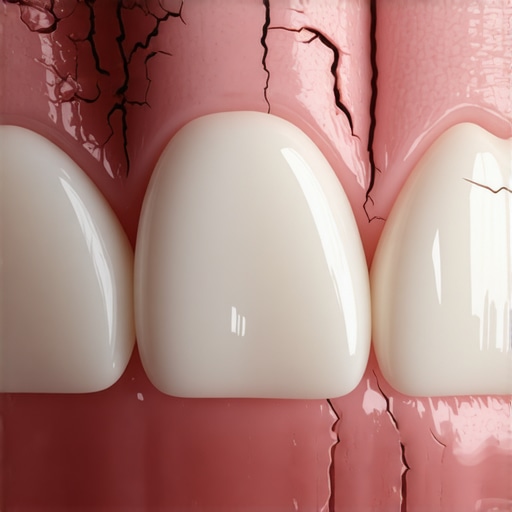
It was late one evening when I suddenly felt that sharp, searing pain in my molar while sipping some tea. My first thought was: I must have eaten something too hot. But as the hours went by, the discomfort persisted—worse, it seemed to come from nowhere, flaring up whenever I touched that side of my mouth. That was my lightbulb moment—realizing that my tooth sensitivity might not just be simple cold or heat sensitivity but something more serious, like a cracked crown.
Why Recognizing a Cracked Crown Matters More Than You Think
Many people brush off tooth sensitivity, chalking it up to minor issues or just part of aging. But if you’re dealing with an ongoing, sharp pain, especially around dental restorations like crowns, it could be a sign of a crack. Ignoring this can lead to more significant problems, including nerve damage or even tooth loss. I learned early on that misdiagnosing my discomfort was a mistake—assuming it was just sensitivity made me overlook a crack that, if left untreated, could have cost me a lot more in dental bills.
Understanding the difference between regular sensitivity and the symptoms of a cracked crown is crucial. Did you know that a cracked crown can sometimes feel like your tooth is loose or cause a metallic taste? Interestingly, some research shows that untreated cracks can develop into root infections, leading to more invasive and costly procedures later—like root canals or even extractions. So, catching these signs early can save you a lot of headache and expense.
Are you familiar with that strange, fleeting pain when biting into something hard? Or maybe you’ve noticed a tiny chip in your crown and wondered if it’s serious? If so, you’re not alone. I remember dismissing the small crack I saw in my own crown, thinking it was just a superficial imperfection. Lesson learned: even minor visible cracks need professional attention.
In the next sections, we’ll delve into how to identify if your tooth sensitivity stems from a cracked crown, common mistakes to avoid, and practical steps you can take to protect your smile. And if you’ve ever felt that odd twinge or been unsure what it means, keep reading — you’re not alone, and there’s real help available.
Inspect Your Crown Regularly for Signs of Damage
Start by visually examining your dental crown for any chips, cracks, or discoloration. Use a mirror and good lighting to look at the edges and surface closely. During my own experience, I noticed a tiny chip in my crown that I initially dismissed as a minor imperfection. However, understanding what to look for helped me realize the potential severity of even small damages.
Check for Sensitivity or Discomfort
If you experience sharp pain when biting, chewing, or consuming hot or cold foods, it might indicate a crack. This sensation is like biting into a brittle chocolate bar—you can feel when something isn’t quite right. Promptly noting these symptoms can help you differentiate between routine discomfort and a serious issue.
Use the Tapping Test to Confirm Looseness
Gently tap on the crown with a clean instrument or fingernail. A loose crown may produce a distinct hollow or clicking sound. This simple test can give you early warning that the crown’s bond has weakened, increasing the risk of further damage or infection. I personally performed this test and was surprised at how subtle changes in sound indicated a loose fitting.
Feel for Movement and Check for Gaps
Gently press around the edges of your crown with your finger—if it shifts or wiggles, it’s a sign it’s no longer secure. Additionally, look for any gaps between your crown and gum tissue, which can trap food or bacteria, leading to infections.
Schedule a Professional Dental Evaluation Immediately
If any signs of damage or looseness are present, make an appointment with your dentist without delay. Professional care is essential because they can perform thorough diagnostics—like X-rays—to determine if the crack has penetrated into the tooth or affected the root. Waiting can cause the crack to worsen, leading to nerve damage or the need for more invasive procedures.
Avoid DIY Repairs and Precautions
Do not attempt to fix a cracked crown on your own using household glues or temporary fixes. These materials are toxic and ineffective in the mouth. Instead, protect the tooth by avoiding hard foods until your dentist examines the situation. During my own handling of a crack, I learned that patience and professional intervention prevent complications and save money long-term.
Adopt Proper Oral Hygiene to Prevent Further Damage
Maintain excellent oral hygiene practices—brushing twice daily, flossing gently, and using an anti-bacterial mouthwash—to minimize bacteria buildup that could exacerbate issues. Regular professional cleanings, about every six months, help detect early signs of crown wear or cracks. I made a habit of twice-yearly cleanings, which allowed my dentist to spot and address issues before they worsened.
Myth: Brushing Harder Cleans Better
Many assume that applying more pressure while brushing will remove more plaque and improve oral health. However, this misconception can cause gum recession and enamel damage. Dentists emphasize gentle, thorough brushing with soft-bristled brushes for optimal cleaning without harm. Over time, aggressive brushing can lead to sensitivities and even expose root surfaces, increasing decay risk. Learn more about proper brushing techniques here. Remember, quality trumps quantity—scrubbing harder isn’t the answer.
Common Mistake: Ignoring Small Signs of Damage
Some people overlook minor cracks or chips in their crowns or teeth, dismissing them as insignificant. This oversight can lead to serious issues, including infection or nerve damage. For example, a tiny crack may be stained or asymptomatic initially, but progress over time. Regular self-inspections and prompt dental evaluations can prevent costly procedures. Don’t wait for pain—early detection is key. For insights on identifying hidden problems, visit this article.
Unseen Danger: Over-Reliance on Natural Remedies
Many believe that DIY remedies or natural treatments can substitute professional care, especially for common issues like bleeding gums or stains. While some natural approaches, like oil pulling or herbal rinses, may offer minor benefits, they can’t replace evidence-based dentistry. Overdependence can delay necessary procedures, worsening conditions. For instance, ignoring persistent bleeding might mask underlying gum disease, which if untreated, can have systemic repercussions, including heart health implications. Find out why professional cleanings are irreplaceable here.
Is Flossing Enough to Prevent Gum Disease?
Many assume that daily flossing alone guarantees healthy gums. However, flossing mainly removes plaque between teeth; it doesn’t clean the full extent of periodontal tissues. Combining floss with proper brushing, mouthwash, and regular dental visits is essential. Overlooking comprehensive oral hygiene can lead to pockets forming under gums, fostering bacteria growth. To boost your routines, explore this guide. Remember, small habits build long-term health.
In summary, aligning your habits with scientific insights rather than misconceptions can vastly improve your oral health. Are you making any of these common mistakes? Share your experiences below or ask your dentist for tailored advice. Keep your smile healthy and strong!
Maintaining your oral health over time requires more than just regular brushing and flossing; it involves using the right tools and adopting effective routines that stand the test of time. Personally, I rely on a few key pieces of equipment that have made significant differences in my dental hygiene. One of my top recommendations is investing in an electric toothbrush with a timer and pressure sensor. I opted for models like the Oral-B Genius X, which provides real-time feedback and ensures I don’t brush too hard—protecting my gums and enamel. Regular use of such advanced tools not only improves plaque removal but also reduces the risk of gum bleeding, as discussed in detail at [here](https://periodontistcare.com/the-connection-between-stress-and-bleeding-gums).
How do I maintain my dental tools over time?
It’s vital to keep these tools clean and in good condition for ongoing effectiveness. For electric brushes, I use a small, soft brush to clean the handle and replace brush heads every three months, following manufacturer recommendations. Similarly, I keep a disinfectant solution like isopropyl alcohol handy to sanitize the brush heads weekly, preventing bacteria buildup. For floss, I prefer biodegradable waxed floss, which glides more smoothly between teeth and is less likely to shred or break, ensuring consistent cleaning. I also use a water flosser with adjustable pressure settings, like the Waterpik, which helps in cleaning hard-to-reach areas and is gentle on gums, especially vital if you have crowns or sensitive tissue.
What future trends are shaping long-term dental care?
The industry is leaning toward smart dental devices and AI-driven diagnostics that can monitor oral health status in real-time. Imagine a toothbrush that connects to your smartphone, analyzing your brushing patterns and recommending personalized routines—similar to how wearable fitness tech works. Additionally, newer materials for crowns and fillings—like zirconia—promise greater durability and better aesthetic appeal, which I consistently recommend for longevity, as discussed in [here](https://periodontistcare.com/the-best-durable-materials-used-for-modern-dental-crowns). Looking ahead, integrating these innovative tools into regular family dentistry practice will make maintaining healthy smiles more manageable and more effective.
Make Your Routine Last Longer with These Tips
To truly keep your dental work functioning well over the years, consider scheduling regular professional evaluations. Experts advise at least biannual checkups, during which dentists can detect early signs of wear on crowns or fillings and address problems before they escalate. Also, using targeted products like desensitizing toothpaste can help maintain tooth integrity and prevent sensitivity, especially around restorations. For stubborn issues, consider a deep cleaning—like the deep-scale procedure—which can remove hidden plaque biofilms that regular cleanings might miss, as highlighted here. To enhance your routine, I suggest trying an advanced method like periodic ozone therapy, which can reduce bacterial load and promote healing. Small changes, but they can have a big impact in preserving your smile.
Scaling Up Your Dental Care
If you’re aiming to manage multiple dental concerns simultaneously, consider a comprehensive plan: combining routine cleanings with specialty treatments such as sealants for children or custom mouthguards for sports. Integrating these options into your family dental visits ensures everyone maintains optimal oral health. Keep in mind that consistent habits, supported by the right tools and professional oversight, form the foundation of long-lasting oral wellness. Remember, the effort you put in today sets the stage for decades of healthy smiles tomorrow—so invest wisely in your tools and routines.
Lessons That Changed My Approach to Dental Care
One of the most eye-opening experiences I had was realizing that small cracks or chips in a crown are often silent signs of deeper issues—things my dentist said could lead to nerve damage if ignored. It taught me to never dismiss minor imperfections; instead, I learned to see them as early warnings. Additionally, I discovered that adopting smart tools like an electric toothbrush with pressure sensors significantly reduces gum trauma, a simple upgrade that delivers long-term benefits. Lastly, the importance of routine evaluations hit home for me—professional checkups not only detect problems early but also serve as educational moments that reshape how I approach daily oral hygiene.
Tools and Resources That Elevated My Dental Routine
For anyone serious about their oral health, I recommend investing in a high-quality electric toothbrush, such as the Oral-B Genius X, which offers real-time feedback on brushing habits. I also rely on a water flosser like the Waterpik to reach tricky areas and reduce plaque buildup effectively. Educating myself through reputable sources such as this guide on durable dental crown materials has empowered me to choose better restorations. Additionally, I turn to trustworthy blogs that cover topics like proper bite care and symptom detection, helping me stay proactive in my dental health journey.
Your Smile’s Future Starts Today
Remember, your dental health is a lifelong investment. Taking small but consistent steps—like regular checkups, using the right tools, and staying informed—can ensure your smile remains vibrant and pain-free for years to come. Don’t wait for discomfort to prompt action; become an advocate for your oral health today. Have you noticed early signs of crown damage or sensitivity? Share your experiences below, and let’s support each other in maintaining healthy, confident smiles.
**[What proactive step will you take today to safeguard your dental health? Share below!]**