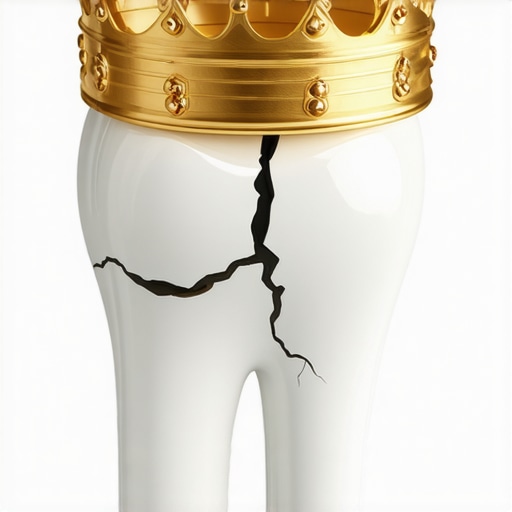
It was a typical Tuesday morning when I bit into my cereal, only to feel a sharp, sudden pain that took my breath away. At first, I thought it was just the cereal, but as I examined my smile in the mirror, I noticed a tiny crack running across one of my molars. That lightbulb moment hit me hard—how could something so small cause such a big problem?
If you’ve ever faced a cracked tooth, you know how unsettling it can be—like a ticking time bomb in your mouth. The fear of needing extensive dental work or losing that tooth altogether can be pretty overwhelming. But here’s something I learned from my own experience and countless conversations with dental pros: sometimes, the best solution isn’t a root canal or extraction, but a well-placed crown.
Today, we’ll explore why a dental crown might be the key to saving that compromised tooth and how it can restore your confidence, chewing function, and oral health. So, if you’re wondering whether a crown is worth considering, stick with me—by the end of this, you’ll have a clearer picture of how to make the right choice for your smile.
Why Ignoring a Cracked Tooth Can Worsen Your Dental Woes
Is a crown really the answer or just an overhyped procedure?
Early on, I made the mistake of thinking a small crack wasn’t a big deal. I thought, “It’ll probably just smooth out on its own,” or “I’ll wait until my next cleaning to ask the dentist.” But I didn’t realize that even tiny cracks can expand over time, exposing the inner pulp to bacteria, leading to infections or abscesses. According to dental expert advice, cracking your tooth doesn’t just cause pain—it can fundamentally weaken the structure, making it prone to breaking completely.
One of the reasons I was hesitant at first was my fear of the procedure itself. I worried about discomfort, costs, and the idea of having a ‘metal cap’ stuck on my smile. But, as I learned from considering options on [expert advice on crowns and teeth cleaning](https://periodontistcare.com/expert-advice-on-crowns-and-teeth-cleaning-for-lasting-results), modern crowns are durable, customizable, and can blend seamlessly with your natural teeth.
Early in my research, I also realized that a common mistake people make is delaying treatment, hoping the crack won’t get worse. Unfortunately, that kind of thinking can turn a manageable repair into a more invasive and costly procedure. Don’t wait until you’re dealing with a painful infection or a tooth that crumbles in your hand. Addressing a cracked tooth with a crown early on can preserve your natural tooth and prevent further damage.
If this situation sounds familiar—maybe you’ve felt that sharp pain after biting into something hard, or you’ve noticed a tiny line on your tooth during brushing—you’re not alone. Many people face this dilemma and wonder whether a crown truly makes sense.
Next, we’re going to dig into how crowns work, what you can expect from the procedure, and why they might be the smartest investment in your ongoing oral health. Ready to take control of your smile? Let’s get started!
Start with a Thorough Dental Clean
Before any crown fitting, schedule a professional cleaning to remove plaque, tartar, and surface stains—think of it as preparing a clean canvas for your masterpiece. Visit your dentist or hygienist for a deep cleaning, which not only boosts oral health but also ensures the crown fits perfectly without interference. During my own appointment, I was surprised at how much debris was cleared, making the subsequent procedures smoother.
Get a Precise Tooth Impressions
Next, the dentist will take detailed impressions of your tooth using a special molding material or digital scanning. Imagine trying to fit a tailor-made suit; precise measurements are key. This step guarantees the crown will match your natural teeth in shape and color. I watched the technician work meticulously, knowing that this small step determines the comfort and appearance of my future crown.
Choose Your Restoration Material Wisely
Discuss with your dentist about the best material for your crown—porcelain, metal, or a hybrid. Each has pros and cons depending on location and aesthetic needs. For my front tooth, I opted for a porcelain crown that mimicked my natural enamel, boosting confidence in my smile’s appearance. Think of this like selecting the right paint for a portrait; the right choice elevates the whole outcome.
Prepare and Shape the Tooth Surface
The dentist will then numb the area with a local anesthetic to ensure comfort. They’ll file down the damaged or cracked part of your tooth, much like sculpting clay to fit a mold. This shaping creates a secure base for the crown, emphasizing the importance of precision at this stage. During my procedure, I appreciated how carefully they worked to avoid unnecessary discomfort or over-shaping.
Place the Temporary Crown
Often, a provisional crown is placed to protect your tooth while the permanent one is crafted. This step is like wearing a mask while your outfit is being tailored—keeping your tooth safe and functional. I found that this temporary piece allowed me to eat and speak normally, giving peace of mind during the waiting period.
Schedule Follow-Up for Fitting
Once the custom crown is ready, you’ll return to the clinic for fitting. The dentist will check its fit, bite, and appearance before permanently cementing it. This step ensures comfort and function, preventing issues like misalignment or discomfort. When I finally received my permanent crown, the fit felt natural, much like my original tooth—proof that proper preparation makes all the difference.
Maintain Your Crown with Daily Care
After placement, establish a daily oral health routine that includes gentle brushing, flossing, and possibly using an antimicrobial mouthwash. Think of your crown as a valuable piece of jewelry—needs regular cleaning to keep it shining. Regular check-ups can catch any early issues, prolonging the life of your restoration. Visiting the links on effective home practices and caring for crowns will give you detailed tips for best results.Many patients assume that getting a dental crown is a straightforward fix, but there’s more beneath the surface that many practitioners and patients overlook. A common misconception is that crowns are a one-size-fits-all solution, when in reality, the success of a crown depends heavily on nuanced factors like material choice, placement technique, and follow-up care. For instance, ceramic crowns offer excellent aesthetics but may lack the strength required for molars subjected to heavy chewing, leading to fracture or chipping over time. Conversely, metal crowns, while durable, can cause aesthetic concerns, especially in visible areas—so understanding these subtleties helps in making informed decisions.
Another frequent mistake involves underestimating the importance of comprehensive oral health routines beyond just the crown installation. A well-placed crown can last decades, but neglecting overall oral hygiene can lead to gum recession, decay at the margins, or even crown failure. Regular family dentistry check-ups, combined with effective home practices like those outlined in [effective cleaning strategies](https://periodontistcare.com/teeth-cleaning-secrets-effective-home-practices-for-family-dental-health), can significantly extend crown longevity.
The ‘Oops’ factor here is ignoring the impact of ongoing habits, such as grinding or clenching teeth. These actions can exert excessive force on crowns, causing them to loosen or crack prematurely. Using a custom night guard can mitigate this risk, but many overlook it until damage occurs. This demonstrates the necessity of a proactive approach to overall oral health, including addressing underlying issues, rather than just focusing on immediate cosmetic concerns.
A point often missed by both patients and some dentists is the significance of connecting crown care with your broader health profile. Conditions like diabetes or osteoporosis can affect how well your gums and bone support your crowns, increasing the risk of failure. According to recent studies published in the Journal of Dental Research, systemic health has a direct influence on oral restoration success, emphasizing that dental health isn’t isolated but intertwined with overall wellness.
When considering teeth cleaning, many think it’s merely about removing surface plaque. In reality, professionally executed deep cleanings reach beneath the gum line, disrupting the bacteria responsible for periodontal disease. As explained in [the impact of regular cleaning](https://periodontistcare.com/the-impact-of-regular-teeth-cleaning-on-overall-oral-wellness), neglecting this can lead to bone loss and even jeopardize existing restorations like crowns. Skipping these crucial procedures can undermine your entire dental investment.
Finally, understanding the complex interplay between family dentistry and personalized oral health strategies can prevent common pitfalls. Routine check-ups not only catch early signs of decay or gum disease but also ensure that your crowns and other restorations are functioning optimally. Explore how [family-focused care](https://periodontistcare.com/family-dentistry-focus-building-a-lifetime-of-healthy-smiles) can safeguard your smile’s future.
Have you ever fallen into this trap of underestimating the nuances of oral health? Let me know in the comments. Remember, being aware of these lesser-known factors empowers you to make smarter choices for your dental well-being.
Keeping your dental crowns, teeth cleaning routines, and overall oral health in top shape requires more than just routine visits; it demands the right set of tools and methods. I’ve personally tested various equipment and digital resources to ensure longevity and effectiveness. The key is selecting high-quality, proven products that align with your specific needs.
Invest in an Electric Toothbrush with Pressure Sensors
My go-to tool is an electric toothbrush equipped with pressure sensors, like the Oral-B Genius X or the Philips Sonicare DiamondClean. The pressure sensors alert me when I’m brushing too hard — a crucial feature to prevent damaging sensitive crowns or gum recession. For preserving the integrity of restorations, gentle yet effective cleaning is vital, and these brushes make it easier to maintain consistent technique.
Utilize a Water Flosser for Daily Debris Removal
Water flossers, such as Waterpik, have become staple in my oral routine. They are especially invaluable for cleaning around crowns and bridges where traditional flossing can be difficult. The pulsating stream disrupts plaque buildup, reinforces family dental health, and keeps your gums healthy. An added bonus: they help you reach those tricky areas—if you want to master this technique, check out detailed tips on effective home practices.
Regular Use of a Tongue Scraper
Don’t overlook your tongue. I use a stainless steel tongue scraper daily to reduce bacteria that contribute to bad breath and plaque. It’s a simple, inexpensive step that greatly complements my oral hygiene and prevents the buildup that could affect crowns over time. Learning how to effectively incorporate this tool can elevate your routine significantly.
High-Quality Dental Mirror for Inspection
A good dental mirror isn’t just for professionals. I keep a small, magnified mirror at home to self-assess my oral health and catch early signs of issues. Such preemptive monitoring can save money and extend the life of restorations. Combined with regular family dentistry check-ups, it creates a robust defense against oral deterioration.
Advanced Software for Tracking Oral Health Trends
Looking ahead, digital tools like oral health tracking apps are gaining popularity. I recommend trying MySmilePlan, a platform that logs your daily habits, symptoms, and appointments. It helps identify patterns, plan preventative care, and communicate better with your dentist. These innovations are shaping the future of long-term oral health management.
Adopting these tools has transformed my approach into a proactive, informed process. For example, consistently using an electric toothbrush with pressure sensors has reduced my crown-related issues significantly. I encourage you to explore one or two of these recommendations, especially the advanced habits like tracking health trends, to see tangible improvements.
Remember, maintenance extends beyond tools. Regularly refresh your knowledge and routines through trusted resources like expert advice on crowns and cleaning. Be deliberate in choosing high-quality appliances — your smile is worth it.
To take a step further, consider experimenting with a comprehensive home care plan that integrates these equipment and practices. Small tweaks today can lead to long-term results, preserving your smile’s vitality for years to come.
The Hardest Lesson I Learned About crowns, teeth cleaning, family dentistry, oral health
One of the most eye-opening realizations I had was that neglecting small signs, like a tiny crack or subtle gum irritation, can lead to major setbacks. I once dismissed a minor crack, thinking it wasn’t worth immediate attention, only to see it worsen over time, jeopardizing my entire mouth health. This taught me to listen to my body and trust the expertise of my dentists, especially when it comes to proactive treatments like crowns and thorough family dentistry practices.
3 Myths About crowns, teeth cleaning, family dentistry, oral health That Held Me Back
- Myth 1: Crowns are purely cosmetic and not essential for damaged teeth.
Truth: Properly placed crowns can preserve a tooth’s function and prevent further decay. - Myth 2: You only need professional teeth cleaning if you notice issues.
Truth: Regular cleanings are preventive and protect your entire family’s oral health in ways everyday brushing can’t match. - Myth 3: Dental visits are only necessary when you’re in pain.
Truth: Routine check-ups catch problems early, saving you pain, money, and discomfort down the line.
What Experts Won’t Tell You About crowns, teeth cleaning, family dentistry, oral health
Many professionals emphasize the importance of durable materials and personalized care plans, but one insight they often omit is how systemic health influences oral restorations. For instance, managing conditions like diabetes can extend the lifespan of your crowns and prevent recurring issues. Additionally, bonding with your dentist and understanding the subtle signs of wear can make all the difference in avoiding avoidable repairs.
My biggest lightbulb moment was realizing that maintaining good oral health is a holistic effort, combining lifestyle, regular family dentistry routines, and technology like high-quality toothbrushes or water flossers. Adapting these strategies has profoundly improved my confidence and quality of life.
Fuel Your Smile: Tools That Elevate Your Care
From electric toothbrushes with pressure sensors to advanced mouthwashes, my toolkit has become essential. Trusted brands like Oral-B Genius X and Philips Sonicare DiamondClean provide gentle yet powerful cleaning, helping my crowns last longer. My go-to resource for brushing techniques is the comprehensive guide at effective home practices, which offers insights that complement professional advice.
Investing in a water flosser like Waterpik transformed how I clean around crowns and bridges, reaching places traditional floss can’t. A trusty dental mirror allows me to self-monitor, catching early issues. And exploring apps like MySmilePlan helps track our family’s oral health, making preventive care engaging and personal.
Remember, mastering oral health isn’t just about equipment; it’s about forging habits that protect your smile. Regular family dentistry check-ups combined with these tools create a resilient foundation for long-term wellness, enabling you to smile with confidence every day.
What I Wish I Had Known Before Starting My Crown Journey
- The worth of patience—getting the perfect crown is a process. Trust in your dentist’s craftsmanship can save you future frustrations.
- The power of routine—daily habits are the real heroes in preserving both your natural teeth and restorations.
- The importance of systemic health—managing related health issues can significantly extend crown lifespan and overall oral wellness.
- Investing in quality tools—high-grade toothbrushes, flossers, and monitoring apps might seem costly initially but pay off in longevity and confidence.
Keeping Your Smile Strong: Action Steps You Can Take Today
Now that you’ve learned these insights, it’s time to act. Schedule a comprehensive family dentistry check-up and consider upgrading your oral hygiene tools. Stay vigilant about subtle signs like tiny cracks or gum changes—early intervention is key. Remember, your smile is a reflection of your overall health, so nurture it actively. For more expert tips, explore the best strategies for lasting results and take charge of your oral wellness today!