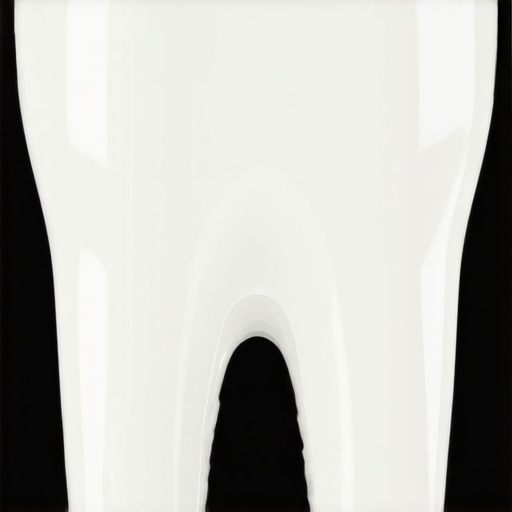
I still remember the exact morning my stomach dropped faster than the acid rising in my throat. I was standing in front of my bathroom mirror, toothbrush in hand, when I noticed something terrifying. The edges of my front teeth looked almost translucent, like wet paper. For years, my silent nighttime acid reflux had been waging a quiet war on my mouth, and I was unknowingly helping it win. You see, after a particularly bad night of heartburn, my immediate instinct was to grab my brush and scrub away the sour taste. That was the absolute worst thing I could have done. By brushing immediately, I was literally grinding the acid straight into my softened tooth structure, making me a prime candidate for future dental issues.
The Nighttime Acid Trap and Your Teeth
When you suffer from chronic acid reflux or GERD, your mouth becomes a hostile environment. Stomach acid is incredibly strong—strong enough to dissolve metal over time—and your teeth simply stand no chance without a proper defense strategy. Many people focus so heavily on the dietary aspect of reflux that they completely overlook the devastating impact it has on their daily oral health routine. I made the mistake of ignoring the warning signs until my dentist pointed out that my back molars were wearing down so flat they looked like stepping stones, a realization that eventually forced me to learn about protecting my smile before it was too late.
Is protecting your enamel actually worth the daily hassle?
You might wonder if you really need to change your entire routine just because of a little heartburn. The short answer is an absolute yes. Once your enamel is gone, it does not grow back. Your body cannot regenerate it. When the protective outer shell of your teeth erodes, you expose the sensitive dentin underneath. This leads to agonizing sensitivity, structural weakness, and a much higher chance of needing major restorative work down the road. According to research published by the National Institutes of Health, dental erosion is one of the most common oral manifestations of GERD, affecting up to 48% of chronic sufferers. If you want to avoid structural damage, you have to change how you react the moment that sour taste hits your mouth.
How to Safely Clean Your Mouth After a Reflux Flare-Up
When acid floods your mouth, your enamel temporarily softens. If you scrub your teeth right away, you act like sandpaper on wet chalk. Instead, the first thing you must do is neutralize the acid. Reach for a glass of water and rinse thoroughly, or better yet, mix in a teaspoon of baking soda to quickly restore a safe pH balance to your mouth. Knowing why you should stop rinsing with water immediately after brushing is important for normal days, but during an acid flare-up, rinsing thoroughly with water or a fluoride rinse beforehand is your absolute best shield. Have you ever looked closely at your teeth after a rough night of reflux and noticed any of this translucent wear? Drop a comment below and let me know—I’d love to hear how you are managing it.
When you are managing acid reflux, maintaining your oral health is not just about avoiding cavities; it is about preservation of the very foundation of your smile. Think of your enamel as the outer shield of a spacecraft. Once it is breached, the delicate interior is directly exposed to the harsh vacuum of space—or in this case, corrosive stomach acids. To prevent structural failure, you need a precise daily routine that acts as a buffer before, during, and after a reflux episode.
The Core Protocol for Acid Neutralization
The golden rule when acid enters the mouth is to neutralize first and clean second. If you brush immediately, you act like a heavy-duty sander on wet, freshly laid cement. You must wait at least thirty minutes for your saliva to naturally remineralize your enamel. During this critical window, you can dramatically accelerate the recovery process by rinsing with a simple mixture of warm water and a teaspoon of sodium bicarbonate (baking soda), which quickly drives the pH levels in your mouth back to a safe, alkaline state.
Why Saliva is Your Best Natural Shield
Your body has its own built-in defense mechanism against acid erosion. Saliva is packed with calcium and phosphate ions that work to rebuild microscopic weak spots in your teeth. You can read more about why your saliva is your best defense against decay to understand how this biological rinse cycle functions. To keep this natural defense flowing, stay well-hydrated throughout the day and consider using sugar-free xylitol gum to stimulate extra saliva production after meals.
Adapting Your Daily Cleaning Routine
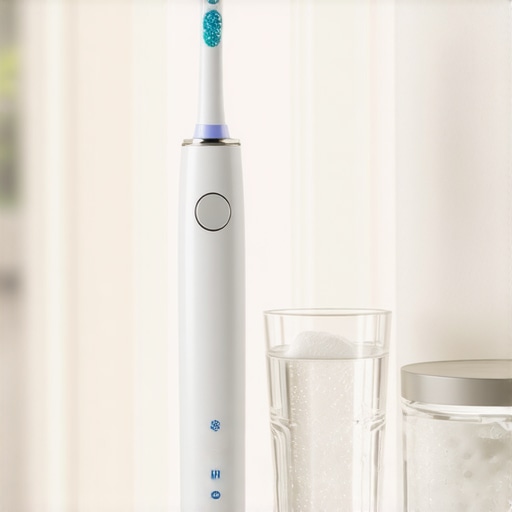
Your standard brushing technique might be doing more harm than good if you suffer from GERD. Hard-bristled brushes and abrasive whitening toothpastes can strip away softened enamel in a matter of weeks. Instead, switch to an extra-soft toothbrush and use gentle, circular motions rather than sawing back and forth across your gumline. For comprehensive details on maintaining your family’s oral health without causing unnecessary abrasion, take a look at these teeth cleaning secrets designed for daily home care.
How We Saved My Molars From Severe Wear
A few years ago, after my dentist pointed out the severe erosion on my lower molars, we had to act quickly to prevent the teeth from fracturing. I had to learn how to change my brushing style entirely. I used to scrub my teeth like I was cleaning a dirty grill. Making the conscious switch to a high-quality electric toothbrush with a built-in pressure sensor stopped me from destroying my remaining enamel, showing me firsthand how proper family dentistry focus can completely change the trajectory of your dental health.
What to Do When the Damage is Already Done
If acid reflux has already worn down your teeth to the point where they are constantly sensitive or structurally compromised, you may need a more robust restoration to protect what is left. Dental crowns are often the best solution for restoring the shape and strength of severely eroded back molars. Understanding how these restorations work is key, and you can explore how crowns can transform your dental confidence by providing a durable, acid-resistant shield over compromised teeth. Once in place, they prevent further acidic breakdown of the tooth structure underneath, giving you peace of mind during nighttime flare-ups.
While understanding how to neutralize acid is a great first step, let us dig deeper into the advanced nuances of managing severe reflux. There is a lot of well-meaning but ultimately destructive advice floating around in parenting forums and wellness blogs. In my experience, relying on general dental tips without understanding the chemistry of your mouth can actually accelerate enamel erosion.
The Dangerous Illusion of the Ultimate Clean Feel
Everyone tells you to scrub your teeth until they feel perfectly smooth, but this is a massive trap when dealing with chemical erosion. In the dental community, there is a common belief that any form of immediate cleaning after a meal is beneficial. However, a study published in the Journal of Dentistry confirms that brushing immediately after an acidic challenge causes significant, irreversible loss of softened enamel. When you are dealing with chronic acid reflux, your primary goal is chemical stabilization, not physical scrubbing. Thinking that you can simply brush away the acid is a fundamental misunderstanding of the impact of regular teeth cleaning on overall oral wellness. If your tooth structure is already compromised, aggressive physical cleaning is actually your worst enemy.
Why are your back teeth wearing down faster than your front teeth?
Many reflux sufferers are confused as to why their front teeth look relatively fine while their rear molars are severely damaged. During sleep, gravity works against you. Acidic vapor and fluids pool in the back of your throat, bathing your molars in a concentrated bath of gastric acid for hours. This localized pooling explains why your back molars always get the most cavities and experience rapid structural failure. If you try to fix this by scrubbing those back teeth extra hard with a standard toothbrush, you only speed up the thinning of the remaining enamel.
The Night Guard Trap Most Reflux Sufferers Fall Into
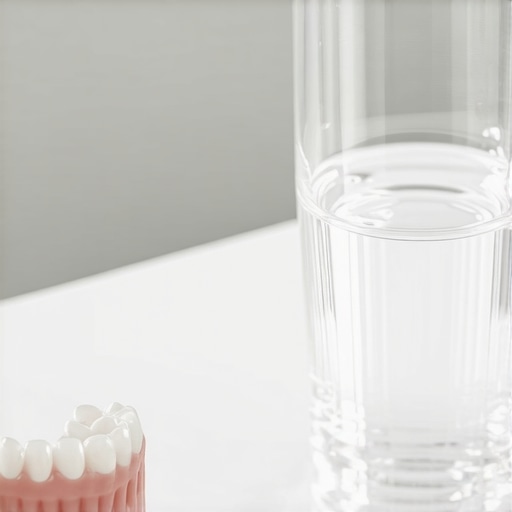
If you grind your teeth at night, your dentist might have prescribed a custom plastic night guard. While these devices are excellent for protecting teeth from physical wear, they can act as a deadly reservoir for gastric acid. If acid escapes up your esophagus during the night, it can pool inside the plastic guard, holding the corrosive liquid directly against your teeth for hours. This is why learning how to clean a night guard without damaging the plastic and ensuring it is completely sanitized before and after every single use is so critical. If you suspect you have nighttime reflux, wearing an unprotected guard without neutralizing your mouth first can cause rapid, widespread decay.
Protecting Restorations from Constant Acid Exposure
If you already have dental work, you are not out of the woods. Many people assume that once they get a crown, that tooth is permanently safe from acid. This is a dangerous myth. While the ceramic or porcelain material itself is highly resistant to acid, the underlying tooth structure at the gumline margin is still vulnerable. Without proper care, acid will seep under the edge of the restoration, leading to decay that can cause the crown to fail. To keep your restorations secure, you must master the art of caring for crowns and maintaining a neutral oral environment. Have you ever fallen into this trap of assuming your dental work was indestructible? Let me know in the comments below.
When you are managing acid reflux, the battle to preserve your teeth is won in the quiet, mundane daily routines. It is easy to stay vigilant during a massive flare-up, but the real challenge is keeping your oral defense strategy consistent week after week, year after year. Through trial and error, I have realized that relying on willpower is a losing game. You need a highly specific set of tools and a structured method to automate your oral protection.
The Tools I Personally Rely on Every Single Day
I do not believe in generic dental recommendations. Over the years, I have tested dozens of products, and only a select few have made a permanent difference in my fight against acid erosion. First, I completely abandoned standard manual toothbrushes. I now exclusively use a high-end electric toothbrush with a real-time pressure sensor and an app that tracks my brush coverage. If I brush too hard on my vulnerable enamel, the brush vibrates and drops its power. This tool alone has saved my remaining enamel by forcing me to adopt a gentle technique, which is a cornerstone of modern family dentistry focus.
Second, I use a dedicated pH-balancing mouthwash containing sodium bicarbonate and xylitol right before bed. This is not for fresh breath; it is a chemical shield. The xylitol stimulates saliva flow during the night when salivary glands naturally slow down, keeping my mouth’s natural defense active. To understand how crucial this is, look into how saliva acts as your best defense against decay. By actively boosting my saliva production before I sleep, I minimize the pooling of acid on my rear molars.
How do I maintain my enamel and dental work over time?
Consistency is key, but you must also adapt your routine as your teeth change. If you already have restorations protecting your teeth, your maintenance strategy must shift. You cannot treat a crown the same way you treat a natural tooth. Debris and acidic fluids love to settle at the microscopic margins where the porcelain meets your natural gumline. I use a specialized, ultra-fine interdental brush dipped in a tiny drop of fluoride gel to clean these margins every single night. If you want your restorations to survive the constant threat of reflux, mastering the basics of caring for crowns is non-negotiable for long-term survival.
The Future of Acid-Resistant Dental Care
Looking ahead, the dental industry is moving fast toward bio-mimetic materials. I predict that within the next decade, we will see the widespread adoption of smart, bioactive composite materials and crowns that actively release calcium and phosphate ions when they detect a drop in oral pH. Until those futuristic restorations are standard, we must rely on high-quality materials like zirconia. According to Dr. Gordon Christensen of Clinicians Report, zirconia has revolutionized restorative dentistry due to its incredible strength and resistance to chemical wear, explaining why zirconia crowns are often better for back molars that face constant acidic challenges. For now, combining these durable materials with a meticulous home care routine is your absolute best bet.
If you are tired of waking up with that sour taste and worrying about your enamel disappearing, I challenge you to try just one advanced tip tonight: mix a teaspoon of baking soda in a glass of warm water and use it as a pre-bed rinse. It takes thirty seconds, costs pennies, and completely neutralizes your oral environment before you sleep.
When you are managing acid reflux, the battle to preserve your teeth is won in the quiet, mundane daily routines. It is easy to stay vigilant during a massive flare-up, but the real challenge is keeping your oral defense strategy consistent week after week, year after year. Through trial and error, I have realized that relying on willpower is a losing game. You need a highly specific set of tools and a structured method to automate your oral protection.
The Tools I Personally Rely on Every Single Day
I do not believe in generic dental recommendations. Over the years, I have tested dozens of products, and only a select few have made a permanent difference in my fight against acid erosion. First, I completely abandoned standard manual toothbrushes. I now exclusively use a high-end electric toothbrush with a real-time pressure sensor and an app that tracks my brush coverage. If I brush too hard on my vulnerable enamel, the brush vibrates and drops its power. This tool alone has saved my remaining enamel by forcing me to adopt a gentle technique, which is a cornerstone of modern family dentistry focus.
Second, I use a dedicated pH-balancing mouthwash containing sodium bicarbonate and xylitol right before bed. This is not for fresh breath; it is a chemical shield. The xylitol stimulates saliva flow during the night when salivary glands naturally slow down, keeping my mouth’s natural defense active. To understand how crucial this is, look into how saliva acts as your best defense against decay. By actively boosting my saliva production before I sleep, I minimize the pooling of acid on my rear molars.
How do I maintain my enamel and dental work over time?
Consistency is key, but you must also adapt your routine as your teeth change. If you already have restorations protecting your teeth, your maintenance strategy must shift. You cannot treat a crown the same way you treat a natural tooth. Debris and acidic fluids love to settle at the microscopic margins where the porcelain meets your natural gumline. I use a specialized, ultra-fine interdental brush dipped in a tiny drop of fluoride gel to clean these margins every single night. If you want your restorations to survive the constant threat of reflux, mastering the basics of caring for crowns is non-negotiable for long-term survival.
The Future of Acid-Resistant Dental Care
Looking ahead, the dental industry is moving fast toward bio-mimetic materials. I predict that within the next decade, we will see the widespread adoption of smart, bioactive composite materials and crowns that actively release calcium and phosphate ions when they detect a drop in oral pH. Until those futuristic restorations are standard, we must rely on high-quality materials like zirconia. According to Dr. Gordon Christensen of Clinicians Report, zirconia has revolutionized restorative dentistry due to its incredible strength and resistance to chemical wear, explaining why zirconia crowns are often better for back molars that face constant acidic challenges. For now, combining these durable materials with a meticulous home care routine is your absolute best bet.
If you are tired of waking up with that sour taste and worrying about your enamel disappearing, I challenge you to try just one advanced tip tonight: mix a teaspoon of baking soda in a glass of warm water and use it as a pre-bed rinse. It takes thirty seconds, costs pennies, and completely neutralizes your oral environment before you sleep.
What Experts Won’t Tell You About Chemical Enamel Wear
When it comes to managing acid reflux and protecting your teeth, conventional advice often falls short. Here are the core insights I discovered after years of trial, error, and consultation with specialist clinicians:
- The Fluoride Myth: Many people assume standard fluoridated toothpastes are enough. When acid levels spike, you need specialized remineralization pastes containing calcium phosphate technology to actively rebuild the damaged matrix.
- Dry Mouth Acceleration: Many medications prescribed to treat GERD actually cause chronic dry mouth. This lack of saliva removes your primary defense mechanism, making the impact of regular teeth cleaning even more vital to prevent rapid decay.
- The Flossing Gap: Acid doesn’t just sit on the flat biting surfaces. It gets trapped between tightly spaced teeth where it stays concentrated for hours. Cleaning these tight spaces is non-negotiable if you want to avoid interproximal cavities.
The Daily Toolkit I Trust for Acid Defense
To consistently fight back against acidic breakdown, I have built a curated routine using tools that provide real, measurable protection. Here is what I rely on to maintain my health:
- pH Indicator Strips: I keep a small pack in my bathroom to occasionally test my saliva. It is an incredibly fast way to see if my body has naturally recovered from an acidic meal or a silent reflux episode.
- Xylitol-Rich Mints: Since chewing gum can sometimes trigger more acid production in the stomach, I prefer slow-dissolving xylitol mints to stimulate protective saliva without the stomach issues.
- Ultra-Soft Micro-Bristle Toothbrushes: Standard soft brushes can still act too abrasively on compromised enamel. Upgrading to micro-bristle options changed everything for my sensitive gum line.
- Alkaline Mineral Waters: Drinking water with a natural high pH during active heartburn episodes helps rinse the esophagus and neutralize any immediate acids in the oral cavity.
How to Take Control of Your Oral Future Today
It is incredibly easy to feel overwhelmed when you realize the extent of the damage acid reflux can cause. But remember, your teeth are resilient, and with the right adjustments to your oral health routine, you can stop the damage in its tracks. You do not have to change everything overnight. Start by swapping to an extra-soft brush, wait before you clean your mouth after meals, and prioritize chemical defense over aggressive scrubbing. By taking these small, deliberate steps, you can confidently preserve your natural teeth and protect your investment in restorative dental work for decades to come.
Have you ever noticed your teeth feeling extremely sensitive or looking translucent after a bad night of acid reflux? Let me know what strategies have worked best for you in the comments below!