
Ever had that sinking feeling when you realize your dental crown has just chipped or fallen out while you’re miles away from your dentist? I remember the first time it happened to me—I was on a family trip, enjoying a well-deserved vacation, when suddenly, I bit into an apple and felt that dreaded crunch. My heart sank. Not just because of the pain, but because I knew I was vulnerable with a broken crown and nowhere familiar nearby.
That moment taught me a tough but valuable lesson: dental emergencies can strike at the worst times. Whether it’s a loose crown, a chip, or a complete fall-out, knowing how to handle it can make all the difference between temporary discomfort and costly dental repairs.
Today, I promise to share my personal experience and guide you through simple, effective steps to manage a broken crown during your vacation. You’ll learn what to do immediately, how to protect your oral health, and when to seek professional help, all based on real-world scenarios. Because trust me, it’s not just about fixing the problem—it’s about preventing further damage and maintaining your smile.
Why a broken crown during vacation is more than just a nuisance
A chipped or loose crown might seem like a minor issue, but it can actually expose your tooth to bacteria, lead to sensitivity, or even cause infection if left unaddressed. Plus, a damaged crown diminishes your ability to chew properly, increasing the risk of further dental problems. Having faced this myself, I learned that quick, calm action is vital.
Did you know that according to the American Dental Association, more than 15 million crowns are placed annually in the U.S., and their durability depends greatly on regular care and timely repairs? Postponing repairs can turn a small mishap into a big expense.
So, what can you do when your crown fails far from home? How do you prevent the situation from worsening until you reach a dental professional? That’s exactly what we’ll explore next, helping you stay one step ahead in your oral health game. Whether you’re traveling for leisure or business, knowing these steps can save you from pain and costly visits. Ready to learn how to handle a broken crown like a pro? Let’s dive into the practical tips I wish I had known during my own mishap.
Stabilize the Crown Immediately
As soon as you notice your crown is chipped or loose, avoid panicking. Take a clean cloth or cotton swab and gently dry the area around the tooth to clear away saliva and food debris. If the crown is still partially attached, carefully try to reposition it back onto the tooth to prevent further damage. Use temporary dental cement or even a dab of orthodontic wax, which can often be found at pharmacies, to hold the crown in place temporarily. During my own trip, I kept some dental wax in my first aid kit, which proved invaluable for stabilizing a loose crown until I reached professional help.
Protect the Tooth and Surrounding Area
Next, avoid eating on the affected tooth to prevent additional chipping or irritation. Stick to soft foods like yogurt or mashed potatoes and chew gently on the opposite side. If there’s any sharp edge, carefully smooth it with a fine emery board or use orthodontic wax to cushion it. This is crucial because exposed dentin or nerve endings, much like an unprotected electrical wire, can cause sensitivity or pain. I learned this the hard way when I inadvertently bit into a crunchy snack, which intensified the discomfort; applying wax immediately helped me avoid further pain.
Manage Discomfort and Prevent Infection
If you’re experiencing pain or sensitivity, over-the-counter pain relievers such as ibuprofen can help. Rinse your mouth gently with warm saltwater—this acts like a natural disinfectant, reducing bacteria and preventing infection. Be cautious with temperature extremes; avoid very hot or cold foods and drinks until you can see a dentist. Remember, a crown protects a tooth much like a cover protects an electrical outlet—exposure can lead to bacteria entering and causing infection. To minimize this risk, I made sure to keep the area clean and avoided foods that could introduce bacteria or cause further harm.
Seek Professional Dental Care Promptly
While these immediate steps are vital, it’s essential to schedule an appointment with your dentist as soon as possible. Many dental practices, including family dentistry clinics, offer emergency slots or advice over the phone when you explain your situation. Visiting a professional ensures proper assessment and repair, preventing the issue from worsening. You can find qualified help through local directories or, if needed, contact a dentist at this link for guidance. When I finally arrived at my dentist, they examined the crown, cleaned the tooth, and bonded it securely, restoring both function and aesthetics. Proper care and prompt action ensure your smile remains intact, even when mishaps occur during your travels.
Additional Tips for Preventing Future Breakages
To prolong the lifespan of your crowns, maintain a diligent oral hygiene routine—brushing at least twice daily and flossing regularly. Avoid biting into hard or sticky foods that can stress the crown, much like avoiding overloading a fragile bridge. Regular checkups help identify potential issues before they escalate. Consider using these caring tips to keep your crowns in top condition. If your crown is already showing signs of wear, consult your dentist for reinforcement options, ensuring your dental work withstands the rigors of everyday life and travel alike.While many believe that getting a dental crown is a straightforward solution, the reality is far more nuanced. One common misconception is that crowns are permanent and require no further maintenance, but in truth, their longevity depends heavily on proper care, especially the little-known nuances of oral hygiene routines.
Are All Crowns Created Equal in Durability?
Some assume that all crowns, whether zirconia or porcelain, are equally resilient. However, studies show that material choice significantly affects durability, especially in patients with bruxism or clenching habits. For example, zirconia crowns tend to withstand grinding better than porcelain ones, which are prone to chipping—yet many overlook this when choosing their treatment, increasing the risk of premature failure. To maximize crown lifespan, regular checkups are essential; I recommend consulting these expert tips for ongoing maintenance.Maintaining dental crowns over time requires a combination of proper tools, consistent routines, and a proactive approach. Personally, I swear by a high-quality ultrasonic toothbrush like the Philips Sonicare DiamondClean, which I recommend because its sonic technology effectively disrupts plaque and biofilm around crowns and natural teeth without causing abrasion. Its timer and pressure sensors also help prevent over-brushing, which can compromise crown edges. For daily cleaning, I use interdental brushes—specifically the TePe interdental brushes—designed to reach behind crowns and between teeth where floss might miss, ensuring thorough plaque removal in hard-to-reach areas.
How do I maintain my crowns over time?
Regular professional cleanings are crucial. I schedule semi-annual visits with my dentist, during which they perform ultrasonic scaling to remove tartar and check for any signs of crown wear or marginal leakage. For at-home maintenance, I employ fluoride rinses, like ACT Restore, to strengthen the surrounding enamel and prevent decay that can jeopardize crowns. Quality dental floss, such as Glide Pro-Health, is also indispensable for daily interdental cleaning. Additionally, I avoid excessively hard, sticky foods that could chip or dislodge the crown, much like how a reinforced bridge withstands stress due to careful handling.
It’s also essential to monitor for any issues like sensitivity or gum recession around the crown. If you notice persistent discomfort or changes in fit, consult your dentist promptly—delaying repairs can lead to more extensive damage. Remember, a well-maintained crown can last upwards of 15 years with proper care, and using the right tools can significantly extend its lifespan.
Looking ahead, advancements such as AI-powered scanning devices might soon facilitate even more precise maintenance routines, detecting early signs of deterioration before symptoms appear. Embracing these innovations, along with proven tools, helps ensure your dental restorations remain functional and beautiful for decades.
For additional insights on maximizing crown longevity, check out these expert tips. Don’t forget to incorporate advanced tools like ultrasonic toothbrushes into your daily routine—your smile will thank you! 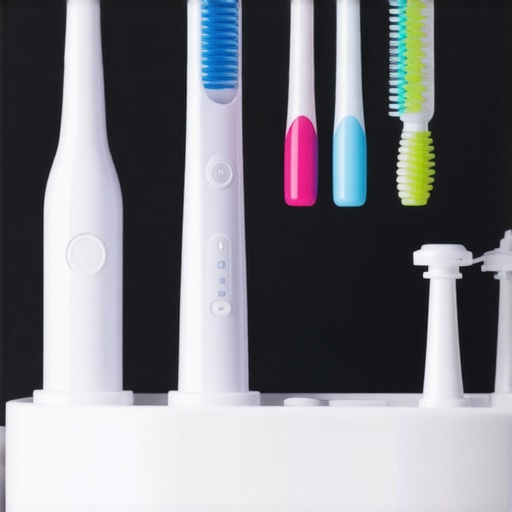

Why I Stopped Taking My Dental Crowns for Granted
One unexpected moment during my travels revealed that even the most durable crowns need vigilant care. I learned that a simple chip isn’t just a cosmetic issue; it can threaten your tooth’s health and longevity. Paying attention to small signs and acting promptly can save you from bigger problems down the road.
What I Wish I Had Known Before My Emergency
Realizing that temporary fixes can only do so much, I discovered that having the right toolkit and knowing when to seek professional help made all the difference. Maintaining a proactive approach to my oral health has kept my smile intact longer than I imagined.
Tools and Tips That Became My Go-To
From using orthodontic wax to protect sharp edges to scheduling regular checkups with my dentist, I found that consistent, simple practices prevent small issues from escalating. These lessons are invaluable for anyone looking to extend their crown’s lifespan.
Curating My Dental Support System
I rely on a few trusted products: ultrasonic toothbrushes, interdental brushes, and fluoride rinses—each chosen for their effectiveness in safeguarding crowns. Building this personal toolkit has transformed my daily routine and boosted my confidence in my oral health care.
Remembering that Your Smile Is a Long-Term Investment
Every denture, crown, or veneer is part of your story. Prioritizing regular maintenance, being attentive to changes, and seeking expert advice can ensure your smile remains bright and strong for years to come. The journey toward a healthy, resilient smile starts with small, consistent steps today.