I remember sitting on my sofa two years ago, clutching a glass of room-temperature water like it was a life preserver. I had just peeled off a ‘professional strength’ whitening strip, and every time I breathed in, it felt like a tiny lightning bolt was striking my front teeth. I had made the classic mistake of thinking that ‘more time’ meant ‘more white.’ Instead, I just ended up with a mouth that felt like it was plugged into a light socket. It was a visceral, throbbing realization that I was doing it all wrong. We have all been there—trying to brighten our smiles for a big event only to end up regretting every second of the process because of that sharp, shooting pain. Today, I am sharing the exact routine I use now to get a brighter smile without the agony, because you deserve to look great without feeling like your nerves are on fire.
The Night I Thought My Teeth Might Actually Explode
I used to think that pain was just the price of beauty. I would ignore the warning signs, even when my gums turned white after using whitening strips. I was so focused on the results that I ignored the health of my enamel. The truth is, my early failures were caused by a total lack of preparation and an ‘all-or-nothing’ attitude. I didn’t realize that an oral health routine focused on strengthening your smile was the literal foundation for safe whitening. If your enamel is thin or dehydrated, those chemicals are going to find a direct path to your nerves every single time. According to research published in the Journal of the American Dental Association (JADA), hydrogen peroxide can quickly penetrate the enamel and reach the pulp chamber, leading to the inflammatory response we know as ‘zingers.’ This is why the ‘helpful neighbor’ advice is always to slow down. I started by swapping out my harsh products and actually listening to what my teeth were telling me. I found that whitening teeth with thin enamel requires a much more surgical, gentle approach than the back of the box suggests.
Is this kind of sensitivity actually permanent?
This is the number one fear I hear from friends. They worry they have traded a white smile for a lifetime of cringing at ice cream. The good news is that for most of us, this ‘dentinal hypersensitivity’ is transient. However, the mistake I made early on was not using a desensitizing agent before I even opened the whitening box. By pre-treating your teeth, you can actually block those tubules and keep the whitening agent from being so aggressive. Have you ever had to stop a whitening treatment halfway through because the shooting pains were just too much to handle? You aren’t alone, and you don’t have to just ‘tough it out.’ There is a better way to manage your overall oral wellness while still chasing that perfect shade of white. We are going to look at the prep work that makes all the difference.
Start Strengthening Two Weeks Early
Before you even touch a whitening kit, you need to treat your mouth like an athlete prepares for a marathon. I learned this the hard way during a rainy Tuesday in October. I had a wedding that weekend and decided to go ‘full strength’ on a whitening gel without any prep. Ten minutes in, I was hunched over the sink, my mouth pulsing with a localized ache that felt like I was biting down on a live wire. Since then, I have realized that the real magic happens fourteen days before the whitening starts. You need to saturate your teeth with potassium nitrate. This isn’t just a fancy chemical name; it is the stuff in desensitizing toothpaste that literally plugs the microscopic holes in your enamel. By incorporating teeth cleaning secrets and effective home practices into your daily life, you build a fortress around your nerves. I now use a sensitivity-focused paste twice a day for two full weeks before applying any bleach. It creates a chemical ‘shield’ that prevents the whitening agent from triggering that inflammatory response. 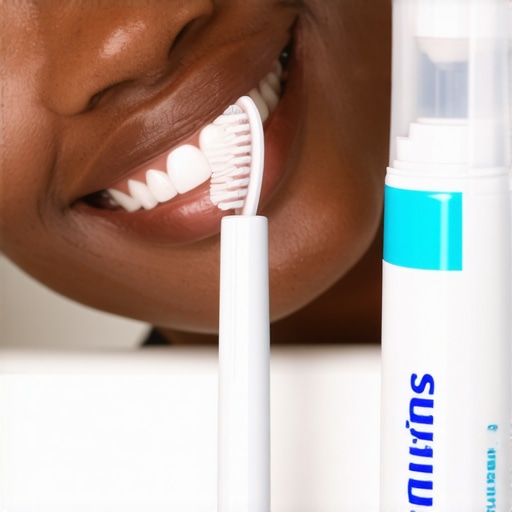
Pick Your Whitening Agent with Surgical Precision
Not all gels are created equal, and if you have sensitive teeth, the standard ’30-minute’ strips are probably too aggressive for you. Most people don’t realize that carbamide peroxide is often much more tolerable for sensitive users than straight hydrogen peroxide because it breaks down more slowly. When you are looking at the best way to whiten teeth if you have thin enamel, you want a lower concentration used for a longer period rather than a high-intensity blast. Think of it like a slow cooker versus a microwave; the slow approach gets the job done without burning the edges. If you have a history of dental work, remember that why your new filling feels sensitive to cold air is the same reason those areas will react to whitening—the seal might be slightly different than your natural tooth.
Shorter Sessions Are Your Secret Weapon
The instructions on the box are a suggestion for the ‘average’ person, but you are not average if your teeth are sensitive. My breakthrough happened when I cut the application time in half. Instead of thirty minutes, I did fifteen. I did it more frequently, but for much shorter bursts. This ‘micro-dosing’ approach allowed my enamel to recover between sessions. During this phase, it is also crucial to be extremely gentle with your physical cleaning. This is why your dentist wants you to stop using hard bristles—scrubbing away at your teeth while they are temporarily dehydrated from whitening is a recipe for disaster.
Protect Your Results Without Sacrificing Your Lifestyle
Once you achieve that shade of white, you don’t have to live on a diet of white bread and water. The key is to minimize the contact time of staining agents. If you can’t give up your morning cup, there are specific strategies on how to keep your teeth white without giving up red wine or coffee, such as rinsing with water immediately after drinking. I personally carry a small travel-sized bottle of water with me everywhere during whitening weeks. It sounds obsessive, but that simple rinse stops the pigments from settling into the freshly opened pores of your enamel.While we are on the subject of aesthetics, let’s talk about the ‘forever fix’ myth. When I got my first porcelain cap, I honestly thought I’d bought myself a bionic tooth. I figured since porcelain cannot decay, I could slack off on that specific spot. This is the single biggest mistake people make when understanding the role of crowns in modern smile makeovers. You see, while the crown itself is immune to cavities, the tiny sliver of natural tooth at the gum line—the margin—is actually more vulnerable than ever. If you aren’t following the maintaining your dental crowns dos and donts for best results, you are essentially leaving the back door of your house unlocked while bolting the front door. Most people assume that because their tooth was ‘saved,’ the work is finished. But why your dentist recommends a crown after a root canal isn’t just about looks; it’s about structural integrity. If you let plaque sit at that margin, bacteria can tunnel underneath the restoration. According to the American College of Prosthodontists, recurrent decay at the margin is the primary reason for crown failure, not the porcelain breaking. This is why expert advice on crowns and teeth cleaning for lasting results emphasizes precision over power. You don’t need to scrub harder; you need to clean smarter. 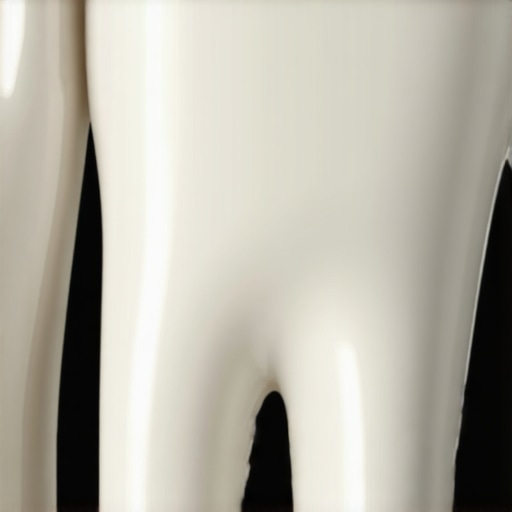
Your New Crown Is Not a Get Out of Jail Free Card
In my household, we treat dental health as a team sport. When it comes to family dentistry focus building a lifetime of healthy smiles, I’ve had to teach my kids that a filling or a crown isn’t just a ‘fix,’ it’s a second chance. We often see parents think that because a child has a silver cap or a sealant, that tooth is invincible. In reality, oral health tips every family should follow in 2025 suggest that these restored areas require even more diligent flossing than natural ones. The ‘oops’ factor here is the false sense of security. I once skipped flossing around my crown for a month because I thought it was ‘protected.’ I ended up with gum inflammation that nearly required a surgical correction. Don’t fall for the trap that artificial materials mean less work; they actually require a higher level of oral health routine focused on strengthening your smile to keep the biological foundation healthy.
Can a crown actually hide a developing cavity?
Absolutely, and that is the hidden nuance most people miss. Because porcelain is opaque on X-rays, a cavity starting right under the edge can be incredibly difficult to spot until it causes major pain or the crown literally falls off. This is where the impact of regular teeth cleaning on overall oral wellness becomes non-negotiable. Professionals have the specialized tools to check that seal in ways your mirror at home never can. Also, many people try to whiten their crowns along with their natural teeth using over-the-counter kits. However, porcelain does not respond to bleach. If you try to force it, you might actually end up with a mismatched smile or, worse, use an abrasive that scratches the surface and attracts more stains. Learning how to keep your porcelain crown from staining over time is about prevention through diet and gentle polishing, not aggressive chemical correction. Have you ever fallen into the trap of thinking a dental treatment was ‘set it and forget it’? Let me know in the comments.
The Gadgets That Actually Save My Smile Every Morning
I realized early on that my hands just aren’t as precise as a specialized tool when it comes to keeping my dental work pristine. If you have a crown, you know that ‘sticky’ feeling you get near the gumline that regular brushing just won’t touch. I personally swear by a high-end water flosser, but here is the secret: I never use it on the highest setting. I use the ‘pulse’ mode because it dislodges debris without putting unnecessary hydraulic pressure on the cement seal of my restoration. When you are cleaning between teeth if you have tight spacing, a water flosser is a game changer because it reaches the ‘impossible’ angles that traditional string floss misses. I also integrated an electric toothbrush with a visible pressure sensor. It sounds like a gimmick until the light flashes red, telling you that you are literally scrubbing away your gums. This is crucial because your dentist wants you to stop using hard bristles and heavy pressure that lead to recession, which exposes the vulnerable edges of your crowns. 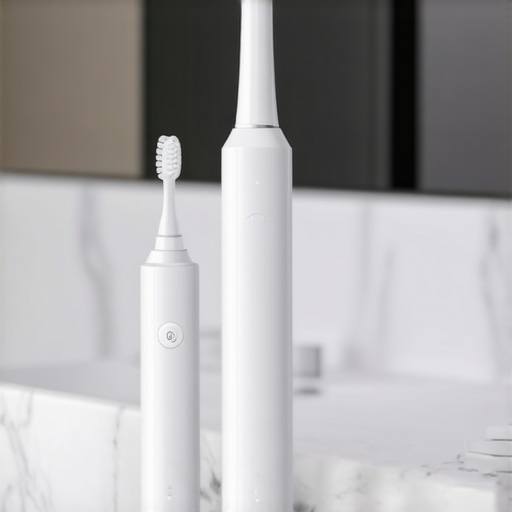
How do I keep my dental work looking brand new for years?
Maintenance isn’t just about what you do; it is about what you use. I have switched almost entirely to interdental brushes—those tiny, flexible ‘Christmas tree’ brushes—for my evening routine. According to a longitudinal study published in Clinical Oral Investigations, patients who utilized interdental brushes showed a significant reduction in plaque index specifically around fixed prosthetic margins compared to those who used floss alone. This technical precision is what provides expert advice on crowns and teeth cleaning for lasting results. I make sure to dip the brush in a non-alcohol-based fluoride rinse before sliding it between the teeth; it’s like a deep-cleaning treatment for the most vulnerable part of your mouth. By following these essential tips for longevity and shine, you ensure that your investment doesn’t literally rot from the inside out.
The Future of Your Bathroom Counter
Looking ahead, we are moving toward an era of ‘personalized diagnostics.’ I’m already seeing the rise of smart toothbrushes that map your mouth in 3D on your smartphone, showing you exactly where you missed a spot around your crown or filling. In the next few years, I expect we will see bio-active toothpastes that don’t just protect enamel but actually help remineralize microscopic defects before they become full-blown cavities. This shift toward proactive, data-driven care is the ultimate goal of overall oral wellness. We are moving away from ‘fixing problems’ and toward ‘preventing the environment’ where problems grow. If you want to level up right now, I highly recommend buying a pack of ‘disclosing tablets.’ Chew one after you brush tonight; it will dye the plaque bright purple and show you exactly where your current routine is failing you. It’s a humbling but necessary reality check for anyone serious about maintaining dental crowns for the best results.
Lessons I Learned the Hard Way About My ‘Fixed’ Smile
Looking back at my dental journey, the most significant shift wasn’t in the products I bought, but in how I viewed my restorations. First, I had to accept that a crown doesn’t mean a tooth is ‘finished’—it actually means it needs a higher level of precision. I used to think I could be lazy with my back molars, but learning how to stop your crown from smelling like old food taught me that bacterial buildup is a silent threat that can hide in plain sight. Second, I realized that why hard brushing actually makes your teeth look darker is due to wearing down the very enamel you are trying to brighten, exposing the yellowish dentin underneath. Lastly, I’ve learned to treat sensitivity as a vital signal rather than a side effect to ignore. If you are questioning a sharp pain, it is crucial to know how to tell if your tooth sensitivity is actually a secret cavity before you reach for any high-strength whitening gel.
The Toolkit I Use to Keep My Smile From Fading
I don’t leave my oral health to chance anymore; I use a curated set of tools that prioritize the longevity of my dental work and the health of my gums. I rely heavily on interdental brushes to reach those tiny gaps at the crown margins, which has been far more effective for me than traditional string floss. #IMAGE_PLACEHOLDER_E# I also suggest keeping a close eye on oral health tips every family should follow in 2025 to stay ahead of emerging preventative technologies. For research, I always cross-reference my habits with the American Dental Association standards to ensure I’m not falling for social media trends that might damage my porcelain. Finally, I’ve seen firsthand how crowns can transform your dental confidence, but only when they are paired with a desensitizing toothpaste containing 5% potassium nitrate to keep the underlying nerves calm.
Your Path to a Confident, Pain-Free Smile
Building a bright smile is a marathon, not a sprint. Whether you are prepping for a major life event or just want to maintain your investment, the secret lies in the small, intentional choices you make at your bathroom sink every morning and night. By prioritizing a gentle approach and staying consistent with your hygiene, you can achieve the high-end aesthetics you want without the physical toll of sensitivity. Your oral health routine focused on strengthening your smile is the best gift you can give your future self. Have you ever felt that sharp ‘zinger’ during whitening or struggled with unexpected sensitivity around a dental crown? Let me know your experience in the comments below!