
I will never forget the afternoon my wife leaned over in the car and asked if I had been sneaking gummy bears again. I was three weeks into a strict low-carb regimen, and I had not touched a gram of sugar. I was confused because I felt great, but she insisted my breath smelled like artificial strawberries. It was not the usual morning breath or the post-coffee funk; it was sweet, cloying, and honestly, a little alarming. I realized then that my body was sending me a signal I did not quite understand yet.
Your Body is Burning Fat and Telling the World About It
No, you are not turning into a human orchard. That fruity scent is actually a chemical byproduct called acetone. When you drastically cut back on carbs, your body enters a state called ketosis where it burns fat for fuel instead of glucose. This process creates ketones, and acetone is one of them. It is the same stuff in nail polish remover, and it escapes through your breath and sweat. Early on, I made the huge mistake of thinking that because I was not eating sugar, I could relax my daily oral health routine. I thought no sugar meant no bacteria. I was wrong, and my breath only got weirder because I was not managing the biological shift happening in my mouth. Have you ever noticed a strange, sweet taste or smell while trying to drop a few pounds?
Does Keto Breath Mean You Should Stop Your Diet?
Not necessarily, but you do need to listen to what it is saying. While that fruity odor is usually just a sign of fat-burning, it can sometimes be a red flag. According to the Mayo Clinic, an extremely fruity breath can be a symptom of diabetic ketoacidosis, which is a serious medical emergency. For most of us, though, it is just an awkward phase of dieting. The real problem is that ketosis often comes with a decrease in saliva production. We know that dry mouth affects oral health by allowing plaque to settle more easily. To keep things fresh, I had to double down on my habits and realize that regular teeth cleanings are even more vital when your body chemistry is in flux. Today, we are going to dive into how to neutralize that scent without breaking your fast or quitting your goals.
Drink More Water Than You Think You Need
To beat that metallic or fruity scent, you have to treat your mouth like a flushing system. When you are in ketosis, your body is actively trying to expel acetone through any exit possible, including your lungs and saliva. If your mouth stays dry, those ketones become concentrated, and the smell intensifies. I learned this the hard way during a business meeting in 2022. Three weeks into a deep keto run, I had gone two hours without a sip of water. Every time I spoke, I noticed my colleague leaning back just an inch. I could feel my saliva getting heavy and viscous, a clear sign of thick and sticky saliva caused by dehydration. I actually had to excuse myself to the restroom to rinse my mouth with cold water just to feel socially acceptable again. To keep your breath neutral, you should be sipping water consistently throughout the day. This does more than just wash away the smell; it helps mitigate the effects of dry mouth, which is a common side effect of low-carb living.
Attack the Tongue Biofilm Directly
That white coating you see on your tongue when you wake up? On a keto diet, that film is a magnet for the volatile organic compounds that cause the ‘keto stink.’ Brushing your teeth alone will not cut it because the bacteria and ketones hide in the deep grooves of your tongue’s surface. You need to use a dedicated tongue scraper twice a day. If you find that your breath smells bad even after using a tongue scraper, you might need to look deeper into your hydration levels or check if you are missing the very back of the tongue where most bacteria thrive. 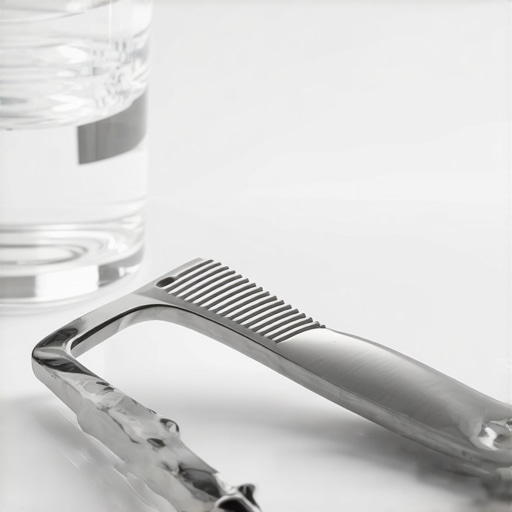
Protect Your Crowns from Acidic Shifts
Many people don’t realize that ketosis can slightly alter the pH balance of your mouth, making it more acidic. This environment is not just bad for your breath; it can be tough on dental work. If you have restorative work, you must stay diligent with caring for crowns to ensure that the marginal seals don’t become breeding grounds for bacteria. When I was at a wedding last year, fully committed to my diet, I was constantly worried that the shift in my oral chemistry might affect the integrity of my dental work. I made sure to use an alkaline-based, fluoride-rich mouthwash to neutralize the acid.
Why Professional Scaling Is Your Secret Weapon
While home practices for family dental health are your first line of defense, the metabolic shift of ketosis can lead to faster plaque mineralization in some people. This is why regular teeth cleaning is non-negotiable. A professional can reach the areas where the ‘acetone breath’ is most persistent, specifically around the gum line where ketones can actually be secreted through the gingival crevicular fluid. I found that scheduling a cleaning halfway through my weight loss journey was the only way to truly reset my oral environment and get rid of that lingering metallic taste for good.The common wisdom suggests that once a dental crown is seated, that tooth is essentially ‘armored’ and safe from further trouble. I used to believe this myself, until I realized that a crown actually increases the complexity of your oral health routine rather than simplifying it. In my experience, the junction where the porcelain meets your natural gum line—known as the margin—is the most volatile neighborhood in your mouth. When you are in deep ketosis, the shift toward a more acidic oral environment can accelerate the breakdown of the luting cement if you are not vigilant. According to research published by the American Dental Association (ADA), an oral pH that frequently drops below 5.5 significantly increases the risk of ‘secondary caries’ at the margins of restorations. This is the ‘Oops’ factor many dieters miss: your diet isn’t just changing your waistline; it is testing the seals on your dental work.
Your Crown Isn’t a Titanium Shield
While the porcelain itself won’t decay, the tiny sliver of natural tooth exposed at the gum line is more vulnerable than ever. If you have been relying on the idea that how long a porcelain crown lasts is solely up to the dentist, you are missing half the equation. You need to be specifically targeting those margins with a high-quality fluoride rinse to counteract the metabolic acidity. Most people get this wrong by thinking they can skip the flossing around a crown because ‘it is not a real tooth.’ That mistake is exactly how you end up needing a replacement years before you should.
Why does my crown feel sensitive only when I am deep in ketosis?
This is a sophisticated question I get often. It is usually not the crown itself, but the gum tissue reacting to systemic changes. When your body is flushing ketones, your gingival crevicular fluid—the fluid in the small space between your tooth and gum—changes in composition. This can lead to localized inflammation. If you notice this, it is a signal that maintaining your dental crowns requires a temporary increase in anti-inflammatory care, such as saltwater rinses or switching to a softer brush.
Stop Scrubbing Your Enamel Away
One of the biggest traps I see people fall into when trying to mask ‘keto breath’ is reaching for abrasive ‘natural’ cleaners. There is a massive trend right now toward charcoal-based products, but the truth about charcoal toothpaste is that it can microscopically scratch your porcelain restorations and thin out your natural enamel. These micro-scratches actually make it easier for stains and bacteria to cling to your teeth in the long run. Instead of scrubbing harder, focus on neutralizing the chemistry. I have found that integrating expert advice on crowns and teeth cleaning into your daily life means choosing products that support the remineralization of your enamel rather than those that mechanically strip it. Furthermore, if you are fasting, you might be clenching your jaw more due to increased cortisol—this is where how a simple night guard can save you thousands becomes relevant. Mechanical stress combined with chemical acidity is a recipe for a dental emergency. Have you ever fallen into the trap of thinking a crown was invincible or tried a ‘hack’ that backfired? Let me know in the comments.To keep your smile functioning like a well-oiled machine, especially when you are experimenting with metabolic shifts like ketosis, you have to move past the ‘drugstore aisle’ mentality. I personally switched to the Waterpik Aquarius (WP-660) three years ago, and it changed the game for my restorative work. Traditional floss is great, but it often glides right over the microscopic ledge of a crown margin without clearing the debris. The pulsation technology in a high-end water flosser creates a hydraulic force that flushes out the ‘keto-acid’ saliva from those tight spaces. If you are serious about caring for crowns, this is not a luxury; it is a necessity for preventing the bacterial buildup that leads to localized inflammation.
Upgrade Your Arsenal Beyond the Standard Brush
I also recommend moving to a smart electric toothbrush, specifically something like the Sonicare DiamondClean. Why? Because it has a pressure sensor that prevents you from ‘scrubbing’ your gums raw when you are stressed or over-caffeinated. When I am deep into a work project, I tend to brush too hard, which can cause gum recession. Receding gums are the number one enemy of dental work because they expose the vulnerable root. By following expert advice on crowns and teeth cleaning, you realize that the goal isn’t just a white smile—it is a stable foundation.
How do I maintain my dental work for decades?
The secret lies in the synergy between your home care and professional intervention. You cannot ‘hack’ your way out of professional scaling. According to a study published in the Journal of Dental Research, ultrasonic debridement (scaling) is not just about comfort; it is about the ‘acoustic turbulence’ that disrupts bacterial biofilms far more effectively than manual scraping alone. I make it a point to ask my hygienist for ultrasonic cleaning specifically because it handles the delicate margins around my crowns with much higher precision. This professional reset is what allows your oral health routine to actually be effective once you get back home.
Why 2025 Will Change How You View Oral Hygiene
Looking ahead, I predict we are going to see a massive shift toward personalized salivary diagnostics. Imagine a world where your toothbrush analyzes your ketone levels and pH balance in real-time, sending an alert to your phone when your mouth becomes too acidic for your crowns to handle. We are already seeing the first wave of this with oral health tips for 2025 focusing on the oral microbiome rather than just ‘killing bacteria.’ We are moving away from scorched-earth mouthwashes and toward products that seed healthy bacteria. This is especially important for building a lifetime of healthy smiles for the next generation. If you haven’t already, I strongly encourage you to try one advanced tip: swap your manual floss for a high-quality water flosser for just two weeks. You will be shocked at what your ‘clean’ teeth were still hiding.
Lessons My Teeth Taught Me About Low-Carb Living
Reflecting on my journey, the biggest surprise was realizing that sugar isn’t the only enemy of a healthy smile. Even when you are avoiding sweets, the metabolic shift of ketosis creates an acidic environment that can be tough on your dental work. I’ve learned that the biological shift of dieting requires a more proactive oral health routine than I ever imagined. Here are a few lightbulb moments I wish I had known sooner:
- Your crown isn’t an invincible shield; the margin where it meets the gum is the most vulnerable point for bacterial buildup during ketosis.
- Saliva is your best friend, but diet-induced dehydration can turn it into a sticky trap for plaque that accelerates decay.
- Professional intervention is faster and more effective than any at-home hack when you need to reset your oral pH for long-term stability.
By following specific strategies for maintaining your dental crowns, you can ensure your investment lasts for decades, even as you change your lifestyle and body chemistry.
My Non-Negotiables for Crown Longevity
If you want to stay ahead of the ‘keto stink’ and protect your restorations, you need the right tools in your bathroom cabinet. I don’t just recommend these because they are popular; I use them because they actually solve the mechanical problems of caring for crowns. First, a high-quality water flosser is a must for flushing out the gingival fluid that carries those smelly ketones. Second, an electric toothbrush with a pressure sensor ensures you aren’t over-brushing and causing gum recession. Finally, stay updated with the latest oral health tips for 2025 to transition from old-school cleaning to modern microbiome management. These tools are the foundation for building a lifetime of healthy smiles.
#IMAGE_PLACEHOLDER_E#
Taking Control of Your Oral Future
Navigating the intersection of diet and dental health can feel overwhelming, but remember that your body’s signals are there to guide you, not stop you. Whether you are seeking a complete smile overhaul or just trying to fix that lingering metallic taste, the key is consistency and professional support. Don’t let a temporary metabolic shift discourage you from pursuing your weight loss goals. With the right expert advice on crowns and teeth cleaning, you can have both a fit body and a flawless smile that lasts a lifetime. Have you ever noticed your breath changing during a diet, or have you found a specific tool that keeps your crowns feeling fresh? Let me know in the comments below!