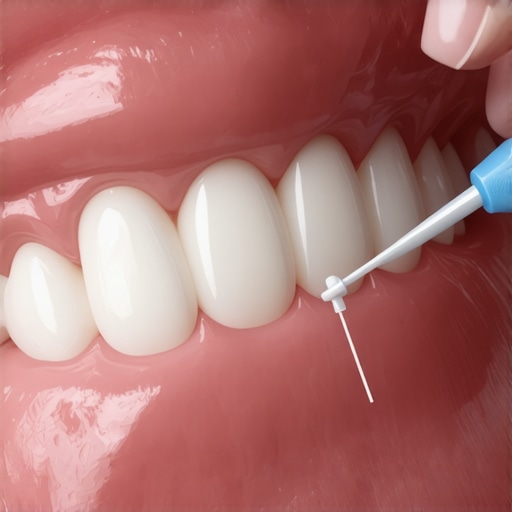
I remember staring into my bathroom mirror last Tuesday night, clutching a piece of waxed string like it was a lifeline, only to feel that immediate, sharp zing of regret. I’d gone nearly three weeks without flossing—life just got in the way with late shifts and a toddler who treats bedtime like a wrestling match—and my mouth was absolutely paying the price. By the time I finished, my gums weren’t just sore; they felt like they’d gone three rounds with a heavyweight boxer. If you are sitting there right now with a dull ache in your jaw, wondering why doing something good for your health feels so remarkably bad, believe me, I have been in those exact slippers. We are going to dig into why this happens and how you can get back on track without feeling like you are performing surgery on yourself every night.
Your Gums Are Basically Throwing a Temper Tantrum
I made the classic mistake of thinking that as long as I was using a high-end toothbrush, I could slack off on the gaps between my teeth. I convinced myself that strengthening my smile was mostly about the surfaces I could see. But the truth is, when you stop flossing for weeks, the bacteria in your mouth don’t just take a vacation. They set up camp. Within days, that soft plaque starts to harden, and your immune system sends an army of white blood cells to the area to fight off the invaders. This constant state of high alert leads to inflammation. When you finally reintroduce floss into that war zone, you are essentially poking an already irritated wound. It is no wonder your gums still bleed or feel tender even if you think you are being gentle. You aren’t just cleaning; you are disrupting a localized infection that has been brewing while you were busy with life. According to the American Academy of Periodontology, gingivitis can actually begin to manifest in as little as 4 to 24 hours of plaque buildup, which is a terrifyingly fast timeline for someone like me who sometimes forgets where I put my car keys. [image_placeholder_1]
Is all this poking and prodding really worth the effort?
I get the skepticism. When a health habit causes physical pain, our natural instinct is to stop doing it. You might find yourself thinking that maybe your gums are just ‘sensitive’ or that flossing is an optional extra promoted by big dental companies. I used to tell myself that regular teeth cleaning at the office twice a year was enough to bail me out of my daily laziness. It wasn’t. That soreness you feel is actually the most honest feedback your body can give you. It’s a signal that the tissue is struggling. Have you ever noticed that the more consistent you are, the less it hurts? That is not a coincidence; it is the sound of the inflammation finally dying down. If you have been avoiding the floss because of the discomfort, you are actually trapped in a cycle that only more flossing can break. Have you ever felt that weird mix of guilt and physical throbbing after finally tackling those back molars? Tell me I am not the only one who has had to take a Tylenol just for ‘cleaning’ my own teeth. Today, we are going to look at the transition period and how to bridge the gap between ‘ouch’ and a healthy, pain-free mouth.
The Gentlest Way to Restart Your Flossing Habit
Getting back into a routine after a long break isn’t about brute force; it is about re-training your tissue to handle the friction. When I finally decided to stop ignoring the gaps between my molars, I realized that my previous failures were because I was treating my gums like a piece of wood that needed sanding. You have to treat this like physical therapy. Start by selecting a soft, waxed dental tape rather than a thin, sharp string. I found that teeth cleaning secrets often come down to the quality of your tools and the patience you apply. If you dive in too fast, you risk creating micro-tears. I remember one specific Tuesday where I was so determined to ‘clean’ that I snapped the floss right into my gum tissue with so much force I actually saw stars. It took three days for the swelling to go down. The key is to slide, never snap. If your teeth are tight, use a tiny bit of sawing motion just to get through the contact point, then stop the pressure immediately once you are through.
Stop Sawing and Start Hugging the Tooth
The most common mistake people make—and I was the poster child for this—is moving the floss back and forth like a lumberjack. This does nothing but irritate the gum line. Instead, you need to employ the C-shape technique. Once the floss is between your teeth, wrap it around the side of one tooth until it forms a ‘C’ shape. Gently slide it up and down against the tooth surface, going slightly beneath the gum line. This ‘hugging’ motion wipes away the biofilm without slicing into the delicate attachment fibers. Even why manual toothbrushes are still effective comes down to this same principle: it is about the angle and the contact, not the pressure.
Tools That Actually Make Between-Teeth Cleaning Easier
If traditional string floss feels like a torture device, don’t be afraid to pivot. For a long time, I felt like a failure because I couldn’t master the ‘string-around-the-fingers’ dance. Then I discovered interdental brushes and water flossers. These are game-changers, especially if you have existing dental work. You need to be particularly careful to learn how to prevent your crown from popping off when you are working around restorations; always pull the floss through the side rather than snapping it back up. If you have significant buildup, remember that home care has its limits. There is a specific threshold for how often you actually need a professional scaling to remove the hardened tartar that no amount of flossing can budge.
Don’t Panic Over a Little Bit of Blood
Expect some bleeding during the first week. It is a sign that the bacteria are being evicted, not necessarily that you are doing damage. Think of it like the soreness you feel after the first day back at the gym. However, you should also be aware that why your teeth feel sensitive right after a professional cleaning is often due to the removal of tartar that was ‘insulating’ the tooth. At home, you are doing a milder version of this. If you are gentle and use the right technique—keeping in mind why your dentist wants you to stop using hard bristles—that bleeding should taper off within five to seven days. If it doesn’t, that is your cue that the inflammation has moved beyond a simple ‘break’ and might need a professional look.
The Myth of the ‘Invincible’ Dental Crown
There is a massive misconception I see all the time: the idea that once a tooth is ‘capped,’ it is essentially bulletproof. I used to think this too, until I realized that a crown is more like a high-end shield than an impenetrable fortress. The porcelain itself won’t get a cavity, but the tooth structure supporting it is still very much alive and vulnerable. In fact, the ‘margin’—the tiny seam where the crown meets your gum line—is a literal magnet for plaque. If you slack on your oral health routine, bacteria can sneak under that edge and rot the tooth from the inside out. I’ve talked to people who were shocked to find they needed a root canal on a crowned tooth simply because they thought they didn’t need to floss that area as thoroughly. It’s a classic ‘out of sight, out of mind’ trap that leads to expensive failures. Have you ever fallen into this trap of thinking your dental work was indestructible? Let me know in the comments.
Why your crown might feel sensitive to cold even years after placement?
If you are experiencing a sudden zing of pain with your morning iced coffee on a tooth that was restored years ago, you aren’t imagining things. This is a nuance many people miss. It often isn’t the crown itself, but rather the recession of the gum tissue or the degradation of the dental cement. According to research published in the Journal of Prosthetic Dentistry, the luting agents used to bond crowns can undergo micro-leakage over a decade, allowing fluid and temperature changes to reach the sensitive dentin underneath. This is one of those expert advice on crowns nuances: sensitivity isn’t always a sign of a ‘bad’ crown, but it is a signal that the seal might be compromised. This is especially true if you haven’t been keeping up with maintaining your dental crowns properly at home.
The Abrasive Trap You Probably Didn’t See Coming
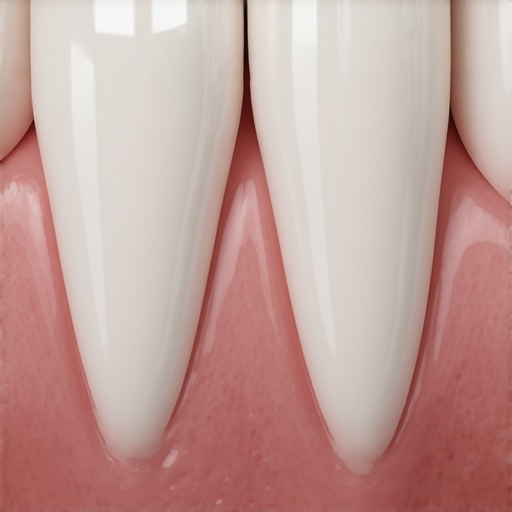
When we talk about family dentistry focus, we often emphasize whitening, but for crown-wearers, the wrong ‘whitening’ product is a disaster waiting to happen. Most people think they are doing themselves a favor by using heavy-duty abrasive pastes. However, the truth about the charcoal whitening trend is that these gritty particles can actually micro-scratch the glaze on your porcelain restorations. Once that factory-finish shine is scratched, the surface becomes porous and starts to pick up stains even faster. It’s a vicious cycle. If you want to keep your smile bright, focus on caring for crowns with non-abrasive gels. You also need to be aware of how your coffee habit affects sealants. It isn’t just about the color; the acidity can actually soften the bond over time. To avoid a major headache, check your toothpaste label tonight—if it feels like liquid sandpaper, get it away from your expensive dental work immediately. Understanding how long a porcelain crown actually lasts depends entirely on these small, daily decisions.
The Tech I Actually Use Every Single Morning
I transitioned to a high-end sonic toothbrush specifically because it has a pressure sensor that turns red if I press too hard. For someone who used to scrub their teeth like they were cleaning a driveway, this was a life-saver. I pair that with a cordless water flosser set to ‘pulse’ mode. Why ‘pulse’? Because it feels like a mini-massage for the gums while flushing out debris that string simply skips over. This is at the heart of teeth cleaning secrets for the modern age. I also use interdental brushes—those tiny little ‘Christmas tree’ brushes—specifically for the gaps around my crowns. These tools provide a mechanical scrub that water alone can’t achieve, ensuring that the margins of my dental work remain pristine.
How can I make sure these crowns don’t fail in five years?
Consistency is the obvious answer, but the ‘how’ matters more. I personally use a non-alcohol fluoride rinse right before bed. Alcohol-based mouthwashes can dry out your mouth, and a dry mouth is a breeding ground for bacteria around crown margins. You need to focus on maintaining your dental crowns by keeping the pH level in your mouth balanced. If you find yourself clenching your teeth at night, a custom-fitted night guard is the single best investment you can make to prevent your porcelain from cracking under pressure. It’s about protecting the investment you’ve already made in your family dentistry focus.
Why Professional Scaling Is Not Optional
Even with the best gear at home, calculus (tartar) is like barnacles on a ship hull. Once it’s there, no brush or water flosser can touch it. I realized that how often you actually need a professional scaling depends heavily on your unique saliva chemistry. Some of us produce more mineral-rich saliva that hardens plaque faster than others. A study published in the Journal of Clinical Periodontology highlights that professional mechanical plaque removal remains the only effective way to manage subgingival biofilm that has matured past the 48-hour mark. This is why I now schedule my cleanings every four months instead of six; it is far cheaper to prevent a problem than to fix a failed restoration later. Keeping up with expert advice on crowns means realizing that your hygienist is your best ally in the fight against bone loss.
The Future of Oral Bio-Hacking
I honestly believe the next five years will see a massive shift toward ‘smart’ saliva diagnostics. Imagine a test strip you dip in your mouth every morning that tells you exactly which bacteria are peaking before you even feel a twinge of pain. We are moving toward proactive oral health tips every family should follow in 2025 that look more like personalized lab reports than general advice. This data-driven approach will make the impact of regular teeth cleaning even more visible and manageable. Try this today: Switch your main flossing routine to the evening rather than the morning. Most people floss for ‘fresh breath,’ but the real bacterial damage happens while you sleep and your saliva production drops. Clean those gaps before bed to give your gums a fighting chance overnight.
Hard truths about keeping your smile intact
Looking back at my years of dental trial and error, the biggest ‘lightbulb moment’ was realizing that bleeding isn’t a sign to stop; it’s a sign that the eviction of bacteria is finally working. I also learned that you can’t just guess if a restoration is failing. Learning how to tell if your dental crown is cracked or just the cement has saved me countless hours of anxiety and unnecessary worry. Another realization? You have to proactively look for problems in the shadows. Understanding how to prevent cavities between teeth where you can’t see is far more important than just polishing the front surfaces for photos. It’s about the health of the foundation, not just the facade.
The gear that actually fixed my oral hygiene
I don’t believe in buying every gadget on the shelf, but three specific tools changed my life. First, a high-quality water flosser for those tight margins where string just gets stuck. Second, interdental brushes—they are far more effective than string for crown owners because they physically scrub the concave areas of the tooth. Third, and perhaps most importantly, a custom night guard. I didn’t realize how much I was grinding my teeth until I saw the wear on my expensive porcelain. Seeing how a simple night guard can save you thousands in future dental work made it an easy choice for my nightly routine. These are the practical oral health tips every family should follow in 2025 if they want to avoid the drill and keep their natural teeth longer.
[image_placeholder_5]
Take the first step toward a healthy smile
It’s easy to feel overwhelmed by the ‘rules’ of dental care, but remember that your mouth is incredibly resilient once you give it the right environment. Every time you pick up that floss or choose a non-abrasive paste, you are voting for your future health and confidence. Witnessing how crowns can transform your dental confidence is amazing, but keeping them healthy through consistent habits is where the real reward lies. If you’re ever in doubt about a symptom or just need a professional clean to reset the clock, don’t hesitate to reach out and contact us for guidance. You’ve got the tools and the knowledge now; all that’s left is to start. Have you ever felt that specific panic when a crown feels just a little bit ‘off’ or sensitive? Let me know in the comments below!