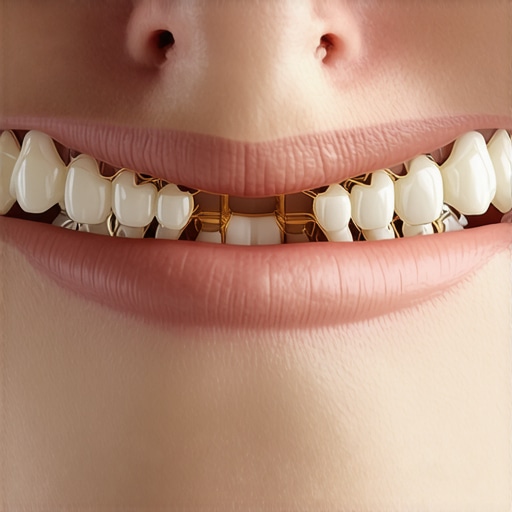
I remember sitting on the edge of my bed last February, clutching a box of tissues and a bottle of orange juice, and feeling my heart drop into my stomach. When I bit down on a piece of soft toast, my upper molars didn’t feel anchored. They felt like they were floating in wet sand. I spent the next twenty minutes in front of the mirror, poking at my gums with trembling fingers, convinced that my years of focus on family dentistry and preventative care had somehow failed me overnight. I was certain my teeth were about to fall out. It turns out, I wasn’t losing my smile; I was just really, really congested. If you have ever felt that weird, mushy sensation in your jaw the second your nose gets stuffed up, you are not alone, and you probably aren’t going toothless. Today, I’m going to walk you through exactly why this happens, how to tell the difference between a head cold and a dental disaster, and why your sinuses are such noisy neighbors to your teeth.
That Wobbly Feeling Isn’t Always a Dental Emergency
When your body is fighting off a virus, everything feels like it’s under construction. Your joints ache, your head throbs, and for many of us, our teeth start to feel ‘off.’ I made a huge mistake during that flu scare by obsessively wiggling my teeth to ‘test’ them, which only made my gums more sore and my anxiety sky-high. I should have realized that how to tell if your dental pain is actually a sinus infection is often as simple as looking at your recent Kleenex consumption. The reality is that your upper teeth are essentially the downstairs neighbors to your maxillary sinuses. When those cavities in your skull fill with fluid and become inflamed, they press directly down on the roots of your teeth. Have you ever felt this specific type of pressure during a bout of the sniffles? It is a visceral, unsettling feeling that makes every chew feel like a gamble.
Are My Teeth Actually Going to Fall Out?
This is the big fear, right? We worry that the ‘looseness’ is a sign of bone loss or advanced gum disease. However, unless you have been ignoring your oral health routine for years, a temporary feeling of instability during a cold is usually just referred pressure. According to the American Dental Association, the proximity of the sinus floor to the root tips of the upper molars means that even minor swelling can mimic the sensation of a loose tooth. It’s not that the bone is disappearing; it’s that the ligament surrounding the tooth is being squeezed by the pressure from above. Plus, when you’re sick, why your saliva turns thick and sticky during a cold can also contribute to a general feeling of oral discomfort and ‘fuzziness’ that makes everything feel worse than it actually is. It is important to stay calm and let the inflammation subside before you start Googling tooth implants.
How to Tell If Your Tooth or Your Head is the Problem
The most reliable trick I have learned to separate a sinus flare-up from a root canal nightmare is the gravity test. If you stand up straight and your teeth feel fine, but then you bend over to tie your sneakers and your upper jaw starts thumping, it is almost certainly your sinuses. This happens because the fluid in your maxillary cavities shifts, putting direct pressure on those sensitive nerve endings. It is exactly the reason your teeth hurt when you lean forward during a bout of congestion. This referred pain is a master of disguise, but it usually follows the movement of your head.
Try the Jump Test
Another way to check is what dentists call the percussion or jump test. If you hop on one foot or step down hard from a curb and feel a sharp jolt in your upper teeth, that is the fluid in your sinuses vibrating against the roots. A true dental infection usually hurts constantly or reacts specifically to temperature, such as when you are managing sudden tooth sensitivity to hot coffee or tea. Sinus pressure is more of a generalized, dull ache across several teeth rather than one specific, sharp point of agony.
Why Your Molars Feel Like They are Floating
Think of your sinus cavity as a balloon inside a small wooden box. When the balloon is empty, there is plenty of room. But when you get sick and that balloon fills with air or fluid, it starts pushing against the walls of the box. Your tooth roots are embedded in the bottom of that box. This pressure can actually shift the teeth microscopically, which is why your bite might feel mushy or off. 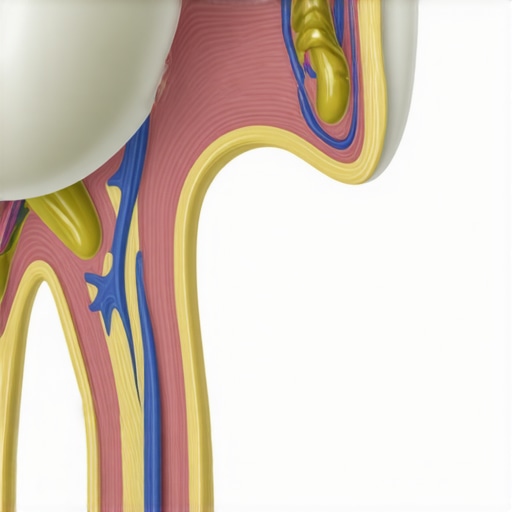 I remember one Tuesday when I was sure my molar was actually moving. I panicked and was checking my reflection every five minutes. I was literally in the bathroom mirror, using the handle of my toothbrush—and why manual toothbrushes are still effective if you use the right technique actually matters here for gentle testing—to see if I could see the tooth tilt. In reality, I just needed a decongestant and a nap.
When to Worry About Your Dental Work
If you have existing dental work like a crown, the sensation can be even more confusing. You might feel a strange vibration and wonder why your dental crown feels like it has a click when you bite. This clicking or loosening sensation during a cold is often just the gum tissue and ligaments reacting to the surrounding inflammation. However, it is vital to keep up with your home practices for family dental health to ensure that a temporary sinus issue does not mask a real problem like a failing restoration. If the clicking persists after your nose clears up, then it is time to investigate the hardware.
Stop Poking Your Gums
My biggest piece of advice is to stop testing the tooth. When I was sick, I kept pushing on my molar with my tongue every thirty seconds. All I did was irritate the periodontal ligament, making the tooth actually sore. Instead, focus on reducing the downstairs pressure. Steam showers, saline rinses, and staying hydrated are your best friends. Maintaining moisture is one of the top oral health tips every family should follow in 2025 because mouth-breathing during a cold dries out your protective saliva. Proper hydration ensures that regular teeth cleaning results stay effective by keeping your enamel bathed in minerals even while you’re under the weather.
Let’s dig deeper into the nuances that most people miss when their jaw starts throbbing during flu season. While we often blame a cold for these temporary wobbles, the real danger lies in a fundamental misunderstanding of how our existing dental work reacts to systemic inflammation. For instance, many patients believe that once they get a crown, that tooth is protected by a suit of armor forever. This is a massive misconception. I often see people assume that understanding the role of crowns in modern smile makeovers means they no longer have to worry about decay in those areas. In reality, the margin where the crown meets your natural tooth is actually more vulnerable than a whole tooth, especially when your gums are swollen and pulling away due to the internal pressure of a sinus infection.
Can a Sinus Infection Actually Ruin My Dental Work?
The short answer is: not directly, but your reaction to it might. When you are congested, the pressure can make a tooth feel ‘taller’ or ‘off-balance.’ If you have a restoration, you might start to obsess over the truth about how long a porcelain crown actually lasts before replacement and worry that the shifting sensation means the cement has failed. Usually, it is just the periodontal ligament reacting to the sinus floor pushing down. However, the ‘oops’ factor comes into play when patients try to ‘clean’ the sickness away. 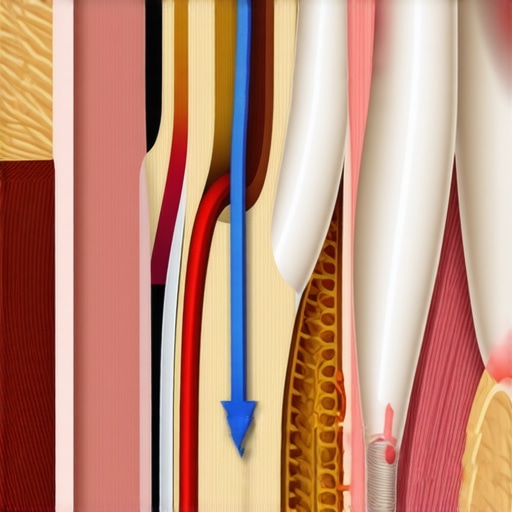 When you feel that thick, sticky saliva, the temptation is to reach for a stiff brush to scrub your teeth clean. This is exactly why your dentist wants you to stop using hard bristles. When your tissues are already inflamed from a virus, aggressive scrubbing can cause permanent gum recession and damage the delicate seal of your dental work.
The Hidden Link Between Your Gums and Your Heart
A contrarian view I often share with my patients is that ‘just a cleaning’ is actually a life-saving medical procedure, not a cosmetic one. Most people think they only need a professional visit when they see yellow spots, but the expertise lies in managing the microbial load. Research from the American Academy of Periodontology has consistently highlighted how systemic inflammation—the kind that ramps up when you’re fighting a sinus infection—can exacerbate underlying periodontal issues. This is why the connection between your heart health and your last dental cleaning is so vital; if you already have low-level gum disease, a simple head cold can provide the tipping point for a flare-up. You should be asking how often you actually need a professional scaling to prevent bone loss rather than waiting for your teeth to feel loose. Staying on top of expert advice on crowns and teeth cleaning for lasting results ensures that when the next cold hits, your foundation is strong enough to handle the pressure. Remember to follow the dos and donts for best results when maintaining your crowns during an illness: stay hydrated, use a soft brush, and stop poking the tooth. Have you ever fallen into this trap of thinking your teeth were falling out when you were just sick? Let me know in the comments. Contact us if you have concerns about your smile health.
Stop Guessing and Start Using the Right Tools
I used to think a piece of waxed string was the pinnacle of oral technology, but I was wrong. For anyone with restorative work, traditional flossing is often like trying to sweep a shag rug with a toothpick—it just doesn’t get into the deep architecture where bacteria hide. I personally switched to a high-quality water flosser three years ago, and the difference in my gum health was immediate. I use it specifically to target the margins of my dental work because it flushes out the ‘biofilm’ without the risk of snagging on a cement line. This is a huge part of caring for crowns: essential tips for longevity and shine that most people ignore until they feel a snag. If you have a bridge, you need to look into the best way to clean plaque from under a dental bridge, as these areas are notorious for trapping particles that lead to secondary decay. My personal method involves a specialized interdental brush dipped in a tiny drop of non-abrasive gel to ensure the surface stays smooth and polished.
How Do I Keep My Dental Work From Failing Over Time?
Maintenance isn’t just about what you do in the morning; it is about what you do while you sleep. One tool that changed my perspective entirely was the custom-fitted occlusal guard. I didn’t think I ground my teeth until my dentist showed me the wear patterns on my porcelain. Investing in one is a literal insurance policy for your mouth. Understanding how a simple night guard can save you thousands in future dental work is the difference between a crown lasting five years or twenty. Avoid the ‘boil-and-bite’ versions from the drugstore; they are too bulky and often encourage more clenching. A slim, lab-created guard keeps your jaw aligned and prevents the shearing forces that cause a crown to crack. 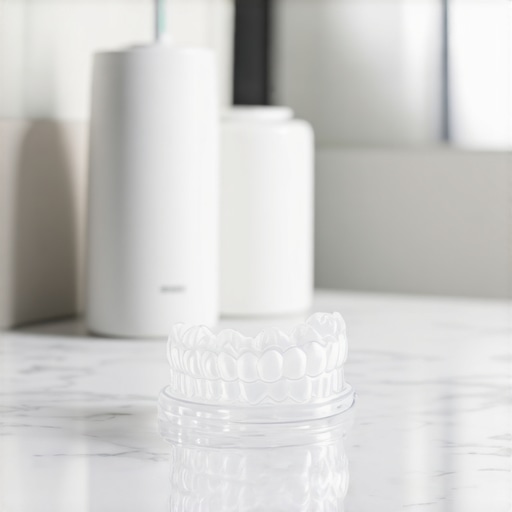 This level of protection is vital because even the best material can’t withstand the hundreds of pounds of pressure a human jaw can exert during a stress-dream.
As we look toward the future, I predict we are moving into an era of ‘bio-monitoring.’ We are already seeing the rise of smart toothbrushes that map your mouth in 3D, but soon, we will have home-based kits that analyze your saliva for specific pathogen levels. This will allow for a more proactive family dentistry approach where we treat imbalances before a cavity even forms. For now, the gold standard remains mechanical disruption. According to the Journal of Clinical Periodontology, consistent disruption of the subgingival biofilm is the only way to prevent the chronic inflammation that leads to bone loss. This is why you must master teeth cleaning secrets and effective home practices to bridge the gap between your professional visits. You should also be aware of what a professional prophy cleaning removes that your toothbrush cant touch, such as hardened calculus that acts as a skyscraper for bacteria. My advanced tip for you today: Try using a pH-balancing mouth rinse after your evening brush to neutralize acids while you sleep. It’s a small tweak that provides a massive shield for your enamel and your investment in modern smile makeovers. If you aren’t sure if your current routine is working, contact us to schedule a baseline checkup.
The Hardest Lesson I Learned About Trusting My Gums During Flu Season
Reflecting on my own dental scares, the biggest takeaway wasn’t about the teeth themselves, but about how our brains interpret pressure. I’ve realized that 90% of the anxiety we feel when a tooth feels ‘wobbly’ during a cold is just our nerves being overly sensitive to systemic inflammation. Another lightbulb moment was acknowledging that expert advice on crowns and teeth cleaning for lasting results isn’t just a suggestion; it’s a blueprint for preventing these panic moments. I used to think I could skip a day of flossing when I felt sick, but that is actually when your gums need the most support to fight off secondary irritation.
My Essential Toolkit for Lasting Smile Protection
If you want to move past the ‘panic and poke’ phase, you need a reliable defense system. #IMAGE_PLACEHOLDER_E# Here are the three things I never skip, especially during cold and flu season. First, the custom occlusal guard; knowing how a simple night guard can save you thousands in future dental work changed my perspective on nighttime jaw tension. Second, a high-quality water flosser for those hard-to-reach margins. Finally, I always keep an ultra-soft toothbrush on hand. This is vital because why your dentist wants you to stop using hard bristles becomes painfully obvious when your sinuses are already making your gum tissues tender and reactive.
Stop Worrying and Start Protecting Your Investment
The next time you feel that mushy sensation while battling a head cold, take a deep breath. Your body is doing its job, and as long as you have been diligent with your maintaining your dental crowns: dos and donts for best results, you are likely just fine. Focus on clearing your sinuses, and your smile will follow suit. If the discomfort lingers once your nose is clear, you can always look into how to fix a sensitive tooth flare-up before your next appointment to bridge the gap until you see a professional. Your journey toward better family dentistry habits is a marathon, not a sprint. Have you ever been convinced you were losing a tooth during a cold only for it to feel perfectly normal two days later? Let me know in the comments below.