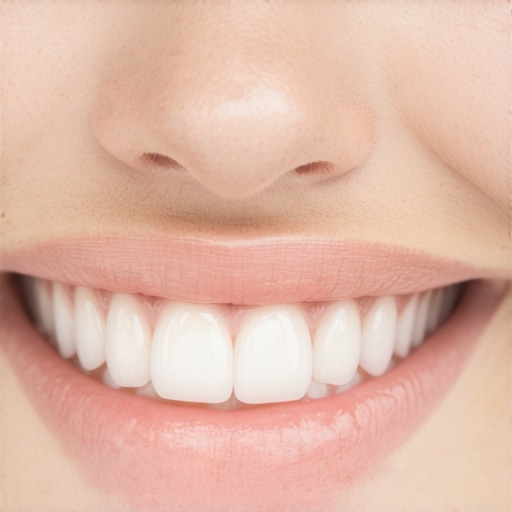
I will never forget the morning I tried those extra-strength whitening strips for the first time. I wanted that Hollywood glow, but what I got instead was a sharp, electric jolt of pain that made me drop my toothbrush in the sink. It felt like a lightning bolt hit my molars. Having naturally thin enamel means your teeth are sensitive to almost everything, and most off-the-shelf products are just too aggressive for people like us. It is incredibly frustrating when you want a brighter smile but feel like you have to choose between aesthetics and being able to drink a cup of coffee without wincing. [IMAGE_PLACEHOLDER]
Stop Following Generic Whitening Advice That Ruins Your Smile
If you are like me, you have probably spent hours looking for a solution that does not feel like dental torture. Today, I am going to share the exact routine I use to gently lift stains without stripping away what is left of my precious enamel. We are going to look at why the safest way to whiten teeth if you have thin enamel is not found in a cheap box at the drugstore. A few years ago, I fell into the natural trend and started using charcoal toothpaste. I thought I was being healthy, but I was actually doing more damage. As the American Dental Association points out, many abrasive whitening agents can permanently wear down your tooth structure if they are not used correctly. I learned the hard way that charcoal toothpaste can ruin your enamel by literally scrubbing it away. It is one of those mistakes that makes your teeth look darker in the long run because the yellow dentin underneath starts showing through.
Will whitening just make my sensitivity worse?
This is the question I get asked most often by my friends who also struggle with thin enamel. The short answer is: not if you do it the right way. You do not have to live with sudden tooth sensitivity to hot coffee just because you want a white smile. By focusing on a solid oral health routine that prioritizes remineralization, you can prep your teeth to handle gentle brightening agents. I want to hear from you—have you ever tried a whitening product that left your teeth feeling like they were vibrating with pain? Reach out and let me know; I would love to share more about how I transitioned from painful strips to a comfort-first approach.
Build a Shield Before You Brighten
Most people dive headfirst into whitening like they are scrubbing a dirty floor, but when you have thin enamel, you have to think like a restoration artist. You cannot just strip away layers; you have to reinforce the surface first. I spent two weeks focusing solely on a high-intensity oral health routine that utilized nano-hydroxyapatite toothpaste. This stuff essentially acts like liquid enamel, filling in those microscopic divots that cause sensitivity in the first place. Think of it like priming a wall before painting it; if the surface is porous and cracked, the finished product will look terrible and the process will be painful.
Swap Your Generic Paste for a Remineralizing Powerhouse
Stop using the standard ‘whitening’ pastes found in grocery stores. Most of them use silica or other abrasives to physically grind down stains, which is the last thing you want. Instead, look for pastes specifically designed to rebuild minerals. I remember my first attempt at this—I was so skeptical that a toothpaste could make a difference that I only did half my mouth for three days. The difference in how the ‘prepped’ side reacted to cold water compared to the other side was shocking. It was the first time I realized that how to fix a sensitive tooth flare-up starts weeks before you ever open a whitening kit.
Custom Trays Beat Drugstore Strips Every Time
If you are serious about results without the agony, you have to move away from one-size-fits-all strips. These strips often overlap onto your gums, which causes chemical burns and intense irritation. When you look at how to choose between professional whitening and at-home custom trays, the custom option wins because it keeps the whitening agent exactly where it belongs—on your teeth, not your soft tissues. 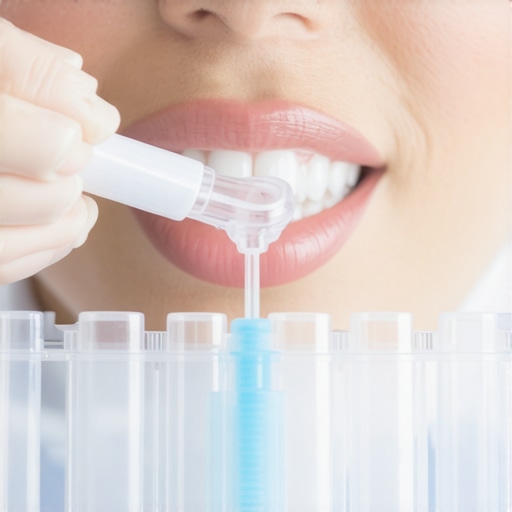
The Low and Slow Method for Lifting Stains
Speed is the enemy of thin enamel. If a product promises to whiten your teeth in one hour, run the other way. I found that using a lower concentration of carbamide peroxide (around 10%) over a longer period—say, 30 minutes every other night—yielded much better results than the high-strength gels that made my teeth feel like they were vibrating. This ‘low and slow’ approach is the cornerstone of family dentistry focus, where the goal is long-term health rather than a quick, damaging fix.
The 15 Minute Rule for Sensitive Smiles
When I first started with custom trays, I was terrified of a ‘zing.’ To manage this, I used a desensitizing gel inside my trays for 15 minutes before I put the actual whitening gel in. It essentially numbs the nerve endings temporarily. Even if you use strips, learning the safest way to use whitening strips without damaging your gums involves cutting them down to size so they don’t touch anything but the tooth surface.
Master Your Post Whitening Habits
What you do in the hour after whitening is just as important as the whitening itself. Your teeth are more porous immediately after a treatment, meaning they will soak up colors from coffee or wine like a sponge. I keep a strict ‘white food only’ rule for two hours post-treatment. Incorporating teeth cleaning secrets like rinsing with plain water immediately after eating helps maintain that brightness without needing to whiten as often.It is easy to assume that once you have invested in a porcelain restoration, the hard work is finally over. I used to believe that a crown was like a suit of armor—virtually indestructible and immune to the issues that plague natural teeth. But here is a contrarian take: your crowns actually require more meticulous attention than your original enamel. The margin where the porcelain meets your natural tooth structure is a microscopic ledge where bacteria love to congregate. If you are not focused on maintaining your dental crowns with specific flossing techniques, you are essentially leaving a back door unlocked for decay to sneak in underneath the restoration.
Crowns Aren’t a Suit of Armor for Your Smile
When I got my first molar capped, I thought I could slack off on that side of my mouth. I was wrong. The ‘Oops’ factor here is the false sense of security. Because the crown itself cannot get a cavity, many people stop cleaning the gumline properly, leading to localized gingivitis or even bone loss around the expensive work. This is where expert advice on crowns and teeth cleaning becomes vital. You need to use a non-abrasive approach to ensure you don’t scratch the glaze while still disrupting the biofilm at the margin.
Don’t Brush Immediately After Your Morning Juice
One of the most common mistakes I see in health-conscious circles is the urge to brush immediately after consuming something acidic or finishing a whitening treatment. While it feels proactive, you should never brush your teeth immediately after eating citrus or other low-pH foods. A study published in the Journal of Dentistry highlights that acid temporarily softens the enamel; if you apply the friction of a toothbrush during this window, you are physically scouring away the tooth structure you’re trying to protect. I recommend waiting at least thirty minutes for your saliva to naturally remineralize the area.
Why does a porcelain crown still feel cold?
This is a nuance that confuses many patients who expect a ‘fake’ tooth to be numb to the world. If you find your crown feels sensitive to cold even years after it was placed, it often indicates that the gum has receded slightly, exposing the sensitive root surface, or there is a microscopic leak in the seal. 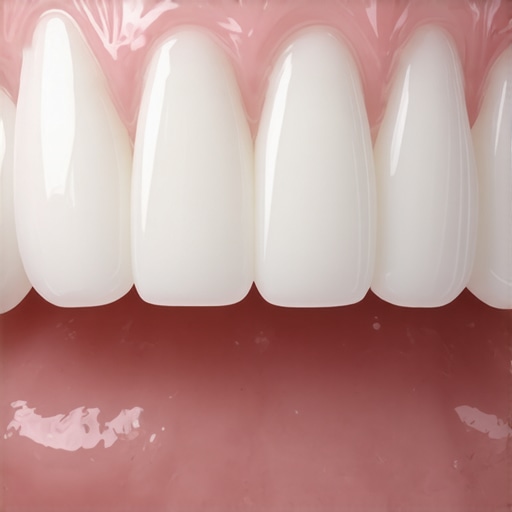
Stop Scrubbing and Start Cleaning
In my years following a family dentistry focus, I have realized that the ‘scrubbing’ mentality is our biggest enemy. We have been taught that harder is better, but aggressive friction is often the reason your teeth look longer as you get older. When you over-brush, you push the gums away, exposing the cementum which is much softer than enamel. True oral health is about gentle, consistent biofilm disruption, not sandpaper-like force. This shift in mindset is essential because the impact of regular teeth cleaning goes far beyond a bright smile—it is about managing the systemic inflammation that affects your entire body. Have you ever fallen into the trap of brushing too hard thinking you were doing a better job? Let me know in the comments; I would love to hear your experiences.
Upgrade your toolkit with a high-end water flosser
Moving from traditional string floss to a high-powered water flosser was the single biggest turning point in my routine. If you have any restorative work, you already know that the best way to clean plaque from under a dental bridge or around a crown is to flush it out. I personally use a countertop model because it holds more water and provides consistent pressure. It’s not just about comfort; it’s about reach. String often misses those tight pockets at the back, but a focused stream of water can disrupt biofilm in places your brush can’t even see. This is a core part of expert advice on crowns and teeth cleaning because it prevents the inflammation that leads to gum recession. #IMAGE_PLACE_HOLDER_D#
Stop guessing and let your toothbrush tell you when to stop
I used to think I was brushing for two minutes, but when I finally got a smart toothbrush with a built-in timer and pressure sensor, I realized I was only doing about 45 seconds of actual work. The pressure sensor is the real game-changer. As we discussed earlier, scrubbing too hard ruins enamel. My brush vibrates red when I press too hard, essentially training me to be gentler. This kind of tech turns a basic oral health routine into a precision-guided maintenance plan. It’s the difference between blindly scrubbing and executing a professional-grade cleaning at home.
How do I keep my smile stable for the next decade?
Long-term results aren’t about one big treatment; they are about the compounding interest of daily habits. I look at maintaining your dental crowns dos and donts for best results as a checklist I follow every single night. Beyond just brushing, I make sure I am using an alcohol-free mouthwash to keep my mouth hydrated. A study published in the Journal of Periodontal Research highlights that sonic vibration technology, like the kind found in high-end electric brushes, creates fluid dynamics that can clean up to 3mm beyond where the bristles actually touch. This ‘non-contact cleaning’ is vital for people with crowded teeth or complex dental work. By combining these tools, the impact of regular teeth cleaning becomes exponentially more effective over the long haul.
The next big thing in home dental care
Looking ahead, I predict we are going to see a massive shift toward AI-integrated oral health monitoring. We are already seeing brushes that map your mouth in 3D to show you exactly where you missed a spot. In a family dentistry focus, this data could soon be shared directly with your dentist between visits, allowing them to catch issues before they require a drill. It’s about moving from reactive ‘fix it’ dentistry to proactive ‘keep it’ health. To keep your work looking fresh, follow these caring for crowns essential tips for longevity and shine. My challenge to you: tonight, set a timer for a full two minutes and use the lightest grip possible on your toothbrush. You’ll be surprised at how much cleaner your teeth feel when you focus on technique over force.
The Lessons My Enamel Taught Me the Hard Way
Over the years, I have realized that achieving a bright smile isn’t about the strongest chemicals; it is about the smartest strategy. Here is what I wish I had known years ago:
- Remineralization is better than bleaching: When I focused on strengthening my enamel, the natural translucency of my teeth improved, making them look healthier and brighter than any strip ever could.
- Gums are the foundation: You can have perfectly white teeth, but if your gums are receding or inflamed, the aesthetic falls apart. Learning caring for crowns essential tips for longevity and shine helped me realize that the gumline is where the real battle for a beautiful smile is won.
- Consistency beats intensity: Brushing gently for two minutes every day is far more effective than an aggressive thirty-minute whitening session once a month.
[IMAGE_PLACEHOLDER_FINAL]
The Tools That Saved My Sensitive Smile
If you are looking to upgrade your routine, these are the items I personally swear by. I trust them because they prioritize protection over abrasion.
- Nano-Hydroxyapatite Toothpaste: This is my holy grail for thin enamel. It acts like liquid armor, filling in the microscopic gaps that cause sensitivity.
- High-Quality Water Flosser: This is the best way to clean plaque from under a dental bridge or around crowns where traditional floss might snag or cause irritation.
- Alcohol-Free Mouthwash: I always use an alcohol-free mouthwash for dry mouth to ensure I am not stripping away the natural protective saliva my teeth need.
Take Control of Your Oral Health Journey
Transitioning from a reactive mindset to a proactive, restorative approach was the best thing I ever did for my dental confidence. By adopting a family dentistry focus, you ensure that your oral health routine is sustainable for decades, not just for a single event. Don’t be afraid to slow down and listen to what your teeth are telling you. Your future self will thank you for being gentle today. Have you ever experienced that sharp ‘electric’ pain while trying to whiten your teeth? Let me know in the comments how you handled it!