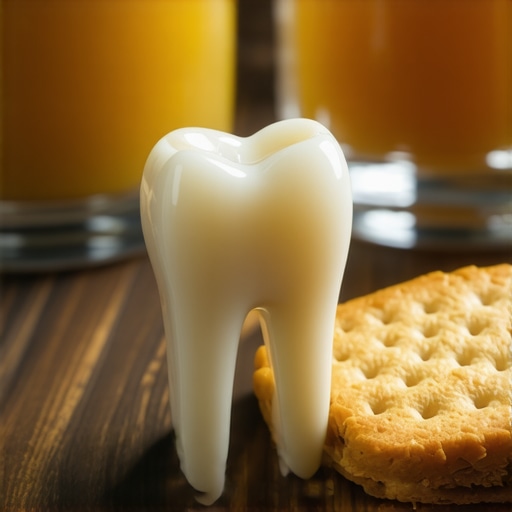
I still remember sitting in that tiny, vinyl-covered chair, my heart pounding as the dentist flipped through my daughter’s X-rays. We’ve never been a ‘candy house.’ No Skittles, no gummy bears, not even juice. So, when he looked at me and said, ‘She’s got three spots that need fillings,’ I felt like the world’s most incompetent parent. I’d done everything right, or so I thought. It was visceral—that mix of confusion and embarrassment. It turns out, my ‘healthy’ parenting was actually missing the mark on some fundamental biological truths. Today, I’m going to share exactly why those ‘no-candy’ cavities happen and how we can finally stop the cycle of guilt by adjusting our daily routines.
The Stealthy Snacks That Ruin Enamel Faster Than Fudge
Most of us grow up believing sugar is the only villain in the dental story. But here’s the kicker: your child’s mouth doesn’t differentiate between a lollipop and a ‘healthy’ organic cracker. My biggest mistake was loading her lunchbox with those sticky dried fruit leathers and goldfish crackers, thinking they were the ‘safe’ choice. These starches are fermentable carbohydrates that hang around on the teeth much longer than a piece of chocolate that melts away. In fact, why fruit snacks are often worse for kids than chocolate bars is a lesson I learned the hard way after that expensive dental bill. It’s all about ‘transit time’—how long the food sits in the deep grooves of the molars. If you’re struggling with this, checking out some oral health tips every family should follow in 2025 can help you reset your pantry strategy and protect those vulnerable surfaces.
Is it just bad luck or am I actually doing something wrong?
It’s easy to blame ‘bad genes,’ and while thin enamel is a real thing, it’s rarely the whole story. I used to think I was being a superior ‘green’ parent by avoiding traditional products, but I realized why natural toothpastes without fluoride might be a risk for your kids when those soft spots started appearing. The science is pretty jarring: according to data from the Centers for Disease Control and Prevention, nearly 25 percent of children aged 2 to 5 years have at least one cavity in their primary teeth, even in households that strictly limit sweets. This often happens because of constant ‘grazing’ habits that keep the mouth in an acidic state all day. If you’re also dealing with younger ones, learning how to prevent toddler tooth decay from nighttime bottle feeding is crucial for protecting those brand-new teeth before they even have a chance to settle in. Have you ever felt that surge of ‘dentist office guilt’ despite your best efforts at home? I’d love to know if your little ones have faced the same mysterious decay issues. [image placeholder]
Stop the All-Day Buffet to Save Their Teeth
The biggest shift we made wasn’t cutting out more food; it was changing the clock. Think of your child’s saliva like a tiny, built-in cleaning crew. Every time they eat a ‘healthy’ cracker or a slice of apple, the mouth becomes an acidic battlefield for about 20 minutes. If they are grazing every hour, that cleaning crew never gets a chance to punch in. I used to let my daughter carry a snack cup of Cheerios all morning, effectively keeping her enamel in a state of constant ‘acid melt.’ Now, we stick to designated meal times and high-protein snacks that don’t stick. If you’re looking for better options, integrating the 5 foods that act as natural toothbrushes for your family into these meal blocks can actually help scrub surfaces while they eat. 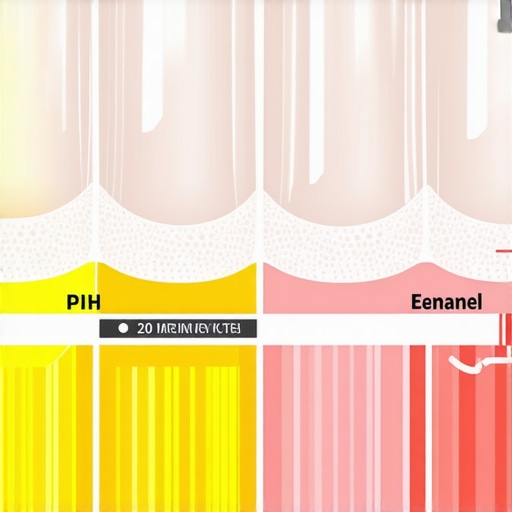
Wait an Hour Before Scrubbing After Fruit
This is the one that blew my mind. After a bowl of berries or a glass of orange juice, the enamel is temporarily softened by the acid. If you rush them to the sink to brush immediately, you’re essentially scrubbing away that softened enamel with the bristles. It’s like trying to clean a window with sandpaper while the glass is still hot. I learned this the hard way when I noticed my own teeth feeling sensitive. Now, we wait at least 30 to 60 minutes for the saliva to remineralize the teeth. You can find more teeth cleaning secrets and effective home practices for family dental health that emphasize timing over just ‘scrubbing harder.’ In the meantime, having them rinse with plain water is the best way to neutralize the environment.
Level Up the Tools in Your Bathroom Cabinet
If you’re still using a manual brush and wondering why the dentist is still finding plaque, it’s time to rethink the tech. Think of a manual toothbrush like a broom and an electric one like a high-powered vacuum. For kids who lack the dexterity to hit those back molars, the truth about manual vs electric toothbrushes for kids is that the vibration does the work they often miss. I remember the first week we switched; my daughter’s teeth finally lost that ‘fuzzy’ feeling she always complained about. To keep that momentum, focusing on an oral health routine that strengthens your smile every day is about more than just the brush—it’s about the fluoride and the flossing technique.
How to Protect Teeth That Already Have Damage
Sometimes the ‘how’ involves repair before prevention can truly take over. If a tooth is already compromised, a sealant or even a crown might be necessary to stop the decay from reaching the nerve. While it sounds scary, how crowns can transform your dental confidence applies to kids too, especially for protecting back molars that need to stay put until their teens. We had to get a crown for one of those ‘mystery’ cavities, and honestly, the peace of mind knowing that tooth was sealed tight was worth every penny. For the rest of the family, practicing expert advice on crowns and teeth cleaning for lasting results ensures that any dental work you’ve already invested in doesn’t go to waste.One of the biggest myths I used to believe was that once a tooth is crowned, it’s basically ‘bulletproof.’ I mean, porcelain can’t decay, right? But here’s the contrarian truth: a crowned tooth often requires more meticulous care than a natural one. The real danger isn’t the porcelain itself, but the margin—that tiny microscopic seam where the material meets your natural gum line. This is where most people fail. They stop flossing that area as thoroughly, thinking the tooth is ‘protected,’ but that’s exactly where bacteria love to hide. If you aren’t maintaining your dental crowns with specific dos and donts, you’re essentially leaving the back door wide open for decay to sneak under the restoration. Have you ever fallen into the ‘set it and forget it’ trap with your dental work? Let me know in the comments below! 
The Charcoal Trend is Actually Sandpaper for Your Smile
There’s an ‘Oops’ factor that nearly cost me my own enamel during my quest for a whiter smile. Like many parents, I was tempted by the charcoal craze, thinking it offered ‘extra’ cleaning power. In reality, the truth about charcoal toothpaste and why it might be ruining your enamel is that it’s far too abrasive for daily use. According to a study published in the Journal of the American Dental Association (JADA), many charcoal-based pastes lack fluoride and possess such high RDA (Relative Dentin Abrasivity) values that they can actually wear down the very enamel you’re trying to protect. It’s like using a scouring pad on a fine china plate every single morning. For those of us focused on family dentistry and building a lifetime of healthy smiles, it’s much safer to stick to pH-balanced, fluoride-rich options.
Why does my crown feel weird even if the X-ray looks clean?
Sometimes, the problem isn’t a visible cavity at all, but ‘micro-leakage.’ This happens when the cement bond begins to degrade over time, allowing tiny amounts of fluid and bacteria to seep underneath the edge. You might notice why your dental crown feels like it has a click when you bite or a strange, sudden sensitivity to cold drinks. Learning how to tell if your dental crown has a small leak can save you from a full-blown root canal later. It’s all about catching the structural failure before the biological failure begins. We also had to learn why we use different materials for front crowns versus back molars because the bite pressure on those back teeth is immense. If you or your child are heavy grinders, you might find why we recommend zirconia for patients who grind their teeth to be the only way to avoid constant chipping and repairs.
Precision Cleaning Over Powerful Scrubbing
Most people think the goal of a professional cleaning is just to ‘scrape off the gunk.’ However, the real value lies in the disruption of the biofilm in places your brush simply cannot reach. This is especially true for families managing a mix of natural teeth and restorations. Using expert advice on crowns and teeth cleaning for lasting results means understanding that your hygienist is checking the integrity of those margins every six months. If you’ve ever wondered why some crowns look like real teeth while others have a dark line at the gum, it often comes down to a combination of material choice and how well the surrounding tissue is maintained through regular teeth cleaning and its impact on overall oral wellness. Don’t let a ‘clean’ checkup lure you into a false sense of security; the nuances of oral health are found in the daily habits that protect the work you’ve already done.Once you’ve invested in professional work, the game shifts from ‘fixing’ to ‘preserving.’ I’ve realized that the tiny gaps where a crown meets the gum line are the ultimate testing ground for your home care. This is why I stopped relying solely on traditional string floss and moved toward interdental brushes. These tiny, mascara-wand-like tools are far more effective at mechanically disrupting the biofilm in those hard-to-reach areas. If you are serious about maintaining your dental crowns with specific dos and donts, you have to realize that the ‘brush and pray’ method simply doesn’t work for high-end restorations.
The Gear That Actually Changes the Game
I used to think a toothbrush was just a toothbrush, but my perspective shifted after seeing the clinical data. According to a comprehensive meta-analysis by the Cochrane Oral Health Group, users of electric toothbrushes saw an 11% reduction in plaque after just one month compared to manual users, with that number jumping to 21% after three months. For our family, the specific ‘must-have’ feature is the pressure sensor. It’s a game-changer for kids (and over-aggressive adults) because it flashes red the second you press too hard, protecting that precious enamel from physical wear. If you’re currently on the fence, the truth about manual vs electric toothbrushes for kids is that the tech compensates for their lack of fine motor skills. For the little ones who are resistant to the buzz, how to transition your child to an electric toothbrush without a fight often involves using ‘gamified’ apps that sync with the brush. 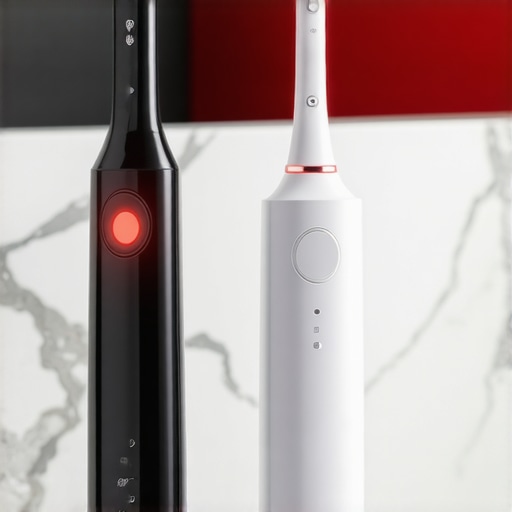
How do I maintain these results over the long haul?
Consistency is obviously key, but the real secret is ‘biofilm management.’ Plaque is essentially a living community of bacteria that reorganizes every 12 to 24 hours. If you miss a spot two days in a row, it begins to mineralize into tartar, which you cannot brush away. This is why I’ve integrated a water flosser into our nightly routine. If you’ve ever wondered what that high-pitched water tool is actually doing to your plaque, it uses pulsating pressure to flush out bacteria from 6mm deep pockets—areas where floss can’t even reach. By combining this with expert advice on crowns and teeth cleaning for lasting results, we’ve managed to keep my daughter’s crown margins perfectly pink and healthy for three years and counting.
What the Future of Home Care Looks Like
Looking ahead, I predict we will see a massive surge in AI-integrated dental tools. We are already seeing brushes that map your mouth in real-time on your smartphone, showing you exactly which ‘zones’ you missed. This kind of immediate feedback is going to revolutionize family dentistry and building a lifetime of healthy smiles because it removes the guesswork. We are moving away from ‘general’ advice and toward data-driven, personalized oral hygiene. For now, the best thing you can do is focus on the teeth cleaning and its impact on overall oral wellness by staying ahead of the curve with professional checkups. I challenge you to try one thing this week: swap your manual brush for a pressure-sensing electric model and see if your teeth don’t feel ‘dentist-clean’ every single night.
What My Expensive Dental Bill Taught Me About ‘Healthy’ Snacks
The biggest ‘lightbulb moment’ I had was realizing that dental health is a game of chemistry, not just hygiene. I used to think of teeth as static rocks, but they are dynamic systems that need a balanced environment. One major realization was that caring for crowns with essential tips for longevity and shine is actually more labor-intensive than caring for natural enamel because the bacteria focus their energy on that tiny seam where the porcelain meets the gum. Another insight was that ‘healthy’ grazing is the silent killer of enamel. By constantly snacking on fruit or crackers, I was denying my daughter’s saliva the chance to neutralize acids, essentially keeping her teeth in a state of slow-motion demineralization. Finally, I learned that understanding the role of crowns in modern smile makeovers is about structural integrity first and aesthetics second; a beautiful smile won’t last if the foundation is under constant acid attack.
The Three Tools That Rescued Our Morning Routine
I’ve trimmed our bathroom counter down to only what works. First, a pressure-sensing electric toothbrush is non-negotiable because it eliminates the human error of ‘scrubbing’ too hard. I also swear by the 3-month rule for brush heads; checking the truth about how often you should really replace your toothbrush helped me realize that worn bristles are just pushing bacteria around rather than lifting it. Second, the water flosser has reached areas string floss never could, especially around the base of my daughter’s crown. Third, for those of us who carry our stress in our jaws, how a simple night guard can save you thousands in future dental work is a lesson I wish I’d learned a decade ago. These tools don’t just clean; they protect the investment you’ve already made in your smile.
#IMAGE_PLACEHOLDER_E#
Saying Goodbye to Dental Office Anxiety Forever
You don’t have to be the ‘perfect’ parent or have perfect genes to have a cavity-free household. It’s about small, sustainable shifts in how you eat and how you clean. By focusing on family dentistry and building a lifetime of healthy smiles through timing and the right tech, you can walk into your next appointment with confidence instead of dread. If you ever feel overwhelmed or need a professional look at your progress, don’t hesitate to reach out and contact us for guidance tailored to your specific needs. Your oral health is a lifelong journey, and every small change you make today is a victory for your future self. Have you ever discovered a ‘healthy’ habit was actually harming your teeth? Let me know in the comments below!