I remember sitting in the dentist’s chair last year, staring at the fluorescent ceiling tiles, listening to that sharp, rhythmic scrape of metal against my back molar. It is a sound that makes my toes curl every single time. My hygienist gave me that look—the one where they do not actually say you have been slacking, but their eyebrows are doing all the heavy lifting. I had been so focused on meticulously maintaining my dental crowns and policing the kids’ candy intake that I completely forgot the simplest rule of oral health tips for 2025: what we eat between brushings can actually do the cleaning for us. I was failing at the basics, and my gums were starting to look a little angry. Today, I want to share the realization that saved my sanity and my family’s checkups. We are going to dive into how to turn snack time into a secret scrubbing session using five everyday foods. Have you ever felt like no matter how much you brush, you are still just one checkup away from a lecture?
Stop Fighting the Brushing Battle Every Single Morning
For years, I made the mistake of thinking a toothbrush was the only tool in my arsenal. I once even tried a DIY fruit-acid whitening trend that nearly ruined my enamel—talk about a teeth cleaning secret gone wrong. The reality is that our modern diets are often soft, sticky, and a total nightmare for our teeth. By incorporating what experts call ‘detergent foods,’ we can naturally and mechanically scrub away the film that builds up throughout the day. It is about more than just having fresh breath; it is about understanding the impact of regular teeth cleaning on your entire body’s wellness. When we eat foods that act like natural toothbrushes, we are giving our saliva a fighting chance to neutralize acids before they can do real damage to our smiles. I have seen a massive difference in my kids’ plaque levels since we started swapping out soft crackers for these crunchy alternatives.
Can a Crunchy Apple Really Replace My Expensive Electric Brush?
I know what you are thinking because I thought it too: is this just some old-fashioned myth? While these foods are incredible, they are not a total substitute for family dentistry focus and professional care. According to the American Dental Association, firm, crunchy, and watery foods are effective because they increase saliva flow, which washes away food particles and buffers the acids that cause decay. They are a supplement, not a replacement. I learned the hard way that ignoring professional expert advice on teeth cleaning leads to expensive fixes later. We are aiming for a partnership between your pantry and your dental team to keep everyone’s smile bright and healthy. Let’s look at exactly which foods you should be stocking up on this week.
Stock Your Pantry Like a Professional Hygienist
Let’s get practical about what actually happens when you chew. I remember last summer during a family camping trip when my son dropped his toothbrush into the mud five minutes after we arrived. Instead of panicking, I handed him a bag of baby carrots. I told him to chew slowly and make sure the pieces hit every tooth. It wasn’t a total replacement for a scrub, but those crunchy spears acted as a temporary mechanical scrubber, scraping away the sticky residue from his afternoon s’mores. This is the core of an oral health routine strengthening your smile every day. Knowing which snacks act as ‘detergent’ for your teeth can save your enamel when you are far from a sink.
Grab the Crunchiest Produce You Can Find
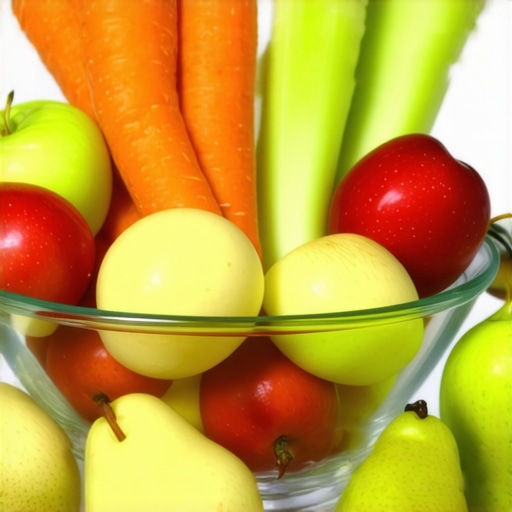
Think of apples, celery, and raw carrots as the ‘scrubby side’ of your kitchen sponge. When you bite into a firm apple, the fibrous texture literally wipes away plaque and food particles from the surface of your teeth and gums. This mechanical action is a great supplement to the truth about manual vs electric toothbrushes for kids, especially when they are at school and cannot brush after lunch. These foods also require more chewing, which stimulates saliva—your body’s natural defense system that neutralizes cavity-causing acids.
Why Your Kids Need Hard Cheese Instead of Crackers
We often reach for gold-colored crackers for a quick snack, but those refined carbohydrates turn into a sticky paste that clings to the grooves of your molars. I switched my kids to cubes of cheddar and the difference during their checkups was night and day. Hard cheeses are rich in calcium and phosphates, which help remineralize your enamel. Even if you are maintaining your dental crowns, cheese is a safe, non-sticky option that won’t tug at your dental work. In fact, it is often listed among the best foods to eat after you get a new dental crown because it is gentle on restorations while fighting oral bacteria.
The Hidden Danger of Healthy Fruit Snacks
This was a hard pill for me to swallow: those ‘all-natural’ fruit leathers are basically gummy bears in disguise. I used to think I was being a great mom by packing them, until I realized they were wedging sugar into every tiny crevice. The reason why fruit snacks are often worse for kids than chocolate bars is all about ‘stickiness duration.’ If you must have fruit, go for the whole version. If you find something stuck, remember the safest way to remove food stuck between your teeth is always gentle flossing, never using sharp objects that can damage your gums.
Wash Away the Acids with a Simple Water Swish
If you cannot get to a crunchy vegetable, the next best thing is a vigorous water rinse. This is especially vital after consuming acidic items. A common mistake is thinking you should brush immediately after a glass of orange juice, but why you should never brush your teeth immediately after eating citrus is because the acid temporarily softens your enamel. Brushing then can actually wear your teeth down. Instead, swish with plain water to balance your mouth’s chemistry. This is one of those teeth cleaning secrets that costs nothing but protects your enamel from premature wear.Let’s dig deeper into the nuances that even the most dedicated brushers often miss. One of the biggest myths I see in the world of family dentistry is the ‘scrubbing’ mentality. We often think that if we just push harder, we are doing a more thorough job. In reality, aggressive brushing is a major ‘oops’ factor that leads to gum recession and permanent enamel wear. This is exactly why soft-bristled brushes are the only ones that should touch your gums. If you are seeing blood when you spit, do not just assume you’re flossing too hard; it could be the hidden reason your gums still bleed even if you floss every day—chronic inflammation that has settled deep where your manual bristles simply cannot reach.
Why Does Your Mouth Feel Weirdly Smooth After a Professional Scaling?
Many patients are surprised by the distinct texture of their teeth after a professional visit. That ‘glass-like’ feeling isn’t just a fancy polish; it is the result of removing tartar (calculus) that has mineralized onto the tooth surface. Unlike soft plaque, tartar is like concrete—your toothbrush won’t budge it no matter how many ‘detergent’ apples you eat. According to the American Academy of Periodontology, professional intervention is the only way to effectively remove these deposits from the ‘sulcus’ or the pocket between the tooth and gum. This is why your mouth feels weirdly smooth after a professional scaling. If you have been avoiding a checkup because you do not have pain, you might be ignoring a silent infection that eventually requires what to expect during your first deep cleaning session for gum disease.
Protect Your Investment by Monitoring the Margin
Another common misconception is the ‘set it and forget it’ attitude toward dental work. While zirconia and ceramic materials are incredibly durable, the margin—where the crown meets your natural tooth—is your smile’s weakest link. I once ignored a slight ‘click’ when I chewed, only to find out the cement had micro-leaks. Understanding the most common reason dental crowns fall out and how to fix it can save you from a stressful emergency. It is vital to listen to expert advice on crowns and teeth cleaning for lasting results. Proper caring for crowns involves more than just surface cleaning; it requires professional eyes to ensure the bond remains sealed. A study by the Journal of Clinical Periodontology highlights that biofilm accumulation around restorations occurs faster than on natural teeth, meaning your ‘snack-scrubbing’ routine is just the first line of defense. We often see the impact of regular teeth cleaning not just in the shine of the enamel, but in the longevity of these expensive restorations. You need the specialized tools only a hygienist possesses to maintain the family dentistry focus required for a multi-generational healthy smile. Have you ever fallen into the trap of thinking a crown means you can skip flossing that specific tooth? Let me know in the comments below!Actually, flossing around a restoration is more critical than anywhere else. I used to be terrified of popping a crown off, but that fear led to a buildup of plaque that nearly cost me the whole tooth. When I finally upgraded my kit, I realized that modern tools take the guesswork out of oral health routine strengthening your smile every day. I swapped my standard floss for a high-powered water flosser, but I had to learn the hard way about the common mistake you are making with your water flosser: using too much pressure on sensitive gum tissue.
How do I maintain my dental work over time?
Longevity comes down to the micro-habits. If you have a restoration, you need to be hyper-vigilant about how to tell if your dental crown has a small leak before it turns into a painful abscess. According to a systematic review published by the Cochrane Library, power toothbrushes—specifically those with an oscillating-rotating motion—reduce plaque by 11% more than manual ones over just three months of use. I personally use a smart brush that tracks my coverage via an app because I’m a sucker for data, and it revealed I was completely missing my upper left molars for years. You also can’t forget the basics of hygiene; knowing the truth about how often you should really replace your toothbrush is vital because frayed bristles are essentially useless for clearing the debris that congregates near your crown margins.
Your Next Toothbrush Might Be Smarter Than Your Phone
Looking ahead to the next few years, I predict we will see a massive shift toward bio-sensing technology in our bathrooms. We are moving toward brushes that can detect the chemical composition of your saliva to warn you of rising acidity or early signs of infection. This is the ultimate evolution of family dentistry focus—preventing the problem before the drill is ever needed. While you wait for the tech to catch up, make sure you understand what that high-pitched water tool is actually doing to your plaque during your professional visits; it’s not just water, it’s ultrasonic energy breaking down the ‘armor’ of oral bacteria. If you’re feeling a bit overwhelmed by the options, I highly recommend checking out our guide on expert advice on crowns and teeth cleaning for lasting results. My advanced tip for you this week: try the ’90-degree trace’—hold your water flosser tip at a 90-degree angle to your gum line and pause at each interdental space for three seconds. It’s a game changer for keeping those crown margins pristine. If you have questions about which tool is right for your specific bite, contact us today and let’s get your kit sorted.
The Hardest Truths I Learned About My Own Smile
Looking back on my journey from the dentist’s chair to a healthier mouth, I’ve realized that the ‘perfect’ routine isn’t just about expensive gadgets; it’s about paying attention to the subtle signals your body sends. I used to think a minor tingle or itch was just a part of life, but I eventually learned about the real reason your gums itch—it is often the very first alarm bell of inflammation. I also discovered that simple, natural remedies are sometimes the most powerful; for instance, the salt water trick that calms gum inflammation proved more effective for my daily maintenance than many harsh, store-bought rinses. Finally, never ignore a change in how your bite feels; knowing how to tell if your dental crown is cracked or just the cement can be the difference between a simple repair and a full-blown emergency.
#IMAGE_PLACEHOLDER_E#
The Essential Toolkit for a Lifetime of Smiles
My bathroom cabinet is no longer a graveyard of experimental products. I have narrowed my family’s kit down to three non-negotiables. First, we have banned medium and hard bristles because why soft-bristled brushes are the only ones that should touch your gums is a lesson my own receding gum line taught me the hard way. Second, we upgraded to a water flosser, but I coached everyone on the common mistake you are making with your water flosser—blasting the gums with too much pressure. Third, we keep our pantry stocked with ‘detergent foods’ like crisp apples and celery, adhering to the oral health tips every family should follow in 2025 to ensure we are scrubbing away plaque even when we are away from a sink.
Small Steps Toward a Stronger Future
You do not need to overhaul your entire lifestyle overnight to see results. Start by swapping one sticky snack for a crunchy vegetable and paying closer attention to the state of your gums after you brush. Strengthening your oral health is a marathon of micro-habits, and every small choice contributes to a more confident, pain-free smile for years to come. Don’t wait for an ache to start caring; be the guardian of your family’s dental wellness today. Have you ever found yourself worrying about a loose crown or a sensitive spot during a holiday meal? Let me know your experience in the comments below!