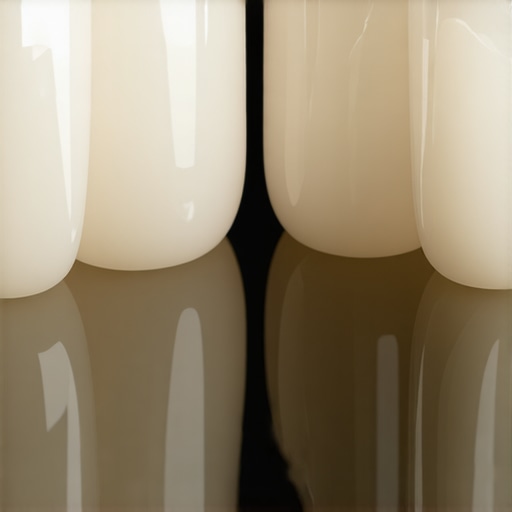
I remember standing in front of my bathroom mirror at age thirty, staring at a faint, unsightly gray line right at the base of my new front tooth. I had recently gotten a crown and, in an attempt to save a few dollars, I chose the ‘standard’ option my dentist mentioned. I treated my front tooth like it was a hidden back molar, and the result was a smile that looked artificial and dull. It was a visceral lesson in why material science in dentistry isn’t just for academics—it’s for anyone who wants to eat and smile without a second thought. Today, I want to help you avoid that same mistake by explaining why we have to balance beauty and brawn differently depending on where the tooth sits in your mouth. [image_placeholder_1]
The Great Divide Between Aesthetics and Pure Power
When you are sitting in that dental chair, it is easy to think a crown is just a crown. But your mouth is actually a high-pressure environment with very specific zones of activity. Your front teeth are the socialites of your smile; they are responsible for your confidence and the initial shearing of food. Your back molars, however, are the industrial grinders. They are subjected to immense forces every single time you chew. If you try to use a delicate, translucent material on a back molar, it’s going to shatter. Conversely, if you put a heavy-duty, opaque material on a front tooth, it often looks like a stark, white block. In my early days of managing my own dental health, I didn’t realize that why some crowns look like real teeth while others have a dark line usually comes down to the choice of the underlying material. We’re going to solve this dilemma today by looking at why ceramic crowns are the best choice for your front teeth and where you can afford to prioritize strength over looks.
Is the Cheapest Crown Material Actually a Bad Idea?
It is incredibly tempting to just go with whatever your insurance covers 100%, but I have learned that ‘cheap’ often means ‘doing it twice.’ According to the American Dental Association, the biting force on a human molar can exceed 200 pounds of pressure per square inch. That is a staggering amount of weight for a dental restoration to carry for years on end. This is a big reason why many dentists still believe gold crowns are still the gold standard for back molars; they simply don’t crack or wear down the opposing teeth. Have you ever had a dentist suggest two different materials and felt like it was just a sales pitch? I certainly did, right up until my ‘budget’ front crown failed me and I had to start the process over. Whether you are looking for expert advice on crowns and teeth cleaning for lasting results or you are planning a total smile makeover, understanding these material differences is the first step to a lifetime of healthy smiles. Even the best home cleaning practices can’t save a crown that was the wrong material for the job.I remember standing in front of my bathroom mirror at age thirty, staring at a faint, unsightly gray line right at the base of my new front tooth. I had recently gotten a crown and, in an attempt to save a few dollars, I chose the ‘standard’ option my dentist mentioned. I treated my front tooth like it was a hidden back molar, and the result was a smile that looked artificial and dull. It was a visceral lesson in why material science in dentistry isn’t just for academics—it’s for anyone who wants to eat and smile without a second thought. Today, I want to help you avoid that same mistake by explaining why we have to balance beauty and brawn differently depending on where the tooth sits in your mouth. [image_placeholder_1]
The Great Divide Between Aesthetics and Pure Power
When you are sitting in that dental chair, it is easy to think a crown is just a crown. But your mouth is actually a high-pressure environment with very specific zones of activity. Your front teeth are the socialites of your smile; they are responsible for your confidence and the initial shearing of food. Your back molars, however, are the industrial grinders. They are subjected to immense forces every single time you chew. If you try to use a delicate, translucent material on a back molar, it’s going to shatter. Conversely, if you put a heavy-duty, opaque material on a front tooth, it often looks like a stark, white block. In my early days of managing my own dental health, I didn’t realize that why some crowns look like real teeth while others have a dark line usually comes down to the choice of the underlying material. We’re going to solve this dilemma today by looking at why ceramic crowns are the best choice for your front teeth and where you can afford to prioritize strength over looks.
Is the Cheapest Crown Material Actually a Bad Idea?
It is incredibly tempting to just go with whatever your insurance covers 100%, but I have learned that ‘cheap’ often means ‘doing it twice.’ According to the American Dental Association, the biting force on a human molar can exceed 200 pounds of pressure per square inch. That is a staggering amount of weight for a dental restoration to carry for years on end. This is a big reason why many dentists still believe gold crowns are still the gold standard for back molars; they simply don’t crack or wear down the opposing teeth. Have you ever had a dentist suggest two different materials and felt like it was just a sales pitch? I certainly did, right up until my ‘budget’ front crown failed me and I had to start the process over. Whether you are looking for expert advice on crowns and teeth cleaning for lasting results or you are planning a total smile makeover, understanding these material differences is the first step to a lifetime of healthy smiles. Even the best home cleaning practices can’t save a crown that was the wrong material for the job.
Identify Your Teeth by Their Daily Workload
Before you commit to a specific material, you need to map out what that tooth actually does. I think of the mouth in two distinct zones: the ‘Showroom’ and the ‘Engine Room.’ Your front six teeth are the showroom; they need light-mimicking properties that only high-end ceramics can provide. If you choose a metal-backed crown here, you risk that gray line at the gum that once ruined my confidence. However, the engine room—your molars—is where the heavy-duty grinding happens. This is where how a dental crown can restore your bite alignment becomes critical. If the material is too soft, your bite shifts over time; if it is too brittle, it shatters under the pressure of a steak dinner. 
Why Zirconia Is My Favorite Middle Ground
In my second round of dental work, I discovered zirconia. Think of it as ‘ceramic steel.’ It is white enough to blend in with natural teeth but strong enough to withstand the forces of someone who tends to clench their jaw during a stressful commute. We often find that why we recommend zirconia for patients who grind their teeth is because it offers a massive durability boost without the metallic look. For those back teeth that stay hidden when you laugh, the benefits of choosing zirconia crowns for back molars are hard to beat. If you are a ‘heavy chewer,’ don’t ignore the fact that why gold is still one of the most durable materials for back crowns remains a valid conversation to have with your provider.
Don’t Let Your New Crown Fail Early
Once the crown is placed, the work shifts from selection to preservation. I learned this the hard way at a summer BBQ when I bit into a piece of crusty sourdough bread and felt a terrifying ‘pop.’ It wasn’t the tooth itself—it was the cement seal failing because I had been lazy with my flossing. Following caring for crowns: essential tips for longevity and shine is non-negotiable. You must treat the seam where the crown meets the gum with extreme care. If plaque builds up there, the underlying tooth can still decay, causing the entire restoration to fail. In fact, the most common reason dental crowns fall out and how to fix it usually begins with invisible hygiene issues at the gum line.
Master the First Forty Eight Hours
The most critical window for your crown’s success is immediately after the appointment. You need to know the best foods to eat after you get a new dental crown to avoid dislodging the bond before it fully sets. Stick to soft options like lukewarm soup or yogurt. It is also completely normal to feel a few ‘zingers’ when drinking cold water during this stage; knowing how to manage sensitivity after getting a new dental crown will save you from a panicked phone call. By following maintaining your dental crowns: dos and donts for best results, you ensure that the investment you made in your smile stays secure for decades.While we often think of dental restorations as ‘fixing’ a problem permanently, the reality is that a crown is more like a high-performance tire—it requires constant monitoring and specific maintenance. Most patients assume that once the porcelain is on, that tooth is safe from decay forever. This is a dangerous misconception. In fact, studies frequently cited in the Journal of Dentistry suggest that while material failure is possible, the average crown’s lifespan is heavily dictated by the ‘marginal seal’ integrity. This brings me to the ‘Oops’ factor many people miss: thinking that a crown can’t get a cavity. While the ceramic itself is immune, the tiny sliver of natural tooth at the gum line is more vulnerable than ever. If you are not focused on your oral health routine strengthening your smile every day, bacteria can slip under that edge and compromise the entire restoration. 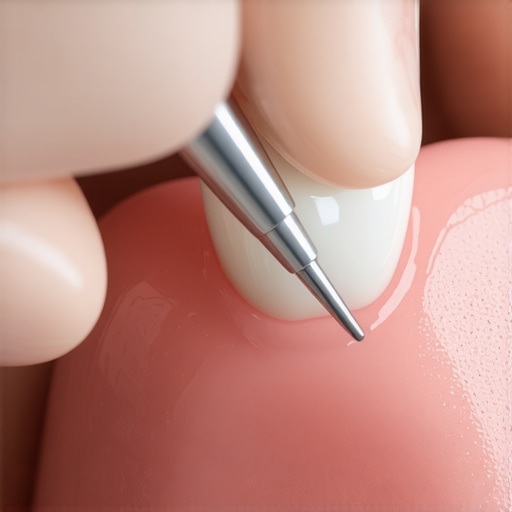
The Hidden Danger of Marginal Leakage
Have you ever noticed your gums turning a different shade or feeling slightly irritated? Knowing why your gums turn white around a new dental crown or identifying a weird sensation when you chew is vital for early intervention. I have seen people ignore a slight ‘click’ for months, not realizing why your dental crown feels like it has a click when you bite—often, it is the cement beginning to wash out. This creates a microscopic vacuum that sucks in sugar and bacteria. This is a classic ‘trap’ where the crown looks perfect on the outside while a cavity brews underneath. This is also why expert advice on crowns and teeth cleaning for lasting results emphasizes the health of the margin, rather than just the shine of the porcelain.
How do you know if your crown has a hidden leak?
Detecting a ‘leak’ isn’t always about sharp pain. Sometimes it is a faint metallic taste or a sudden sensitivity to cold that wasn’t there before. Learning how to tell if your dental crown has a small leak can save you from an expensive full root canal later. And for the love of your enamel, remember: why you should never brush your teeth immediately after eating citrus applies double to crowned teeth. The acid softens the natural tooth structure at the margin, and immediate brushing can scrub it away, widening the gap between the crown and your gum. Whether you are looking for family dentistry focus building a lifetime of healthy smiles or you are a crown veteran, the goal is the same: stop treating your dental work like it is invincible. Even the most advanced teeth cleaning secrets won’t help if you are not paying attention to these structural details. Have you ever fallen into the trap of thinking a crown meant you could skip flossing that spot? Let me know in the comments below!
I used to think my manual toothbrush was enough until my dentist showed me a high-definition photo of the plaque hanging out right at the edge of my zirconia crown. It was a wake-up call. To keep these restorations working, you need more than just effort; you need the right gear. One tool I swear by is a high-quality water flosser, but I had to learn the hard way that the common mistake you are making with your water-flosser is often using it at a ninety-degree angle that actually pushes debris under the gum line instead of flushing it out. I now use it at a forty-five-degree angle, sweeping along the seam where the tooth meets the gum, which is the only way to ensure expert advice on crowns and teeth cleaning for lasting results actually pays off.
The Specialized Gear That Keeps My Smile Intact
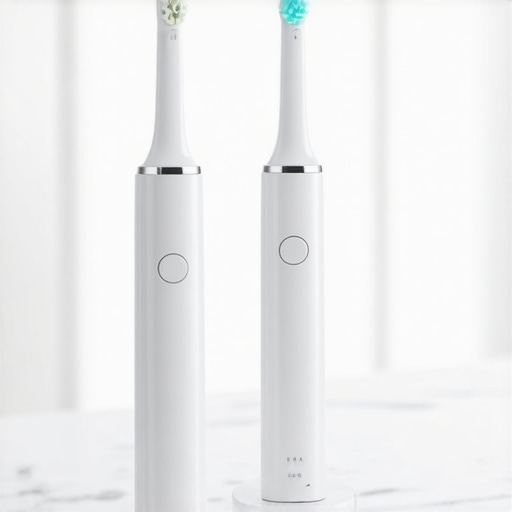
For my family, we have completely moved away from manual tools. I’ve found that the truth about manual vs electric toothbrushes for kids is just as relevant for adults with crowns. The sonic vibrations help break up the biofilm that loves to cling to the junction of the crown and the natural tooth. While some worry about the intensity, why soft-bristled brushes are the only ones that should touch your gums remains the golden rule. Hard bristles can actually create micro-scratches in the porcelain over years of use, dulling that expensive finish you paid for. If you want to know what that high-pitched water tool is actually doing to your plaque during your professional visits, think of your home electric brush as a mini-version of that power.
How do I maintain my dental crowns over time?
Maintenance is a marathon, not a sprint. Beyond the daily brush, I recommend using interdental brushes—those tiny little trees that fit between the teeth—at least twice a week. They reach the concave areas of the tooth that floss often skips. According to the FDI World Dental Federation, mechanical disruption of biofilm is the single most effective way to prevent secondary caries under restorations. This is especially vital if you have multiple units or a bridge. By focusing on caring for crowns: essential tips for longevity and shine, you are essentially protecting the underlying foundation. I also suggest a nightly rinse with an alcohol-free fluoride mouthwash to remineralize any exposed natural tooth structure at the margin.
What the Future of Crown Care Looks Like
Looking ahead, I predict we will soon see smart crowns embedded with tiny pH sensors that alert your smartphone if the environment under the crown becomes too acidic. Until that sci-fi reality arrives, we have to rely on our own diligence and teeth cleaning secrets: effective home practices for family dental health. We are already seeing the rise of bioactive cements that actually release minerals to heal the tooth they are holding onto, which is a massive leap forward for family dentistry focus building a lifetime of healthy smiles. My best tip for you today? Go buy a pack of interdental brushes and try the ‘sweep’ method instead of just standard flossing; it’s a game-changer for that fresh-from-the-dentist feeling.
What My Second Crown Taught Me About Dental Longevity
Reflecting on my decade-long journey with dental restorations, I’ve realized that the ‘perfect’ crown isn’t just about the material—it’s about the marriage between the porcelain and your lifestyle. I once thought a crown was a ‘get out of jail free’ card for that tooth, but I learned that the margin is where the battle is won or lost. My biggest lightbulb moment? Realizing that understanding the role of crowns in modern smile makeovers is actually about preserving your natural structure, not just covering it up. Also, never underestimate the power of a second opinion if a material choice feels ‘off’ for your specific habits, like grinding or clenching. It is your mouth, and you are the one who has to live with the result for the next fifteen years.
The Three Tools I Use to Keep My Smile Looking New
If you want your investment to last, you need a strategy that goes beyond the basic scrub. I personally rely on a soft-bristled electric brush to protect my gums and the crown’s finish, as the impact of regular teeth cleaning on overall oral wellness cannot be overstated. I also keep a stash of interdental brushes in my car and my desk; they are the secret weapon for those hard-to-reach margins where a standard brush often fails. Finally, I’ve made it a habit to follow the latest oral health tips every family should follow in 2025 to ensure my kids don’t repeat my early mistakes. These aren’t just gadgets; they are the insurance policy for your dental work.
It’s Time to Reclaim Your Smile Confidence
Taking care of your teeth can feel like a chore, but remember the feeling of a confident, pain-free laugh. Whether you are just starting your research or you are sitting in the chair tomorrow, know that how crowns can transform your dental confidence is a reality within your reach. You have the tools, the knowledge, and the plan to make your next restoration your last one for a very long time. Invest the time in your margin care today, and your future self will thank you every time you look in the mirror. Have you ever had a crown that felt ‘different’ than your natural teeth, and how did you adjust to it? Let me know in the comments below!