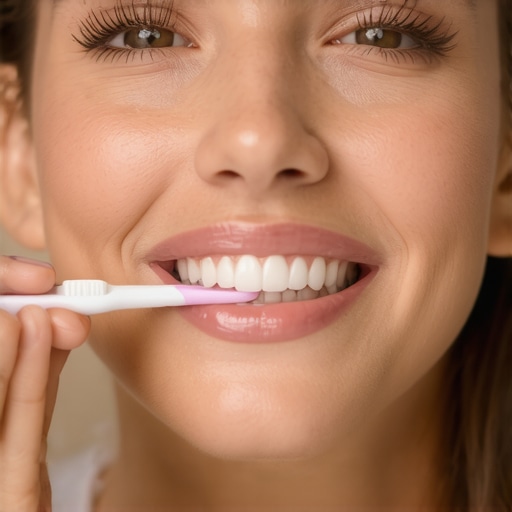
It was a morning like any other, until I caught a glimpse of my reflection and realized my smile wasn’t as bright and clean as I wanted it to be. Despite diligent brushing, I could feel that stubborn plaque lingering near my gum line, and honestly, it frustrated me. Have you ever experienced that moment where your daily routine just isn’t cutting it anymore? That’s when I had a lightbulb moment about how I was actually using my manual toothbrush, and it changed everything.
Why Your Technique Makes All the Difference
For years, I thought simply scrubbing away was enough. Turns out, without the proper technique, even the most expensive toothbrush is missing some spots—and that’s not just my opinion. According to experts, effective plaque removal depends on *how* you brush, not just how often. Studies show that improper brushing can leave behind plaque, increasing your risk for cavities and gum disease. That’s why understanding the right way to wield your toothbrush is essential, especially if you’re like me and care about maintaining a healthy, bright smile without unnecessary trips to the dentist.
Thinking All Bristles Are Created Equal?
I used to believe it didn’t matter what kind of brush I bought—after all, a brush is a brush, right? Well, I was wrong. Early on, I made the mistake of using a hard-bristled brush because I thought it cleaned better. That was a mistake. Hard bristles can actually damage your gums and enamel over time. Instead, we should opt for soft-bristled brushes, and more importantly, learn proper technique. Curious about other tips for keeping your crowns or natural teeth in top shape? You might want to read about dos and don’ts for maintaining dental crowns.
In the next section, I’ll share exactly how to improve your brushing habits to ensure you’re getting the best plaque removal possible, without causing harm. Trust me, once I started applying a few simple techniques, my oral health improved dramatically—and I believe your smile can, too. Ready to brush smarter and see real results? Let’s dive into the how-to’s in the next part of this post.
Master the Proper Brushing Technique
Start by selecting a soft-bristled toothbrush, which is gentle on your gums yet effective at cleaning. Hold the brush at a 45-degree angle toward your gum line. Use gentle circular motions—think of it as massaging your gums rather than scrubbing aggressively. I once tried rushing through my brush because I was short on time; the mess was evident when I noticed uneven plaque removal on my teeth. Once I slowed down, applying consistent pressure and focused on every section, my oral cleanliness improved noticeably, and I felt more confident with my smile.
Divide Your Mouth into Zones
Break your mouth into four sections: upper right, upper left, lower right, and lower left. Spend at least 30 seconds on each. This ensures no teeth are overlooked. During my last routine, I used a timer—just a simple kitchen clock—to keep myself honest. The result was a comprehensive clean that left my mouth feeling fresher and healthier.
Don’t Forget Your Tongue and Chewing Surfaces
Use your toothbrush or a tongue scraper to clean your tongue, removing bacteria responsible for bad breath. Scrubbing your tongue might seem minor, but it significantly impacts overall oral health. One time, I skipped this step, and by midday, my breath was noticeably off. After incorporating tongue cleaning into my routine, I experienced fresher breath and a cleaner mouth feeling that lasted longer.
Master Flossing for Complete Removal
Floss once daily, ideally before bedtime. Use about 18 inches of floss, winding most of it around your middle fingers, leaving a few inches to work with. Slide gently between teeth, curving around each tooth like a crescent moon, and glide beneath the gum line to remove plaque. I used to hate flossing, but applying the right technique—slowly and carefully—made it more manageable. This helped me prevent gum inflammation and cavities between teeth.
Incorporate Mouthwash Strategically
Finish with an alcohol-free antimicrobial mouthwash to reduce bacteria and freshen breath. Swish for 30 seconds, making sure to reach difficult areas. I found this step enhances the benefits of brushing and flossing, especially when my mouth feels sticky or bad-smelling. Remember, mouthwash shouldn’t replace brushing but should complement it for comprehensive cleaning.
Schedule Regular Dental Check-ups
Visit your dentist every six months for professional cleaning and examination. During these visits, your dentist can identify issues like early cavities or gum disease, which might not be noticeable at home. I once ignored a minor sensitivity, thinking it was nothing, only to discover a small cavity during a routine check-up. Regular visits can catch problems early, saving costly procedures later and maintaining your smile’s health and brightness.
Implementing these core routines consistently will dramatically improve your oral health. Remember, effective cleaning isn’t about speed—it’s about mastery and attention to detail. Take your time, focus on technique, and your smile will thank you for it.
Many people believe they understand dental crowns and overall oral health, but in reality, there’s a surprising depth of nuance often overlooked. While it’s common to think that once a crown is cemented, all is well—or that brushing aggressively keeps teeth pristine—these assumptions can lead to preventable issues. For instance, a prevalent myth is that harder brushes clean better. In fact, aggressive brushing with stiff-bristled brushes can damage both your crown’s surface and your gum tissue, accelerating wear and recession. Instead, gentle, circular motions with soft brushes are far more effective and safer, a detail many miss. Moreover, many assume that crowns are maintenance-free, but neglecting proper care—like avoiding sticky foods or improper cleaning techniques—can jeopardize their longevity. Regular gentle cleaning and strategic flossing are essential, especially around crowns, to prevent decay at the margins. One common mistake is ignoring the importance of precise occlusion. Malaligned bites or misplaced crowns can cause uneven wear or TMJ issues over time. This is why consulting with your dentist for proper crown placement and bite adjustment is crucial, and can make a noticeable difference in long-term comfort. Additionally, there’s a tendency to overlook the subtle signs of crown failure, such as minor micro-leaks or color mismatches, which can signal underlying problems before they escalate. Advanced practitioners understand that early intervention saves time and cost, emphasizing the value of periodic professional evaluations. For deeper insights, I recommend reviewing expert advice on crowns and teeth cleaning to ensure you’re not falling into these common traps. Finally, beyond crowns, many believe that daily brushing and flossing alone ensure perfect oral health. But without incorporating interdental cleaning devices like water flossers or interdental brushes, plaque can still hide in hard-to-reach spots, leading to gum inflammation or decay. A comprehensive routine tailored to your unique dental anatomy is essential for maintenance. Remember, understanding these nuances can drastically improve your dental outcomes, preserving your smile longer. Have you ever fallen into this trap? Let me know in the comments. For tips on maintaining your crowns and ensuring long-term success, check out this guide.,
Investing in Reliable Tools for Long-Term Oral Health
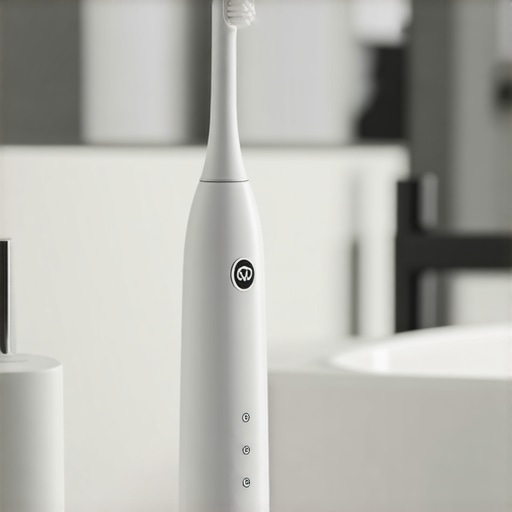
Maintaining excellent oral hygiene requires more than just routine brushing and flossing; it depends heavily on the tools we choose. I personally recommend using an electric toothbrush with a built-in timer and pressure sensor, such as the Oral-B Genius series. The timer ensures you brush for the optimal two minutes, while the pressure sensor warns you against aggressive brushing that can harm your gums and crowns. These features help prevent damage while maximizing plaque removal, especially around delicate crowns and recession-prone areas.
Additionally, integrating a high-quality water flosser like the Waterpik Ultra into your daily routine makes a significant difference. It effectively reaches areas that traditional floss might miss, reducing the risk of gum inflammation and decay at crown margins. I use mine with a gentle pulsating setting, which is gentle on family members with sensitive gums but still highly effective at cleaning between teeth and around restorations.
Optimal Care Strategies for Longevity and Shine
Consistency is crucial. I set reminders on my smartphone to replace my toothbrush head every three months—this refreshes the bristles for optimal cleaning, as worn-out brushes are ineffective and can cause gum irritation. Moreover, I periodically switch to different oral hygiene products, like fluoride rinses, which strengthen enamel and help preserve crowns. For a deep clean, I recommend using a professional-grade whitening pen once a month to maintain brightness without damaging your natural teeth or crowns.
How do I maintain my crowns and oral health over time?
Scheduled check-ups are your best ally. Regular visits every six months allow your dentist to monitor your crowns, identify early signs of micro-leakage, and perform professional cleanings that remove stubborn plaque and tartar — crucial steps in extending crown life. For detailed guidance on care practices, I suggest reviewing detailed crown maintenance tips. Incorporating these tools and routines will save you costly repairs and keep your smile shining for years to come.
Scaling Up Your Home Dental Routine
As technology advances, so do our options for effective home care. Meanwhile, emerging trends like AI-powered toothbrushes that analyze brushing patterns and provide real-time feedback are making personalized oral health more accessible. Predictions indicate that future toothbrushes may integrate sensors to detect early cavities or enamel erosion, alerting you via a smartphone app. This proactive approach will shift our focus from reactive dental visits to prevention-centric care.
If you’re ready to elevate your routine today, try upgrading to a smart electric toothbrush with a pressure sensor and Bluetooth connectivity. It’s an investment that pays off by giving you detailed insights into your brushing habits, ultimately safeguarding your crowns and natural teeth alike.
Keep Your Family Smiling
Remember, the goal isn’t just maintenance—it’s fostering habits that support long-term oral health. Supporting your family with proper tools and routines now ensures a lifetime of healthy smiles. Want to learn more about comprehensive family dental strategies? Check out family dentistry tips. Don’t wait for issues to arise—start today by assessing your current tools and making necessary upgrades for a healthier tomorrow.
The Hardest Lesson I Learned About crowns, teeth cleaning, oral health, family dentistry
One of the most profound realizations I had was that even the best tools won’t do their job if we lack the right knowledge. For years, I believed that brushing harder was better, but I only learned the importance of gentle techniques after experiencing gum recession firsthand. This taught me that mastery over basics like technique has a ripple effect—enhancing longevity and appearance of crowns and natural teeth alike.
3 Myths About crowns, teeth cleaning, oral health, family dentistry That Held Me Back
- Myth 1: Hard brushes are more effective.
In reality, soft-bristled brushes protect gums and restorations while still cleaning effectively. - Myth 2: Crowns don’t need special care.
Proper cleaning around crowns prevents decay at the margins, prolonging their lifespan. - Myth 3: Brushing vigorously after a crown placement is better.
Gentle, precise cleaning is key to avoiding micro-leaks and damages.
What Experts Won’t Tell You About crowns, teeth cleaning, oral health, family dentistry
Many practitioners overlook the subtle signs of crown micro-leakage or neglect the significance of occlusion alignment. Paying attention to these details—like early signs of micro-leak or bite discrepancies—can save you from costly repairs and discomfort down the line. Knowing when to seek professional advice and understanding the nuances of dental restorations truly empowers you to take control of your smile’s future.
My Essential Toolkit for crowns, teeth cleaning, and family dental health
- Electric toothbrush with pressure sensor: Protects delicate crowns and gums while cleaning thoroughly. I trust the Oral-B Genius series for its reliability.
- Water flosser: Reaches areas traditional floss sometimes misses, especially around crowns. The Waterpik Ultra has been a game-changer in my routine.
- Professional-grade whitening pen: Maintains brightness without damaging enamel. I use it monthly for confidence between dental visits.
- Periodic consultation: Regular dental check-ups detect early issues. My dentist’s insights have saved me from extensive repairs.
Seize Your Smile: Your Move Starts Today
Remember, your commitment to consistent, informed oral health routines can transform your confidence and protect your cherished dental investments like crowns. Every small step—be it gentle brushing, proper flossing, or regular check-ups—builds toward a radiant, lasting smile. Don’t wait for problems to pop up; take proactive control now and enjoy the confidence of knowing you’re doing your best for your oral health. Have you ever struggled with perfecting your brushing technique? Share your experiences below, and let’s learn together.